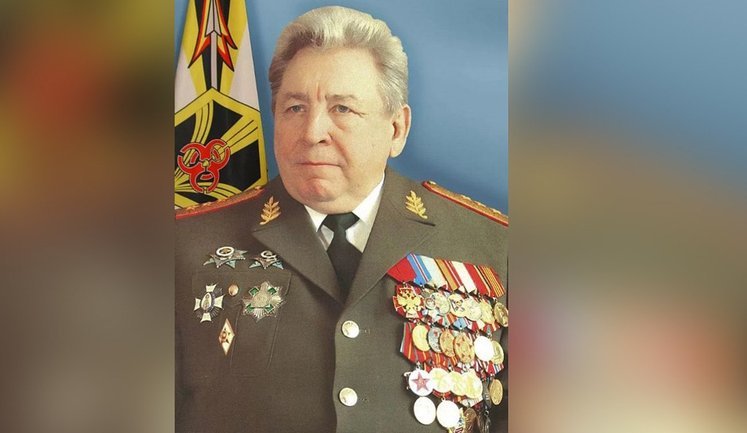
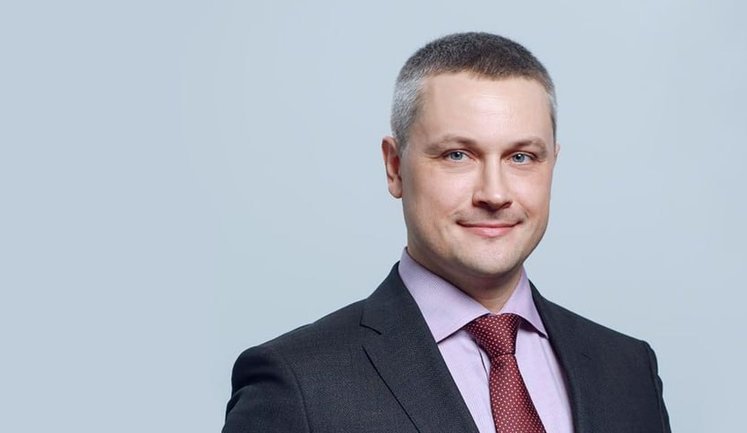
Recent high-profile suicides in Russia have drawn significant attention and stirred nationwide concern. The case of Colonel-General Stanislav Petrov, former head of the Russian Radiation, Chemical, and Biological Defense (RCBD) Forces, who shot himself in Moscow, highlights a troubling trend. Alongside, the suicide of Alexander Tyunin, head of Umatex Group, a significant supplier of materials for "Shaheds," underscores potential pressures faced by industry leaders in Russia. These incidents not only question the socio-political environment but also bring to light the intricate web of stress and expectations impacting individuals in influential positions. Addressing these issues is crucial for stabilizing mental health and societal wellbeing in Russia.
What are the current trends regarding suicides in Russia?
Recent incidents involving high-profile suicides in Russia have raised alarm. The cases of notable figures like military and industrial leaders committing suicide point to potential underlying socio-political and economic stresses. Understanding the scope and causes of this increase is essential for addressing mental health concerns in the country.
Can the suicides of influential figures be linked to broader socio-political issues in Russia?
Yes, the suicides of high-profile individuals, such as military leaders and heads of significant industrial companies, may reflect underlying socio-political pressures. These incidents highlight the intense stress and expectations placed upon leaders, exacerbated by Russia's complex socio-political environment.
How does the suicide of military leaders impact the morale of the armed forces in Russia?
The suicide of military leaders, such as Colonel-General Stanislav Petrov, can have a profound impact on the morale of the armed forces. It raises questions about leadership stress, the mental health support available, and the pressures faced by military personnel in Russia, potentially affecting their effectiveness and morale.
What implications does the suicide of industrial leaders have on the Russian economy?
The suicide of industrial leaders like Alexander Tyunin could indicate significant pressures within the Russian economic landscape. It may reflect challenges related to economic responsibilities, geopolitical tensions, or internal pressures, potentially impacting business stability and investor confidence in Russia.
How might these suicides influence mental health discourse in Russia?
The suicides of high-profile individuals bring attention to mental health issues and can catalyze discussions on mental health support and awareness. It highlights the need for more comprehensive mental health resources and a supportive environment for discussing mental health challenges in Russia.
What measures can be taken to prevent similar incidents in the future?
Preventing similar incidents requires a multi-pronged approach, including improving mental health resources, reducing stigma around seeking help, and addressing the systemic issues contributing to high-pressure environments. Creating supportive communities and open channels for assistance can help mitigate these trends.