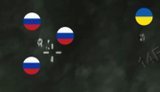
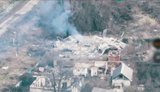
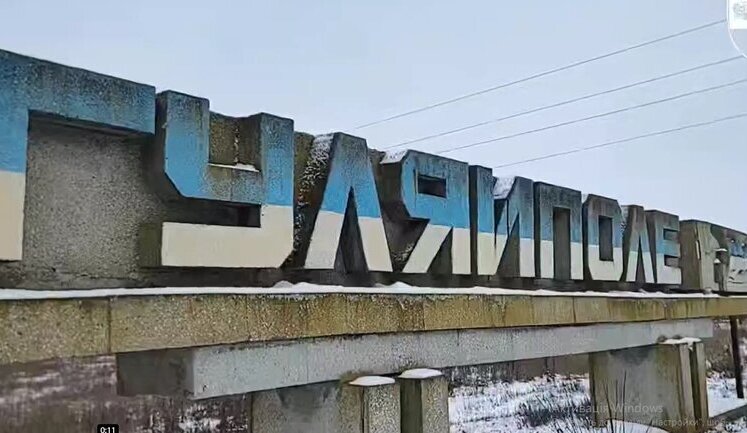
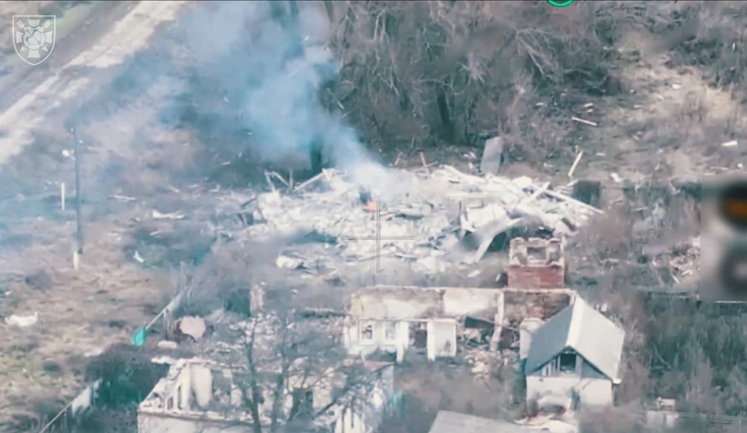
The capture of Ukrainian cities remains a significant trend in 2026. Despite an increase in offensive operations, Russian forces captured less territory in April compared to March, according to DeepState reports. This highlights a shift in the conflict dynamics. Meanwhile, the Armed Forces of Ukraine have refuted Russian claims of ongoing "street fighting" and "clearing operations" in Kutkivka, Kharkiv region. The statements by Valery Gerasimov regarding these operations have been denied, underscoring the information warfare aspect of the conflict. These developments emphasize the complexity and fluidity of the situation on the ground, impacting both military strategy and international diplomacy.
What was the main outcome of Russian offensives in April 2026?
In April 2026, despite an increased number of assaults, Russian forces captured less territory than they did in March. This suggests limitations in their offensive capabilities and highlights the resilience of Ukrainian defenses.
Are there any reports of street fighting in Kutkivka, Kharkiv region?
The Armed Forces of Ukraine have denied Russian claims of street fighting in Kutkivka, Kharkiv region. These statements are part of the ongoing information war, with conflicting narratives from both sides.
How does the current territorial capture compare to previous months?
The latest reports indicate that Russian territorial capture in April was less compared to March, despite increased military operations. This shift may reflect both strategic recalibrations and the effectiveness of Ukrainian resistance.
What are the implications of denying Russian military claims?
Denying Russian military claims can undermine their narrative and bolster Ukraine's position internationally. It also affects the morale and perception of the conflict within Ukraine and the global community.
How do information wars affect the political landscape in Ukraine?
Information wars significantly impact the political landscape in Ukraine by shaping public opinion, influencing international support, and reflecting the power struggle in media portrayal. These aspects are crucial in a modern conflict environment.