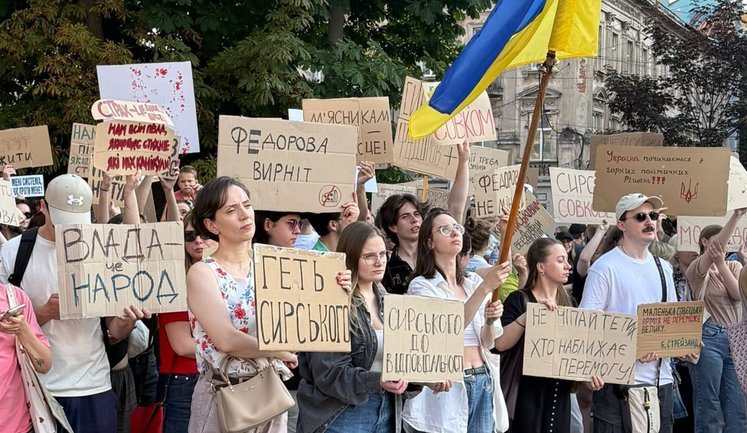
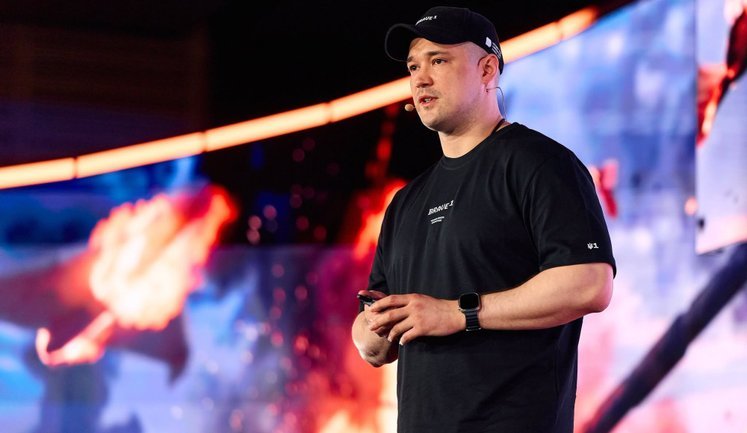
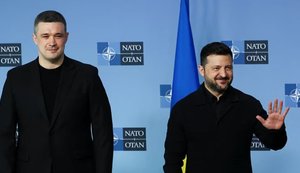
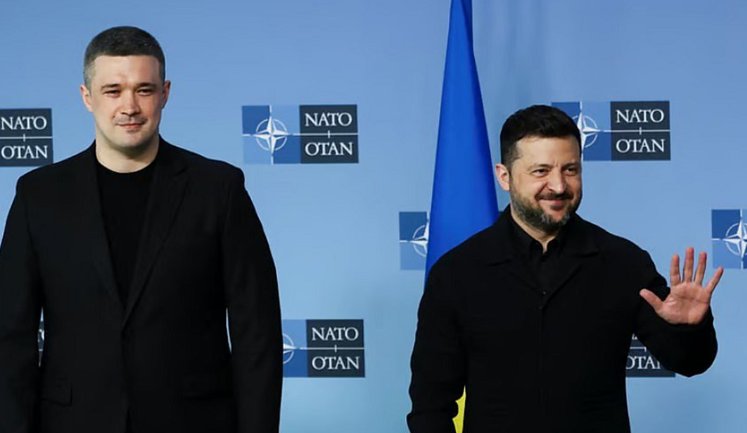
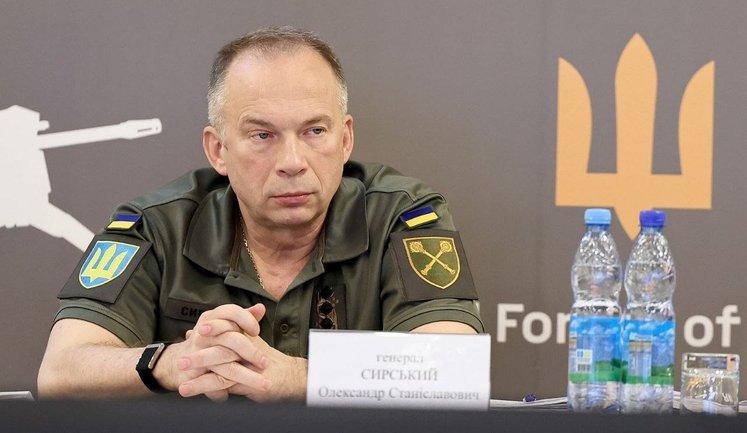
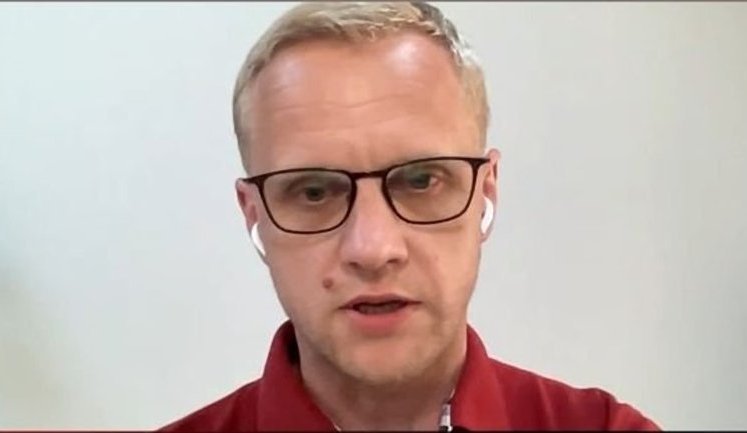
The Syrskyi–Fedorov conflict has become a prominent issue within Ukraine's political scene. President Zelenskyy expressed support for former Defence Minister Mykhailo Fedorov, offering him various positions within his team. Despite rumors of a confrontation, Commander-in-Chief Oleksandr Syrskyi has dismissed the allegations, apologizing for any unintended offense. Meanwhile, public gatherings supporting Fedorov and calling for Syrskyi's dismissal gain momentum. Fedorov's resignation, according to Vitalii Shabunin of the ACAC, suggests a potential rollback of defence reforms. Amidst these tensions, speculation arises around Fedorov’s potential replacement, sparking debates on corruption and governance in Ukraine.
What are the main issues in the Syrskyi–Fedorov conflict?
The Syrskyi–Fedorov conflict centers on political tensions between Oleksandr Syrskyi and Mykhailo Fedorov. Allegations of sabotage regarding military reforms and resignations fuel the situation. Speculations about corruption reforms and the potential replacement of Fedorov add complexity. President Zelenskyy’s attempt to offer Fedorov alternative roles and public protests show the depth of the issue.
How has President Zelenskyy responded to the conflict?
President Zelenskyy addressed the conflict by expressing a positive stance toward Mykhailo Fedorov, emphasizing his willingness to reintegrate Fedorov into the government through different roles. Despite the controversies, Zelenskyy’s actions aim to stabilize the situation while addressing concerns about reform and governance in Ukraine. His leadership in this crisis reflects nuanced handling of the internal political dynamics.
What legal barriers exist regarding Syrskyi’s dismissal?
Currently, there are procedural barriers preventing the immediate dismissal of Oleksandr Syrskyi. According to expert sources, a replacement for the Commander-in-Chief of the Armed Forces of Ukraine cannot proceed until a new Minister of Defence is officially appointed. This legal stipulation is maintaining Syrskyi in his position amidst ongoing political considerations and potential reshuffling within the government.
What has been the public reaction to this conflict?
The public reaction has been notably active, with significant protests in various Ukrainian cities demanding Mykhailo Fedorov’s reinstatement as Defence Minister and Oleksandr Syrskyi’s dismissal. These demonstrations signify widespread support for Fedorov and reflect public concerns about the direction of military and government reforms. The citizen involvement highlights Ukraine’s vibrant civil society engaged in governance matters.
What are the implications of Fedorov's potential dismissal?
The potential dismissal of Mykhailo Fedorov could signify a shift in Ukraine's defense ministry and broader government priorities, potentially impacting ongoing reform efforts. Such a move may reflect fragmentation within the government over management approaches and highlight tensions in addressing procurement reforms. The discourse surrounding these changes could affect international perceptions of Ukrainian military governance.
How have experts interpreted Fedorov's resignation?
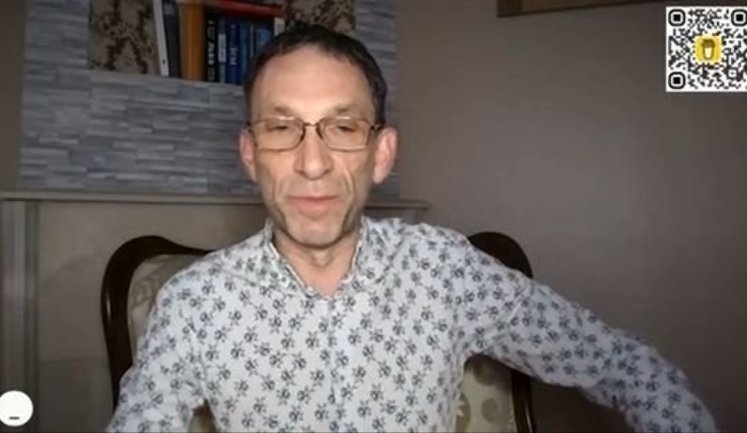
Experts like Vitalii Shabunin interpret Fedorov's resignation as indicative of a regression to traditional corruption schemes and reliance on Soviet-era military leadership. This insight suggests a broader context of battling entrenched systems within the Ukrainian defense sector, raising concerns about the trajectory of reforms intended to modernize and strengthen governance in Ukraine’s military framework.