



Syrskyi on conflict with Fedorov: It came as surprise; if I offended you in any way, I apologise
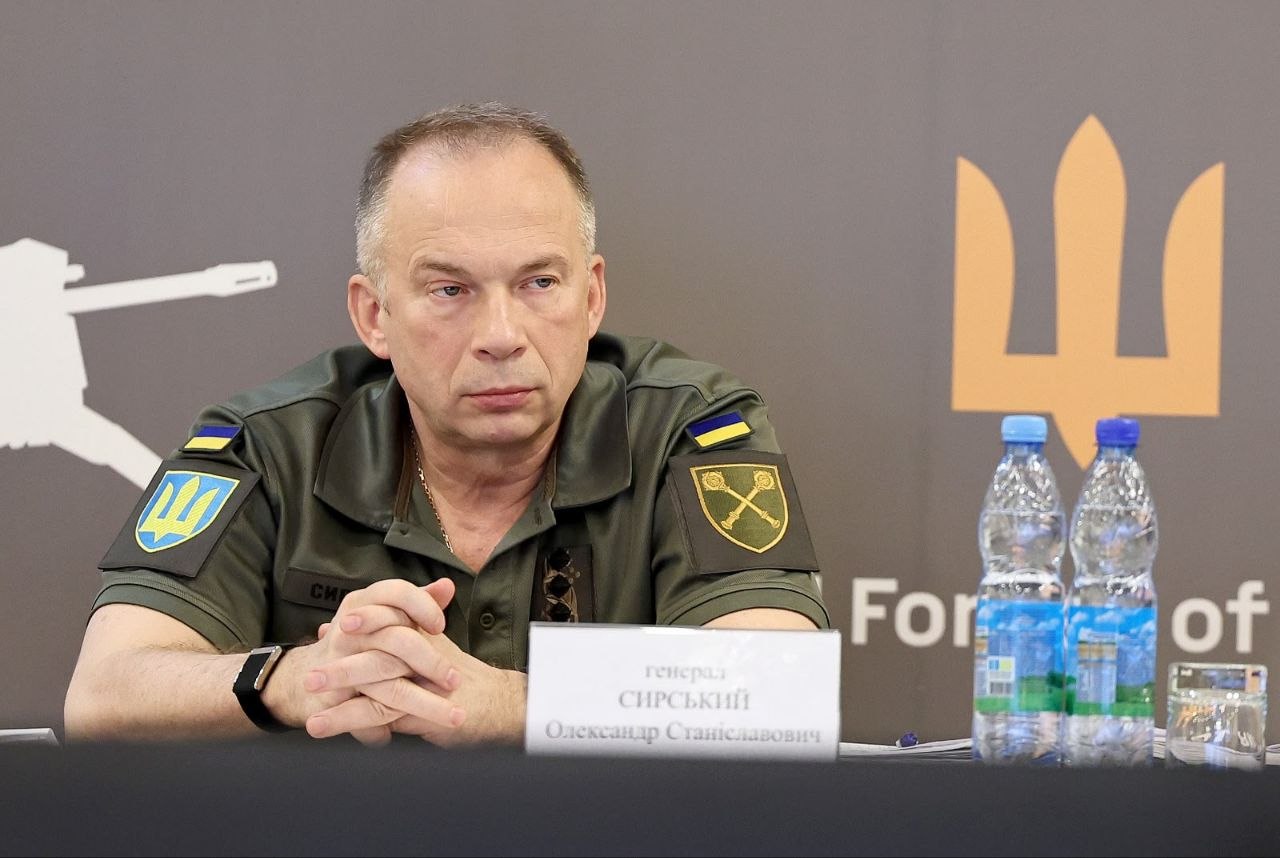
Commander-in-Chief of the Armed Forces of Ukraine General Oleksandr Syrskyi has dispelled rumours of a personal confrontation with former Defence Minister Mykhailo Fedorov, describing the alleged conflict as "a surprise" and rejecting accusations that he sabotaged reforms.
Syrskyi wrote this in a column for Militarnyi, Censor.NET reports.
On the "conflict" with Fedorov and the danger of politicisation
Syrskyi admitted that rumours of a bitter confrontation between him and the former defence minister had come as a surprise, as he had regarded their relationship as a routine working discussion between two powerful state institutions during wartime: "with difficult issues and differing positions".
"I will be honest: I am not interested in media work. I am not cultivating an image, and I have no political ambitions. I am dealing with the war. Around the clock. If I offended anyone in any way, Mykhailo Albertovych, I apologise. I can be tough. But I ask both you and everyone now avidly following this story: let us focus not on the personal, but on the bigger picture. On victory. Because there is one idea more important than any names: Ukraine is bigger than Fedorov, Syrskyi and any one of us. Ukraine will endure not because it has irreplaceable people, but because it has an army, institutions and millions of people doing their jobs. Reducing this war to a confrontation between two individuals would be the greatest favour we could do the enemy," the Commander-in-Chief stressed.
- He warned the public against reducing complex systemic issues — procurement, contracts and mobilisation — to superficial slogans on social media, because "decisions on which people’s lives depend are not made through slogans".
Division of responsibilities: Strategy versus "vision"
Syrskyi explained the legal distinction between the functions of the Ministry of Defence and the General Staff. According to him, the Ministry of Defence handles procurement, formulates policies and exercises civilian oversight, while operational planning, the situation on the front, long-range strikes and the isolation of Crimea fall under the Commander-in-Chief’s direct responsibility to the president.
Responding to accusations of a "lack of strategy", the general noted that the war strategy is a classified document and that its principal outcome is the fact that a million-strong army has held off a superior enemy for the fourth consecutive year:
"Recently, there has been a great deal of talk about vision in our country. Vision is useful: you can build a startup with a vision. But winning a war requires a strategy. A vision depicts the desired future. A strategy answers the question of where to find the reserves, shells, personnel, and time needed to reach that future," Syrskyi stressed.
Response to accusations of "micromanagement"
Syrskyi rejected accusations of excessively centralised command, citing specific personnel and structural decisions aimed at decentralising command:
"I have served in the army for more than 40 years. I am a military man: I do not issue ultimatums to my superior, nor do I command troops through messaging apps. A million-strong army is not commanded via WhatsApp. It is commanded through headquarters, orders, and the accountability of commanders on the ground. One of my recent decisions was to delegate authority to corps commanders, including over the transfer of service members within their corps. That is the very opposite of micromanagement," Syrskyi concluded.


