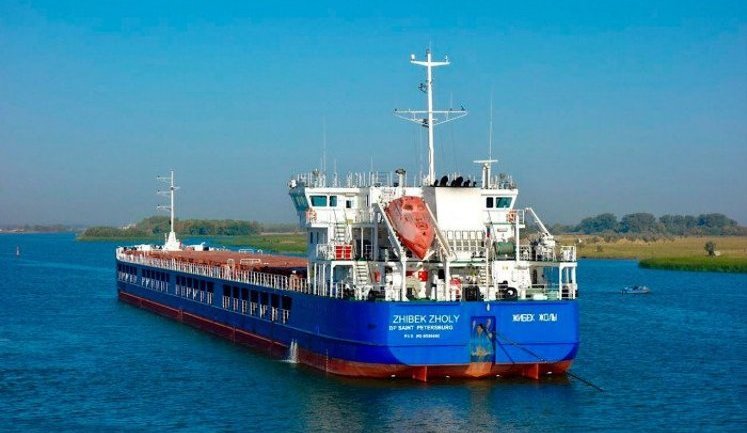
Amid intensifying tensions, Russia is planning to escalate its military activities in the Azov Sea region by equipping civilian grain trucks with machine guns and rocket launchers. This decision comes as a response to ongoing Ukrainian drone attacks, highlighting the growing militarization and blockade situation in the Azov Sea. The Russian authorities are engaging with shipowners and grain traders to implement these security measures, aiming to safeguard operations from perceived threats. This move is part of a broader strategy to secure Russian interests and assets in the contested waters, fuelling further volatility in the region. Such actions could lead to increased international scrutiny and potentially provoke further geopolitical consequences.
What is the current situation in the Azov Sea regarding the blockade?
The Azov Sea is witnessing heightened tensions as Russia plans to arm grain ships with weapons for protection against Ukrainian drone attacks. This has escalated the militarization within the region, contributing to a complex blockade scenario that involves territorial disputes and control over navigational rights. As of now, the situation remains volatile with potential international repercussions.
Why is Russia arming civilian grain trucks in the Azov Sea?
Russia's decision to arm civilian grain trucks in the Azov Sea stems from the need to protect these vessels from Ukrainian drone attacks, which pose risks to the security of Russian commercial interests. The move reflects a strategy to safeguard economic operations amid ongoing regional tensions and demonstrates the militarization of the contested waters.
What are the implications of Russia's actions in the Azov Sea blockade?
Russia's actions in the Azov Sea, including arming civilian vessels, have significant implications, leading to increased military presence and potential escalation of conflicts. This move may result in heightened international scrutiny and pressure, with possible economic sanctions or diplomatic protests from affected countries and international bodies.
How have international bodies reacted to the Azov Sea blockade?
International bodies, particularly European nations and allied countries, have expressed concerns over the escalating situation in the Azov Sea. Actions such as militarization and blockades may provoke diplomatic discussions, sanctions, and calls for peaceful resolutions to ensure navigational rights and the safety of commercial interests in the region.
What could be the possible outcomes of the current Azov Sea tensions?
The ongoing tensions in the Azov Sea could result in various outcomes, including increased military conflicts, economic sanctions against Russia, or diplomatic interventions aimed at de-escalation. Furthermore, continued international pressure might force negotiations for peaceful resolutions and the re-establishment of maritime security and trade in the area.