



Russia wants to equip grain trucks with machine guns and rocket launchers in response to Ukrainian drone attacks, - Bloomberg
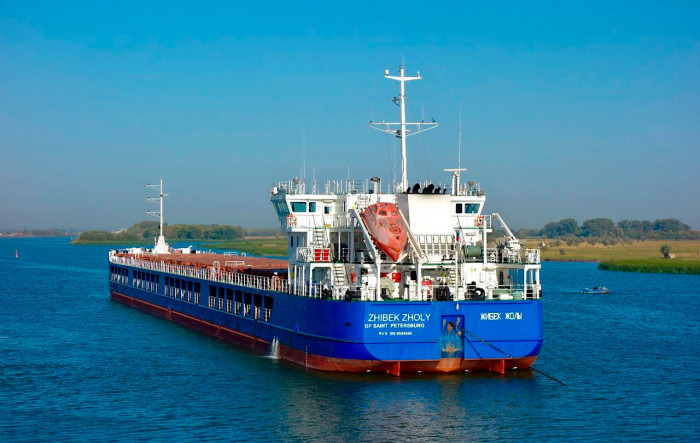
The Russian authorities are discussing a plan with shipowners and grain traders to arm civilian grain vessels to protect them from Ukrainian drones. It is proposed that dry cargo ships be fitted with machine guns, mobile missile launchers, armour plating and anti-drone nets, and that they be escorted by military patrol boats.
According to Censor.NET, Bloomberg reports this, citing people familiar with the situation.
According to the publication, the Russian military and transport authorities are already coordinating with traders and shipowners on a plan to protect cargo passing through the Sea of Azov.
This was due to the recent attacks on ports, ships and other maritime infrastructure. As a result, shipping in the Sea of Azov – through which around a quarter of Russia’s grain exports usually pass – has virtually ground to a halt over the past two weeks.
What do they recommend?
Moscow’s recommendations include:
- temporarily to ballast dry cargo ships with armour plates and sandbags,
- to put up anti-drone nets and
- to install mounting points for heavy machine guns fitted with thermal imaging sights.
- Soldiers armed with assault rifles are to escort the vessel for part of its journey; they will disembark once it has passed through the Kerch Strait, taking their weapons with them — so as not to formally breach the prohibition under international law on arming civilian vessels.
Kremlin spokesperson Dmitry Peskov stated on Monday that the Russian navy is capable of protecting the country’s merchant vessels, echoing Putin’s remarks on Sunday that attacks on commercial ships should be equated with piracy. At the same time, Peskov acknowledged the ban on arming civilian vessels, but avoided making a direct comment on the proposal for a military escort.
Sources speaking to the agency point out that such measures highlight the serious threat that Ukrainian drones pose to Russian grain exports. This is already affecting the incomes of exporters and farmers, and has also contributed to a rise in global wheat prices to their highest level in two years.
Even Russia’s own deep-water Black Sea ports have been affected — cargo volumes through them have also fallen, although the facilities remain operational; the Kremlin is attempting to divert some of the cargo by rail, offering traders special subsidies for transport.
At the same time, some market participants are sceptical about the proposed measures. In their view, modernising vessels and providing military escorts may prove too costly and will not guarantee full protection.


