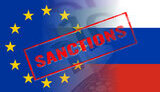
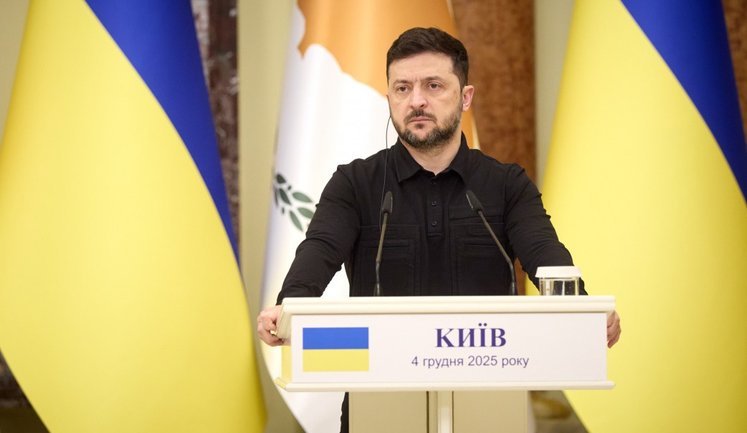
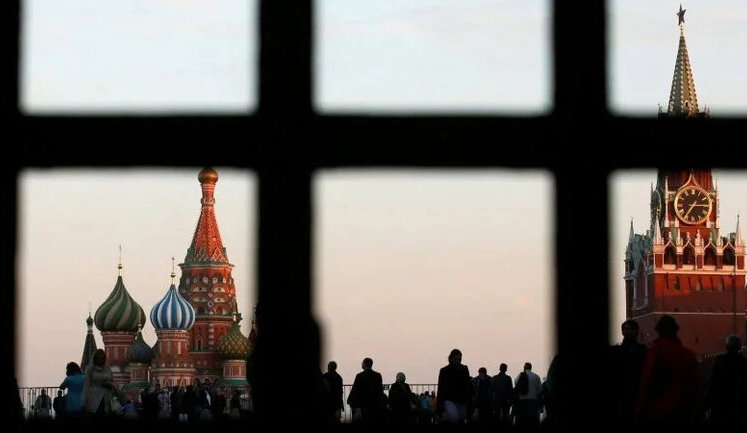
The European Union continues to intensify its sanctions against Russia, planning to target more than 1,600 Russian companies believed to be supporting the war in Ukraine. This move aligns with ongoing efforts to apply economic pressure, a strategy publicly backed by Ukrainian President Volodymyr Zelenskyy. The EU's 19th sanctions package has already been adopted, and these measures specifically aim to cut off critical sectors like energy, including banning imports of Russian liquefied natural gas. European Commission President Ursula von der Leyen indicated that these sanctions are designed to further isolate Russia economically and disrupt its financial support mechanisms for military operations. Discussions also include potential secondary sanctions on countries facilitating Russia's evasion of existing restrictions, highlighting the EU's commitment to a comprehensive sanctions strategy to erode Russia's war capabilities.
What are the latest EU sanctions against Russia in 2026?
The European Union is imposing a new set of sanctions targeting over 1,600 Russian companies that play a role in supporting Russia's military efforts in Ukraine. This marks the 19th package of economic restrictions, with a significant focus on the energy sector, including a ban on liquefied natural gas imports from Russia. These measures aim to further diminish Russia's economic power and its ability to sustain the war.
How does the EU plan to impact Russia's energy sector with sanctions?
As part of its 19th sanctions package, the EU intends to put pressure on Russia's energy sector by banning imports of Russian liquefied natural gas. This move is aimed at cutting off significant revenue streams for the Russian government, limiting its ability to finance the ongoing military conflict in Ukraine. The EU is determined to reduce its dependency on Russian energy and support global efforts to transition towards alternative energy sources.
Why is the European Union tightening sanctions on Russia now?
The European Union is tightening sanctions on Russia as a response to the ongoing conflict with Ukraine, aiming to weaken Russia's war-waging capabilities. By targeting key economic sectors and companies, the EU seeks to disrupt Russia's financial support for military operations. Recent escalations in hostilities have prompted the EU to reinforce its sanctions regime, emphasizing the importance of maintaining pressure on Russia to seek a diplomatic resolution to the conflict.
What role does President Zelenskyy play in the EU's sanctions strategy?
Ukrainian President Volodymyr Zelenskyy has been a vocal advocate for stronger EU sanctions against Russia. His statements emphasize the urgent need for comprehensive sanctions that effectively target Russian economic interests, putting pressure on the EU to adopt stricter measures. By collaborating closely with EU leaders, Zelenskyy ensures that Ukrainian interests and concerns are prioritized within the international community's response to Russian aggression.
What is the significance of the EU considering secondary sanctions?
The consideration of secondary sanctions by the European Union signifies a strategic approach to target not only Russian entities but also international actors aiding in sanction circumvention. By potentially imposing penalties on countries and companies that assist Russia in bypassing existing sanctions, the EU aims to reinforce the effectiveness of its measures. This approach underscores the EU's commitment to a comprehensive sanctions regime, aiming to close loopholes that may be exploited by Russia and its allies.
How might new EU sanctions affect Russia's economy?
The new EU sanctions are likely to put significant strain on Russia's economy, especially by targeting critical sectors like energy, which is a major source of revenue for the country. By implementing measures such as banning imports of Russian liquefied natural gas, the EU intends to shrink Russia's financial capabilities to sustain its military operations. These sanctions could lead to broader economic implications, potentially affecting Russia's ability to engage in international trade and finance.