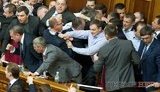
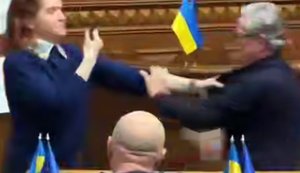
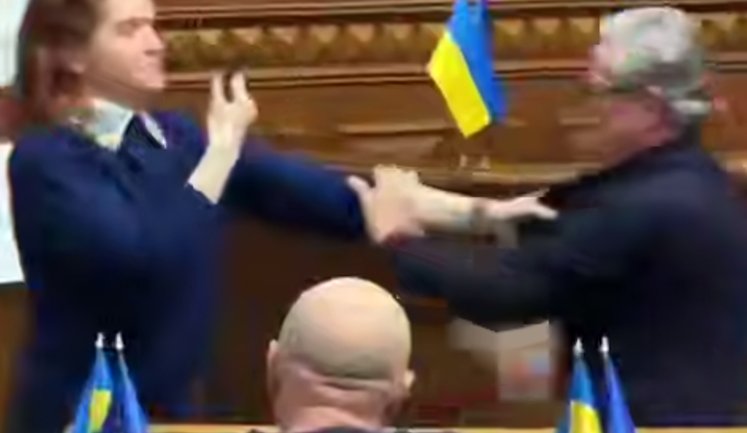
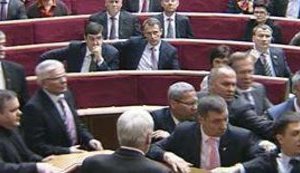
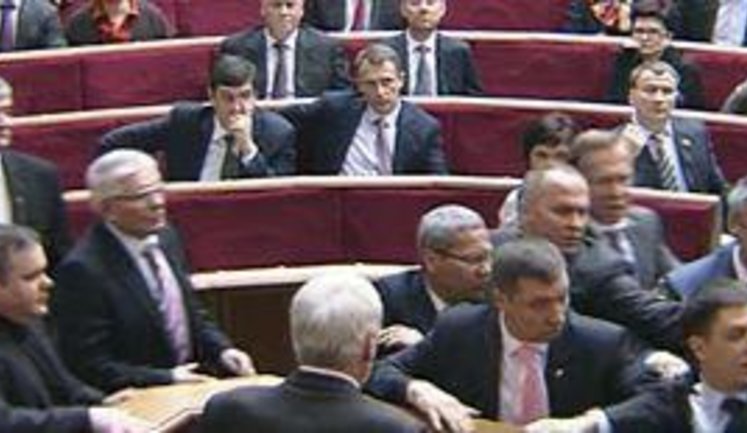
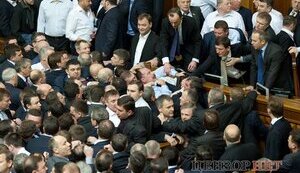
Rada fights in Ukraine's Verkhovna Rada have escalated, with recent clashes marking an intense period of parliamentary tension. The session saw MPs Mariana Bezuhla and Serhii Taruta engage in a heated argument, leading to the rostrum being blocked. This is not an isolated incident, as past reports denote similar occurrences with MPs engaging in physical altercations over various debates, including one concerning the Black Sea Fleet agreement. Such tactics have raised concerns about the need for physical prowess, as some parliamentarians suggest gym routines and kickboxing as assets for political survival. The ongoing disputes reveal the deep-rooted conflicts within Ukrainian politics, underscoring the need for dialogue and reform to prevent further clashes.
What sparked the recent fight in the Verkhovna Rada?
The recent fight in the Verkhovna Rada was sparked by a session where MPs Mariana Bezuhla and Serhii Taruta clashed, leading to the blocking of the rostrum. This reflects ongoing tensions in the Ukrainian parliament.
How frequent are fights in the Ukrainian parliament?
Fights in the Ukrainian parliament, or Rada fights, are fairly frequent. Multiple reports highlight past incidents where MPs engaged in physical altercations during heated political debates, signaling ongoing tensions.
Why do MPs in Ukraine's Rada resort to physical fights?
MPs in Ukraine's Rada resort to physical fights due to deep political divides and disagreements on key issues. The intensity of these conflicts often translates into physical altercations during parliamentary sessions.
What are examples of past fights in the Verkhovna Rada?
Past fights in the Verkhovna Rada include clashes during debates on the Black Sea Fleet agreement and language policies. These incidents often involve MPs from opposing factions resorting to physical means to express dissent.
Has there been any effort to address violence in the Rada?
Efforts to address violence in the Rada have been minimal, as political tensions continue to spill over into physical altercations. Calls for reforms and improved dialogue are voiced, yet the path to resolution remains challenging.