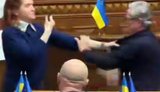
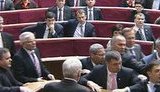
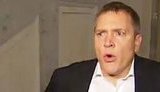
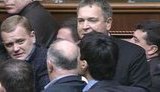
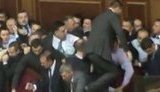
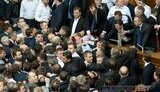
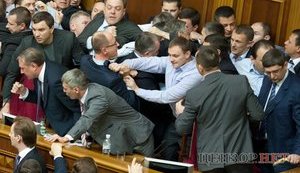
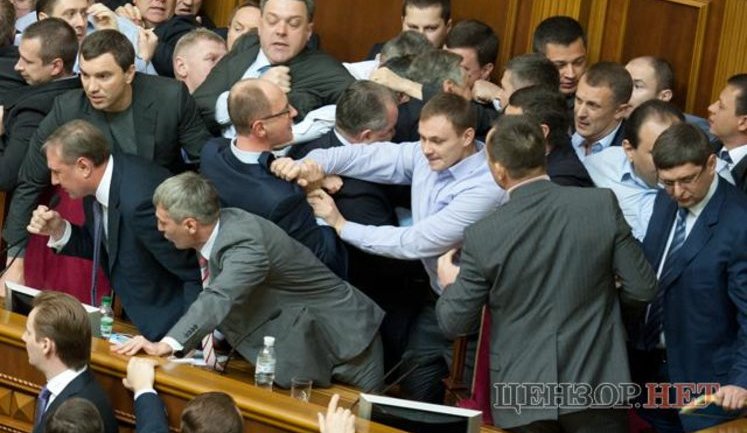
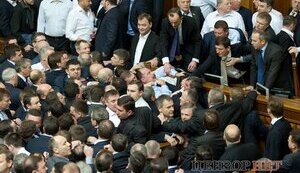
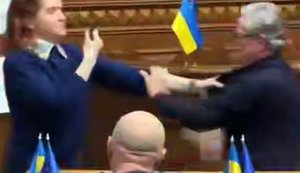
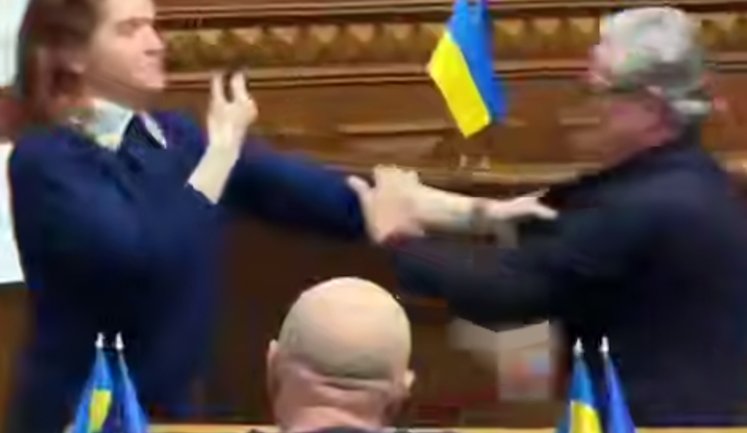
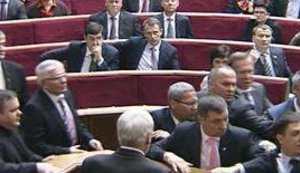
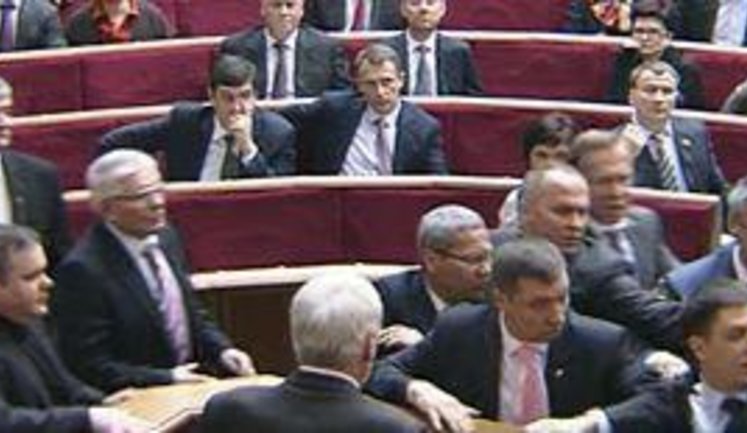
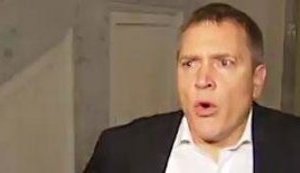
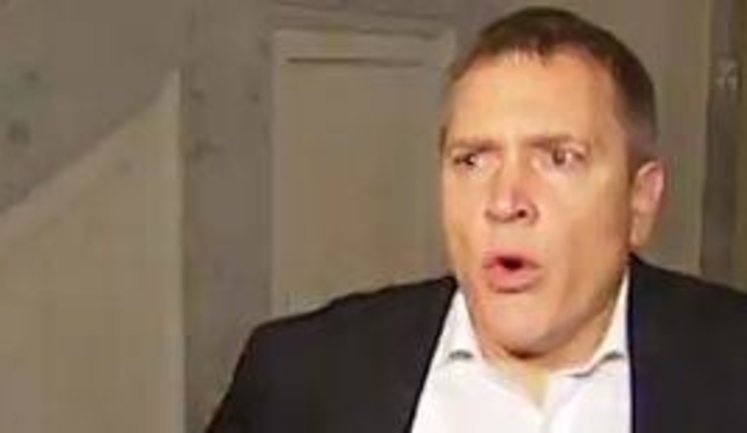
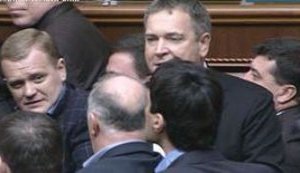
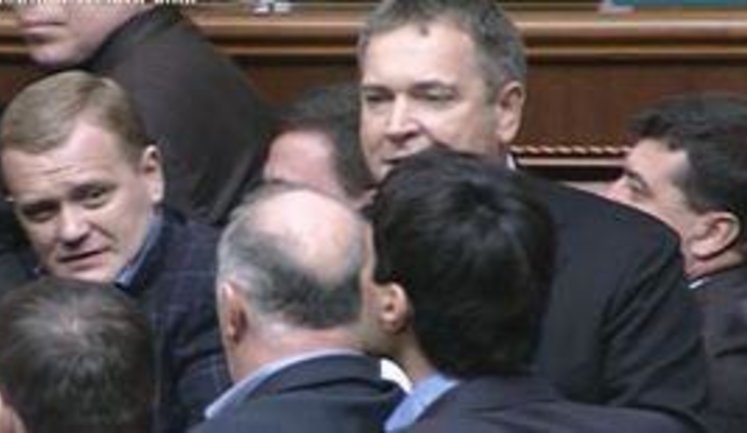
In recent times, the Verkhovna Rada, Ukraine's parliament, has become a battleground for heated disputes and physical altercations. Prominent figures like Speaker Rybak have stated readiness to use force to unlock Rada's sessions. Incidents include opposition deputy Kyrylenko being pushed during a debate on the Black Sea Fleet agreement. Arseniy Yatsenyuk lamented the physical requirements for deputies as a sign of degrading politics. Meanwhile, regional deputies Onishchenko and Kolesnichenko were involved in violent exchanges. Kolesnichenko's use of Russian further fueled opposition rage. As tensions soar, personal voting issues have also sparked conflicts, highlighting a brewing crisis in parliamentary conduct.
What are the main reasons for fights in the Verkhovna Rada?
Fights in the Verkhovna Rada arise from deep-seated political tensions between pro-government and opposition parties. Disagreements on significant national issues like the Black Sea Fleet and language policy have led to heated debates transforming into physical confrontations. Lapses in parliamentary procedures like unauthorized voting practices also contribute to the unrest.
Who is Kolesnichenko and what role does he play in the Rada fights?
Kolesnichenko is a deputy from the Party of Regions who has been involved in various confrontations during Rada sessions. His provocative actions, including speaking Russian during debates, have angered opposition deputies, fuelling physical confrontations. His role has been significant in escalating tensions within the parliament.
What incidents occurred during debates on the Black Sea Fleet agreement?
During the debates on the Black Sea Fleet agreement, tensions flared between the regional and opposition deputies. Kyrylenko, an opposition member, was reportedly pushed, leading to a broader confrontation. The situation reflects the volatile nature of disputes within the Rada over crucial national policies.
How are Rada deputies coping with the violent atmosphere?
Deputies are adapting to the intense environment by honing physical fitness, as noted by Arseniy Yatsenyuk. The focus on physical prowess and skills like kickboxing has become necessary for navigating the combative atmosphere in the Rada, overshadowing parliamentary debates with a display of physical strength.
Why is language policy a contentious issue during Rada sessions?
Language policy is a divisive topic in Ukraine, reflecting broader cultural and political divides. Instances where deputies, like Kolesnichenko, opt to speak in Russian, exacerbate tensions by antagonizing opposition members who view such actions as undermining national identity. This contributes to conflicts and heightens Rada disputes.
Are there any solutions proposed to mitigate the Rada conflicts?
While solutions are being explored, the ongoing conflicts have kept many initiatives ineffective. Emphasis is placed on reestablishing proper procedure and conduct within parliamentary operations. Additionally, fostering dialogue between opposing factions is vital to reducing hostility and regaining focus on legislative responsibilities.
How does the international community view the Rada conflicts?
The international community views the Rada conflicts with concern, as they reflect the internal instability of Ukrainian politics. Such disputes compromise Ukraine’s diplomatic relations and raise questions about governance efficiency and parliamentary integrity. There is a general encouragement for peaceful resolutions and dialogue.