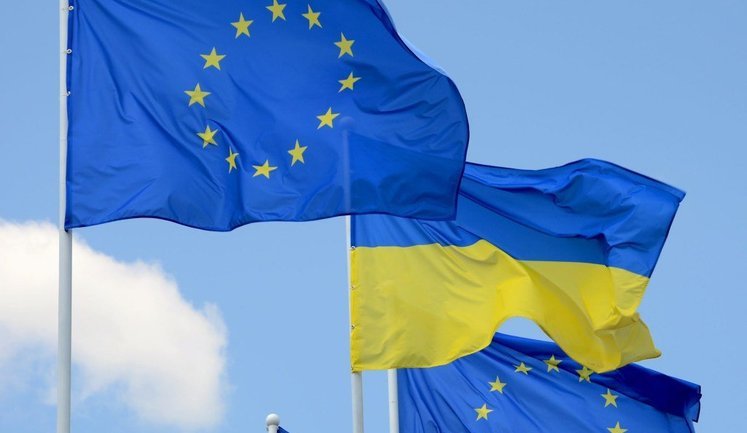
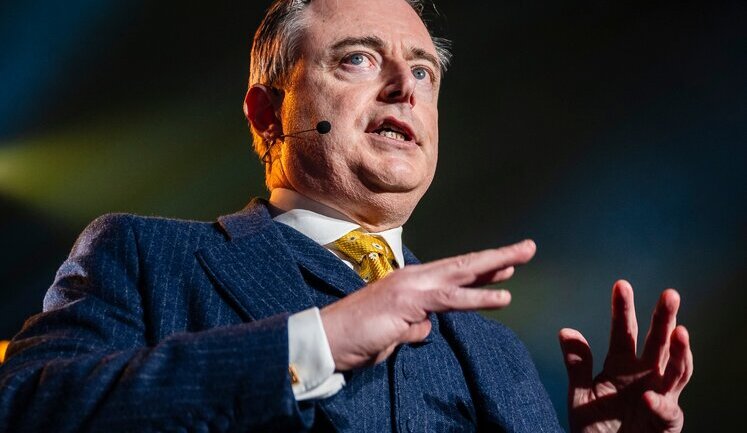
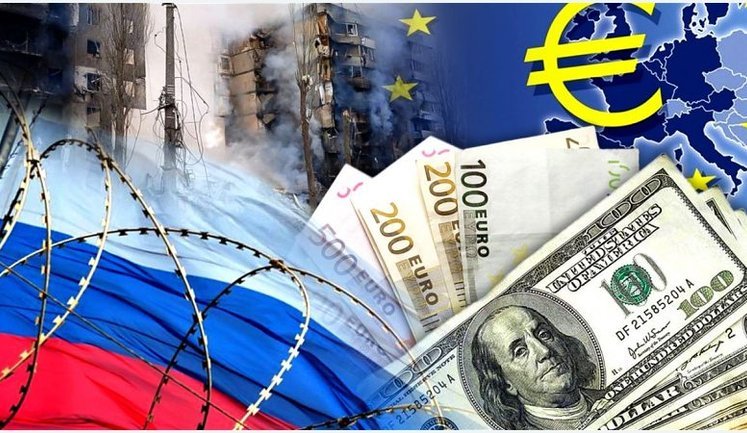
The transfer of frozen Russian assets to Ukraine has become a pivotal issue on the international stage in 2025. As Europe grapples with the legal and economic ramifications, various countries are voicing their positions. French President Macron supports the use of these assets in the form of a reparations loan to bolster Ukraine's defense capabilities. Meanwhile, Putin condemns the EU's actions, deeming them a form of robbery. The US shows reluctance to endorse the G7 plan. Conversely, the UK, under leadership aligned with the EU, is proactive in facilitating financial aid through these assets. Germany's Merz attests to actively seeking support for a €140 billion loan. The European Commission reassures that the legal framework is robust enough to withstand challenges. However, unanimity within the EU is lacking, with Belgium raising legal concerns over asset usage. As the global community watches closely, the transfer of these assets is not only a financial lifeline for Ukraine but also a significant geopolitical maneuver.
What are the implications of transferring frozen Russian assets to Ukraine?
The transfer of frozen Russian assets to Ukraine is aimed at supporting its economic stability and defense needs amidst ongoing tensions. However, this move is controversial as it involves complex legal, financial, and diplomatic issues. Countries like Belgium and the US have exhibited reservations, while the European Union is working on establishing a solid legislative basis. For Ukraine, these funds are seen as critical to resistance efforts and rebuilding initiatives, making the international community's support vital.
Why is there opposition to using frozen Russian assets for Ukraine?
Opposition arises primarily due to legal and political concerns. Some countries, like Belgium, are worried about the legal implications and risks associated with reallocating foreign assets. Additionally, Russia views such actions as illegal confiscation, branding them as "robbery," and threatens severe consequences. Meanwhile, the US is cautious about committing to multilateral initiatives without consensus. These factors complicate efforts and contribute to the global debate surrounding asset transfer to Ukraine.
How does the European Union plan to implement asset transfer to Ukraine?
The European Union has proposed a legislative framework to channel the proceeds from frozen Russian assets into financial aid for Ukraine. This involves introducing a "reparations loan" worth billions of euros, aimed at supporting Ukraine's economic and defense needs over the coming years. The European Commission has emphasized the legal robustness of this proposal, expecting it to withstand potential court challenges while seeking cooperative consensus within EU member states.
What is the stance of the United States on the asset transfer to Ukraine?
Currently, the United States has expressed reluctance to join the European-led initiative to utilize frozen Russian assets for assisting Ukraine. Although there is some political pressure from within, notably from Republican senators urging action, the administration has refrained from committing to these plans without broader international agreement and considerations of legal complexities. This reflects the heterogeneous viewpoints within the US regarding international financial policies and engagement strategies.
In what ways are frozen Russian assets beneficial to Ukraine?
For Ukraine, the use of frozen Russian assets is seen as a critical source of funding to ensure its economic stability and defense readiness. These assets provide the financial means needed for reconstruction, maintaining defense capabilities, and supporting governance amidst the challenges posed by ongoing aggression from Russia. In essence, these funds serve as both a strategic and symbolic support mechanism, enhancing Ukraine's resilience and international solidarity in the face of adversity.
What are the legal challenges in transferring frozen Russian assets to Ukraine?
Legal challenges primarily involve ensuring alignment with international law, addressing sovereignty issues, and managing the legal aftermath of reallocating state-owned assets. Concerns about the precedent this sets for global asset management and respecting existing treaties further complicate the dynamics. European leaders are working on a cohesive legal strategy to mitigate litigation risks from Russia and other dissenting states, ensuring lawful procedures while advocating for affected regions like Ukraine.
What role does the "reparations loan" play in Ukraine's recovery strategy?
The "reparations loan," backed by frozen Russian assets, is crucial in providing sustained financial aid to Ukraine. These funds target reconstruction, stabilizing its economy, and fulfilling military requirements essential for prolonged resistance and development. The initiative represents a multi-year strategy aimed at equipping Ukraine with necessary resources, enhancing its defense mechanisms, and fostering political stability, illustrating enduring international commitment to its sovereignty and recovery goals.
How are European leaders addressing the division on asset transfer to Ukraine?
European leaders are actively engaging in diplomatic and legal dialogues to bridge divisions over the asset transfer scheme. High-profile interventions, like Chancellor Merz’s diplomatic efforts and collective bargaining within the EU Council, focus on achieving consensus. They aim to align national interests with the broader EU strategy, managing dissent from states like Belgium, while promoting shared decision-making to overcome governance hurdles associated with the asset relocation to Ukraine.
What financial assistance has Ukraine received from frozen Russian assets so far?
Ukraine has benefited from financial assistance totaling several billion euros derived from frozen Russian assets through various European mechanisms and bilateral contributions. In recent initiatives, Ukraine received installments aimed at facilitating immediate economic relief and longer-term financial support. This fiscal strategy, led by European financial institutions, underscores a commitment to maintaining Ukraine's economic infrastructure and defense capacity amid the ongoing geopolitical crisis.
What risks are associated with using frozen assets to finance aid to Ukraine?
The use of frozen Russian assets presents risks including legal liabilities, potential retaliation from Russia, and geopolitical tension among international actors. Legal complexities revolve around ownership rights and international law precedents. Countries advocating for asset utilization must navigate these legal waters carefully while balancing diplomatic relations and ensuring that their motivations—supporting Ukraine—are universally perceived as legitimate and justified within global community frameworks.