



Kallas on reparations loan to Ukraine: We will find solution despite threats from Russia
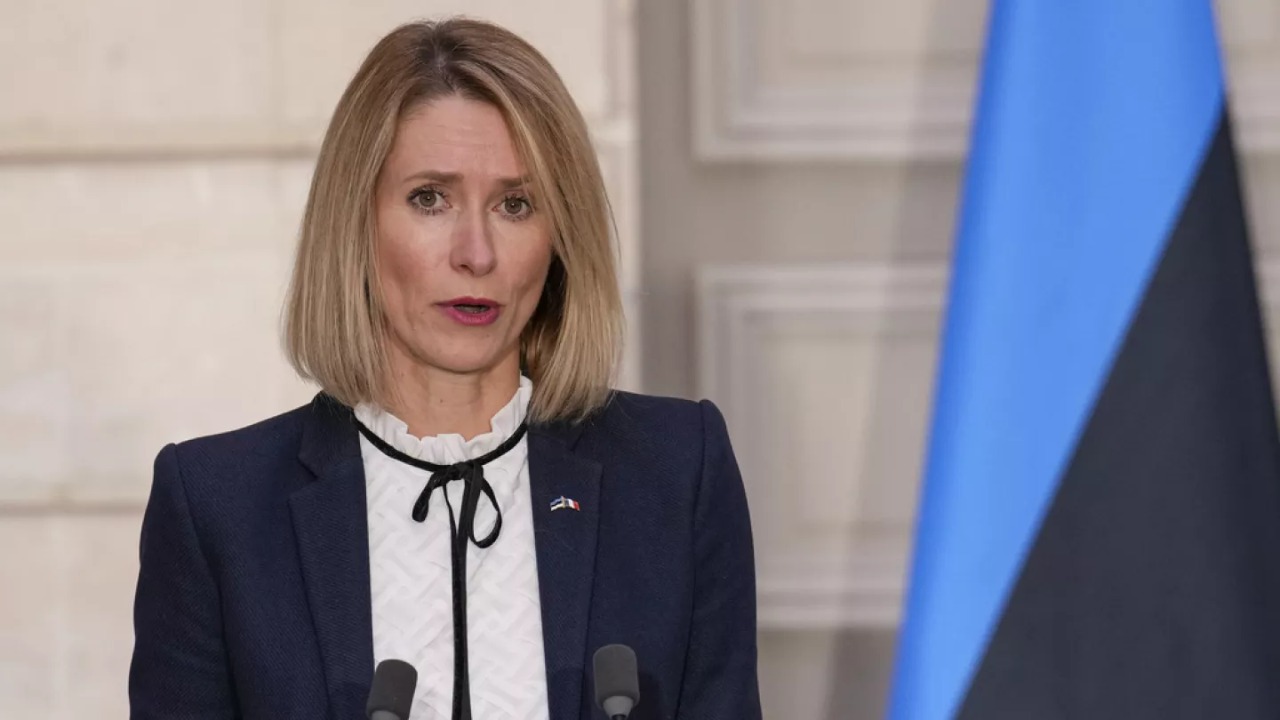
Under current conditions, a reparations loan is considered the most appropriate instrument for financing Ukraine's needs in 2026–2027, while Russia's statements are merely rhetorical threats.
This was stated by the EU High Representative for Foreign Affairs and Security Policy Kaja Kallas before the start of the EU Foreign Affairs Council meeting in Brussels, according to Censor.NET, citing Ukrinform.
Regarding financing Ukraine
European Council President Costa said that no one will leave the summit until there is a result, until we get a decision on financing for Ukraine," Kallas said, adding that the most reliable option is a reparations loan, "and that is what we are working on."
"We haven't reached our goal yet, and things are getting more and more difficult, but we're continuing to work, we still have a few days left," Kallas said.
She acknowledged pressure from various interested parties, while stressing that "other options do not really work."
"We have tried this before, two years ago, when I proposed EU bonds, and it did not work because unanimous support is required. We can adopt a reparations loan by a qualified majority. This means that it does not come from our taxpayers' money, which is also important, and it also sends a clear signal that if someone causes damage to another country, they must pay reparations," Kallas said.
She noted that in a qualified majority format, Belgium's vote is still important: "They hold the majority of assets, and I think it is important that Belgium is with us."
Regarding threats from the Russian Federation
Commenting on Russia's threats to EU member states regarding the reparations loan, Kallas noted: "Some European countries are more accustomed to threats from Russia than others, and I want to tell you that these are just threats. We have seen this before. If we remain united, we are much stronger."
What is known about the "reparations loan" for Ukraine
- As a reminder at a meeting in October, EU leaders postponed a decision on the use of frozen Russian assets as collateral for a so-called "reparations loan" to Ukraine in the amount of €140 billion ($163 billion). EU leaders plan to return to discussing this issue at a meeting on 18-19 December.
- Belgium, where the lion's share of these funds is held, opposed the European Commission's proposed plan to use frozen Russian assets at the meeting of EU leaders. The country fears legal and financial sanctions from Moscow and wants other EU countries to share these risks.
- Earlier, European Commission President Ursula von der Leyen proposed using frozen Russian assets as collateral for providing Ukraine with "reparation loans". Formally, Russian assets subject to sanctions will not be confiscated, but Ukraine will repay such loans only after Russia pays reparations.
- In response, Russian dictator Putin signed a decree that effectively allows for the accelerated expropriation of assets belonging to Western companies that have not yet left Russia.
- According to various estimates, the European Union's "reparation loan" to Ukraine, secured by Russian assets, could amount to €130-140 billion. Its final size will be determined after the International Monetary Fund assesses Ukraine's financing needs in 2026 and 2027.
- In total, Euroclear has accumulated more than €175 billion in cash from frozen Russian assets, which could be used to secure a new loan. But before the EU agrees to grant a reparations loan, it will want to repay the G7 loan to Ukraine of €45 billion ($50 billion) agreed last year, which was to be repaid from the proceeds of frozen Russian assets.


