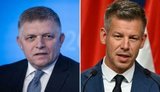
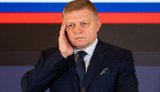
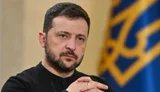
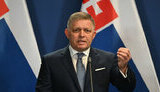
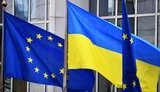
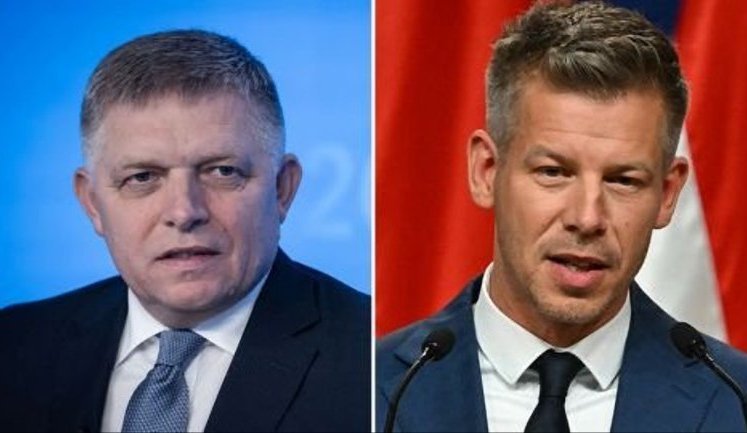
The ongoing struggle to secure a €90 billion EU loan for Ukraine highlights significant geopolitical dynamics within Europe. Slovakia and Hungary's potential blockages reflect political intricacies affecting loan approvals. Meanwhile, discussions continue on utilizing frozen Russian assets for reparations, signaling evolving strategies to aid Ukraine amidst financial and military pressures. Leaders like Macron emphasize commitment to unblock EU funding, recognizing Ukraine's critical need for support in 2026. Additionally, efforts to integrate Ukraine into the EU gain momentum following electoral changes in Hungary. These developments underscore the complex interplay of politics, finance, and geopolitics within the EU concerning Ukraine's future.
What is the significance of the €90 billion EU loan for Ukraine?
The €90 billion EU loan is crucial for Ukraine to address its financial needs in the face of ongoing military conflict and economic challenges. It helps stabilize Ukraine's economy, supports reconstruction efforts, and demonstrates solidarity from European partners. The realization of this loan is pivotal, as it influences Ukraine's economic resilience against external threats and its progress toward European integration.
Why are Slovakia and Hungary blocking the EU loan to Ukraine?
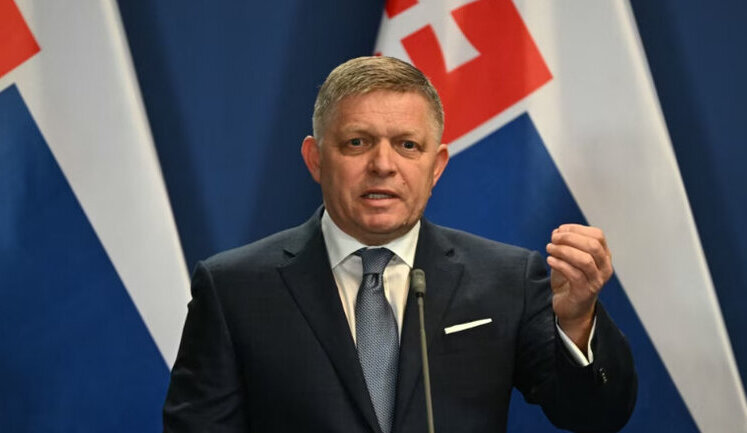
Slovakia and Hungary are blocking the EU loan to Ukraine primarily due to internal political considerations and geopolitical strategies. Hungary's blockage is linked to demands concerning the Druzhba pipeline's operation, while Slovakia's stance often aligns with nationalist interests and ties within the Visegrád Group. These actions reflect broader issues of regional power dynamics and energy dependencies within Europe.
How are frozen Russian assets linked to Ukraine's reparations loan?
The concept of using frozen Russian assets for Ukraine's reparations loan is being explored by European leaders. This approach involves leveraging billions of assets frozen by the EU as a resource to financially support Ukraine's recovery. The strategy highlights an innovative approach to impose economic consequences on Russia while providing necessary funds for Ukraine's reconstruction and defense efforts.
What role does the EU play in supporting Ukraine amidst its current challenges?
The EU plays a pivotal role in Ukraine's support through financial aid, diplomatic backing, and potential integration into the EU. European leaders, such as Macron, actively engage in efforts to unblock critical loans, offering both economic relief and political assurance. The EU's stance and actions significantly influence Ukraine's stability, showcasing a commitment to European unity and resilience in the face of ongoing geopolitical threats.
How have recent elections in Hungary influenced Ukraine's EU accession prospects?
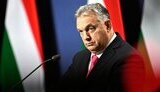
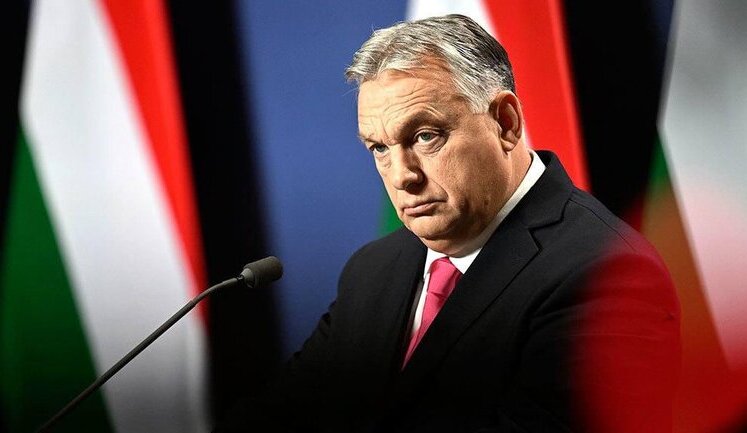
The defeat of Viktor Orbán in Hungary's elections marks a potential shift in Eastern European politics, providing new impetus for Ukraine's EU accession. The electoral change reduces roadblocks previously posed by Orbán's administration, which often opposed EU consensus favoring Ukraine's expansion efforts. As Hungary's political landscape transforms, opportunities for Ukraine's closer alignment with the EU increase, emphasizing evolving political dynamics in the region.
Why is there a focus on unblocking the €90 billion loan for Ukraine?
Unblocking the €90 billion loan is vital for Ukraine's immediate financial stability and long-term economic strategy amid ongoing conflict and reconstruction needs. The European Union identifies this aid as essential to sustain Ukraine's economic framework, reflecting a commitment to support a nation pivotal geographically and politically. Efforts to unblock these funds are necessary to demonstrate EU resolve and offer immediate material assistance to Ukraine.