



Rada explained how state will control fuel prices
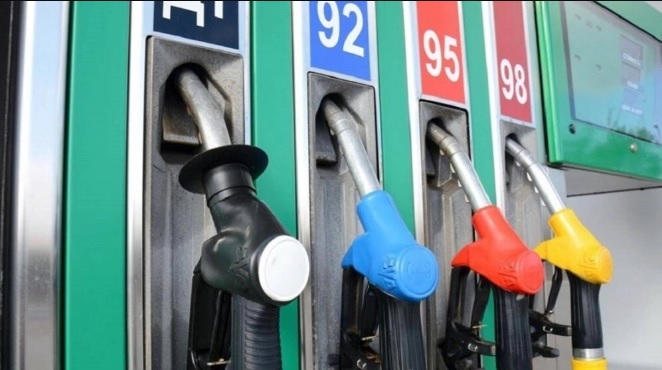
The Verkhovna Rada has adopted a law on the creation of a strategic fuel reserve, which will serve as an additional stabilising factor in the energy market. The process of forming reserves is currently underway.
This was reported by the press service of the Verkhovna Rada of Ukraine.
In recent days, fuel prices have been rising. The main factors include fluctuations in global oil prices, geopolitical risks, and currency volatility. As Ukraine largely imports petroleum products, external markets quickly affect domestic prices.
The Verkhovna Rada Committee on Energy and Housing and Utilities says that despite rising retail prices, there is currently no fuel shortage in Ukraine.
What energy security mechanism will start operating soon?
The Verkhovna Rada adopted the Law of Ukraine "On Minimum Stocks of Crude Oil and Petroleum Products", a systemic solution for creating a strategic fuel reserve.
The law provides for:
- the creation of minimum stocks of crude oil and petroleum products in Ukraine (up to 25% may be stored in EU countries);
- an obligation for importers and producers to form and maintain these stocks;
- the use of the reserve exclusively in crisis situations rather than for commercial activities.
The law will enter into force gradually. The full formation of reserves requires time to create infrastructure and accumulate resources. In other words, the mechanism has already been launched at the regulatory level, but the physical filling of reserves will take place gradually.
Are strategic reserves already being used?
The strategic reserve mechanism is not yet being used for market interventions, as the stage of forming the reserves is still underway. The current price situation is not related to the use of reserves. After the formation is completed, the reserve will become an additional stabilizing factor in the energy market.
What instruments are currently in place?
Until the minimum reserve system is fully launched, the state is using the following mechanisms:
-
continuous monitoring of prices, margins, and supply volumes;
-
coordination with major traders regarding the stability of imports and logistics;
-
oversight of compliance with competition law and prevention of collusion;
-
diversification of supply sources through European routes.
As reported, prices for gasoline and diesel fuel at the largest fuel station chains have risen by an average of 5 UAH per liter since last Saturday. At the same time, due to high demand, some fuel station chains have suspended fuel prepayment services or significantly limited fuel purchases through mobile applications. Over the past weekend and on Monday, gasoline and diesel prices at most major fuel station chains increased by 1 UAH per liter.


