ENG




7413 visitors online
The dynamics of the petrol market are shaping up amidst geopolitical challenges, with significant impacts on fuel prices and availability. As Ukraine spearheads efforts to establish fair and speculation-free fuel pricing mechanisms, Prime Minister Yuliia Svyrydenko underscores the role of Ukrnafta as a benchmark. Concurrently, Italy's government, led by Prime Minister Giorgia Meloni, is considering a "mobile" fuel tax to counteract price fluctuations triggered by Middle Eastern conflicts. Legislative actions, such as Ukraine's creation of a strategic fuel reserve, are crucial in maintaining market stability. These developments are complemented by reports of petrol shortages and the effects of strategic strikes on supply lines, further shaping the petrol market landscape globally.
How is Ukraine addressing petrol price fluctuations?
Ukraine is addressing petrol price fluctuations through strategic measures such as setting up a strategic fuel reserve. This initiative, backed by legislation, aims to stabilize the energy market by providing a buffer against market volatility and speculative actions, thereby ensuring a more predictable pricing environment.
What are the effects of the Middle East conflict on fuel prices?
The conflict in the Middle East has led to disruptions in oil supply chains, causing significant volatility in global fuel prices. Countries like Italy are considering special measures like a "mobile" tax to manage and curb rising costs, reflecting the widespread impact of the conflict on the petrol market.
What role does Ukrnafta play in Ukraine's petrol market?
Ukrnafta serves as a prominent benchmark for forming fuel prices in Ukraine. By establishing fair and transparent pricing mechanisms, Ukrnafta helps to mitigate speculative pricing practices, contributing to a stable and predictable market environment that aligns with national economic goals.
How are geopolitical tensions affecting petrol availability?
Geopolitical tensions, particularly conflicts and sanctions, have strained petrol availability by disrupting supply chains and logistics. Reports of shortages and strategic strikes further complicate the situation, necessitating robust market interventions and strategic reserves to manage potential crises.
What impact do strategic fuel reserves have on market stability?
Strategic fuel reserves play a critical role in market stability by acting as a buffer during supply chain disruptions. These reserves enable governments to intervene effectively in the petrol market, preventing sharp price spikes and ensuring consistent availability, which is vital for economic stability and consumer confidence.
News petrol
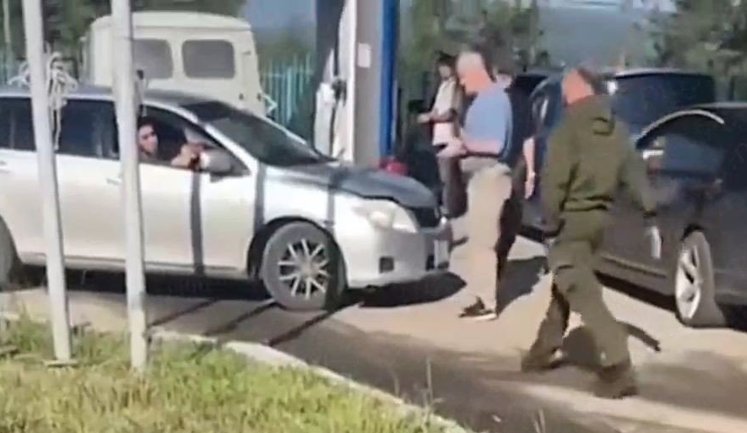
 Russian man dragged driver out of his car and started beating him whilst queuing for petrol. VIDEO A video has been posted online showing a scuffle breaking out between Russians over a queue for petrol in one of the regions of the Russian Federation. 6 288 27 Previously in trend: Fuel shortage in the Russian Federation
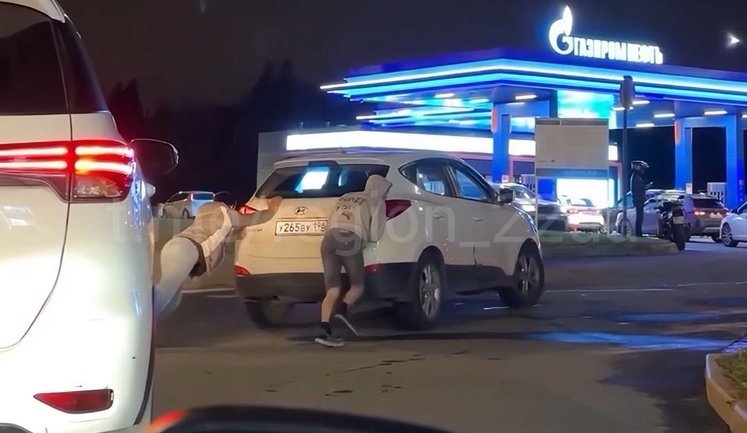
 Two Russians push car in petrol station queue, hoping to buy fuel. VIDEO A video has been published online showing Russians filming local residents pushing a car in a queue at a petrol station due to a lack of fuel. 2 898 14 Previously in trend: Fuel shortage in the Russian Federation
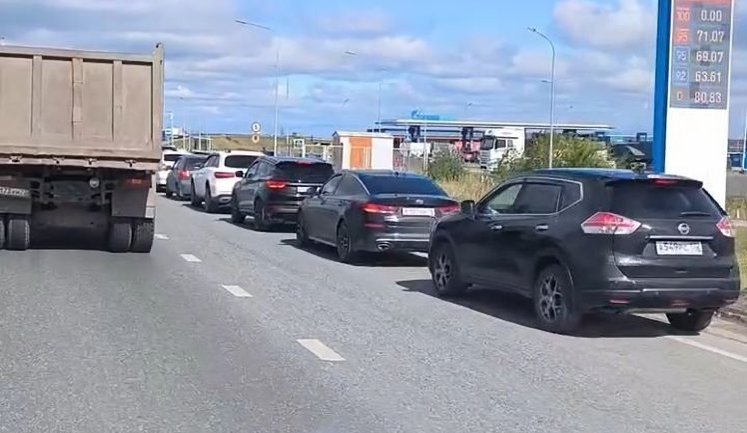
 Russian man’s reaction to kilometre-long queue for petrol in Tyumen: "They’ve gone mad; they’ve brought this country to such shambles". VIDEO A video has been posted online showing a Russian man filming a kilometre-long queue at one of the petrol stations in Tyumen on his mobile phone. 6 455 15 Previously in trend: Fuel shortage in the Russian Federation
 Queue for gasoline turned into fight: Russians traded punches at gas station. VIDEO Footage has been published online showing Russians filming a fight in a queue for gasoline at a gas station in Russia. 5 037 27 Previously in trend: Fuel shortage in the Russian Federation
 Petrol queues in Moscow in middle of night: Russians try to buy fuel at petrol station at 2 a.m. VIDEO Footage published online shows Russians filming long queues at petrol stations in Moscow at around 2 a.m. 5 282 13 Previously in trend: Fuel shortage in the Russian Federation
 Two Russians come to blows over place in queue at petrol station: "Bloody hell, look what he’s doing". VIDEO Footage has been posted online showing a Russian woman filming a brawl on her mobile phone over a place in the queue at a local petrol station. 8 681 34 Previously in trend: Fuel shortage in the Russian Federation
 Russian man smiles as he films locals’ altercation over petrol at gas station: "Drama at gas stations. People are f#cking on edge". VIDEO A video showing a Russian man filming an altercation between local residents at one of the city’s gas stations has been published online. 8 627 19 Previously in trend: Fuel shortage in the Russian Federation
 Russians brawl over place in line at gas station in Nizhny Novgorod. VIDEO A local resident of Nizhny Novgorod filmed a brawl between Russians at one of the city’s petrol stations. 6 292 26 Previously in trend: Fuel shortage in the Russian Federation
 Russia’s Energy Minister and husband of Putin’s niece, Tsivilev, on petrol shortage in Russia: "I drive on diesel… Diesel is available at all petrol stations". VIDEO Sergei Tsivilev, the Russian Federation’s Minister of Energy and husband of Putin’s niece, has commented on the situation regarding queues and petrol shortages at Russian petrol stations. 6 336 15 Previously in trend: Fuel shortage in the Russian Federation
 Fuel sales restrictions have been reintroduced at petrol stations in Moscow: Russians are fighting in queues for petrol. VIDEO A video has been posted online in which a Russian woman filmed a dispute at one of Moscow’s petrol stations. 8 123 27 Previously in trend: Fuel shortage in the Russian Federation
 Endless queue at gas station in Saransk: "This is absolute sh#tshow. Look at this queue". VIDEO A video has been posted online showing a Russian man filming an extremely long queue at a gas station in Saransk. 5 549 26 Previously in trend: Fuel shortage in the Russian Federation
 Russian man complains that he has been queuing for petrol for two days and hopes to fill up his car. VIDEO A video has been posted online showing a Russian man saying that he has been trying to fill up his car for two days now. 4 298 14 Previously in trend: Fuel shortage in the Russian Federation
 Russian man rode horse to get petrol whilst others were queuing for kilometres at petrol station. VIDEO A video has been posted online showing a Russian man riding a horse towards a petrol station in the Russian Federation, bypassing motorists queuing for a kilometre for fuel. 6 012 24 Previously in trend: Fuel shortage in the Russian Federation
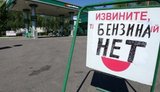 Fuel shortage in Russia: in Orenburg region, cars will be refueled depending on numbers on license plates In the Orenburg Region, gasoline will be sold on specific days, depending on the last digit of a vehicle's license plate number. 1 015 1 Previously in trend: Fuel shortage in the Russian Federation
 Russia imports gasoline from India due to Ukraine’s strikes on refineries - Bloomberg Russia has begun importing gasoline from India, as Ukrainian strikes on oil refineries have caused a severe shortage. 1 078 10 Previously in trend: Oil crisis in Russia
 Petrol sales via QR codes reintroduced in occupied Sevastopol amid fuel shortage In occupied Sevastopol, the Russian occupation authorities are once again introducing fuel sales via QR codes due to a petrol shortage. 837 8 Previously in trend: Fuel shortage in Crimea
Petrol queues reappear in at least 12 Russian regions amid fuel crisis – Russian media Queues have once again begun to form at petrol stations in Russia, while some regions are experiencing petrol shortages. Fuel supply problems have already been recorded in at least 12 constituent entities of the Russian Federation. 1 416 14 Previously in trend: Oil crisis in Russia
 New gasoline transport rules introduced in Crimea amid fuel shortage: female occupier searches for new canisters. VIDEO A video has been posted online showing a Russian woman complaining about new problems on the temporarily occupied Crimean peninsula, where additional rules for transporting gasoline have been introduced following fuel shortages and queues at filling stations. 7 791 24 Previously in trend: Attacks on Crimea Strikes on Russian logistics Fuel shortage in the Russian Federation
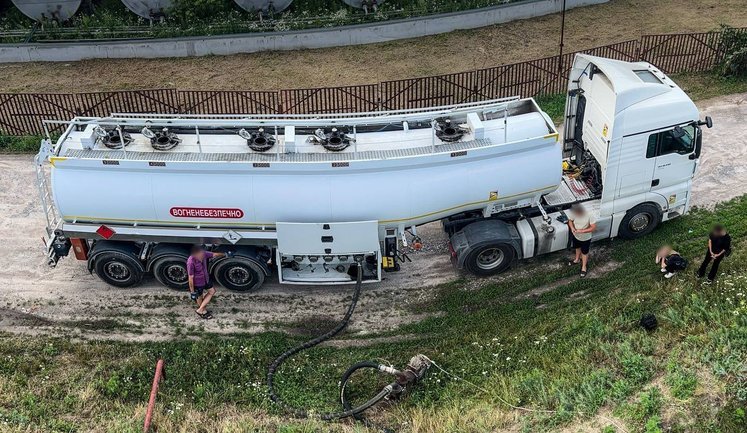
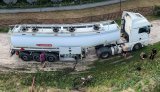 Economic Security Bureau has shut down underground petrol production operation: 233,000 litres of counterfeit petrol worth 50 million hryvnias have been seized. PHOTO The Economic Security Bureau has uncovered a group of individuals who organised the illegal production and sale of counterfeit fuel in the Kirovohrad and Dnipropetrovsk regions. During searches, law enforcement officers seized 233,000 litres of a liquid resembling petrol, with the total value of... 1 582 6 Previously in trend: produced counterfeits
 Russian man complained that he was buying petrol from "Crimean thugs": "It’s first time I’ve carried so much cash in my bag, it’s absolutely terrifying". VIDEO Footage has been published online showing a Russian man filming himself in a car amongst petrol tankers on the temporarily occupied Crimean Peninsula. 14 893 17 Previously in trend: Fuel shortage in the Russian Federation
 Female occupier beats up Russian man in petrol station queue: "What are you doing? You’ve lost your f#cking mind, for f#ck’s sake". VIDEO A video has been posted online showing Russians starting a fight while queuing at a petrol station in one of Russia’s regions. 11 476 21 Previously in trend: Fuel shortage in the Russian Federation
 In Russia, "magical" rituals to save fuel are gaining popularity due to gasoline shortage, - FIS Due to gasoline shortages and long lines at gas stations in Russia, magical rituals that supposedly help reduce fuel consumption or even "draw" fuel into the tank are gaining popularity. 3 933 41 Previously in trend: Fuel shortage in the Russian Federation
 Russian uses up last of his petrol searching for fuel, but leaves car at petrol station and goes home. VIDEO The fuel shortage in Russia continues to spread, with Russians increasingly complaining that petrol is unavailable even in Moscow. 6 891 12 Previously in trend: Fuel shortage in the Russian Federation
 In Chelyabinsk, Russia, man opened fire at petrol station because of queue for fuel, - Russian media A shooting took place at a petrol station in Chelyabinsk, Russia, over a queue for fuel. According to local media reports, one of the drivers shot a man who had told him off for trying to fill up out of turn. 2 672 20 Previously in trend: Fuel shortage in the Russian Federation
 Russian man with knife rushed to slash tyres over queue for petrol: "Man ran out, threatened me with knife and slashed my tyres". VIDEO The fuel crisis in Russia is leading to knife threats over disputes about places in the queue at petrol stations. 12 285 48 Previously in trend: Fuel shortage in the Russian Federation
 Russian woman on gasoline shortage: "We still have alternative – horses, f#ck.". VIDEO Fuel shortages in regions across the Russian Federation are prompting Russians to joke more and more often about their own ‘petrol superpower’, as filling up a car is becoming ever more difficult. 7 302 38 Previously in trend: Fuel shortage in the Russian Federation
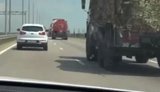 Russians are afraid to drive alongside convoy of petrol tankers: "F#ck, we’ve got close to that convoy again". VIDEO Russian petrol tanker drivers keep one hand on the steering wheel and the other on the door handle whilst driving, to be able to jump out of the cab instantly in the event of an attack by Ukrainian drones. 8 762 10 Previously in trend: Strikes on Russian logistics Fuel shortage in the Russian Federation
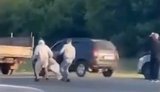 Russians brawl with rebar and bats over petrol: "Business has ground to halt, tourism is over". VIDEO The fuel crisis in Russia continues to escalate, with Russians increasingly using rebar and baseball bats to determine who gets the petrol. 12 500 50 Previously in trend: Fuel shortage in Crimea Fuel shortage in the Russian Federation
 Russian woman shows what it’s like to search for petrol in occupied Crimea: up at 4 am, six hours queuing and 290 roubles per litre. VIDEO The fuel crisis in occupied Crimea continues to escalate. Locals now have to get up before dawn to fill up their cars, and wait for petrol for almost the entire morning. 5 838 38 Previously in trend: Oil crisis in Russia
 In Russia’s Transbaikal region, queue of hundreds of cars stretching 4 kilometres has formed outside "Rosneft" petrol station. VIDEO In the Trans-Baikal Region of the Russian Federation, a queue of cars stretching for around four kilometres has been reported at one of the "Rosneft" petrol stations, against the backdrop of a fuel crisis caused by Ukraine’s strikes. 4 389 22 Previously in trend: Fuel shortage Oil crisis in Russia
 Fuel from canisters sold for 1,000 rubles per liter in occupied Yalta. VIDEO A video recorded by a driver on the territory of the temporarily occupied Crimean peninsula near Yalta has been shared on social media. The footage shows the vehicle owner, while driving along a dirt road on the approach to the city, stopping near several civilian cars where illegal retail fuel... 6 133 32 Previously in trend: Fuel shortage
 Russians get into fight over gasoline at gas station: Two men settled things with their fists. VIDEO A video has been posted online showing a local resident in one of the regions of the Russian Federation filming an altercation between Russians over gasoline. 8 122 22 Previously in trend: Fuel shortage
 Transbaikal resident on fuel collapse 5,000 km from Ukraine: "What f#cking mess, people are about to come to blows". VIDEO A video has appeared online from an outraged resident of the city of Chita (in Russia’s Far East), who showed kilometer-long lines of trucks and passenger cars at a gas station. Russian drivers are forced to spend hours in traffic jams to get limited fuel. 8 143 61 Previously in trend: Striking Russia Fuel shortage
 In Crimea, sale of fuel to public and businesses has been completely halted: supplies are restricted to occupying state services Today, 21 June, from 9.00 am,petrol stationsin occupied Crimea have suspended the sale of fuel, whether paid for in cash or by card, or using vouchers for individuals and businesses. 9 435 62 Previously in trend: Fuel shortage
 Residents of the Russian capital are queuing at petrol stations: "It’s nightmare, just look at what’s happening in Moscow. I thought this trouble wouldn’t reach us.". VIDEO The widespread fuel crisis, which had previously affected Russia’s border regions and occupied Crimea, has now officially reached the capital of the aggressor state. Major Russian fuel operator "Tatneft" has announced the introduction of strict restrictions on the sale of petrol and diesel fuel... 20 719 58 Previously in trend: Fuel shortage
 "Tatneft" has imposed restrictions on fuel sales at all of its gas stations in Russia "Tatneft" has imposed temporary restrictions on the sale of gasoline and diesel fuel at all gas stations in Russia. 1 636 5 Previously in trend: Fuel shortage
 Hotel in occupied Crimea offered free gasoline for room reservations. Promotion ended quickly, along with fuel In occupied Crimea, a spa hotel promised to give 10–20 liters of gasoline as a gift to guests who booked rooms for two to three nights. 2 308 8 Previously in trend: Occupation of Crimea
 Gasoline sales restricted in Moscow, - Russian media A major gas station chain has imposed limits on the amount of gasoline a single customer can purchase in Moscow. 4 502 16 Previously in trend: Fuel shortage
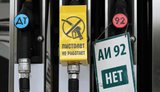 Strikes by Ukrainian Armed Forces on land corridor to Crimea have caused petrol shortage on peninsula. PHOTOS The Ukrainian Armed Forces are striking the land corridor to Crimea: traffic on the "Novorossiya" highway has been disrupted, and fuel shortages are being reported on the peninsula. 4 411 16 Previously in trend: Attacks on Crimea Fuel shortage
 Fuel prices must be formed without speculation. Ukrnafta will serve as benchmark – Svyrydenko Prime Minister Yuliia Svyrydenko held a meeting with key representatives of the petroleum products market. 1 577 9 Previously in trend: Gas Prices
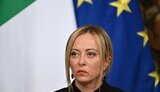 Meloni allows special measures to curb fuel prices due to war in Middle East Italian Prime Minister Giorgia Meloni has said that the government may introduce a so-called "mobile" fuel tax to curb price increases amid oil supply disruptions caused by the war in the Middle East. 1 257 6 Previously in trend: US strikes on Iran
 Rada explained how state will control fuel prices The Verkhovna Rada has adopted a law on the creation of a strategic fuel reserve, which will serve as an additional stabilising factor in the energy market. The process of forming reserves is currently underway. 48 0 Previously in trend: Gas Prices
 War in Middle East and panic buying: Largest filling station chains raise fuel prices daily Gasoline and diesel fuel prices at the largest filling station chains have risen by an average of 5 hryvnias per liter since last Saturday. 140 0 Previously in trend: Gas Prices
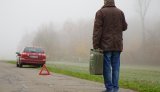 Due to fuel shortage, Russian military confiscates gasoline from civilians in Crimea At checkpoints in occupied Crimea, Russian soldiers are confiscating gasoline from people. 3 154 15
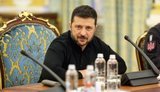 Russia feeling impact of long-range sanctions - fuel shortage reaches 20% – Zelenskyy President Volodymyr Zelenskyy said that due to Ukraine’s strikes, Russia is now feeling the consequences of the war, a fuel shortage. 1 478 14 Previously in trend: USF strikes on Russian oil facilities in Russian Federation Striking Russia Strikes on Russia’s oil ports
 After Ukrainian strikes, gas station country no longer exports but imports gasoline – Zelenskyy President Volodymyr Zelenskyy said Ukraine has carried out precise strikes on Russian logistics and fuel infrastructure. 2 884 48 Previously in trend: Strikes on Russian logistics USF strikes on Russian oil facilities in Russian Federation Strikes on Russia’s oil ports
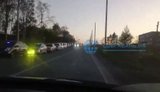 "Kilometer-long line" for fuel in Russia’s Khabarovsk Krai. VIDEO A resident of Russia’s Khabarovsk Krai, located 9,000 kilometers from the Ukrainian border, posted a video showing a "kilometer-long" line at a gas station. 7 799 17 Previously in trend: Drone attack on Russian regions
 In temporarily occupied Crimea - petrol shortages, traffic jams and queues at petrol stations. VIDEO There is a shortage of petrol on the territory of the temporarily occupied Crimea, with residents standing in long queues. 6 169 13 Previously in trend: Gas Prices
Page 1 of 2
more news