ENG




7931 visitors online
Ukraine's ongoing battle against corruption has been highlighted by demands from the EU and Germany for decisive action, stressing its importance for EU membership. Recent incidents, like the embezzlement of 102 million hryvnias for tank protection, underscore persistent issues. Despite efforts, a majority of Ukrainians believe corruption has increased since the Russian invasion. NATO's uncovering of a scheme in Donetsk costing 140 million hryvnias further illustrates the scale of the problem. President Zelenskyy acknowledges current anti-corruption measures are insufficient. Continued emphasis on integrity reforms is crucial for Ukraine's EU aspirations.
What steps are being taken by Ukraine to combat corruption?
Ukraine is actively working to combat corruption with initiatives from the National Anti-Corruption Bureau, focusing on high-profile cases in defense and energy sectors. President Zelenskyy and international partners like the EU and Germany emphasize anti-corruption reforms as critical for the nation’s future.
Why is fighting corruption crucial for Ukraine's EU membership?
Fighting corruption is crucial for Ukraine's EU membership because it aligns with European Union standards for transparency and accountability. The EU requires member states to demonstrate a commitment to eliminating corruption to ensure fair governance, economic stability, and uphold the rule of law.
How do Ukrainians perceive the current level of corruption in their country?
The majority of Ukrainians perceive the level of corruption to have increased, particularly since the start of the Russian invasion. Surveys reveal that a significant number of citizens hold the President and government institutions responsible for addressing corruption issues.
What are the impacts of corruption on Ukraine's defense sector?
Corruption has severely impacted Ukraine's defense sector, with cases of embezzlement in procurement processes. For instance, schemes involving tank protection and armored vehicle repairs have resulted in substantial financial losses, weakening Ukraine's defensive capabilities amidst ongoing conflict.
How has international pressure influenced Ukraine's anti-corruption measures?
International pressure, particularly from the EU and Western allies, has significantly influenced Ukraine's anti-corruption measures. It has led to increased scrutiny and calls for transparency. Ukraine is expected to uphold strict anti-corruption standards to further its EU membership prospects and receive international financial support.
What challenges does Ukraine face in enforcing anti-corruption laws?
Ukraine faces challenges like entrenched networks of corruption, political resistance, and limited resources in enforcing anti-corruption laws. Despite establishing bodies like NABU, systemic corruption within bureaucracies and public sectors poses significant hurdles to implementing reforms effectively.
What role does the National Anti-Corruption Bureau of Ukraine (NABU) play?
The National Anti-Corruption Bureau of Ukraine (NABU) plays a pivotal role in investigating and prosecuting high-level corruption. It collaborates with international bodies and focuses on major fraud, embezzlement, and bribery cases. NABU's efforts are central to Ukraine's anti-corruption strategy.
How do international organizations view Ukraine's progress in fighting corruption?
International organizations have a mixed view of Ukraine's progress. While acknowledging some achievements, entities like the European Commission stress the need for continued reforms. The OECD notes significant progress, yet overall assessments emphasize the necessity for sustained efforts and systemic change.
w117_header_alt Fighting corruption in Ukraine
 European Commission concerned about "systematic pressure" on NABU and SAPO and calls for SBU reform – draft report The European Commission considers Ukraine's anti-corruption bodies effective and independent, but is sounding the alarm over attempts to pressure the National Anti-Corruption Bureau of Ukraine (NABU) and the Specialized Anti-Corruption Prosecutor's Office (SAPO). In a draft annual report on... 1 690 10 Previously in trend: Fighting corruption in Ukraine Pressure on NABU Abolition of NABU and SAPO independence
 German Economy Minister Reiche spoke about difficult conversation with Zelenskyy: they discussed corruption German Economy Minister Katherina Reiche spoke about the difficult negotiations with Ukrainian President Volodymyr Zelenskyy, during which corruption scandals in Ukraine were discussed. 11 268 60 Previously in trend: Fighting corruption in Ukraine Assistance to Ukraine from Germany
 Zelenskyy: Asset declarations will return for law enforcement officers and security forces personnel who are not serving in the war President Volodymyr Zelenskyy said decisions are being prepared to restore asset declaration requirements for law enforcement officers and security forces personnel who are not serving in the war. Heads of central executive bodies with high corruption risks will also be reviewed. 4 363 19 Previously in trend: Fighting corruption in Ukraine
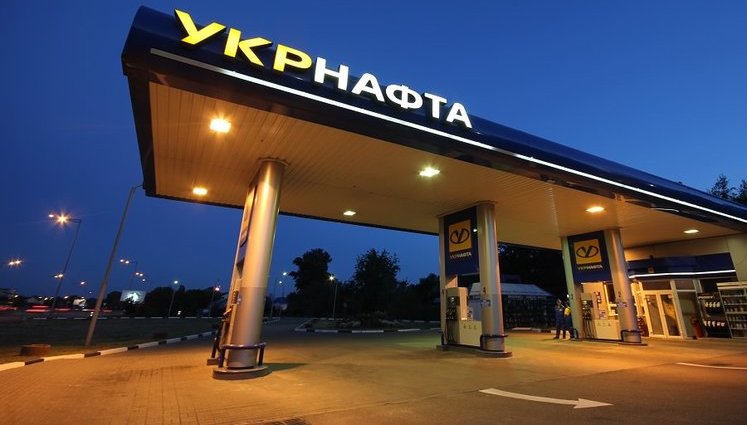
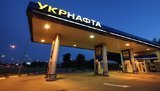 Misappropriation of 100,000 tons of "Ukrnafta" petroleum products worth 2.8 billion hryvnias: NABU uncovers scheme A scheme to embezzle petroleum products from PJSC "Ukrnafta" and launder the proceeds from their sale has been uncovered. 3 223 9 Previously in trend: Fighting corruption in Ukraine
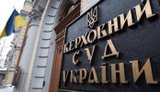 Supreme Court has overturned dismissal of three judges from Kyiv Court of Appeal who were caught taking bribe of $35,000, – Shabunin The Supreme Court has overturned the decision of the High Council of Justice (HCJ) to dismiss three judges of the Kyiv Court of Appeal – Ihor Pallenyk, Yurii Slyva and Viktor Hlynianyi – whom the National Anti-Corruption Bureau of Ukraine (NABU) and the Specialised Anti-Corruption Prosecutor’s... 7 786 58 Previously in trend: Fighting corruption in Ukraine Grafters
 European Commission on resignation of Prosecutor General Kravchenko: EU maintains zero-tolerance policy towards corruption The European Commission has commented on the resignation of Ukraine’s Prosecutor General Ruslan Kravchenko against the backdrop of the NABU special operation ‘Carthage’ into the ‘protection’ of fraudulent call centres. 4 672 8 Previously in trend: Fighting corruption in Ukraine Kravchenko’s resignation
 Armed Forces of Ukraine servicemembers will be allowed to report corruption and protected from retaliation for doing so Servicemembers of the Armed Forces of Ukraine will receive broader rights to help prevent corruption in their units and will be protected from retaliation for reporting it. The government has approved the relevant bill developed by the Ministry of Defense. 2 635 38 Previously in trend: Fighting corruption in Ukraine Corruption in law enforcement agencies Corruption in Ukraine
 At request of ’servant’ Buzhanskyi, Verkhovna Rada has scrapped anti-corruption bills on which 120 billion hryvnias in aid depends, – Shabunin MPs from the ‘Servant of the People’ party have removed anti-corruption bills from the agenda. The receipt of 120 billion hryvnias in aid from partners depends on these bills. 24 771 83 Previously in trend: Fighting corruption in Ukraine
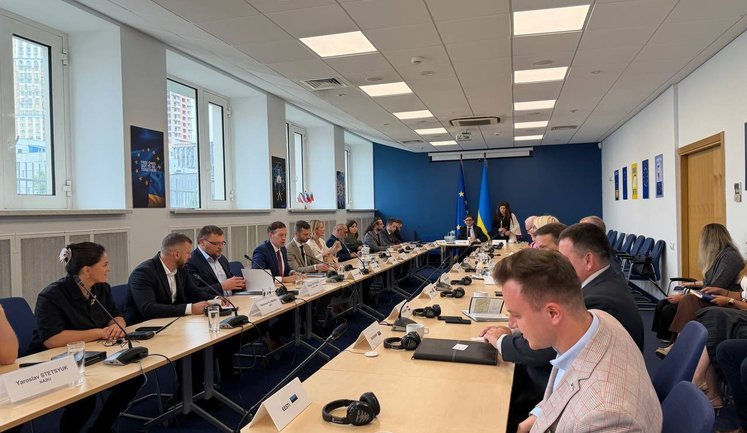
 EU pledges support for anti-corruption efforts after meeting with NABU and SAPO heads. PHOTO On Friday, 21 August, ambassadors of European Union member states met with National Anti-Corruption Bureau Director Semen Kryvonos and Specialized Anti-Corruption Prosecutor’s Office Head Oleksandr Klymenko. 2 374 9 Previously in trend: Fighting corruption in Ukraine Forrest Gump operation
 Bail procedure needs to be reformed. It must not be form of cashback from stolen assets, – NABU In certain corruption cases, bail has ceased to be merely a precautionary measure and has become a tool of the criminal economy. 5 244 42 Previously in trend: Fighting corruption in Ukraine
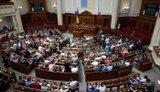 Rada Law Enforcement Committee rejects number of anti-corruption bills – Zhelezniak MP Yaroslav Zhelezniak said that the Verkhovna Rada Committee on Law Enforcement had recommended removing a package of anti-corruption bills from the agenda on the grounds that they were no longer relevant. 7 011 28 Previously in trend: Fighting corruption in Ukraine
 NABU is conducting ’Forrest Gump’ special operation: ’Only idiot would register stolen money in his own children’s names’. VIDEO Anti-corruption authorities are conducting a special operation to expose a criminal organisation operating under the leadership of current and former members of the Ukrainian Parliament, which included senior officials from the Office of the President of Ukraine and other individuals. 16 691 82 Previously in trend: Fighting corruption in Ukraine
 Currently, searches are underway at deputy head of OP, Mudra: Stolar and Mykytas are implicated in the NABU case, - media (updated) Currently, NABU and the SAPO are conducting searches at the residence of Iryna Mudra, deputy head of the Office of the President, as part of an announced special operation. 16 008 92 Previously in trend: Fighting corruption in Ukraine
 NABU and SAPO are conducting a special operation to expose criminal group involving MPs and senior officials from Presidential Office The National Anti-Corruption Bureau of Ukraine (NABU) and the Specialised Anti-Corruption Prosecutor’s Office (SAPO) are conducting a special operation to expose a criminal organisation operating under the leadership of a current and a former Member of the Ukrainian Parliament, with the... 7 725 41 Previously in trend: Fighting corruption in Ukraine National Anti-Corruption Bureau
 Fedorov: "Corruption is one of main reasons why it is harder for us to stop war" Former Defence Minister Mykhailo Fedorov called corruption one of the main internal obstacles preventing the war from ending quickly. 11 425 131 Previously in trend: Fighting corruption in Ukraine Corruption in defence
 Servant of People and Batkivshchyna want to push through amendments that would save corrupt officials – Anti-Corruption Action Center During the second-reading vote, lawmakers want to add amendments to bill No. 15056 that would weaken anti-corruption legislation. 2 811 29 Previously in trend: Fighting corruption in Ukraine
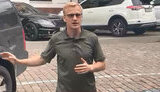 MPs want to ban law enforcement from publishing evidence of corruption involving top politicians, – Shabunin A proposal has been put forward in the Rada to imprison law enforcement officers for publishing evidence of corruption and other crimes committed by high-ranking officials. 7 749 103 Previously in trend: Fighting corruption in Ukraine
 National Police are conducting large-scale operation called "Aesculapius": officials from MMC are suspected of illicit enrichment. VIDEO+PHOTOS The National Police of Ukraine has launched a large-scale special operation codenamed ‘Aesculapius’. Law enforcement officers are investigating officials from medical and military medical commissions for alleged illicit enrichment and the inclusion of false information in their financial... 10 163 45 Previously in trend: Fighting corruption in Ukraine Corruption in Ukraine
 Four more judges served notices of suspicion in Supreme Court corruption case – SAPO SAPO and NABU served new notices of suspicion to three sitting Supreme Court judges and a retired judge in a case involving a bribe for a ruling in favor of the owner of the "Finance and Credit" group. 2 823 15 Previously in trend: Fighting corruption in Ukraine Corruption in the Supreme Court
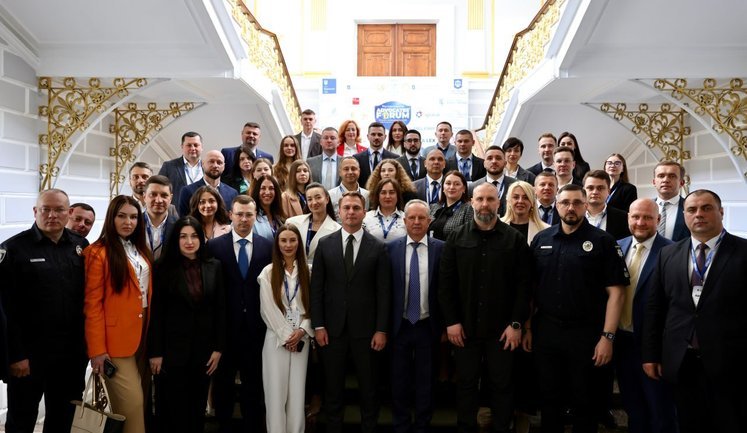
 119 notices of suspicion in 18 months: Kravchenko says bar being "cleansed" of corruption and influence peddling. PHOTOS During the Kharkiv Unbreakable 2026 forum, Prosecutor General Ruslan Kravchenko criticised sections of the legal profession for corruption, manipulation in the courts, and abuse of procedural rights. 2 373 23 Previously in trend: Fighting corruption in Ukraine
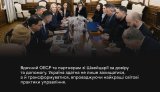 Ukraine launches new project to strengthen anti-corruption reforms – Budanov Ukraine is launching a new large-scale project to support anti-corruption reforms. 3 243 57 Previously in trend: Fighting corruption in Ukraine Anti-corruption reforms
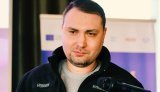 Manual control in system of government is "fertile" ground for corruption, Budanov says Head of the Presidential Office Kyrylo Budanov believes that only the complete dismantling of the system of "manual control" and a transition to unwavering rule of law will allow Ukraine to truly overcome corruption. 3 214 54 Previously in trend: Fighting corruption in Ukraine Corruption in Ukraine
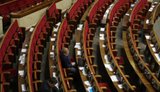 41 MPs are currently under investigation or facing charges, - Klymenko As of today, 41 MPs are either suspects or defendants in cases being investigated by the NABU and the SAPO. However, only one of them has publicly complained that this is hindering the work of parliament. 4 582 65 Previously in trend: Fighting corruption in Ukraine
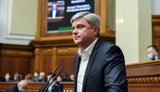 NABU and SAPO expose MP over UAH 13 million in illicit enrichment: according to media reports, it is OPZZh representative Kachnyi The NABU and the SAPO have exposed a sitting Member of the Ukrainian Parliament for illicit enrichment. 6 110 38 Previously in trend: Fighting corruption in Ukraine cases of illicit enrichment
 NACP has identified most corrupt sectors in Ukraine: where risks remain highest According to citizens’ assessments, construction and land relations remain the most corrupt sectors in Ukraine—31.8% of respondents cited this sector. 2 524 14 Previously in trend: Fighting corruption in Ukraine
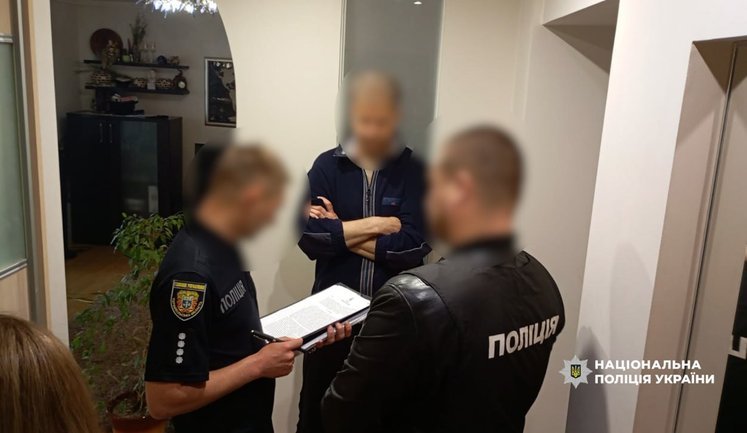
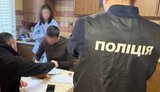 National Police conduct 70 searches at medical facilities over schemes involving public funds. PHOTOS The National Police of Ukraine are investigating possible schemes involving the misappropriation of funds in healthcare facilities. This concerns fictitious services provided under the medical guarantee scheme. 2 798 14 Previously in trend: Fighting corruption in Ukraine
 Judge in Bukovyna exposed for inciting lawyer to pay another judge $30,000 bribe – SSU The Security Service of Ukraine and the National Anti-Corruption Bureau of Ukraine have exposed a judge seconded to one of the courts in the Chernivtsi region who incited a lawyer to pass a US$30,000 bribe to a judge in Kyiv in exchange for an acquittal. 1 275 3 Previously in trend: Fighting corruption in Ukraine
 Nausėda: Ukraine can become EU member by 2030 if it fights corruption Lithuanian President Gitanas Nausėda has said that Ukraine’s and Moldova’s membership in the European Union by 2030 is a strategic goal for Lithuania. 1 974 27 Previously in trend: Fighting corruption in Ukraine Moldova entrance to the EU Ukraine EU accession
 Ukraine has established independent institutions to combat corruption. I fully support them, - Zelenskyy Ukrainian President Volodymyr Zelenskyy rejected accusations of ineffective anti-corruption efforts and declared his support for anti-corruption agencies. 3 966 78 Previously in trend: Fighting corruption in Ukraine Pressure on NABU
 I fully support anti-corruption authorities in cleaning up Ukrainian government, - Budanov The head of the Office of the President, Kyrylo Budanov, stated that he personally supports the efforts of Ukraine's anti-corruption system in investigating relevant crimes in the government. 3 042 41 Previously in trend: Fighting corruption in Ukraine Corruption in Ukraine
 I try to be honest in everything and with everyone. We are building an anti-corruption infrastructure, - Zelenskyy President Volodymyr Zelenskyy acknowledged that there are cases of corruption in Ukraine, but the state is building a "large anti-corruption infrastructure" to combat it. 8 975 114 Previously in trend: Fighting corruption in Ukraine Corruption in Ukraine
 Notice of suspicion for Shurma. Will another thief in energy sector be punished? | Uncensored. VIDEO Maryna Danyliuk-Yarmolaieva analyzes events that have exposed the true state of public administration during the full-scale war. 2 273 22 Previously in trend: Fighting corruption in Ukraine Corruption in Ukraine Restoration of the power grid Searches at Shurma’s
 Halushchenko and Hrynchuk attended the meeting of the Verkhovna Rada’s Temporary Investigation Commission. Live updates Former Minister of Justice Herman Halushchenko and former Head of the Ministry of Energy Svitlana Hrynchuk attended a meeting of the Verkhovna Rada Temporary Investigation Commission on possible violations of Ukrainian legislation in the areas of defence, anti-corruption policy and human rights... 4 477 12 Previously in trend: Fighting corruption in Ukraine
 EU reminded Ukraine about fight against corruption against backdrop of decision on €90 billion loan The EU reminded Ukraine of the importance of continuing to fight corruption. 3 600 37 Previously in trend: Fighting corruption in Ukraine Aid to Ukraine from Europe
 102 million hryvnias embezzled for purchase of tank protection: NABU exposes corruption in defence sector. PHOTO A scheme has been uncovered through which more than 102 million hryvnias were embezzled for dynamic protection for the Ukrainian Armed Forces' armoured vehicles. 3 595 14 Previously in trend: Fighting corruption in Ukraine
 No NACP audit could have exposed Energoatom corruption scheme due to its scale – Pavlushchyk In January 2025, the National Agency on Corruption Prevention (NACP) carried out an inspection of Energoatom, the national nuclear energy generating company, which figures in a corruption case linked to Timur Mindich and large-scale abuses in the energy sector. However, the inspection focused... 69 194 50 Previously in trend: Fighting corruption in Ukraine Mindichgate
 Brussels demands Ukraine punish corrupt officials as condition for EU membership – Politico Ukraine must hold corrupt politicians and businesspeople accountable if it wants to become part of the European Union. 10 965 66 Previously in trend: Fighting corruption in Ukraine Ukraine’s Membership in the EU
 Germany expects "absolutely decisive action" from Ukraine in fight against corruption Germany expects decisive action from Ukraine in the fight against corruption, especially now that efforts are focused on finding ways to end Russia’s war. 1 435 19 Previously in trend: Fighting corruption in Ukraine
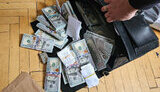 78% of Ukrainians believe that corruption in Ukraine has increased, - survey. INFOGRAPHICS Most Ukrainian citizens believe that since the start of Russia's full-scale invasion, the level of corruption in the country has increased. 1 565 32 Previously in trend: Fighting corruption in Ukraine
 140 million hryvnias in losses: NABU exposes embezzlement scheme in heating and water supply in Donetsk region cities. PHOTO Anti-corruption authorities have exposed a group led by the head of the Housing and Utilities Department of the Donetsk RMA. They embezzled 140 million hryvnias intended to provide heat and water to three settlements. 2 245 17 Previously in trend: Fighting corruption in Ukraine
 NABU explained why those suspected of corruption are being released from pre-trial detention on bail. INFOGRAPHICS The National Anti-Corruption Bureau explained why corruption suspects are being released on bail. 10 961 38 Previously in trend: Fighting corruption in Ukraine
 Measures to clean up government from corruption are still insufficient, - Zelenskyy President Volodymyr Zelenskyy believes that current measures to combat corruption in Ukrainian government agencies are insufficient. 5 523 66 Previously in trend: Fighting corruption in Ukraine Mindichgate
 EU on NABU’s investigation into "Energoatom": Fighting corruption is important condition for Ukraine’s membership Against the backdrop of the NABU investigation into the embezzlement scheme at "Energoatom", the European Commission stated that it does not comment on individual cases or anti-corruption proceedings in Ukraine. 2 421 13 Previously in trend: Fighting corruption in Ukraine Energy sector corruption
 Suspect detained in Ukrtatnafta embezzlement case worth over ₴5.8 billion. PHOTOS The director of one of the affiliated companies has been detained in Kyiv. He and his accomplices had previously been charged with organizing a large-scale embezzlement scheme involving a petroleum refining concern, but the man had been hiding from investigators and was on the international... 2 301 4 Previously in trend: Fighting corruption in Ukraine
 Anonymous Telegram channels attack NABU, calling Bureau’s detectives "Russian agents" Anonymous Telegram channels attack anti-corruption authorities after the National Anti-Corruption Bureau of Ukraine (NABU) exposes corruption in the energy sector. 4 156 66 Previously in trend: Fighting corruption in Ukraine Pressure on NABU
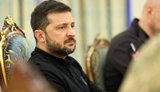 Zelenskyy’s inner circle has been stealing from protection of energy facilities, - Shabunin President Volodymyr Zelenskyy's inner circle was involved in embezzlement while protecting energy facilities. 10 212 104 Previously in trend: Fighting corruption in Ukraine
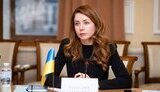 Corruption in energy sector: Minister Hrynchuk appears in NABU recordings, - Zhelezniak The current Minister of Energy, Svitlana Hrynchuk, appears in NABU recordings as part of an investigation into corruption in the energy sector. 8 022 25 Previously in trend: Fighting corruption in Ukraine
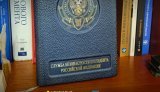 "Security Service of President of Russian Federation": during searches of one of organisers of scheme, NABU detectives found "artifact". PHOTO During a search conducted as part of an investigation into corruption in the energy sector, anti-corruption authorities found an "artifact" with the inscription "Security Service of the President of the Russian Federation." 16 140 47 Previously in trend: Fighting corruption in Ukraine National Anti-Corruption Bureau
Page 1 of 11
more news