The market conditions in Ukraine remain dynamic as new strategies are implemented to address ongoing challenges. The Ministry of Defense updated drone procurement mechanisms to ensure consistent frontline supply amidst fluctuating component costs. The Verkhovna Rada focuses on stabilizing the energy market by forming strategic fuel reserves. Meanwhile, ICC Ukraine emphasizes tackling the illicit cigarette market's impact on state finances. Understanding Ukraine's current market landscape requires a deep dive into these strategic efforts. As sectors continue to adapt, the implications of these measures echo across the broader economic landscape.
How is the Ukrainian government addressing fuel price control in 2026?
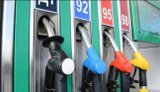
The Ukrainian government is tackling fuel price stability by creating a strategic fuel reserve. This legislative move by the Verkhovna Rada aims to ensure market stability amid fluctuating global prices, helping safeguard the energy market's integrity. The process involves careful planning and collaboration with energy stakeholders to maintain a steady supply.
What steps has Ukraine taken to manage drone supply costs?
Ukraine's Ministry of Defense has revamped its procurement process for fiber-optic drones to counteract sharp price fluctuations. By adopting a more strategic approach, the ministry strives to ensure its armed forces have a reliable supply of UAVs, crucial for maintaining operational capabilities on the frontlines.
How is ICC Ukraine proposing to handle illicit cigarette trade issues?
ICC Ukraine advocates for market de-shadowing as the primary route to tackle illicit cigarette trade. By focusing on removing illegal activities rather than pressuring legitimate businesses, ICC seeks to prevent significant revenue losses, which currently exceed UAH 25 billion annually, thereby supporting the state budget.
What recent developments have occurred in Ukraine's trade and market sectors?
Significant developments have emerged, including the strategic procurement of fiber-optic drones and legal frameworks for fuel reserves. Additionally, the focus remains on de-shadowing illicit trade markets, particularly cigarettes, enhancing economic resilience and governance.
Why is managing the cigarette market important for Ukraine's economy?
Tackling the illicit cigarette market is crucial as it leads to substantial tax revenue losses, weakening the state budget. Addressing this issue involves enforcing stricter regulations and promoting transparency, ultimately enhancing economic health and reducing fiscal deficits.