ENG




12102 visitors online
The Energoatom corruption scandal has unfolded various schemes affecting Ukraine's energy stability. A scheme to embezzle UAH 170 million during the Tashlyk PSPP construction exposed serious vulnerabilities. Energoatom has also faced complications at the Zaporizhzhia NPP, experiencing its 17th blackout under occupation. Mindichgate further compounds issues, revealing large-scale fund misappropriations within Energoatom. Despite pressures, Energoatom has refused cooperation with occupying forces. This intricate scenario underscores the urgent need for anti-corruption measures and audits in Ukraine's energy sector, emphasizing transparency and reform to regain control and integrity.
What is the Energoatom corruption scandal?
The Energoatom corruption scandal involves large-scale embezzlement and fraudulent activities within Ukraine's national nuclear energy company. Investigations have uncovered schemes misappropriating millions of hryvnias, significantly affecting accountability and operations. The scandal also highlighted systemic vulnerabilities and alliances contributing to financial discrepancies crucial to national energy management.
How did the corruption affect Energoatom's operations?
The corruption severely impacted Energoatom's operations, disrupting financial integrity and operational efficiency. Funds meant for construction and maintenance were embezzled, leading to infrastructural and logistic shortcomings. The reputation damage necessitates urgent auditing and reform to restore credibility and operational capabilities.
What measures are being taken to address Energoatom's issues?
Anti-corruption agencies like NABU and SAPO have initiated comprehensive investigations into Energoatom's activities. These efforts include audits, legal proceedings, and enforcing preventive measures to combat corruption. They aim to restore financial accountability, transparency, and ensure lawful management practices in the energy sector.
Who are the key figures involved in the Energoatom scandal?
Key figures in the Energoatom scandal include members of the supervisory board, contractors involved in kickback schemes, and high-ranking officials like Basov and Mindich. These individuals have been implicated in orchestrating and facilitating fraudulent financial activities, impacting both strategic and day-to-day operations.
Why is Energoatom's situation critical for Ukraine?
Energoatom's situation is critical for Ukraine because it plays a pivotal role in national energy security and economic stability. Ensuring transparent and efficient operations is essential to maintain steady power supply, facilitate economic productions, and uphold Ukraine's energy independence, especially amidst geopolitical tensions.
News Energoatom
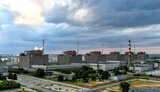 Nuclear and radiation safety at ZNPP is in critical state, - Energoatom "Energoatom" emphasizes the critical state of nuclear and radiation safety at the Russian-occupied Zaporizhzhia Nuclear Power Plant 1 441 7 Previously in trend: Russia’s occupation of ZNPP
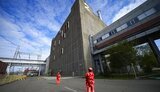 27th blackout at Zaporizhzhia NPP: plant operates on generators The temporarily occupied Zaporizhzhia Nuclear Power Plant has once again lost its external power supply. 643 9 Previously in trend: power supply to occupied ZNPP
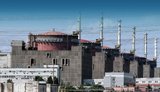 ZNPP has already experienced 26 blackouts: this wears out equipment and increases safety risks, - Energoatom The temporarily occupied Zaporizhzhia Nuclear Power Plant has already experienced 26 blackouts since the start of Russia’s full-scale invasion of Ukraine, 14 of which occurred in just the first eight months of 2026. 357 2 Previously in trend: Russia’s occupation of ZNPP
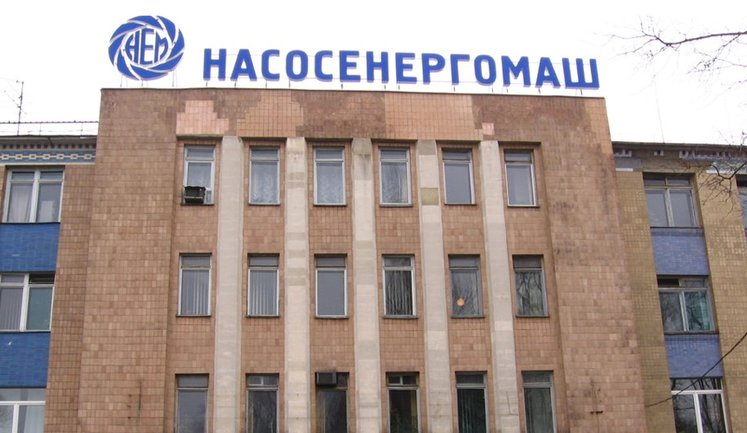
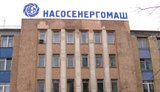 Those implicated in "Mindichgate" scandal have likely taken control of "Nasosenergomash" plant, – Zhelezniak. VIDEO Those implicated in the ‘Midas’ case have reportedly taken control of the sanctioned ‘Nasosenergomash’ plant. 4 272 14 Previously in trend: Energy sector corruption
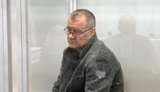 Former prosecutor and Mindichgate figure Basov (Tenor) served with new notice of suspicion – NABU The National Anti-Corruption Bureau of Ukraine (NABU) and the Specialized Anti-Corruption Prosecutor’s Office (SAPO) have served a new notice of suspicion in the Midas case on Dmytro Basov, the former Executive Director for Physical Protection and Security at Energoatom, who appears in the case... 1 720 6 Previously in trend: Mindichgate
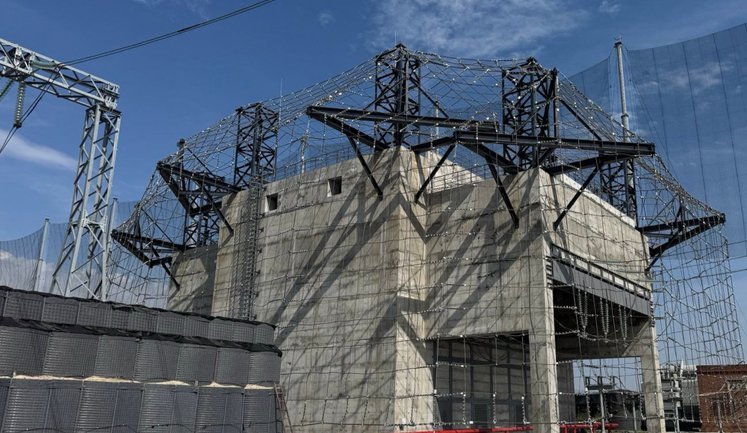
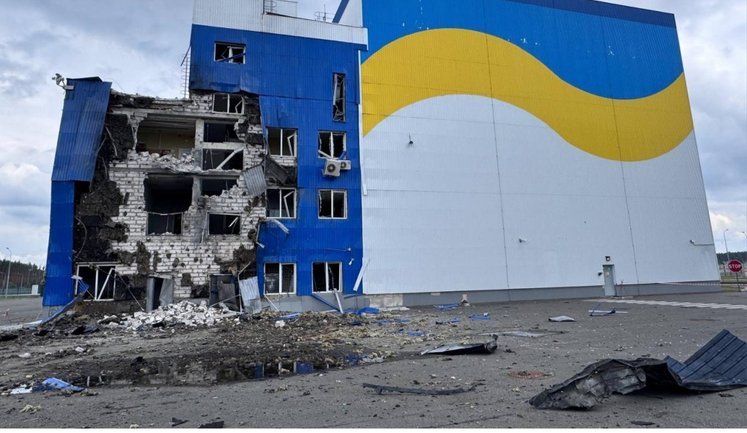
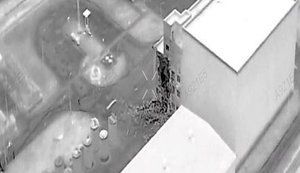
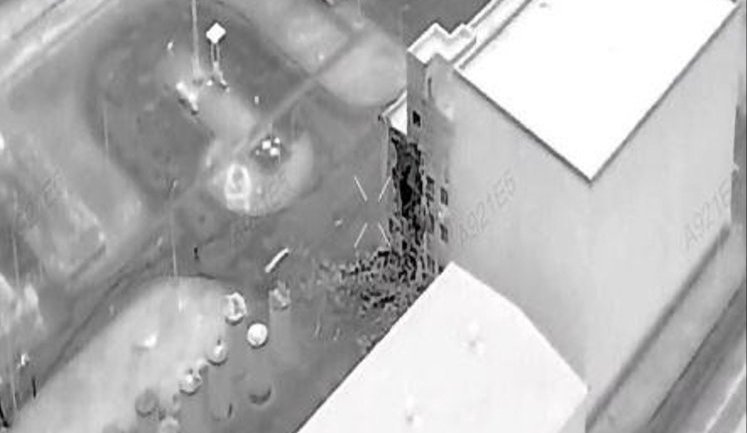
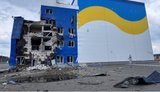 Consequences of Russian strike on spent nuclear fuel storage facility near Chornobyl Nuclear Power Plant. PHOTO Energoatom has published a photo of the damaged building at the Centralised Spent Nuclear Fuel Storage Facility. 6 105 20 Previously in trend: Russia attacked the Centralized Spent Nuclear Fuel Storage Facility
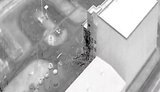 "Shahed" struck spent nuclear fuel storage facility in Kyiv region. Distance to Chornobyl Nuclear Power Plant is 15 km, - General Staff. PHOTO The Russian Federation continues to grossly violate international law and pose unprecedented threats to nuclear and radiation safety in Europe. 2 787 4 Previously in trend: Drone strike on Chornobyl NPP Nuclear safety Safety at ChNPP
 Russian UAV attacked nuclear fuel storage facility, radiation levels normal, - "Energoatom" On 7 June 2026 at 02:10 a.m., the container reception building at the Centralised Spent Fuel Storage Facility (CSFSF) was partially destroyed after being struck by an enemy unmanned aerial vehicle (no spent nuclear fuel was being stored there at the time). 3 005 19 Previously in trend: Nuclear safety
 HACC imposes preventive measure on organizer of scheme to embezzle nearly UAH 170 million during construction of Tashlyk Pumped Storage Power Plant The High Anti-Corruption Court (HACC) has imposed a preventive measure on the organizer of a scheme to embezzle nearly UAH 170 million during the construction of the Tashlyk Pumped Storage Power Plant (PSPP) within the Energoatom system: pre-trial detention with the alternative of UAH 30 million... 1 819 8 Previously in trend: Energy sector corruption
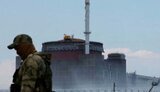 17th blackout occurred at occupied ZNPP, - Energoatom On the night of June 3, 2026, the temporarily occupied Zaporizhzhia Nuclear Power Plant experienced its 17th blackout since Russian forces seized the plant, and the fifth since the beginning of this year. 636 2 Previously in trend: power supply to occupied ZNPP
 Corruption in energy sector: scheme to embezzle nearly 170 million hryvnias from "Energoatom" during construction of the Tashlyk Pumped Storage Power Plant has been exposed, - NABU. PHOTO The National Anti-Corruption Bureau of Ukraine (NABU) and the Specialised Anti-Corruption Prosecutor’s Office (SAPO) have uncovered a large-scale corruption scheme involving the misappropriation of funds from the state-owned enterprise ‘NAEK Energoatom’ during the construction of a critical... 1 572 9 Previously in trend: Energy sector corruption
 From Maidan cases to ’schematism’ at ’Energoatom’: how former prosecutor Basov (’Tenor’) sabotaged investigations for years and became figure in Mindich’s tapes Dmytro Basov, a former prosecutor with 20 years’ experience who, during Yuriy Lutsenko’s tenure, led key investigations into Yanukovych and the crimes committed on Maidan, has emerged as a central figure in a corruption ring operating within Energoatom. According to Censor.NET, citing an... 3 403 14 Previously in trend: Mindichgate
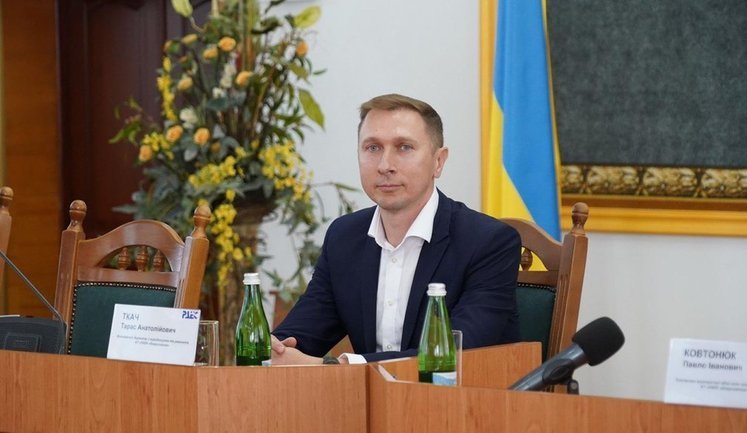
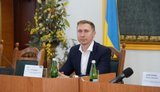 Family of Rivne NPP director Tkach, figure in Mindich tapes, acquired elite real estate and car fleet – Bihus.Info. VIDEO The family of Taras Tkach, head of the Rivne Nuclear Power Plant, who appears in the tapes from Operation Midas, built a mansion near Kyiv, invested in a penthouse in a newly built residential complex in the capital, and assembled a car collection, including a BMW X7 worth around $150,000. 6 750 37
 "Barrier" was beneficial for Ukraine, as it allowed Energoatom to avoid bankruptcy," - lawyer of Mindichgate suspect The lawyer representing Ihor Myroniuk, a figure in the Mindichgate scandal, explained that the "barrier" scheme in the energy sector allowed Energoatom to avoid bankruptcy. 4 762 58 Previously in trend: Energy sector corruption Mindichgate
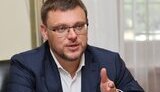 Mindichgate: Energoatom contractors will avoid punishment for "kickbacks" if they report it to NABU themselves, Kryvonos says Contractors of Energoatom who paid "kickbacks" to figures in the Mindichgate case may avoid criminal liability if they report it to the National Anti-Corruption Bureau of Ukraine (NABU) themselves. 3 017 21 Previously in trend: Energy sector corruption Mindichgate
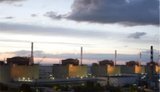 Energoatom rejects joint operation of Zaporizhzhia NPP with Russia: "Technically impossible" Ukraine’s state nuclear operator Energoatom said that jointly operating the Russian-occupied Zaporizhzhia Nuclear Power Plant with the Russian side is technically impossible. 1 903 11 Previously in trend: Russia’s occupation of ZNPP
 NACP says its staff are not involved in ’Mindichgate’ after internal review The National Agency on Corruption Prevention (NACP) has completed an internal review in connection with a corruption case involving Energoatom. It was launched on 10 November 2025 in response to NABU’s publication of the "Mindich tapes" as part of Operation Midas. 1 176 13 Previously in trend: Mindichgate
 Selection of candidates for supervisory boards of key energy companies begins, - Svyrydenko The next stage of the reboot of energy companies in Ukraine is beginning. 1 999 25 Previously in trend: Mindichgate
 No NACP audit could have exposed Energoatom corruption scheme due to its scale – Pavlushchyk In January 2025, the National Agency on Corruption Prevention (NACP) carried out an inspection of Energoatom, the national nuclear energy generating company, which figures in a corruption case linked to Timur Mindich and large-scale abuses in the energy sector. However, the inspection focused... 69 156 50 Previously in trend: Fighting corruption in Ukraine Mindichgate
 "Mindichgate": 95 million hryvnia bail posted for Fursenko, figure in case A bail of 95 million hryvnias was posted for Ihor Fursenko, a defendant in the "Midas" case involving embezzlement at "Energoatom". He was released from custody. 4 758 33 Previously in trend: Mindichgate
 Halushchenko and co, in addition to Energoatom, also influenced state-owned oblenergo – Kudrytskyi The individuals implicated in the energy corruption case may also have exerted influence over state-owned regional power distribution (oblenergo) companies. 7 596 10 Previously in trend: Energy sector corruption Mindichgate
 Audit of Energoatom has already begun, and results will be ready in December, - Svyrydenko The audit of NAEK Energoatom has already begun. The interim results of the audit should be ready in December. 1 055 29 Previously in trend: Mindichgate
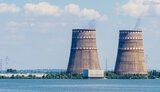 Energoatom spent UAH 210 million on procurements for occupied Zaporizhzhia NPP in 2022, including fish feed In 2022, Energoatom made purchases for the Zaporizhzhia Nuclear Power Plant, which had already been occupied by Russian troops. This cost 210 million hryvnias. 18 135 65 Previously in trend: Russia’s occupation of ZNPP Energy sector corruption
 Government begins large-scale reset of energy sector: supervisory boards of all state-owned companies to be renewed – Svyrydenko The Government is continuing a complete reset of the energy sector. 1 848 43 Previously in trend: Mindichgate
Economy Minister Sobolev insists he knew nothing about "barrier" scheme at Energoatom Economy Minister Oleksii Sobolev insists he was not aware of the "barrier" scheme at Energoatom. 3 707 28 Previously in trend: Mindichgate
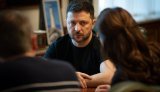 "Mindichgate": Reboot of key state-owned energy companies is beginning, - Zelenskyy. PHOTO The reboot of key state-owned enterprises operating in the energy sector is beginning. 9 031 95 Previously in trend: Mindichgate
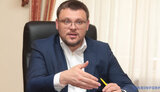 "Mindichgate": about $100 million flowed through office used by those involved in case, NABU director Kryvonos says Around $100 million passed through the office used by those involved in the corruption in the energy sector case. 4 165 31 Previously in trend: Mindichgate
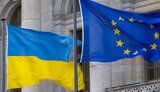 "Mindichgate": EU expects transparency and reforms from Ukraine - Politico The EU seeks assurances from Ukraine regarding the use of future financial support following the exposure of a corruption scheme linked to the energy sector. 1 561 16 Previously in trend: Energy sector corruption Mindichgate
 Government allocates ₴1 billion for eliminating consequences of strikes and launches audits of state companies – Svyrydenko The Cabinet of Ministers is allocating 1 billion hryvnias to communities in frontline regions and strengthening audits in the energy sector to combat corruption during wartime. 1 186 18 Previously in trend: Restoration of Ukraine Energy sector corruption
Government suspends Energoatom Vice President Hartmut and other company managers – Svyrydenko Based on materials provided by NABU, the government has decided to urgently suspend Vice President and Management Board member Jakob Hartmut from his duties. 3 117 28 Previously in trend: Energy sector corruption
 Corruption in energy sector: back-office employee Ustymenko, involved in money laundering, taken into custody On November 12, the High Anti-Corruption Court ruled on a preventive measure for Lesia Ustymenko, suspected of involvement in a corruption scheme involving the embezzlement of funds from Energoatom. 6 766 33 Previously in trend: Energy sector corruption
 Lawyer of corruption suspect Basov: There were cases when rectangular objects resembling U.S. banknotes turned out not to be money. VIDEO During a hearing to determine preventive measures for Dmytro Basov, a suspect in the energy corruption case, his lawyer claimed that "there have been many instances when expert examinations revealed that rectangular objects resembling U.S. banknotes turned out not to be money." 8 085 64 Previously in trend: Energy sector corruption
 Former aide to Derkach, Myroniuk, placed in custody with bail set at ₴126 million. VIDEO The High Anti-Corruption Court (HACC) has imposed a preventive measure on one of the suspects in the energy corruption case, Ihor Myroniuk. 13 512 56 Previously in trend: Energy sector corruption
Corruption in energy sector: Basov remanded in custody. Bail set at 40 million hryvnia. VIDEO The High Anti-Corruption Court has chosen a preventive measure for defendant in the energy corruption case, Dmytro Basov. 9 147 54 Previously in trend: Energy sector corruption
 Zhelezniak on Halushchenko’s dismissal: He will continue to run Ministry of Energy and flows through Hrynchuk. All ministers featured in Mindich’s tapes must be dismissed The government must urgently dismiss all ministers who figure in Mindich's tapes. 3 240 45 Previously in trend: Energy sector corruption
 New composition of Energoatom Supervisory Board will be presented within week, in audit company - Ministry of Economy The Ministry of Economy, Environment, and Agriculture, in cooperation with G7 partners, will submit proposals for the new composition of the supervisory board of JSC "NAEK "Energoatom" to the Government for approval within a week. Work has begun on lists of possible candidates. 1 178 21 Previously in trend: Energy sector corruption
 "First rat has ran from Zelenskyy’s sinking ship," - Nikolov on Milovanov Journalist Yurii Nikolov commented on the resignation of Tymofii Mylovanov, a member of the Supervisory Board of "Energoatom". 14 212 22 Previously in trend: Energy sector corruption
 EU on NABU’s investigation into "Energoatom": Fighting corruption is important condition for Ukraine’s membership Against the backdrop of the NABU investigation into the embezzlement scheme at "Energoatom", the European Commission stated that it does not comment on individual cases or anti-corruption proceedings in Ukraine. 2 386 13 Previously in trend: Fighting corruption in Ukraine Energy sector corruption
 Mindich and Zuckerman brothers in Israel, - Zhelezniak People's Deputy Yaroslav Zhelezniak reported on the current whereabouts of Tymur Mindich, co-owner of the "Kvartal-95" studio and associate of the President of Ukraine, and his accomplices. 22 231 198 Previously in trend: Mindich has left Ukraine
 Kudrytskyi reveals new details of corruption scandal involving Myroniuk, known as "Rocket" Former Ukrenergo CEO Volodymyr Kudrytskyi revealed new details on Facebook about the corruption scandal at Energoatom linked to Myroniuk, the aide to ex-MP Derkach, known by the codename "Rocket." 11 442 17 Previously in trend: Wiretapping in Mindich’s apartment Energy sector corruption
 Operation "Midas": names revealed of all individuals charged by NABU. LIST The National Anti-Corruption Bureau of Ukraine (NABU), as part of the case into a large-scale corruption scheme in the energy sector (Operation "Midas"), has charged seven individuals. Journalists have identified who they are. 16 198 70 Previously in trend: Energy sector corruption
Zhelezniak reveals address of back office handling financial flows of Kvartal-95 co-owner Timur Mindich MP Yaroslav Zhelezniak posted on Facebook the location of the back office of Myroniuk and the Tsukermans where, according to him, all cash flows in the case of Tymur Mindich, co-owner of the Kvartal-95 studio and an associate of the President of Ukraine, were handled, Censor.NET reports. 7 797 32 Previously in trend: Wiretapping in Mindich’s apartment
 Government terminates Energoatom Supervisory Board’s powers ahead of schedule – Svyrydenko The Cabinet of Ministers has terminated the powers of Energoatom’s Supervisory Board ahead of schedule following revelations of large-scale corruption in the company by anti-corruption agencies. 4 000 57 Previously in trend: Energy sector corruption
 Mindich scandal prompts Milovanov to resign from Energoatom Supervisory Board Timofii Mylovanov, a member of Energoatom's Supervisory Board, announced his resignation, stating that the company was not responding adequately to corruption challenges. He called for the creation of an independent ethics and compliance committee, but his initiative was not supported. 6 472 85 Previously in trend: Mylovanov leaves Energoatom
 NCREPU member Pushkar, featured on Mindich tapes, left Ukraine overnight – Zhelezniak National Commission for State Regulation of Energy and Public Utilities (NCREPU) member Serhii Pushkar left Ukraine overnight. 18 484 57 Previously in trend: Energy sector corruption
Operation "Midas": criminal organisation operating in energy sector exposed, five detained, businessman notified of suspicion, - NABU NABU and SAPO exposed the activities of a criminal organisation, which included current and former officials in the energy sector, a well-known businessman in media, and other individuals. 7 340 28 Previously in trend: Energy sector corruption
 Back in 2023, "Energoatom" helped Derkach’s assistant Boiaryntsev, traitor, to leave country, - Zhelezniak. DOCUMENT Back in January 2023, "Energoatom" helped Oleh Boiaryntsev, the manager and former assistant to traitorous MP Andrii Derkach, flee the country. 3 297 3 Previously in trend: Energy sector corruption
 Four ministers implicated in "Energoatom" embezzlement case, - NABU detective The head of the detective division of the National Anti-Corruption Bureau, Oleksandr Abakumov, said that during the investigation into the embezzlement of funds at "Energoatom", detectives recorded the involvement of four ministers of the Cabinet of Ministers in various situations. 25 245 61 Previously in trend: Energy sector corruption
Page 1 of 4
more news