



Lviv engineers to represent Ukraine at world’s largest drone exhibition in Asia
Drone Industry
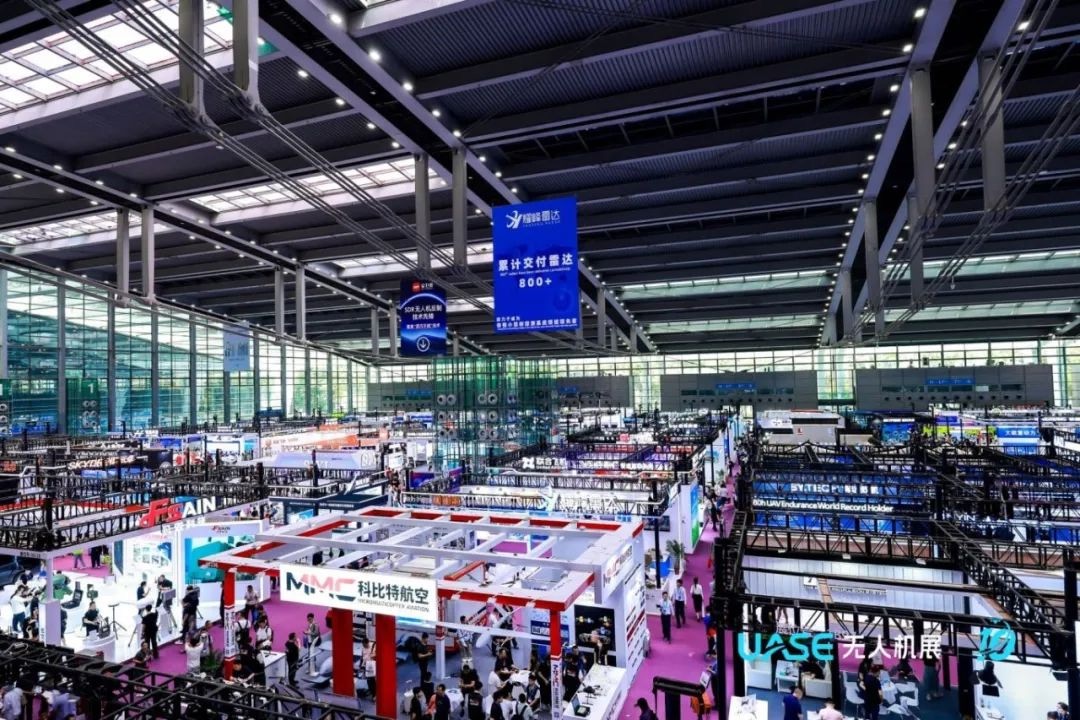
Lviv-based engineers from Pawell Battery have been invited to the China Drone Exhibition as Ukraine’s only representatives in the drone battery segment. It is the world’s largest drone exhibition, bringing together more than 150,000 participants from 135 countries and effectively shaping the global market.
In the city of Shenzhen, the Ukrainian developers will "hunt" for the latest innovations to quickly implement them to improve Ukrainian drones, company founder Pavlo Yesyp told Censor.NET’s Drone Industry project.
197 km into the enemy rear: experience that no laboratory in the world can replicate
Pawell Battery is a team of engineers from Lviv that develops batteries for drones. Until recently, UAVs operated at a range of 30 km, while today, with Pawell solutions, they can reach up to 197 km into the enemy rear. This means a drone worth about US$500 can hit equipment worth tens of millions of dollars.
To reach this level, the team systematically built direct relationships with Asian manufacturers of battery cells and battery components through test batches, quality checks and strict partner selection. The key condition is working only with Asian suppliers that do not cooperate with Russia as a matter of principle.
"Ukrainian companies today have unique combat-proven experience. No laboratory in the world has such arrays of data on battery performance under peak loads in extreme conditions. Our key driver has been a focus on R&D: we do not simply integrate off-the-shelf solutions, but set technical requirements directly for cell manufacturers. This allows us to transform experimental developments into stable power systems that guarantee predictable results on the battlefield," Pavlo Yesyp said.
Pawell Battery to be Ukraine’s only representative in battery segment
The exhibition is unique because it presents not only ready-made drones, but the entire process of creating them, from components to serial production, and it is where the largest contracts are signed. The organizers separately demonstrate the scale of the technology: synchronized flights of more than 10,000 drones and records involving more than 15,000 UAVs simultaneously.
At the exhibition, the Pawell Battery team will present its most effective solutions, batteries that are already being used in real conditions.
"We show the result, how the product works, but we do not disclose the critical solutions inside. Our protection is speed: while someone is trying to copy us, we are already implementing the next generation of technologies," Pavlo Yesyp stressed.
The main goal of the trip is to find new solutions that can be quickly implemented in the company’s developments, as Asia is now the center of electric vehicle development and, at the same time, new battery technologies.
"Everything that is happening in electric cars, racing drones and cargo drones in terms of power supply, we take the best approaches and adapt them for Ukrainian drones: charging speed, energy density, new chemical compositions. We see this as a source of solutions that can be quickly adapted," the company founder explained.
How engineers plan to change the Ukrainian market after the trip
According to the specialists, the main gap between Ukraine and leading Asian plants lies in the level of automation. In Ukraine, cells are often selected manually. In Asia, this is done by automated lines that select cells according to precise parameters, which directly determines battery stability and service life.
The team plans to study such production facilities from the inside and launch similar lines in Ukraine after the trip. In practice, this means a specific result: within several months, moving to a different level of production and doubling output from about 6,000 to 12,000 batteries per month without expanding the team.
What else may change:
- Increased range: drones will be able to fly 15-20% farther without a change in weight.
- Resistance to conditions: stable battery operation in cold weather and under load.
- Lower cost: a 10-15% reduction through direct contracts with manufacturers.
- Stable supplies: the ability to plan production months ahead without disruptions.
- Direct contracts: quality control and less dependence on intermediaries.
"We are not going there for ideas, but for specific solutions. Our task is to quickly integrate them into production so that drones fly farther, operate more reliably and are produced in larger volumes," Pavlo Yesyp summed up.


