



Graham’s Russia sanctions bill at risk of delay, – NYT
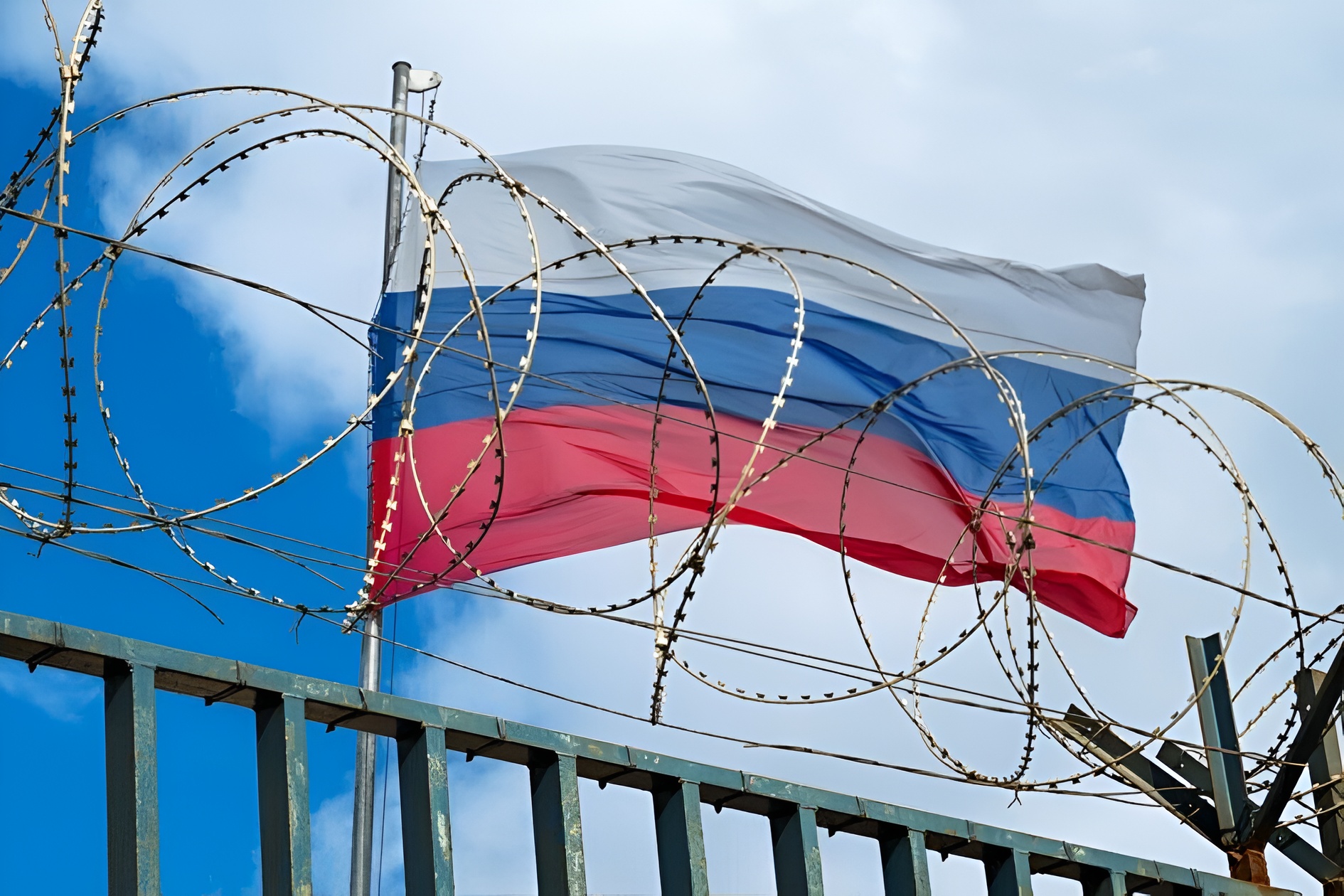
A new package of sanctions against Russia has stalled due to disagreements over the U.S. president's authority to waive tariffs.
According to Censor.NET, this was reported by the NYT.
U.S. lawmakers have reached an impasse over a new bill imposing sanctions on importers of Russian oil. The bill proposes granting Donald Trump the authority, at his discretion, to both impose 100 percent tariffs on such countries and lift them.
According to the publication, the dispute has escalated into a fundamental political confrontation:
Republicans argue that flexibility in applying tariffs will allow for more effective pressure on Russia, and they are threatening to use a presidential veto against any restrictions on Trump's actions.
The Democrats are taking a hardline stance against the proposal. In light of the White House’s tariff initiatives, they are categorically opposed to expanding the president’s powers, accusing him of usurping the functions of Congress.
The Graham-Blumenthal Bill: What Do We Know?
The Graham-Blumenthal Bill (Sanctioning Russia Act) is a bipartisan initiative by Republican Senator Lindsey Graham and Democratic Senator Richard Blumenthal, aimed at significantly increasing economic pressure on Russia and its trading partners. Following Graham’s death, his co-authors continue to push the bill forward.
Key provisions of the bill:
- the imposition of sanctions against the leadership of the Russian Federation, state-owned banks, the energy sector, and the so-called "shadow fleet";
- granting the U.S. president the authority to impose secondary tariffs of up to 100% on countries that continue to purchase significant volumes of Russian oil, gas, and other energy resources. The initial version called for a 500% tariff, but following negotiations, the document was amended to a maximum of 100%;
- The law provides for the president to temporarily defer the imposition of certain sanctions or tariffs if it is in the national interest of the United States.


