



At record altitudes: ranking of shootdowns of highest-altitude enemy targets by Ukrainian Sting interceptor drones. VIDEO
Drone Industry
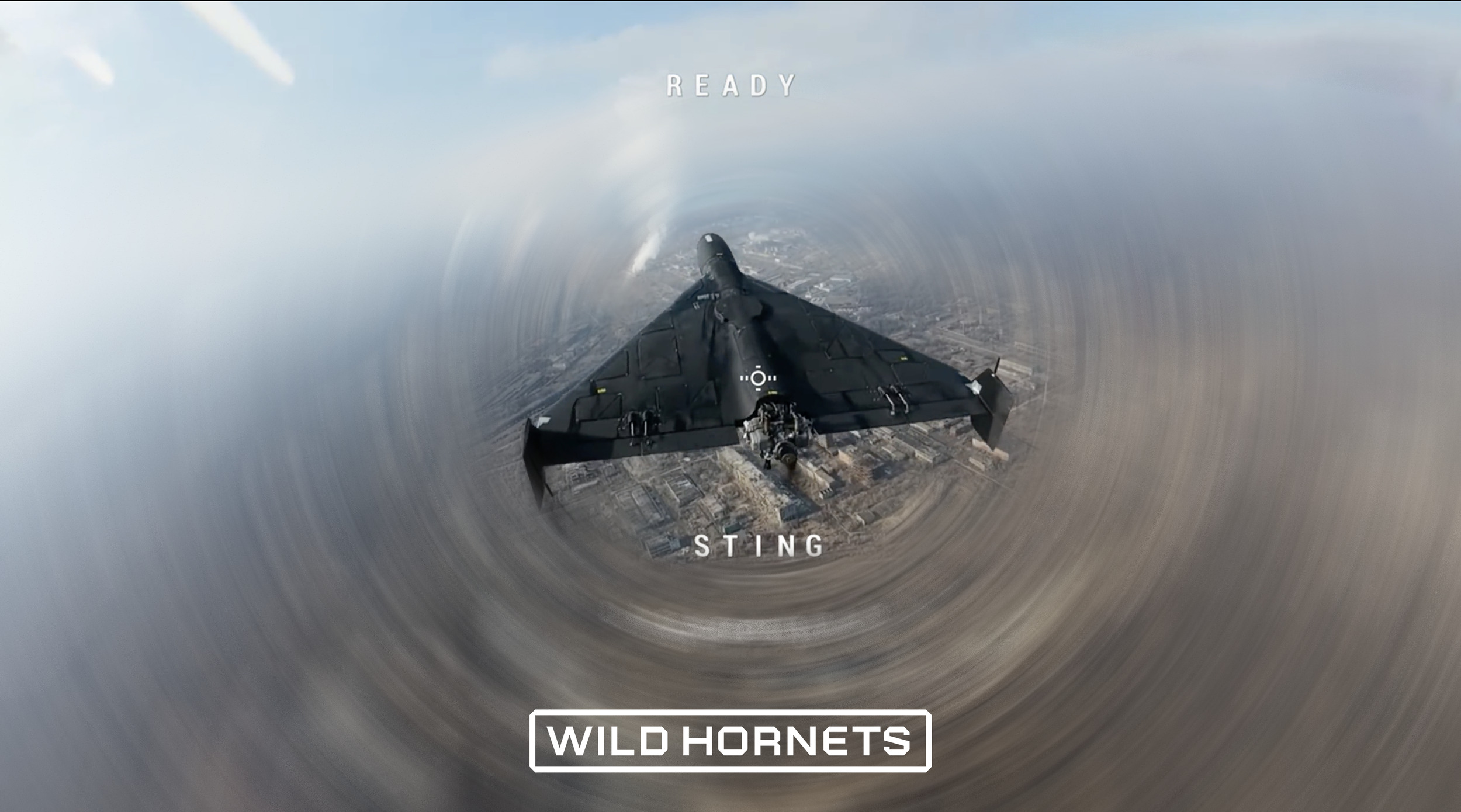
Ukrainian troops are demonstrating exceptional operational effectiveness, destroying Russian UAVs with high-speed Sting interceptor drones under extreme conditions.
According to confirmed data, successful interceptions have been recorded in recent months both at altitudes of 6–7 kilometres, previously considered relatively safe for Russian reconnaissance UAVs, and at extremely low altitudes that enemy Shahed drones attempt to use, Wild Hornets, the company that manufactures the Sting interceptor, told Censor.NET’s Drone Industry project.
In recent months, crews from several units have struck targets at record altitudes:
- 6,858 metres – the 105th Border Guard Detachment named after Prince Volodymyr the Great of the State Border Guard Service of Ukraine;
- 6,630 metres – the 12th Separate Special Operations Centre (12th SSOC);
- 6,620 metres – the 104th Separate Territorial Defence Forces Brigade (104th STDFB);
- 6,570 metres – the 38th Anti-Aircraft Missile Regiment named after General-Khorunzhyi Yurii Tiutiunnyk (38th AAMR);
- 5,984 metres – the Liut United Assault Brigade of the National Police of Ukraine (Liut UAB NPU);
- 5,750 metres, 5,450 metres and 5,270 metres – the 27th Separate Regiment of the National Guard of Ukraine named after Prince Sviatoslav Yaroslavovych (27th SR NGU).
All the targets destroyed at these altitudes were Russian ZALA Z-20 reconnaissance UAVs. The enemy sends them to higher altitudes to evade Ukrainian air defences. However, the skill of Sting interceptor pilots proves that there are no longer any safe places for the occupiers in Ukrainian skies.
The cost of a single ZALA Z-20 UAV is estimated at $200,000. Therefore, the total losses inflicted on the enemy through these shoot-downs alone amount to approximately $1.6 million. More importantly, destroying such UAVs at high altitudes thwarts the enemy’s attempts to conduct aerial reconnaissance and adjust its strikes.
Meanwhile, Russian Shahed/Geran and Gerbera attack drones are increasingly flying at extremely low altitudes to avoid interception. However, Sting operators give them no chance, shooting down enemy targets even just a few metres above the ground.
As a reminder, the high-speed Sting interceptor drone has consistently ranked first in the number of Russian Shahed-type UAVs destroyed since last autumn. According to confirmed data, in the first half of 2026, combat units of Ukraine’s Defence Forces used these interceptors to shoot down more than 9,000 Russian Shahed/Geran and Gerbera UAVs of various modifications, including jet-powered models.
The introduction of the Hornet Vision Ctrl remote drone-control system, unveiled by the Ukrainian MilTech company Wild Hornets in March this year, has helped increase interception effectiveness in recent months.
Hornet Vision Ctrl is currently being deployed. To accelerate the process and assist the defenders of Ukrainian skies, Wild Hornets provided combat units of the Air Force of the Armed Forces of Ukraine with the first 160 such systems free of charge.
About the company "Wild Hornets"
Wild Hornets is a Ukrainian MilTech company engaged in the development and production of unmanned systems.
Wild Hornets was among the pioneers of using FPV drones for combat purposes and developed Sting, the most effective high-speed interceptor drone for destroying enemy Shahed-type kamikaze drones. Its emergence effectively shaped the interceptor drone niche in Ukraine.
The company combines leadership in this category with an ecosystem of combat drones and innovative communication technologies that will allow pilots to control drones remotely.
Drones produced by Wild Hornets are now used by more than 100 units of Ukraine's Defense Forces: the Armed Forces of Ukraine, the National Guard, the Special Operations Forces, the Security Service of Ukraine, the Defense Ministry's Main Intelligence Directorate, the Air Force, and the State Border Guard Service.


