



Law enforcement officials are identifying Russian units and commanders involved in FPV drone attacks on civilians
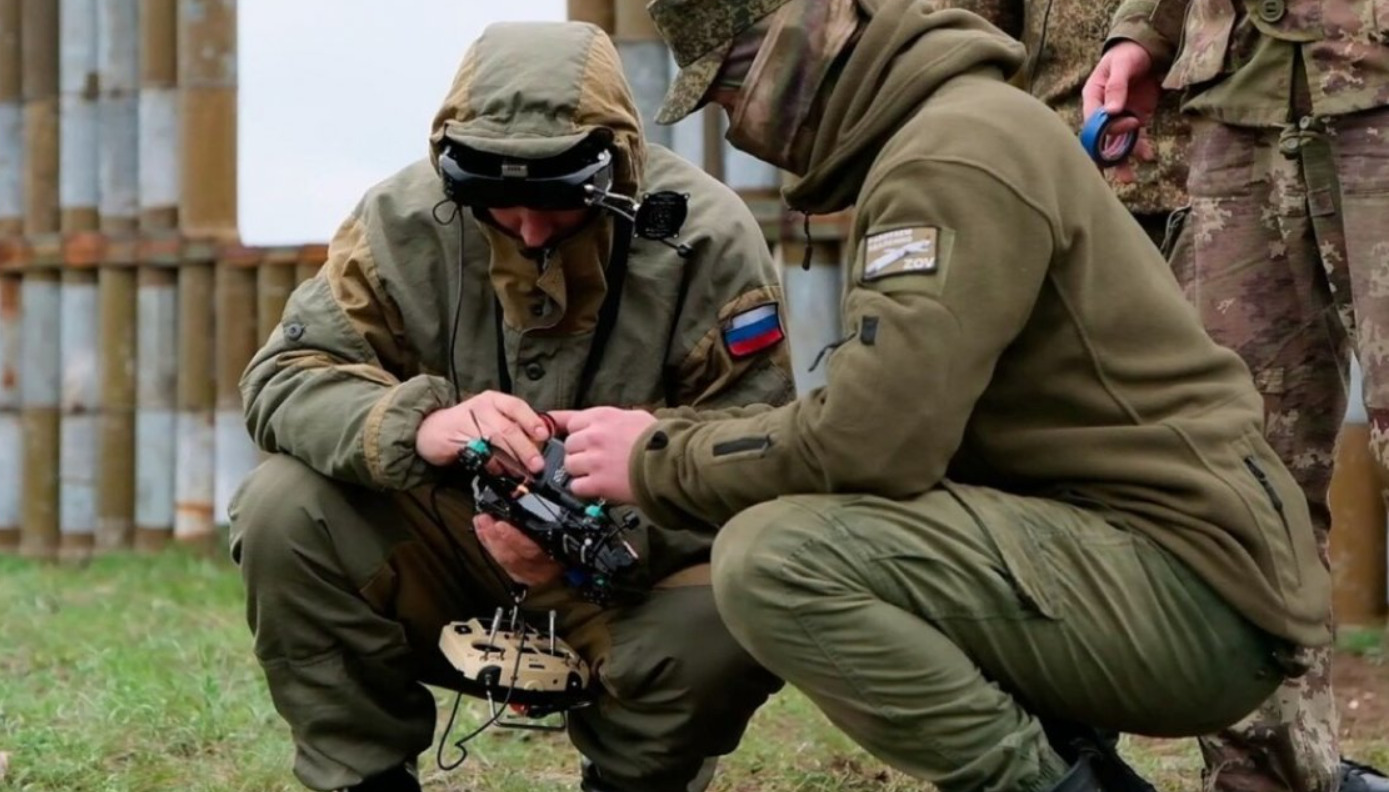
Russian soldiers who are hunting down Ukrainian civilians using FPV drones are being identified. Those giving them orders are also being identified.
Deputy Prosecutor General Andrii Leshchenko spoke about this in a comment to Censor.NET.
"At this stage, we are working closely with our military and intelligence agencies, receiving from them, for example, radio intercepts that record orders to commit such a crime. We can obtain intercepts directly from FPV drones, which allows us to identify the unit that carried out the attack on a civilian facility or a civilian. These are then analyzed with the help of our military advisers, the regulatory documents we manage to obtain during the pre-trial investigation—for example, certain algorithms or procedures officially approved in the Russian Federation regarding the use of FPV drones—which can provide information about the specific individual responsible at the unit level for the deployment of such drones," he noted.
The Deputy Prosecutor General also noted that the Criminal Code provides for a form of liability known as command responsibility, whereby commanders are held accountable for war crimes; thus, it is not only the perpetrators who will face consequences. "A striking example is the investigation into the events in the city of Bucha, Kyiv Oblast, in 2022, when, after analyzing the body of evidence gathered in various criminal proceedings regarding the killings of civilians, it was established that the same unit was stationed at the locations where the majority of these killings took place (three locations). The same person served as the commander of this unit for the entire time he was in Bucha," says Andrii Leshchenko. "In some cases, we were even able to obtain information that he had issued orders to commit such crimes; in other cases, we confirmed his presence at these locations during or prior to the commission of such crimes. Based on the evidence gathered, we were able to hold him criminally liable for war crimes specifically under the principle of command responsibility, since prosecutors were able to prove that this individual was aware that his subordinates were committing these crimes. The same principle applies to investigations of both war crimes and the use of strike drones.
"If we know the unit, we take steps to obtain evidence of the unit commander’s knowledge that his subordinates were committing these crimes."


