



European Parliament has approved funding for testing of defence projects in Ukraine
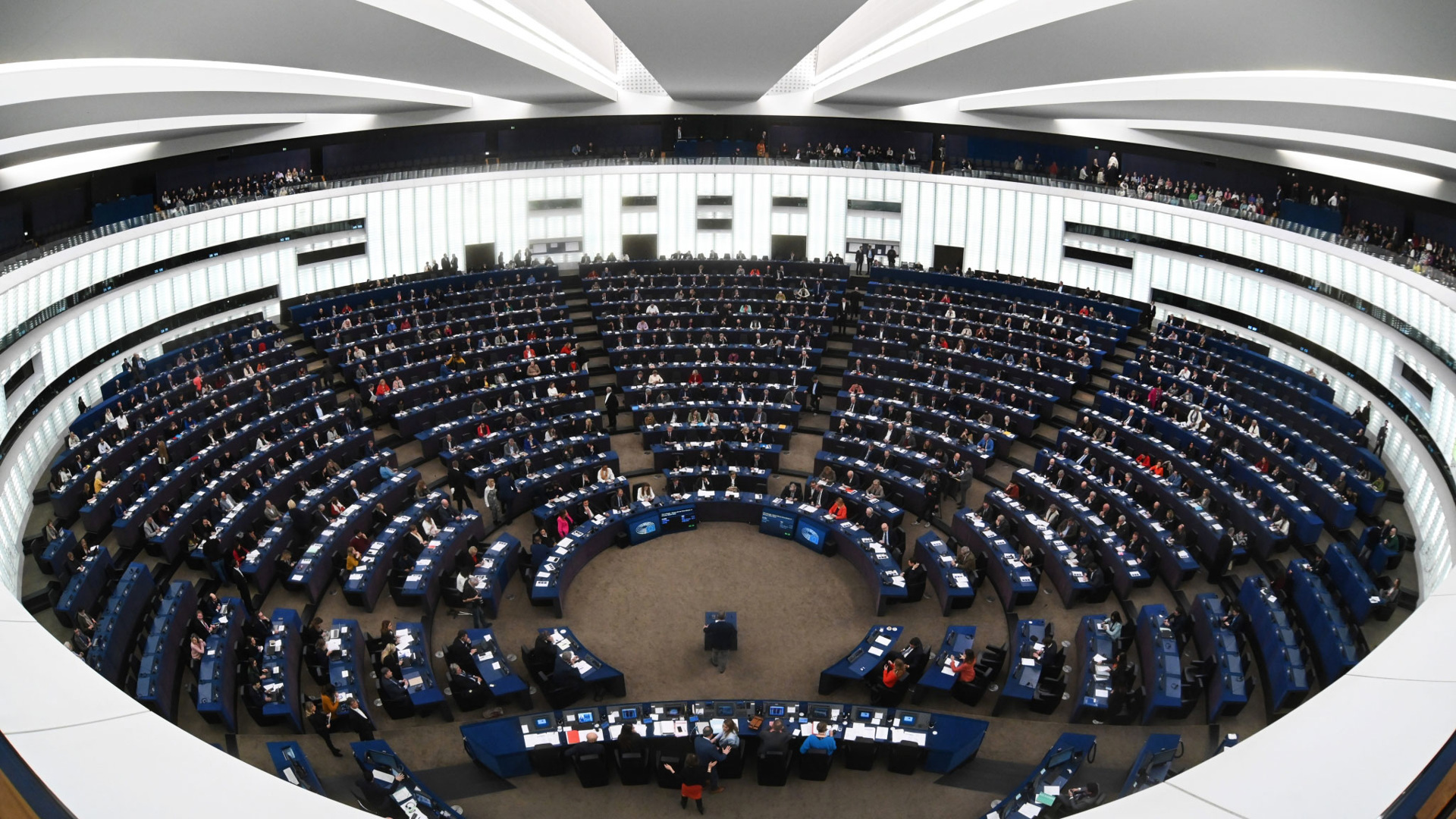
The European Parliament has approved amendments as part of the Omnibus V package, which will allow expenditure on testing defence projects in Ukraine to be funded from the European Defence Fund.
According to Censor.NET, this is stated in a press release from the European Parliament.
The EU will fund the testing of defence projects in Ukraine
The changes are intended to simplify the management and implementation of European Defence Fund programmes.
In particular, the costs of conducting tests in Ukraine, as a candidate country, may be funded by the European Defence Fund.
"To strengthen cooperation with Ukrainian institutions, MEPs and Member States have agreed that the costs associated with conducting tests in Ukraine, as a candidate country, will be funded by the European Defence Fund," the press release states.
The selection criteria for defence projects are also being clarified. There are plans to increase funding for initiatives involving small and medium-sized enterprises.
The European Parliament has broadly endorsed the three legislative acts comprising the Omnibus V package. These relate to speeding up authorisation procedures for defence readiness projects, simplifying the movement of defence products and procurement within the EU, and facilitating investment and the operations of the defence industry.
Defence projects will benefit from simplified procedures
According to the European Parliament, the proposed changes are intended to support defence investment of up to €800 billion over the next four years as part of the ReArm Europe / Readiness 2030 plan.
For the construction of defence facilities or the expansion of existing production capacity, a standard EU-wide baseline timeframe for decision-making on permits has been established: 42 working days following confirmation that the application is complete.
In exceptional cases, this period may be extended.
If the national authorities fail to take a decision within the prescribed time limit, the principle of tacit consent shall apply.
EU Member States should also set up single points of contact to provide support for defence projects, enable digital tracking of applications and assist small and medium-sized enterprises.
A separate piece of legislation provides for a general licence for the transfer of defence products between EU countries. In addition, the maximum duration of framework defence contracts will be extended from seven to ten years, and Member States will have greater opportunities for joint procurement.
EU countries will be permitted to apply certain exemptions from European environmental and chemicals legislation in the interests of defence, provided that such decisions are duly justified.
The new rules will come into force on the twentieth day following their publication in the Official Journal of the European Union.


