



’In Kupiansk and villages to north, not everything has been destroyed; in Vovchansk, everything has been reduced to rubble,’ - Trehubov
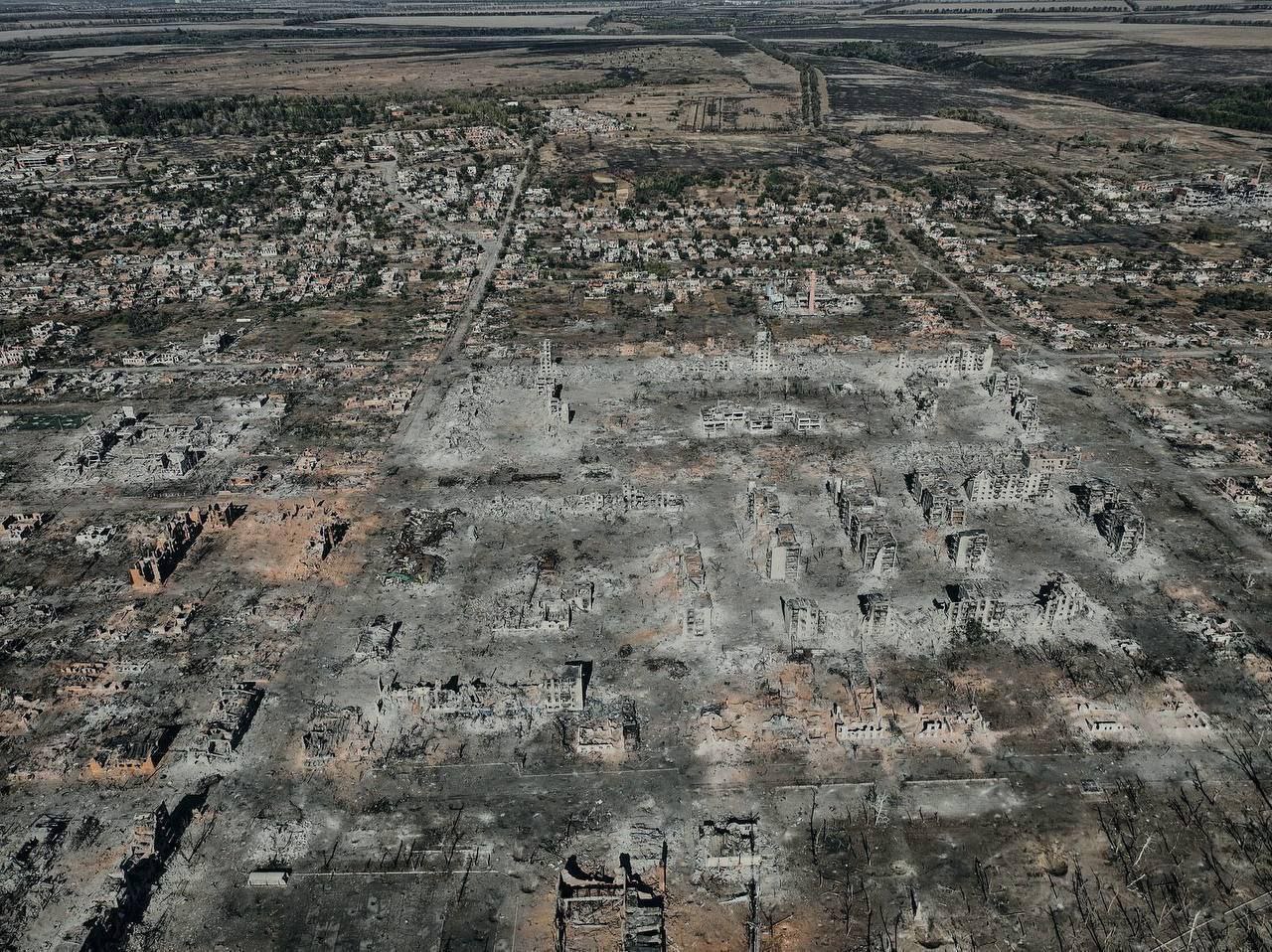
Viktor Trehubov, spokesperson for the Joint Forces Operation (JFO), spoke about the destruction in settlements along the Kupiansk sector of the front line, where the Defence Forces have cleared several villages of infiltrators.
He spoke about this during the telethon, according to Censor.NET, citing Interfax-Ukraine.
The extent of the damage
He emphasised that the extent of the damage in this area varies greatly depending on the specific region. There are usually no buildings left standing, but in some places there are buildings that have survived.
"If we’re talking, for example, about the small villages north of Kupiansk, not everything there has been destroyed. But if we’re talking about, for example, Vovchansk, it’s simply been reduced to rubble," added Trehubov.
The spokesperson noted that the extent of the damage depends on whether active, direct fighting took place in the town and its surroundings, and for how long.
"Yes, for the most part it’s been destroyed there, and yes, the local residents were evacuated a long time ago. But the extent of the destruction can vary; even if we compare Kupiansk and Vovchansk – both are destroyed, but they haven’t been destroyed to the same degree. Still, in Kupiansk – despite its dire condition – things aren’t quite as thoroughly devastated as they are in Vovchansk, where, in fact, the fighting has been going on for three years and is still ongoing," he said.
The situation in the Kupiansk sector
According to Trehubov, in the Kupiansk sector, pressure is being brought to bear on the occupiers on the right bank of the Oskil River, whilst on the left bank, conversely, the enemy is putting pressure on the Defence Forces’ bridgehead.
"In the vicinity of Dvorichna – the Russians are increasingly being pushed right up against the settlement itself and the River Oskil. The situation there is relatively favourable; there is constant pressure on Russian positions and their logistics are struggling, so this works in our favour. Consequently, Kupiansk, on the right bank – that is, directly to the south of this area – is also benefiting from this, as the logistical routes the Russians are using to try to transport personnel directly into the city are being cut off there. And, as a result, fewer people are able to infiltrate the area. Consequently, the number of Russians there is gradually decreasing. They are present in the northern districts, but their numbers are dwindling," said the spokesperson.
"If we’re talking about the left bank – the area beyond the Oskol River, including Kupiansk-Vuzlovyi – well, it’s obviously more complicated there, because the Russians are advancing on our bridgehead. Our bridgehead, consequently, is under attack from Russian drones. Our logistics are consequently hampered, so we have to hold our ground there. We’re holding our ground, but, of course, the geography there isn’t really in our favour at the moment. But we have to take this into account and fight accordingly – which is, in fact, what has been happening for the past six months," added Trehubov.


