



Approach used in early years of war no longer works: military officials and defence industry representatives at ’Defence 2027’ forum called for change in command and control systems. PHOTOS
Old combat practices no longer work, and the experience gained during the first years of the full-scale invasion has become completely obsolete – a confrontation between large-scale technological systems is now underway on the front line, which requires a radical reform of the army and its command structure.
This was discussed at the forum ‘Defence 2027: Army, Technology, Industry’, held in Kyiv and organised by Radio NV and the National Association of the Defence Industry of Ukraine, reports Censor.NET.
Technology, drones and army reform
The event brought together combat commanders, arms manufacturers and government officials to explore how the Ukrainian military can stay one step ahead of the enemy in a context where battlefield technology is changing on a monthly basis. Key topics of discussion included the widespread use of UAVs, the effectiveness of procurement, and the need to protect personnel on the front line.
Tetyana Chornovol, an officer in the Ukrainian Armed Forces, delivered a separate speech at the forum. She emphasised that the nature of modern warfare has changed radically, and that old combat practices have become completely obsolete.
"During this war, I have used many different weapons and tactics, and I can see how the battlefield is transforming. Whilst at the start of the full-scale invasion we said that this war resembled a hybrid of the First and Second World Wars, we can now forget about that. All that experience and know-how – it’s no longer relevant," the serviceman emphasised.
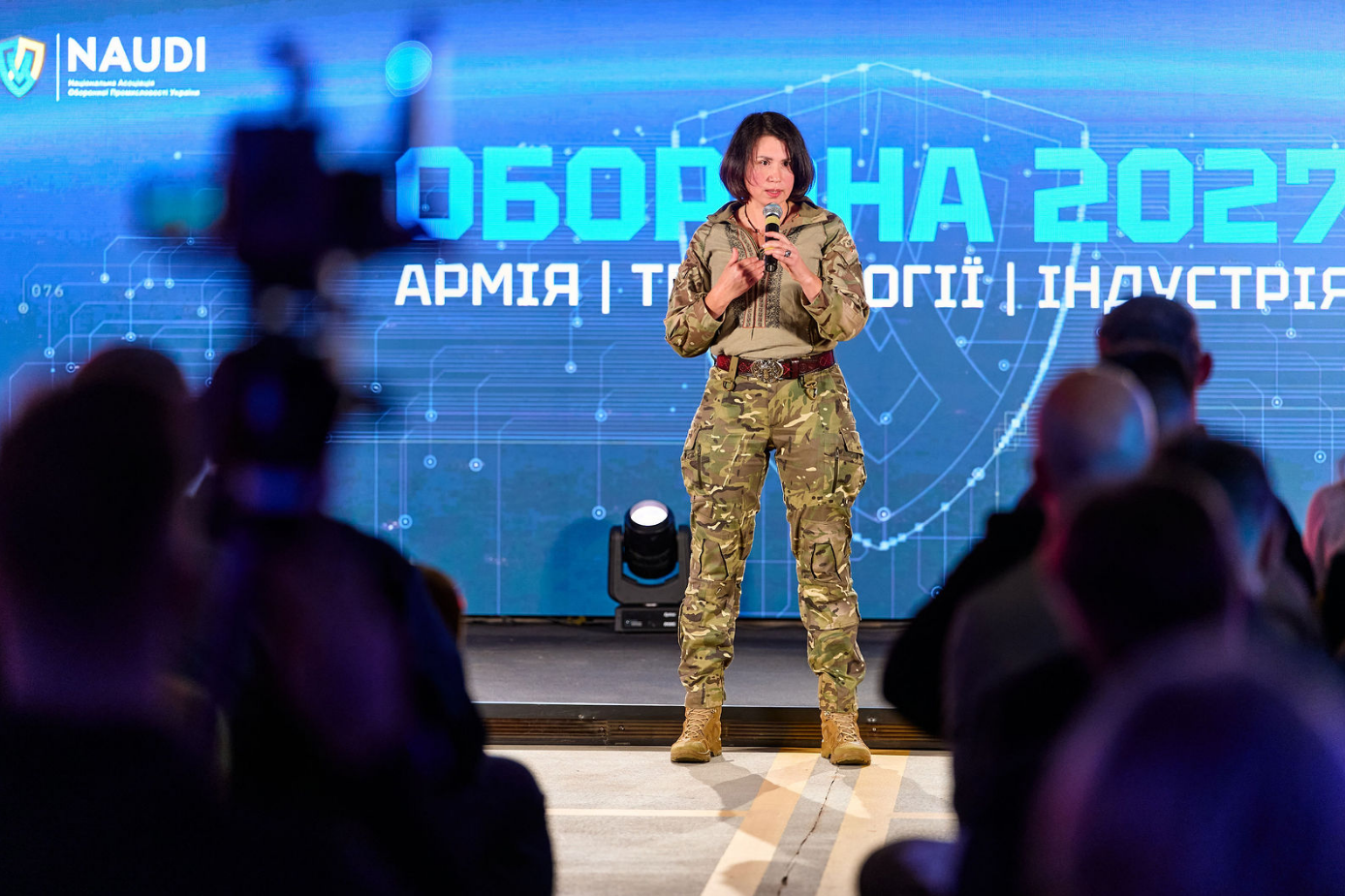
Chornovol emphasised that technology and the preservation of human life play a key role today, which requires a change in approach at all levels of command.
"Phenomena such as ‘infantry in foxholes’, sitting surrounded by the enemy with nothing but an assault rifle, must disappear. All it takes is to open our eyes, assess reality soberly, and take the utmost care of our people. At every level of command, there must be a strict policy and accountability for every casualty: was it justified, could it have been avoided, and could the combat mission have been carried out differently? And as soon as this policy is strictly enforced at all levels – believe me, this ‘infantry in foxholes’ will simply disappear as a phenomenon."
During the first panel discussion, dedicated to the demands that new technologies place on the Armed Forces of Ukraine, Yuriy Butusov, commander of the UAV company of the 23rd Assault Regiment within the 2nd Corps of the National Guard of Ukraine "Charter", shared his experience and vision for the development of unmanned systems.
He emphasised that today’s front lines are witnessing a confrontation between large, organised and technologically advanced systems, and that victory depends on the speed at which command structures adapt:
"Both technology and systems of military organisation are currently scaling up rapidly. To keep pace with these changes, we must stay one step ahead of the enemy. And this is possible only by improving the command and control system and promoting, at all levels, commanders who understand what technological warfare entails. Planning for combat operations must begin precisely with a clear understanding of and mastery over technological weaponry," he emphasised.
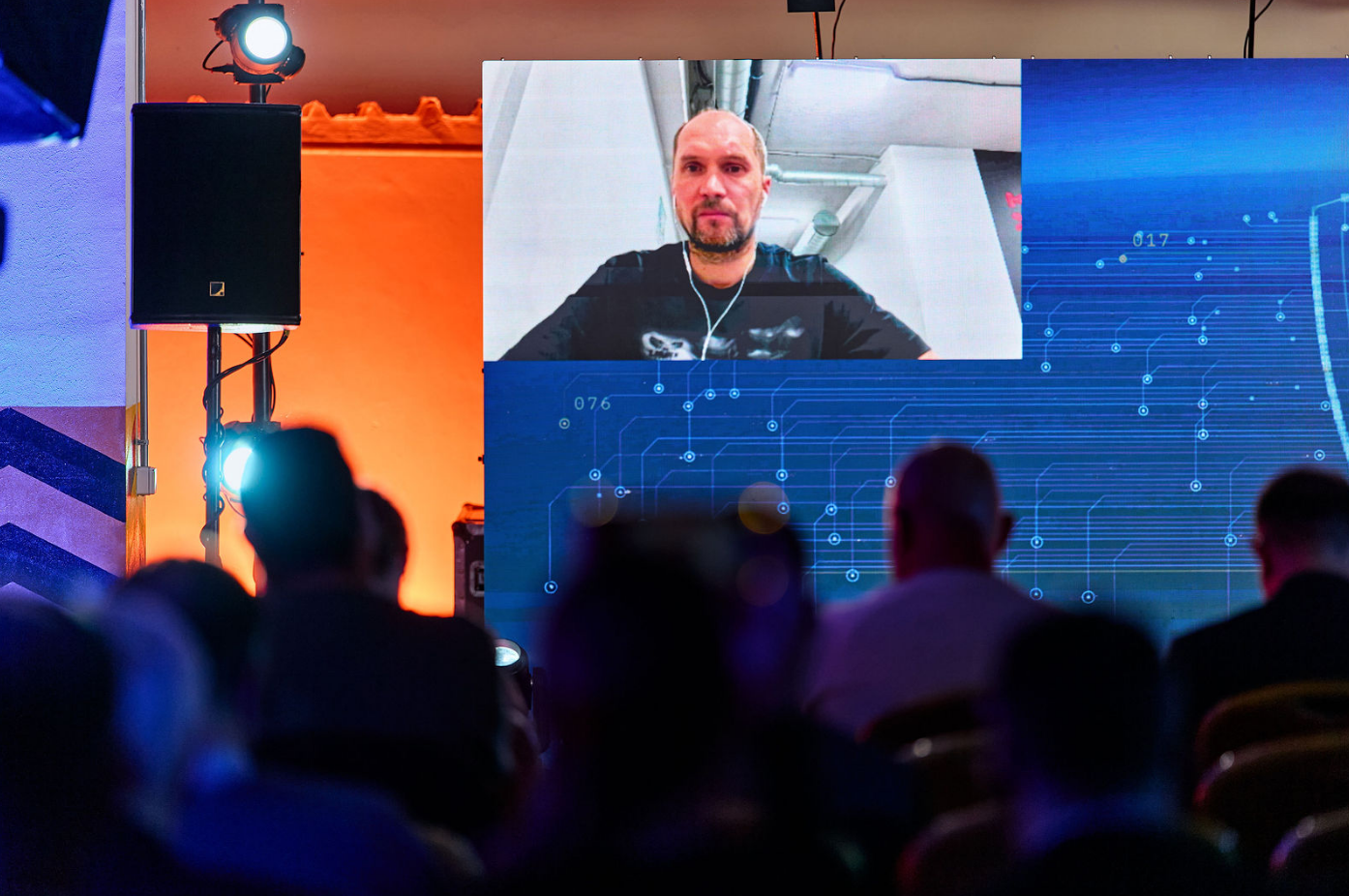
Yuriy Butusov also highlighted the need for an immediate response to challenges on the battlefield from the entire defence chain of command:
"The army that adapts its organisational structure more quickly and appoints commanders capable of waging such a war will be better able to scale up modern solutions. Technology changes every month, and it is impossible to plan for this in advance – an immediate response is required. That is precisely why there must be constant adaptation at all levels: commanders, planners and procurement officers."
Weapons 2027: long-term contracts and the defence industry’s integration into the EU
The second panel of the forum was devoted to the issue of supplying the front line and the integration of the Ukrainian defence industry into the European arms market.
Serhiy Goncharov, Executive Director of NAUDI, emphasised the importance of predictability for both the private and public sectors of the defence industry.
"We are currently dealing with the issue of ‘Shahed’ drones and small cruise missiles on a reactive basis, and we can see that this requires more time. As early as last year, it was known that the enemy would be ramping up the drone component of its long-range capabilities. However, the state and the business sector did not communicate effectively enough to be prepared for such widespread use. Today, solutions are being finalised, but we must understand that what we are developing now will no longer be relevant in six months’ time. And this trend will be ongoing," warned Serhiy Goncharov.
In his view, the only way to break this cycle is through close dialogue between developers and the military:
"We must be far more proactive in developing new products, working in synergy with combat units, the Ministry of Defence and the General Staff, so that we can predict in advance what will be effective on the battlefield."
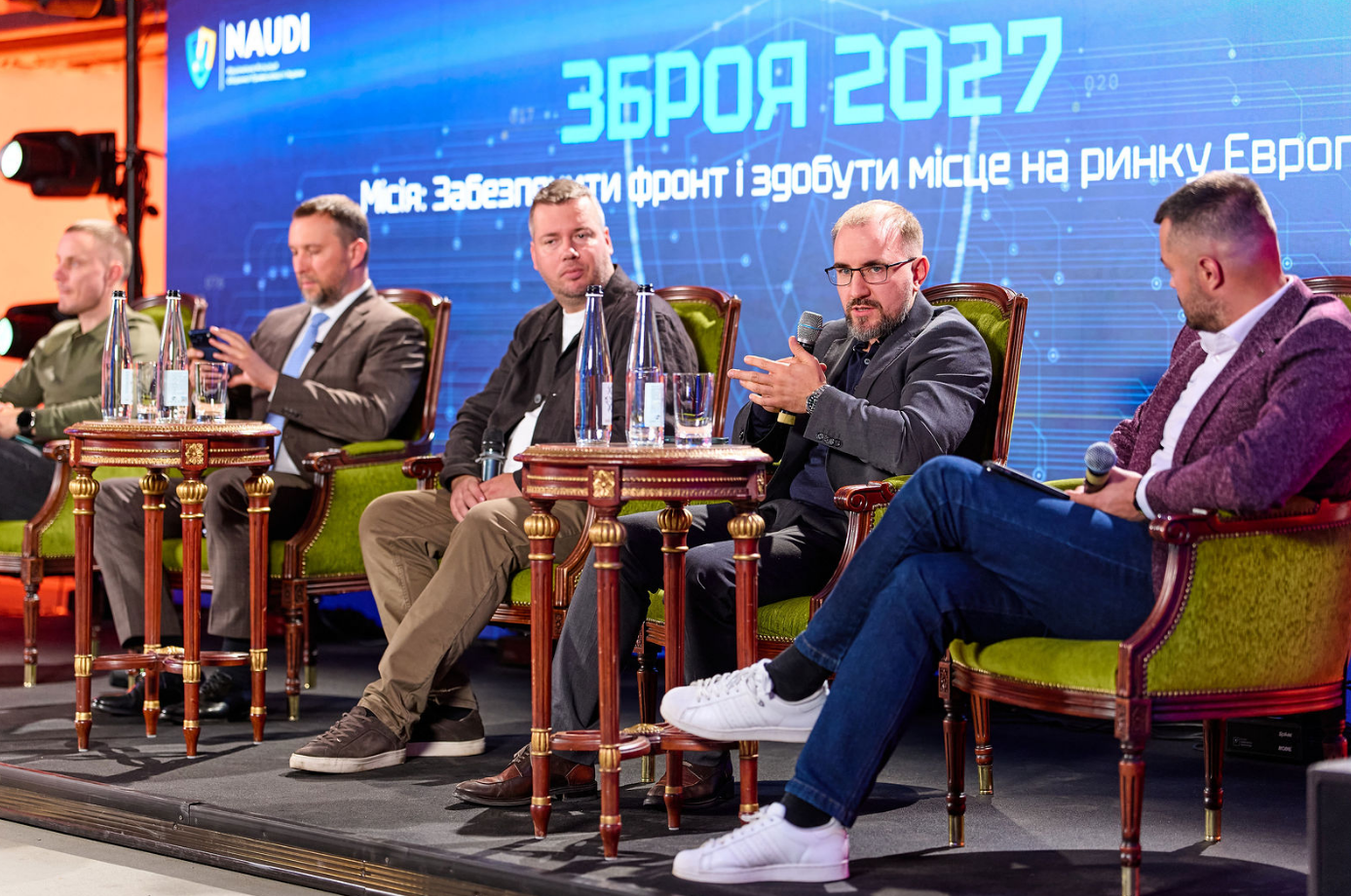
Vladyslav Belbas, CEO of ‘Ukrainian Armoured Vehicles’, also supported the view on the importance of developing the domestic defence industry and engaging partners.
He noted that customers must clearly realise that effective defence is impossible without the development of domestic production. He also pointed out that most weapons and military equipment are currently procured domestically, whilst air defence systems are predominantly imported.
At the same time, Vladislav Belbas emphasised that, in order to make a technological leap forward, Ukraine needs to open up markets and change its approach to exports:
"My philosophy regarding our market is that opening up arms exports is not merely a way of generating foreign exchange earnings and tax revenue, but first and foremost a tool for attracting large-scale investment. Overseas players are aware of our market, but are afraid to enter it because it is closed. Investors coming here do not understand how to sell the products afterwards. At the same time, Western capital, funds and companies are on a completely different scale to our budget – it is precisely they who could bring both money and the latest technologies to Ukraine," explained the company’s director.
In his view, it is precisely the opening up of markets that will enable us to attract foreign partners and make a breakthrough in key areas of the defence industry.
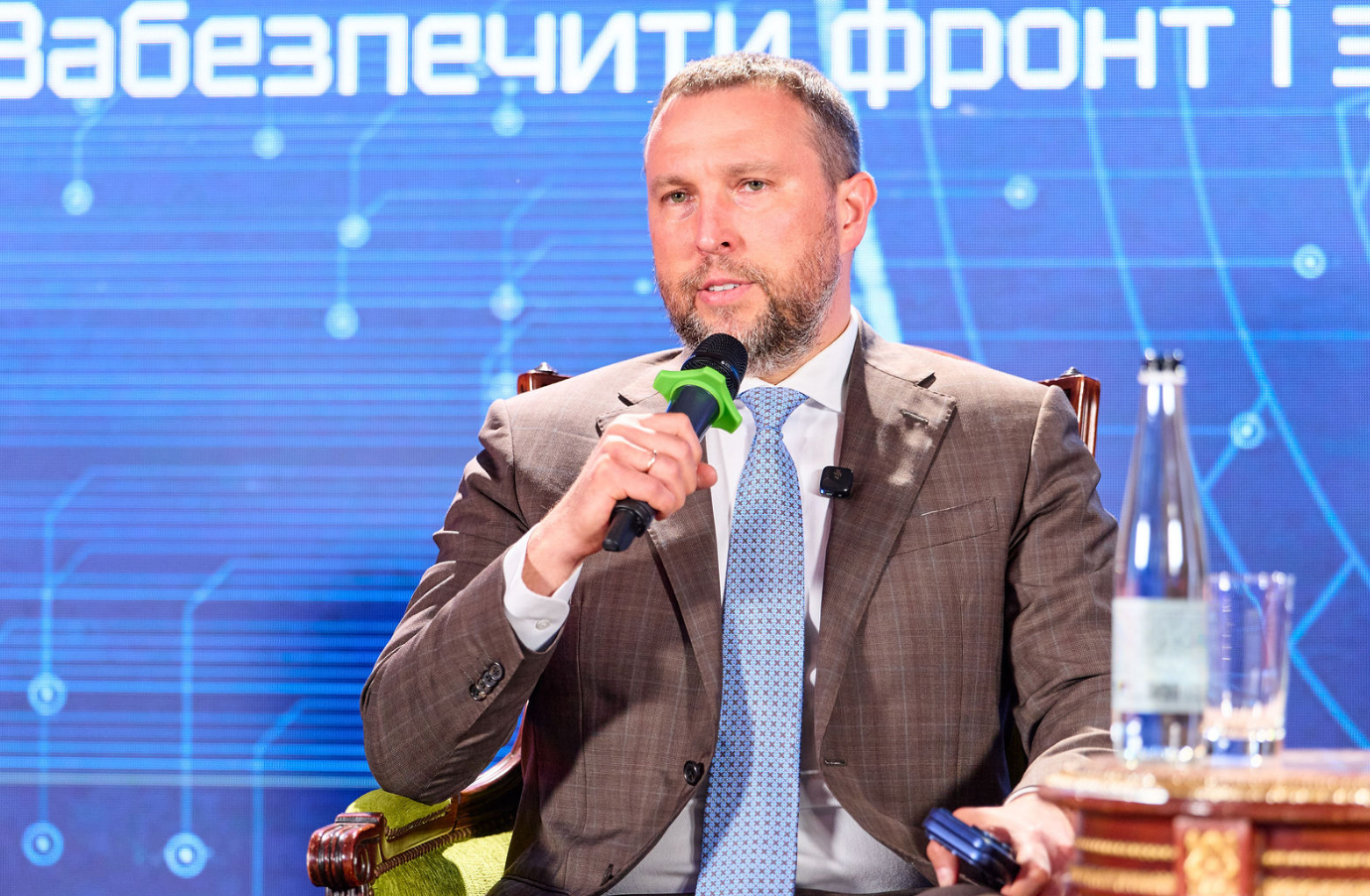
"We need to open up markets to attract partners. My vision for next year is that all this should provide a boost to the development of ballistic and anti-ballistic technologies. That is our main objective."
The "Defence 2027" forum has become an important platform for shaping a joint strategy between the state, the army, and the business sector, confirming that it is technological superiority and a strong defence industry that are the key to Ukraine’s victory and long-term security.


