



US proposed unfreezing assets, sale of stake in Lukoil, and potash exports from Belarus to Russia in exchange for partial truce, - NYT
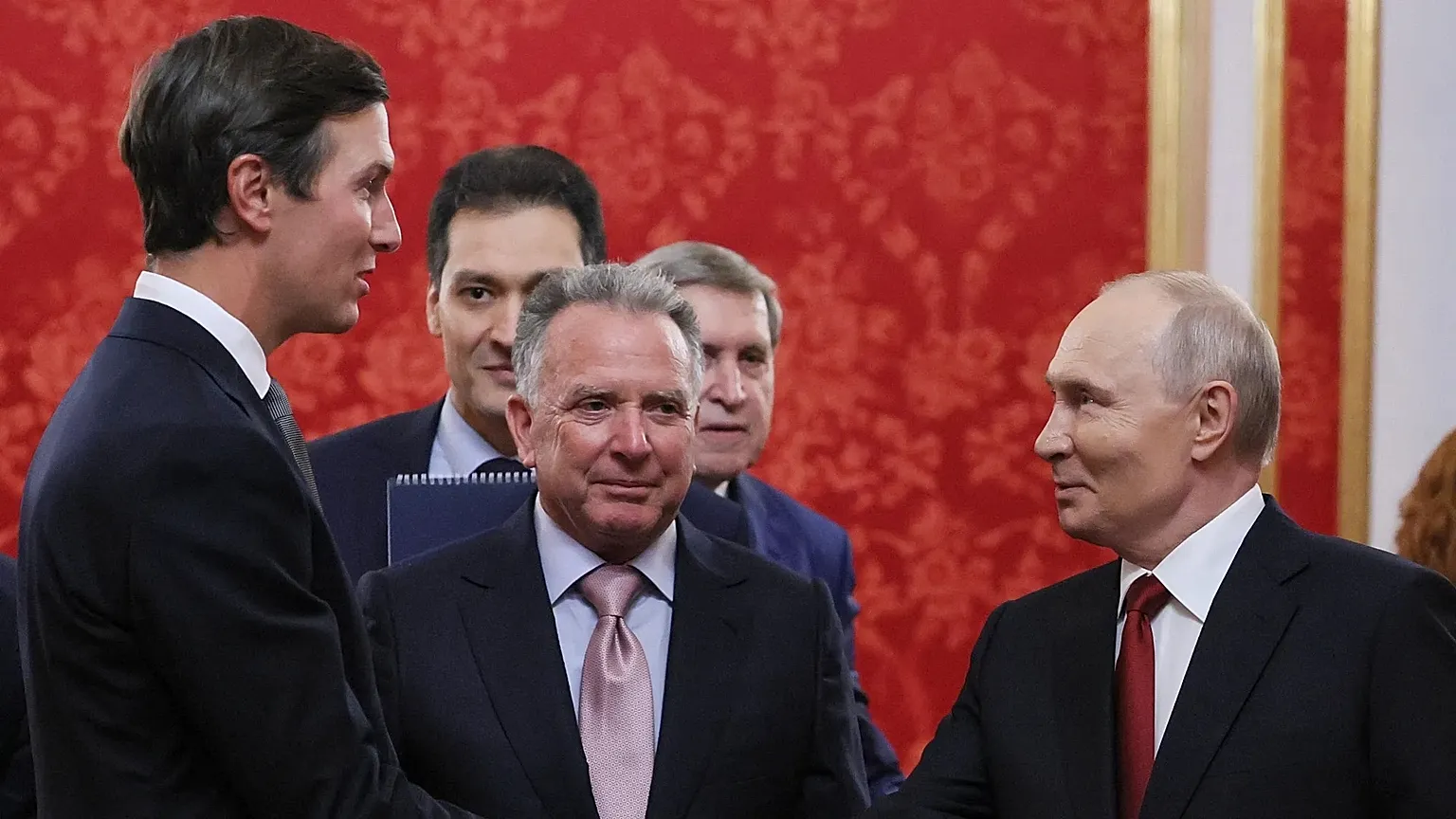
In late September, the U.S. offered Russia economic incentives in exchange for a partial ceasefire.
The New York Times reports this, citing a number of sources, according to Censor.NET.
According to the publication, U.S. negotiators Jared Kushner and Steve Witkoff offered Russia three attractive economic incentives in late September to persuade Moscow to agree to a truce in the energy sector or at sea.
Ukrainian officials were surprised by just how far the Americans had gone, according to the NYT.
Unfreezing Russian Assets
In particular, Washington proposed unfreezing billions in Russian state assets. The publication reports that this money was viewed as an initial incentive for a partial ceasefire, rather than as a reward for adhering to it.
Sale of Lukoil Shares and Belarusian Potash
The Americans have also revisited the plan to sell a stake in the Russian oil giant Lukoil to a group of Middle Eastern investors, some of whom have business ties to the American negotiators.
According to officials familiar with the negotiations, Witkoff and Kushner also revived a U.S. proposal that would allow Belarus—an ally of Russia—to export potash fertilizers.
Requirements from Ukraine
The NYT reports that Kyiv is cautious about outright rejecting any proposals, but is demanding clear guarantees and safeguards. In particular, the Ukrainian side has proposed mirror payments from frozen assets in favor of Ukraine on a "dollar-for-dollar" basis, or guarantees of additional military aid in the event of any violation of the ceasefire by Russia.
A Dead End in Miami
The publication also reports that peace talks aimed at ending Russia's war against Ukraine have effectively reached an impasse after U.S. President Donald Trump announced a diesel deal with Russia.
The Ukrainian delegation flew to Miami for a meeting with Kushner and Witkoff, but just then Trump had a long phone conversation with Putin and announced the purchase of Russian diesel fuel.
Ukrainian officials said on Saturday, October 10, that the talks in Miami ended without a breakthrough.
What led up to this?
- On October 9, U.S. President Donald Trump stated that he had spoken with Russian dictator Putin, with whom he had agreed on the supply of diesel fuel from Russia to markets in the United States and around the world.
- According to him, Russia will "immediately" supply more than 300,000 metric tons of diesel to the U.S. and global markets, another 500,000 metric tons in November, and another million metric tons "immediately afterward."
-
The U.S. Department of the Treasury announced that, at Trump's direction, the Office of Foreign Assets Control is immediately issuing a temporary general license to allow the supply of Russian diesel fuel to the global market.
- In response, Ukrainian President Volodymyr Zelenskyy called Russia's authorization to sell petroleum products "an investment in war" and urged the U.S. to have a firm conversation with Moscow and impose sanctions under the Lindsey Graham Act.
- As a reminder, amid Ukrainian strikes on Russian oil refineries, Russian authorities have extended the ban on diesel fuel exports several times, at least through the end of October.
- The U.S. president has publicly stated that Ukraine must stop its attacks on Russia’s energy sector because, he claims, this is leading to a diesel fuel shortage. According to him, the shortage is due specifically to the war in Ukraine, not to the U.S. war against Iran.
- Similar statements have been made by other American politicians. For example, U.S. Treasury Secretary Scott Bessent said that Ukrainian strikes on Russia’s energy sector are leading to an energy crisis. He cited the war with Iran as the second cause of the crisis.


