


In Dnipropetrovsk region, TCR staff are carrying out public announcements whilst wearing balaclavas and in cars without number plates: Lubinets has uncovered breach
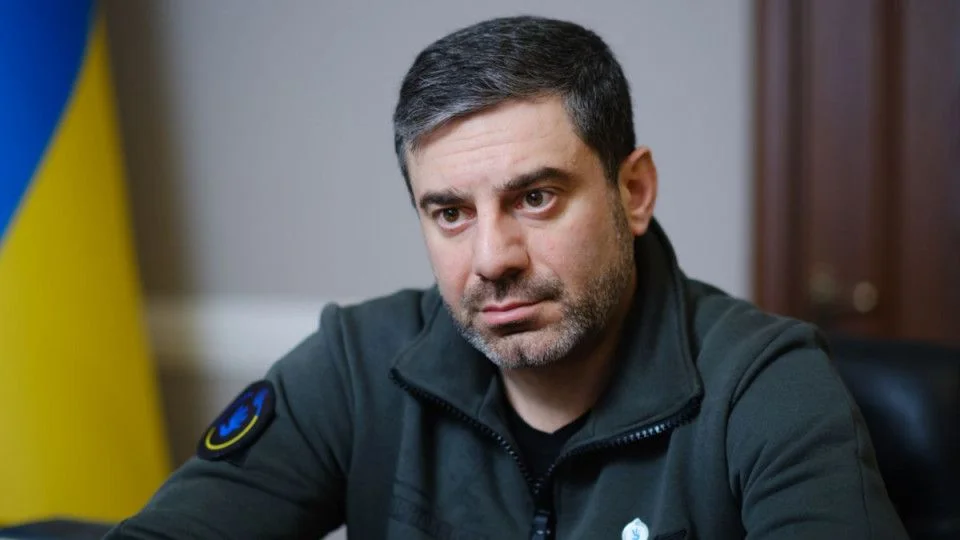
In the Dnipropetrovsk region, representatives of the Ombudsman’s Office documented violations during mobilisation measures, including the use of vehicles without proper number plates and the absence of identification badges among members of the alert teams. The Verkhovna Rada Commissioner for Human Rights, Dmytro Lubinets, attributed responsibility for the identified shortcomings to the military leadership, in particular the Commander-in-Chief of the Armed Forces of Ukraine.
This was reported by Dmytro Lubinets, the Verkhovna Rada’s Human Rights Commissioner, following the results of a monitoring exercise, according to Censor.NET.
Representatives of the Ombudsman’s Office, Vitalii Nikulin and Oleksii Urlatkin, visited the Dnipropetrovsk Regional Territorial Centre for Recruitment and Social Support, its four constituent units, the 68th Military Hospital, the 239th Training Centre for Ukrainian Armed Forces Units, as well as the Samarivska and Dniprovska municipal communities.
Irregularities during the mobilisation of conscripts
According to Lubinets, the monitoring group recorded instances where public announcements were made without the involvement of police officers.
Furthermore, the alert teams used vehicles without the correct registration plates, and their members did not wear the appropriate identification badges.
"In other words, instead of a state representative – a person wearing a balaclava with no identifying marks whatsoever. How is a person liable for military service supposed to react to this?!" – emphasised the ombudsman.
A review of the bodycam footage also revealed that the video recording of the emergency response operations was carried out intermittently, although the regulations require continuous recording.
Relatives are not being informed of the whereabouts of those liable for military service
The Ombudsman’s Office has identified cases where family members were not informed in a timely manner of their loved ones’ whereabouts.
According to Lubinets, some staff at the TCR and SSs are not sufficiently familiar with the procedure for providing such information. As a result, relatives are not always able to find out in good time where a conscript is located, or to maintain contact with him.
Another problem has been the delays in the exchange of information between government registers and the ‘Oberig’ system.
As a result, details of bookings that have already been made are not always reflected in the TCR and SS systems in a timely manner.
Problems with payments to the families of the deceased and the conditions of medical treatment for military personnel
During the monitoring exercise, delays were also noted in the processing of documents for the allocation of one-off financial assistance to the families of deceased servicemen.
Furthermore, it was found that there was insufficient coordination between the TCR and the SS and the specialists responsible for supporting veterans and demobilised personnel, which makes it difficult for them to access social services and state support.
Representatives from the Ombudsman’s Office also inspected the 68th Military Hospital.
They commended the professional training of the medical staff and the facility’s readiness to admit the wounded. At the same time, they found that the floor space of the wards in the infectious diseases department did not meet regulatory requirements, and that military personnel were not provided with the necessary equipment.
Lubinec placed the blame on the military leadership
The Ombudsman emphasised that the violations identified point to systemic shortcomings for which the military leadership at all levels must be held accountable.
"I believe that the military leadership bears direct responsibility for the shortcomings we have observed in the Dnipropetrovsk region: at all levels – from the lowest to the highest. And first and foremost, this concerns the Commander-in-Chief of the Armed Forces of Ukraine," said Lubinets.
He added that he had repeatedly drawn attention to irregularities in the work of the TCR and the SS, and called on the military leadership to rectify these systemic problems immediately.


