ENG




9311 visitors online
The unlawful actions of the Territorial Centre of Recruitment and Social Support (TCR) in Ukraine have become a major public concern. Recent reports reveal numerous incidents involving TCR officials, including assaults, unlawful detentions, and various human rights violations. A highlighted case in Uzhhorod shows officials obstructing investigations into these violations. In Lviv, a military officer faces trial for allegedly assaulting a citizen, while similar confrontations in Kharkiv and Bukovyna raise questions about TCR practices. The number of complaints against the TCR has skyrocketed, prompting Ukrainian authorities to propose systemic changes and address these unlawful actions. The Defense Ministry acknowledges the issues and plans to implement reforms to improve accountability and adherence to human rights.
What actions have prompted scrutiny of the TCR in Ukraine?
Numerous reports of misconduct by TCR officials have surfaced, including physical assaults, illegal detentions, and other human rights abuses. These actions have brought increased scrutiny and legal proceedings against the involved parties. This has sparked widespread public demand for accountability and systemic reform.
How has the Ukrainian government responded to the TCR misconduct allegations?
The Ukrainian government, recognizing the severity of the situation, has initiated investigations through entities like the State Bureau of Investigation. The Defense Ministry is considering systemic reforms to address the issues, aiming to ensure more accountability and adherence to rights in their processes.
What is the public's reaction to the unlawful actions of the TCR?
The public reaction has been one of outrage and demand for change. Widespread reports of unlawful actions have amplified calls for the government to enforce reforms and uphold accountability, ensuring the protection of citizens' rights during the recruitment and mobilization processes.
What legal measures are being taken against TCR officials accused of misconduct?
Legal measures include investigations and charges against several TCR officials for acts such as assault and abuse of power. Some cases have proceeded to trial, with ongoing monitoring by legal authorities to ensure transparency and justice in handling these allegations.
What systemic changes are being proposed for the TCR?
The Defense Ministry is considering larger-scale changes to address the systemic issues within the TCR. These include reforms to the mobilization process and the implementation of checks and balances to prevent abuses of power and ensure accountability of TCR personnel.
Have there been any improvements in TCR accountability following the misconduct reports?
While efforts are being made to address the misconduct, significant improvements will require sustained actions and the implementation of proposed reforms. Ongoing investigations and reforms are expected to gradually enhance accountability and respect for legal and human rights standards.
What impact have TCR actions had on Ukraine's recruitment process?
The TCR's unlawful actions have significantly impacted public trust in Ukraine's recruitment process, with calls for reform highlighting the need for transparency and accountability. This situation has also spurred introspection and proposed systemic changes to restore confidence in military mobilization procedures.
How does the increase in complaints reflect on the TCR's operations?
The dramatic surge in complaints reflects deep-seated issues within TCR operations, pointing to systemic truancies and rights violations. This increase underscores the urgent need for a comprehensive overhaul to address these challenges effectively.
w117_header_alt Unlawful actions of the TCR
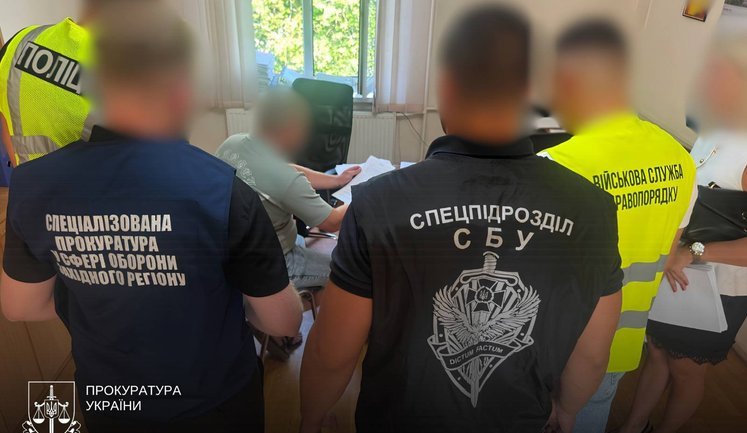
 857 fictitious mobilizations recorded in Oberih: district TCR heads suspected in Zakarpattia and Bukovyna. PHOTOS Law enforcement officers have uncovered a scheme to artificially inflate mobilization figures at district Territorial Centers of Recruitment and Social Support (TCR and SS) in Zakarpattia and Bukovyna. According to investigators, five current and former center heads entered information into the... 1 589 10 Previously in trend: Unlawful actions of the TCR
 Man spent more than seven days in TCR basement in Lviv region: Lubinets examines whether his stay there was lawful. PHOTO For more than a week, a man was at Department No. 1 of the Stryi District Territorial Center of Recruitment and Social Support (TCR and SS) in Zhydachiv, but was not allowed to tell his relatives or lawyer where he was. The TCR denied that he spent the entire time in the basement. 4 058 49 Previously in trend: Unlawful actions of the TCR Violation of human rights by TCR
 Car window smashed and man beaten: three TCR servicemen detained in Rivne. PHOTO A confrontation took place in Rivne on September 23 between servicemen of the Territorial Center for Recruitment and Social Support (TCR and SS), a man who had violated military registration rules, and people in civilian clothing. Police detained three TCR and SS servicemen. 7 034 131 Previously in trend: Unlawful actions of the TCR Violation of human rights by TCR
 War veteran claimed that he was beaten by TCR military personnel in Volyn: terrirorial centre showed footage from body cameras and denied everything. VIDEO During a warning in the town of Ratne in Volyn, servicemen from the TCR and SS allegedly assaulted Dmytro Nakhod, a war veteran and volunteer with a disability. The Volyn Regional TCR denied this and released footage from the soldiers’ body cameras. 12 876 119 Previously in trend: Unlawful actions of the TCR Violation of human rights by TCR Beating of veteran
 In Odesa, TCR serviceman was sentenced to seven years’ imprisonment for kidnapping and torture In Odesa, a member of the TCR and SS was sentenced to seven years’ imprisonment for torturing and unlawfully abducting a man during mobilisation operations. 4 701 36 Previously in trend: Unlawful actions of the TCR Violation of human rights by TCR
 "Busified child" turns out to be 30: Volyn TCR says man already mobilised. VIDEO A man on a bicycle, described as a "child" in a video circulated on social media, turned out to be a 30-year-old man liable for military service. The Volyn Regional Territorial Centre of Recruitment and Social Support (TCR and SS) said that after being detained, he underwent a Military Medical... 15 817 194 Previously in trend: Conflict with TCR Unlawful actions of the TCR
 TCR military personnel spray gas on children during mobilization of man in Dnipro: recruitment centre blames "inadequate civilians". VIDEO On September 9 in Dnipro, during a physical education lesson on the territory of a gymnasium, TCR military personnel used pepper spray while pursuing a man. According to the school's principal, the substance affected approximately 60 students from three classes who were on the sports ground at... 8 909 129 Previously in trend: Unlawful actions of the TCR Violation of human rights by TCR
 In Lviv, TCR officer threw woman into flower bed: military registration and enlistment office claimed civilian had attacked public address team. VIDEO In Lviv, a confrontation broke out between military personnel and a civilian woman whilst an alert team was carrying out its duties. A video circulating on social media shows a man in military uniform pushing and shoving the woman, causing her to fall. The Lviv Regional TCR stated that this was... 11 776 251 Previously in trend: Conflict with TCR Attack on the TCR Unlawful actions of the TCR
 In Kovel, man was dragged from private courtyard onto TCR bus: military registration and enlistment office claimed he was fleeing inspection. VIDEO In Kovel, members of the alert team entered a private garden in pursuit of a man who was fleeing a document check, after which they carried him out to an official minibus. MP Oleksiy Honcharenko reported the incident on his social media accounts, describing the military’s actions as "abduction",... 18 078 176 Previously in trend: Unlawful actions of the TCR
 TCR employee in Odesa region ran over 2-year-old boy and fled scene of accident, – police. PHOTO In the Odesa region, an employee of the district TCR and SS ran over a two-year-old boy during a mobilization warning and fled the scene of the accident. The injured child was taken to hospital. 9 326 125 Previously in trend: Unlawful actions of the TCR
 Police officer in Kyiv swore at man with reservation and shoved him into TCR car: internal investigation has been launched. VIDEO In the Podil district of Kyiv, a police officer recently, whilst carrying out public awareness activities, swore at a young man with a reservation and shoved him into a TCR minibus. The police have already launched an internal investigation. 12 493 150 Previously in trend: Conflict with TCR Unlawful actions of the TCR Clash with police
 Fictitious mobilisation of 329 people to boost ’figures’: seven TCR military personnel from Zakarpattia have been exposed. PHOTOS In Zakarpattia, the National Police have reported that five more employees of the TCR are under suspicion of having falsely ‘mobilised’ 329 people to boost figures. 2 318 39 Previously in trend: Unlawful actions of the TCR
 Head of Zakarpattia TCR suspended from post, large-scale inspection launched – Lubinets Following the Ombudsman’s first constructive meeting with the team of the new Commander-in-Chief of the Armed Forces of Ukraine, Mykhailo Drapatyi, an order was issued suspending the head of the Zakarpattia Regional TCR and SS from duty. The reason was widespread human rights violations and... 6 250 24 Previously in trend: Unlawful actions of the TCR Violation of human rights by TCR
 There are now 13 suspects in case concerning unlawful detention and beating of men at Odesa TCR, - State Bureau of Investigation. PHOTO The State Bureau of Investigations has identified a further four employees of the district TCR in the Odesa region who are suspected of involvement in the unlawful detention of and violence against citizens. The number of suspects in the case has risen to 13. 3 034 30 Previously in trend: Unlawful actions of the TCR
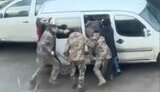 90 per cent of mobilisation cases are accompanied by violations of citizens’ rights, and TCR premises have become places of detention, - Lubinets Up to 90 per cent of mobilisation cases are accompanied by violations of the rights of Ukrainian citizens. 17 164 345 Previously in trend: Unlawful actions of the TCR Violation of human rights by TCR
 Soldier from Lviv Regional TCR used force against woman: Lubinets has appealed to the SBI and is demanding thorough investigation. VIDEO Videos have circulated on social media and in the press in which a serviceman from the Lviv Regional TCR and SS is seen to have allegedly used physical force against a woman during public awareness events in the centre of Lviv. 11 688 226 Previously in trend: Unlawful actions of the TCR Violation of human rights by TCR
 Man with broken ribs was held at TCR in Mykolaiv for 18 days, - Lubinets Dmytro Lubinets, the Ukrainian Parliament’s Commissioner for Human Rights, spoke of systematic violations of citizens’ rights during mobilization and cited several cases uncovered by representatives of his office during monitoring visits. 3 902 107 Previously in trend: Unlawful actions of the TCR
 Man locked in basement and tortured: leadership of district TCR in Mykolaiv region to stand trial – SBI. VIDEO+PHOTOS A pre-trial investigation into the torture of a man at one of the district TCR and SS offices in Mykolaiv region has been completed. The indictment has been sent to court. 4 547 49 Previously in trend: Unlawful actions of the TCR Trial of TCR servicemen
 Six men released from Mykolaiv regional TCR after inspection, Lubinets says Representatives of the Ukrainian Parliament Commissioner for Human Rights conducted an inspection at the Mykolaiv Regional Territorial Center for Recruitment and Social Support (TCR and SS) after an appeal from relatives of a mobilized man who had not been in contact for almost three weeks. 5 959 55 Previously in trend: Unlawful actions of the TCR Violation of human rights by TCR
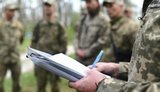 Ministry of Defence has announced inspections at all Territorial Recruitment Centres: "Violence is categorically unacceptable" The Ukrainian Ministry of Defence is to launch official investigations into all regional recruitment and social support centres following recent high-profile incidents at the Odesa Regional Recruitment and Social Support Centre. 5 306 66 Previously in trend: Unlawful actions of the TCR
 "95 per cent of citizens are being mobilised without issue, but approach needs to be changed," - Fedorov regarding organisational shortcomings in work of TCR Ukraine must radically change its approach to the recruitment of conscripts at military registration and enlistment centres, as the current organisational shortcomings are taking a heavy toll on people’s morale. At the same time, the reality of mobilisation differs significantly from the... 15 602 151 Previously in trend: Unlawful actions of the TCR Mobilisation in Ukraine Reforms in the army
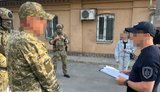 SBI has uncovered scheme of illegal conscription and beatings at RTCR in Odesa region: 9 people have been detained. PHOTOS Staff from the State Bureau of Investigation (SBI) have uncovered a large-scale scheme involving the unlawful coercion of citizens into mobilisation at one of the district TCR and SS in the Odesa region. According to the investigation, men were forcibly detained, beaten, intimidated and... 6 499 46 Previously in trend: Unlawful actions of the TCR Violation of human rights by TCR
 Alleged beating of 61-year-old Afghan war veteran reported in Rivne region: police open proceedings, TCR conducts inspection. VIDEO A video address and a post by Olena Faraon, the daughter of 61-year-old retired major and Afghan war combat veteran Ruslan Faraon from Rivne region, have spread on social media. She said employees of a territorial center of recruitment had beaten her father. 7 675 138 Previously in trend: Unlawful actions of the TCR
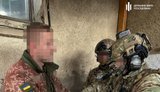 Head of district TCR and three subordinates tortured men liable for military service in Ivano-Frankivsk region, SBI says. PHOTOS An investigation has been completed in the Ivano-Frankivsk region into the head of a district Territorial Centre of Recruitment and Social Support (TCR and SS) and three of his subordinates, who are suspected of torturing men liable for military service. The indictment has already been sent to... 11 661 169 Previously in trend: Unlawful actions of the TCR Violation of human rights by TCR
 "Beaten like dog": veteran of 3rd SAB reported being beaten by military personnel at the TCR in Dnipro, police are investigating. VIDEO Dmytro Matiash, a soldier with the 3rd Army Corps who was left disabled as a result of the war, has reported that he was beaten by staff at the Dnipro TCR. 14 528 106 Previously in trend: Unlawful actions of the TCR Beating of servicemen
 Released prisoner of war says TRC servicemen attacked him: regional military enlistment office checks statement. VIDEO In Odesa, former prisoner of war Dmytro Kashchuk said he had been attacked by people he links to employees of the Territorial Centre of Recruitment and Social Support (TRC and SS). 8 951 70 Previously in trend: Conflict with TCR Unlawful actions of the TCR
 Man fled from TCR and fought with serviceman on roof of private house in Volyn region: both fell. VIDEO A video has been circulated on social media showing a serviceman from a Territorial Center of Recruitment and Social Support (TCR and SS) scuffling with a man on the roof of a private house and falling off it together with him. The local TCR and SS said the man had climbed onto the roof himself... 13 167 255 Previously in trend: Unlawful actions of the TCR Violation of human rights by TCR
 Death of conscript during transportation: military personnel from Kyiv’s TCRs to face trial, - SBI The pre-trial investigation into the deputy head of the Podil District Territorial Recruitment and Social Support Center and a soldier from the Shevchenkivskyi District TCR and SS in Kyiv, who were involved in the death of a man during the transport of mobilized personnel, has been completed.... 4 198 15 Previously in trend: death in the TCR Unlawful actions of the TCR
 Torture and shooting in Kharkiv: TCR servicemen notified of suspicion - SBI. VIDEO+PHOTOS A group of servicemen from one of the district Territorial Centers of Recruitment and Social Support (TRC and SS) in Kharkiv, as well as servicemen from other units who acted jointly, have been served with suspicion notices. 7 203 43 Previously in trend: Unlawful actions of the TCR Violation of human rights by TCR
 Lubinets reacts to detention of TCR servicemen in Odesa Ukrainian Parliament Commissioner for Human Rights Dmytro Lubinets commented on the high-profile detention in Odesa of Territorial Center of Recruitment and Social Support (TCRSS) servicemen suspected of extorting money. 8 196 42 Previously in trend: Unlawful actions of the TCR Corruption in TCR
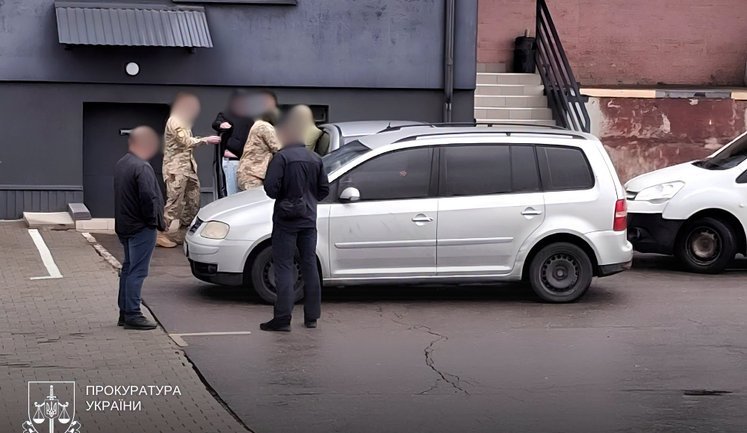
 Group of district TCR servicemen detained in Odesa for abducting man and demanding $30,000 – Prosecutor General’s Office. PHOTO The SSU (State Security Service of Ukraine) Main Internal Security Directorate and the National Police, with the assistance of the Commander-in-Chief of the Armed Forces of Ukraine and the leadership of the Ground Forces, have neutralized an organized criminal group in Odesa that included... 7 042 66 Previously in trend: Unlawful actions of the TCR Corruption in TCR
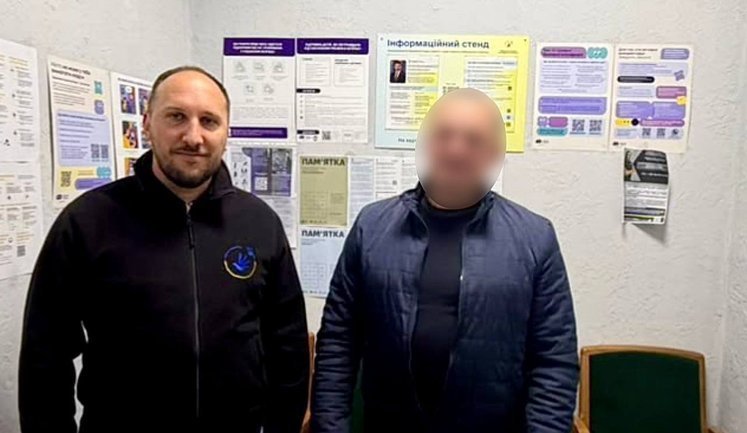
 Violations in Uzhhorod TCR: work of special commission has been initiated, - Operational Command "West". VIDEO+PHOTOS A monitoring visit to the Uzhhorod TCR, carried out by Andrii Kryuchkov, the Ombudsman’s representative in the Zakarpattia region, revealed flagrant violations despite obstruction from officials. 26 919 213 Previously in trend: Unlawful actions of the TCR Violation of human rights by TCR
 Beat man while checking his documents: District TCR military officer from Lviv region to stand trial, - SBI. PHOTO The pre-trial investigation into a serviceman from the Shevchenkivskyi District Territorial Recruitment and Social Support Centre in Lviv, who caused a man to suffer a broken shoulder bone, has been completed. The indictment has been sent to court. 4 555 85 Previously in trend: Conflict with TCR Unlawful actions of the TCR
 Clashes break out in Bukovyna between TCR and civilians over man on wanted list. VIDEO In the Chernivtsi region, an attempt to arrest a man who was allegedly wanted by the police escalated into a violent confrontation involving gunfire. According to Censor.NET, a video of the conflict, which took place in the village of Mamalyha with the participation of the warning group, has... 29 481 328 Previously in trend: Unlawful actions of the TCR Mobilisation in Ukraine
 Hit by car, threatened with firearms and beaten: footballer Kolesnyk publishes full recording of conflict with TCR. VIDEO The scandal surrounding the detention of footballer Danylo Kolesnyk has taken an unexpected turn. After a fragmentary video was circulated showing the player striking a man in uniform, the athlete published the full surveillance footage. As reported by Censor.NET, the new video indicates that... 23 218 265 Previously in trend: Conflict with TCR Unlawful actions of the TCR
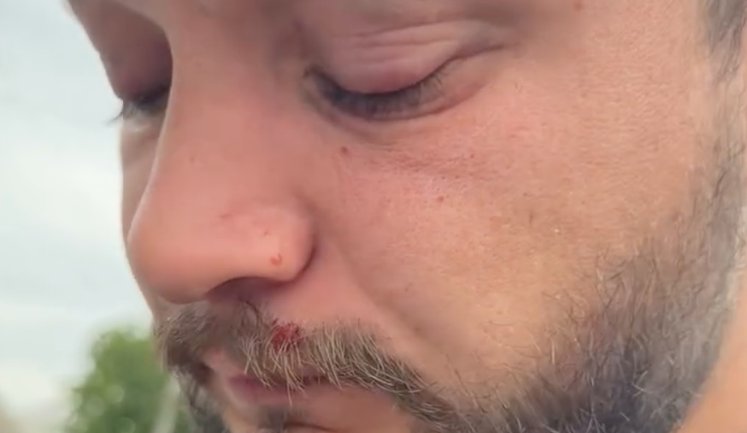
 TCR in Odesa launched investigation after photos of a bloodied man appeared. They say he inflicted the head injuries on himself The Odesa Regional TCR commented on photos circulating on social media of a bloodied man who was taken to the territorial centre for verification. They say that the man was acting aggressively and "inflicted bodily harm on himself." 6 634 51 Previously in trend: Unlawful actions of the TCR Violation of human rights by TCR
 Number of complaints against TCR has increased 333 times since 2022 - Lubinets. VIDEO Since the start of the full-scale invasion by the Russian Federation, the number of complaints to the TCR has increased 333 times. 3 296 52 Previously in trend: Unlawful actions of the TCR Mobilisation in Ukraine
 Defense Ministry to propose systemic solutions to problems with TCR. Larger-scale mobilization changes needed, Zelenskyy says Ukrainian President Volodymyr Zelenskyy held his first meeting with newly appointed Defense Minister Mykhailo Fedorov. The talks focused, in particular, on changes to the mobilization process. 12 878 109 Previously in trend: Unlawful actions of the TCR Mobilisation in Ukraine
 Number of complaints about violations by TCR is growing: since beginning of year, Lubinets has received 5,000 appeals Between January and October 2025, Ombudsman Dmytro Lubinets received nearly 5,000 complaints from Ukrainian citizens reporting violations of their rights by employees of the TCR and SS during the mobilisation process. 3 934 75 Previously in trend: Conflict with TCR Unlawful actions of the TCR Violation of human rights by TCR
 TCR military officer who beat up history teacher in Kharkiv was sentenced to three years of prison. PHOTO In Kharkiv, a court announced a verdict in the case of the beating of a history teacher by a TCR soldier. Serhii Volovyk was found guilty of hooliganism and sentenced to three years' imprisonment. 7 831 116 Previously in trend: Conflict with TCR Unlawful actions of the TCR
 In July, 86% of incidents related to TCR were manipulations and PSYOPS – Ground Forces. INFOGRAPHICS In July, 86% of all incidents related to Territorial Recruitment Centers (TRC and SS) were found to be manipulations and fakes. Only 14% were confirmed and had real grounds. 3 387 51 Previously in trend: Unlawful actions of the TCR Violation of human rights by TCR
 90% of mobilisation is voluntary. People aren’t grabbed or dragged - Shmyhal The new Minister of Defence Denys Shmyhal believes that as of today, 90% of those mobilised make a conscious choice to join the army. 6 848 82 Previously in trend: Unlawful actions of the TCR Mobilisation in Ukraine
 TCRC servicemen forcibly shove man into van in Kharkiv; locals try to stop them. VIDEO In Kharkiv, several individuals in military uniforms, likely servicemen of the Territorial Centre of Recruitment and Social Support (TCR and SS), dragged a man across the asphalt to shove him into a van. Civilians tried to intervene. 12 093 285 Previously in trend: Conflict with TCR Unlawful actions of the TCR
Mobilized man beaten to death: two Kyiv TCR servicemen charged – SBI The State Bureau of Investigation (SBI) has charged the deputy head of the Podilskyi TCR and a soldier of the Shevchenkivskyi TCR in Kyiv in connection with actions that led to the death of a mobilized man. 11 257 230 Previously in trend: Unlawful actions of the TCR Forced mobilisation
 Woman tried to stop TCR minibus with mobilized son in Merefa, Kharkiv region: she reported beating to police. VIDEO In Merefa, Kharkiv region, a 71-year-old woman reported to the police that "unknown individuals in military uniforms" inflicted bodily injuries on her during the mobilization of her son. The TCR and SS stated that the woman sustained injuries due to her own "careless and reckless actions." 16 351 315 Previously in trend: Conflict with TCR Unlawful actions of the TCR
 More than 550 criminal proceedings related to TCR are under investigation, 87 people are suspected - SBI The SBI is investigating more than 550 criminal proceedings related to the TCR, and almost 50 indictments have been sent to court. 9 018 47 Previously in trend: Unlawful actions of the TCR
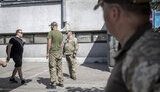 More than 50 TCR servicemen held accountable for violations – Lubinets More than 50 servicemen from TCR and SS (Territorial Centre of Recruitment and Social Support) were held disciplinarily accountable last year for violations of the rights of conscripts and breaches of mobilization procedures. 1 387 34 Previously in trend: Unlawful actions of the TCR Violation of human rights by TCR
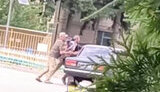 TCR and SS servicemen beat man on head and forcibly shove him into car in Chernihiv region. VIDEO Servicemen of a Territorial Center of Recruitment and Social Support (TCR and SS) used physical force on a man during notification procedures in the settlement of Sosnytsia, Chernihiv region. The center has launched an internal investigation into possible abuse of authority. 18 171 286 Previously in trend: Conflict with TCR Unlawful actions of the TCR Violation of human rights by TCR
Page 1 of 2
more news