ENG




14611 visitors online
The Territorial Centre of Recruitment (TCR) in Ukraine has become a focus of public conflict as incidents of violence and civil disobedience rise amid ongoing mobilisation efforts. In a notable incident, a district military officer in Lviv is facing trial for assaulting a man during a document check, causing significant injury. In another confrontation, civilians in the Odesa region attacked TCR personnel using tear gas. These events highlight a growing tension between military officials and civilians, exacerbated by misinformation, as seen in Kharkiv where a fake story was circulated about the murder of a military officer. The frequency of such incidents underscores the challenges faced by the TCR in both enforcing military conscription and maintaining public trust.
What recent conflicts have involved the Territorial Centre of Recruitment in Ukraine?
Recent conflicts involving the Territorial Centre of Recruitment (TCR) in Ukraine include incidents of physical violence against TCR servicemen in regions like Lviv, Odesa, and Kharkiv. These events often arise during attempts to check military registration documents or transport conscripts to TCR centers, resulting in serious confrontations with civilians.
How are civilians reacting to TCR operations in Ukraine?
Civilians have responded to TCR operations with increasing aggression, as seen in numerous incidents where groups attacked military personnel during conscription efforts. This resistance is often fueled by dissatisfaction with the mobilisation process and heightened public tensions, resulting in physical altercations and disruptions.
Has there been any misinformation regarding TCR activities?
Yes, misinformation has been a significant issue, with notable examples such as false reports about the murder of a TCR officer in Kharkiv. This propaganda aims to undermine public trust in the mobilisation process and escalate tensions between civilians and military personnel.
What measures are being taken against TCR personnel involved in violence?
Legal actions are being pursued against TCR personnel involved in violent incidents, as evidenced by the trial of a military officer in Lviv for assaulting a civilian. Investigations are ongoing in various regions to address possible abuses of authority by TCR servicemen during conscription activities.
How is the Ukrainian government addressing the growing conflict between civilians and TCR?
The Ukrainian government, through agencies like the State Bureau of Investigation, is actively investigating incidents of violence and enforcing accountability measures. Additionally, efforts are being made to mitigate misinformation and improve public understanding of the mobilisation process to reduce civil unrest.
w117_header_alt Conflict with TCR
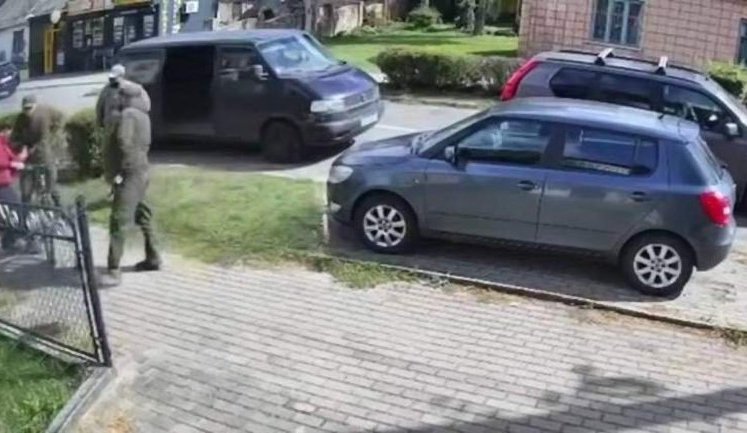
 "Busified child" turns out to be 30: Volyn TCR says man already mobilised. VIDEO A man on a bicycle, described as a "child" in a video circulated on social media, turned out to be a 30-year-old man liable for military service. The Volyn Regional Territorial Centre of Recruitment and Social Support (TCR and SS) said that after being detained, he underwent a Military Medical... 15 805 194 Previously in trend: Conflict with TCR Unlawful actions of the TCR
 Conflict between TCR military personnel and woman in Lviv: command conducts internal investigation An internal investigation is underway regarding the incident between TCR personnel and a civilian woman in Lviv, which occurred while the alert team was on duty. 4 953 61 Previously in trend: Conflict with TCR
 In Lviv, TCR officer threw woman into flower bed: military registration and enlistment office claimed civilian had attacked public address team. VIDEO In Lviv, a confrontation broke out between military personnel and a civilian woman whilst an alert team was carrying out its duties. A video circulating on social media shows a man in military uniform pushing and shoving the woman, causing her to fall. The Lviv Regional TCR stated that this was... 11 658 251 Previously in trend: Conflict with TCR Attack on the TCR Unlawful actions of the TCR
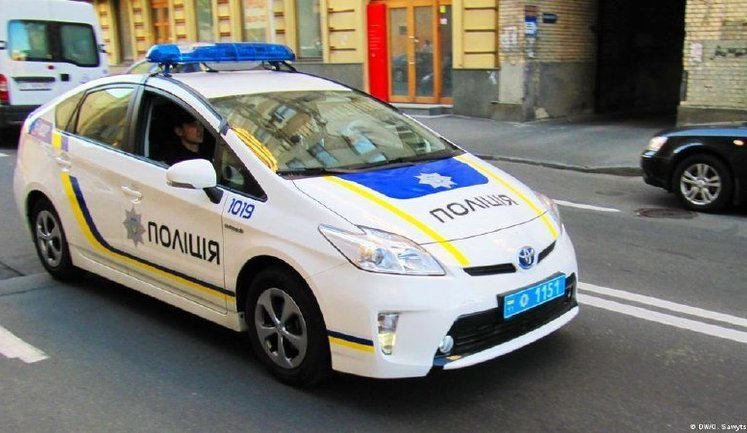
 Police officer in Kyiv swore at man with reservation and shoved him into TCR car: internal investigation has been launched. VIDEO In the Podil district of Kyiv, a police officer recently, whilst carrying out public awareness activities, swore at a young man with a reservation and shoved him into a TCR minibus. The police have already launched an internal investigation. 12 464 150 Previously in trend: Conflict with TCR Unlawful actions of the TCR Clash with police
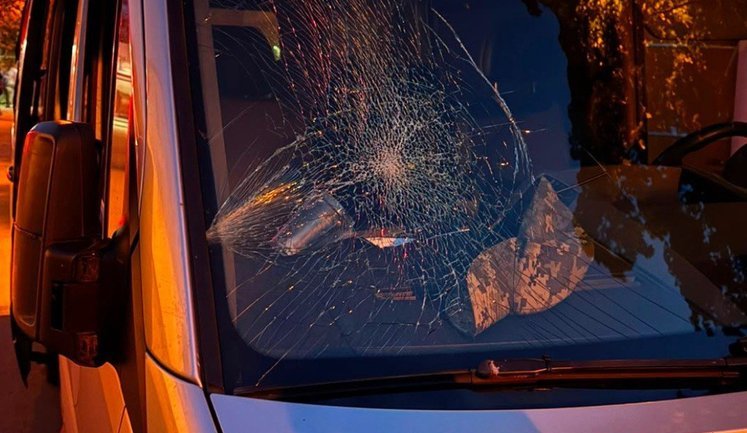
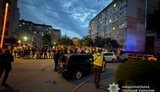 Crowd damaged TCR vehicle in Ternopil: serviceman was injured; police are identifying those involved. VIDEO On 25 August at around 8.00 pm in the city of Ternopil, on Les Kurbas Street, whilst a mobile alert team from the Ternopil Regional TCR and SS was carrying out its duties, a group of people attacked the service vehicle of the military personnel. 10 707 305 Previously in trend: Conflict with TCR Attack on the TCR
 Clash between TCR serviceman and teenager in Odesa: police have launched investigation. VIDEO In Odesa, the police are investigating an incident involving a member of the TCR who, according to preliminary reports, grabbed a teenager by his clothes and struck him several times during a confrontation. 10 046 163 Previously in trend: Conflict with TCR
 Pinned him against car and struck him in face: Odesa TCR launches investigation over video of clash between man in military uniform and teenager. VIDEO The Odesa Regional Territorial Center of Recruitment and Social Support (TCR and SS) has launched an internal investigation after a video circulated on social media showing a man in military uniform clashing with a teenager. 11 426 196 Previously in trend: Conflict with TCR
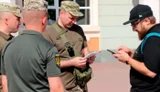 Audi driver hits TCR serviceman in Lutsk during document check and flees: he has been detained On 12 August, law enforcement officers in Lutsk detained a 40-year-old Audi driver who injured a serviceman from a Territorial Centre of Recruitment and Social Support (TCR and SS) during notification activities. 3 886 71 Previously in trend: Conflict with TCR Attack on the TCR
 Lavrynenko, owner of Telegram channel "Trukha," failed to appear before MMC after receiving summons, - media The Kharkiv Regional TCR reported that Maksym Lavrynenko, the owner of the Telegram channel "Trukha," failed to appear at the MMC as summoned. According to the Lviv TCR, as of the end of July, he is not performing military service. 4 539 23 Previously in trend: Conflict with TCR
 Group of men damages TCR servicemen’s vehicle and uses pepper spray in Kharkiv: they are detained. PHOTO In Kharkiv, five men damaged the official vehicle of the Territorial Centre of Recruitment (TCR) servicemen and used pepper spray during a check of military registration documents. 5 699 61 Previously in trend: Conflict with TCR
 Disturbances near TCR in Lviv: three more suspects remanded in custody without right to bail. PHOTO Today, 11 July, further three participants in the riots in the Sykhiv district of Lviv were remanded in custody without the right to bail. 9 935 222 Previously in trend: Conflict with TCR Attack on the TCR
 Very bad story: Zelenskyy comments for first time on conflicts between TCR and civilians / Uncensored. VIDEO Ukrainian President Volodymyr Zelenskyy commented on the incident that occurred in Lviv on 8 July during measures by the Territorial Centre of Recruitment and Social Support Centre (TCR and SS) to notify citizens. 4 974 73 Previously in trend: Conflict with TCR Attack on the TCR Mobilisation in Ukraine
 Attack on law enforcement officers during conflict involving TCR in Lviv: 23-year-old AWOL serviceman Havrylov remanded in custody for 60 days A court in Lviv imposed a measure of restraint on 23-year-old Oleh Havrylov, who is suspected of attacking a police officer during a conflict involving the TCR. He was remanded in custody for 60 days without the possibility of bail. 4 018 86 Previously in trend: Conflict with TCR attack on police officers
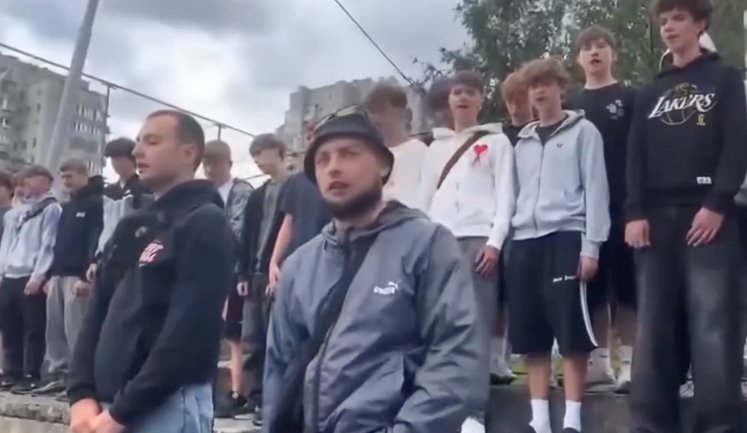
Young men who clashed with TCR in Lviv have apologised: one of them has promised to join AFU. VIDEO The veterans’ community in Lviv tracked down a group of young men and teenagers who, the day before, had attacked servicemen from the Regional TCR and the SS in Sykhiv and vandalised their service vehicle. The young men apologised for their actions. 21 231 465 Previously in trend: Conflict with TCR Attack on the TCR
 Zelenskyy on attack on TCR servicemen in Lviv: Very bad story President Volodymyr Zelenskyy responded to the conflict between locals and servicemen of the Territorial Center of Recruitment (TRC) in Lviv that occurred on July 8. 9 041 94 Previously in trend: Conflict with TCR Attack on the TCR
 Attack on law enforcement officers during conflict with TCR in Lviv: man detained – SSU and National Police. PHOTO The SSU and the National Police detained "hot on the trail" a man who attacked law enforcement officers in Lviv on July 8. 7 776 142 Previously in trend: Conflict with TCR attack on police officers
 Two TCR and SS servicemen injured in conflict in Lviv – Operational Command "West" After yesterday's conflict in the Sykhiv district of Lviv, two servicemen of the Territorial Center of Recruitment and Social Support (TCR and SS) sought medical help at a healthcare facility. 5 605 191 Previously in trend: Conflict with TCR Attack on the TCR
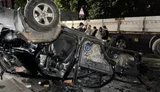 National Police and SSU are investigating conflict with TCR in Lviv: identity of one of the attackers has been established The National Police and the Security Service of Ukraine are conducting pre-trial investigations into the conflict with members of the TCR and SS in the Sykhiv district of Lviv. 6 154 104 Previously in trend: Conflict with TCR Attack on the TCR
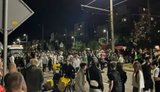 General Staff on conflict with TCR in Lviv: There is no justification for violence. There must be investigation The General Staff of the Armed Forces of Ukraine condemned the attacks on servicemen of the TCR and SS. 5 068 154 Previously in trend: Conflict with TCR Attack on the TCR
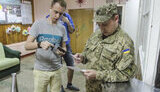 Ministry of Defense on attack on TCR military personnel in Lviv: Mobilization methods need to be improved The Ministry of Defense stated that the attack on TCR military personnel in Lviv on July 8 is unacceptable, as are other attacks on members of the Defense Forces. 4 618 106 Previously in trend: Conflict with TCR Attack on the TCR
 Military-political leadership is responsible for propaganda of evaders, - Reshetylova Following the events in Lviv, Military Ombudswoman Olha Reshetilova stated that the reservation policies needed to be revised, criticized politicians and the media, and expressed her support for Ukrainian servicemembers. 6 295 80 Previously in trend: Conflict with TCR Attack on the TCR
 In Lviv, crowd overturned TCR vehicle: Sadovyi, Lviv Regional TCR and SS responded (updated). VIDEO On 8 July, an incident occurred in the Sykhiv district of Lviv during events aimed at informing the public about mobilisation. The police identified a man who was wanted for evading military service. An angry crowd overturned a service vehicle belonging to the Territorial Centre for Recruitment. 27 231 540 Previously in trend: Conflict with TCR Attack on the TCR
 In Odesa, military personnel of TCR took dog into van: police launch proceedings Police in the Odesa region have launched proceedings over animal cruelty following a report from animal rights activists. 7 403 96 Previously in trend: Conflict with TCR
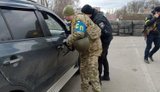 TCR serviceman beaten during notification measures in Volyn region: attackers detained In Volyn region, police are investigating attacks on servicemen of the Territorial Center for Recruitment and Social Support (TCR and SS) and damage to military property. The conflict broke out during mobilization measures. 9 110 170 Previously in trend: Conflict with TCR Attack on the TCR
 Blogger from Vinnytsia was sentenced to three years in prison for fraud and insulting TCR military personnel The Vinnytsia City Court has handed down a sentence to Oleksandr Shavliuk, the founder of a news agency and a blogger, finding him guilty of fraud and of insulting the honour and dignity of military personnel. He has been sentenced to three years’ imprisonment. 11 490 163 Previously in trend: Conflict with TCR Fraudulent schemes
 Released prisoner of war says TRC servicemen attacked him: regional military enlistment office checks statement. VIDEO In Odesa, former prisoner of war Dmytro Kashchuk said he had been attacked by people he links to employees of the Territorial Centre of Recruitment and Social Support (TRC and SS). 8 951 70 Previously in trend: Conflict with TCR Unlawful actions of the TCR
 Odesa TCR has confirmed detention of servicemen: We are committed to impartial investigation The Odesa Regional TCR and SS confirmed that law enforcement officers had detained military personnel from the Center. 4 245 34 Previously in trend: Conflict with TCR
 SSU and KORD detained TCR military personnel in Odesa who demanded $50,000, - media (updated). VIDEO In Odesa, members of the TCR were detained by SSU officers on Balkivska Street. 23 039 187 Previously in trend: Conflict with TCR
 Driver hits TCR serviceman during document check in Kropyvnytskyi: he was detained On 17 April in Kropyvnytskyi, during measures to notify reservists and men liable for military service, a man attempted to flee in a car and injured a serviceman of the TCR. 5 543 64 Previously in trend: Conflict with TCR Attack on the TCR
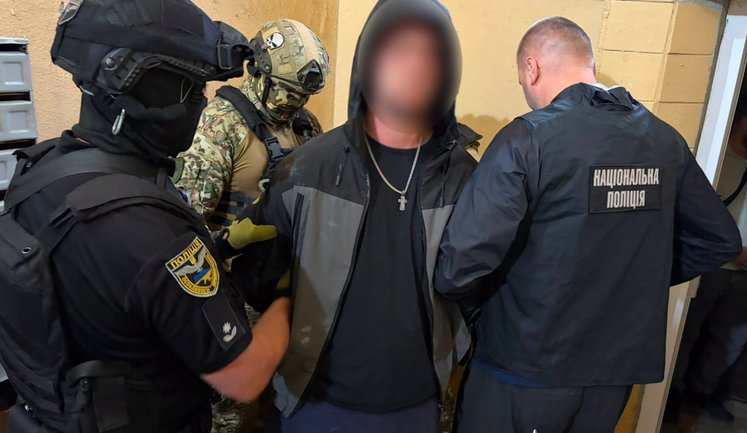
 Beat man while checking his documents: District TCR military officer from Lviv region to stand trial, - SBI. PHOTO The pre-trial investigation into a serviceman from the Shevchenkivskyi District Territorial Recruitment and Social Support Centre in Lviv, who caused a man to suffer a broken shoulder bone, has been completed. The indictment has been sent to court. 4 555 85 Previously in trend: Conflict with TCR Unlawful actions of the TCR
 Attack on a TCR military vehicle in Volyn: group of civilians forcibly took away conscript who was being transported to territorial centre On Sunday, 8 March, near the village of Ozero in Volyn, a warning group performing their duties to deliver a conscript to the TCR was attacked by a group of civilians. 19 641 316 Previously in trend: Conflict with TCR Attack on the TCR
 Hit policewoman while fleeing from TCR: man was taken into custody in Kharkiv region. VIDEO+PHOTO In the Kharkiv region, a 49-year-old man who ran over a police officer and attempted to flee from the TCR was taken into custody without the right to bail. 5 522 65 Previously in trend: Conflict with TCR
 Hit by car, threatened with firearms and beaten: footballer Kolesnyk publishes full recording of conflict with TCR. VIDEO The scandal surrounding the detention of footballer Danylo Kolesnyk has taken an unexpected turn. After a fragmentary video was circulated showing the player striking a man in uniform, the athlete published the full surveillance footage. As reported by Censor.NET, the new video indicates that... 23 214 265 Previously in trend: Conflict with TCR Unlawful actions of the TCR
Group of civilians attacked military personnel of TCR in Odesa: there are casualties On Sunday, 15 February, in Odesa, during a document check, a group of civilians attacked servicemen of the TCR and SS. Tear gas and physical force were used against the military. 16 336 268 Previously in trend: Conflict with TCR Attack on the TCR
 Unknown individuals block TCR vehicle in Rivne and attack service members: men inside escape On Friday, February 6, unknown citizens attacked a notification team of the Rivne Regional Territorial Center of Recruitment and Social Support (TCR and SS) and helped conscription-age men escape. The men were inside the center’s official vehicle after undergoing a military medical commission. 16 374 297 Previously in trend: Conflict with TCR Attack on the TCR
 Shot at TCR in Vinnytsia: police detained suspect. PHOTO A man who fired shots at a warning group and law enforcement officers was detained in Vinnytsia. 3 733 19 Previously in trend: Conflict with TCR Attack on the TCR
 TCR Military personnel forcibly detained man in Odesa: they say it was self-defence. VIDEO In Odesa, servicemen from the TCR and SS used force against a man who was wanted for violating military registration rules. 17 617 255 Previously in trend: Conflict with TCR
 Russia invented fake story about murder of military officer in Kharkiv to turn Ukrainians against mobilisation, - regional military commissariat Enemy propaganda has once again spread a fabrication on social media about alleged "national resistance" to mobilisation in Kharkiv. 5 404 88 Previously in trend: Conflict with TCR
 Military personnel should not be directly involved in mobilisation and delivery to TCRSS, - Office of the Military Ombudsman. The division of society into military personnel and civilians, or TCR and civilians, does not contribute to strengthening Ukraine's defence capabilities. 9 260 110 Previously in trend: Conflict with TCR Military Ombudsman Institution
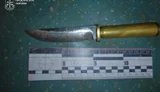 Man fatally stabs TCR serviceman in Lviv and flees: he has been detained (updated). PHOTOS On the evening of 3 December, a serviceman from the Halytskyi-Frankivskyi District Territorial Center of Recruitment and Social Support (TCR and SS) was fatally wounded in Lviv during an ID check. 21 490 335 Previously in trend: Conflict with TCR Attack on the TCR
 Number of complaints about violations by TCR is growing: since beginning of year, Lubinets has received 5,000 appeals Between January and October 2025, Ombudsman Dmytro Lubinets received nearly 5,000 complaints from Ukrainian citizens reporting violations of their rights by employees of the TCR and SS during the mobilisation process. 3 934 75 Previously in trend: Conflict with TCR Unlawful actions of the TCR Violation of human rights by TCR
 Odesa TCR on conflict at "7th Kilometre": Crowd of civilians attacked military with batons and gas The Odesa TCR and SS commented on the incident in Odesa, noting that it was a group attack on military personnel while they were performing their duties. 23 813 324 Previously in trend: Conflict with TCR
 Men overturned and smashed TCR car in Odesa, - media. VIDEO+PHOTO In the morning, near the "Seventh Kilometre" market in Odesa, a clash broke out between a group of men and the military of the TCR. People overturned and smashed a TCR's vehicle. 21 419 411 Previously in trend: Conflict with TCR
 Ternopil TCR to involve combat units in mobilisation processes Amid the scandal of people in camouflage and balaclavas blocking civilian cars, the Ternopil TCR and SS (Territorial Center of Recruitment and Social Support) said that from now on, mobilisation processes are carried out with the involvement of combat units, and "holding events to notify people... 13 396 109 Previously in trend: Conflict with TCR Mobilisation in Ukraine
 TCR military officer who beat up history teacher in Kharkiv was sentenced to three years of prison. PHOTO In Kharkiv, a court announced a verdict in the case of the beating of a history teacher by a TCR soldier. Serhii Volovyk was found guilty of hooliganism and sentenced to three years' imprisonment. 7 828 116 Previously in trend: Conflict with TCR Unlawful actions of the TCR
 Protest against TCR military in Vinnytsia: three more participants have been charged. PHOTO Three participants in an action to obstruct the military of the Vinnytsia Regional Military TCR and SS near the city stadium in early August 2025 were served with a notice of suspicion. 7 740 145 Previously in trend: Conflict with TCR Protest in Vinnytsia
Men attack TRC servicemen in Volyn: shooting erupts during brawl In the village of Boratyn, Volyn region, a group of men clashed with TRC servicemen who attempted to check their military registration documents. Shots were fired during the confrontation, and the attackers were detained. 8 065 134 Previously in trend: Conflict with TCR Attack on the TCR
 Former police officer Beletskyi, who had previously helped veteran, was taken to TCR in Uzhhorod. VIDEO Former police officer Ivan Beletskyi was detained in Uzhhorod and taken to the TCR. Earlier, he said that he was fired because he had helped a war veteran when two servicemen of the Uzhhorod RTCR and SS tried to humiliate him. 10 775 72 Previously in trend: Conflict with TCR
Page 1 of 2
more news