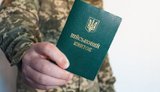
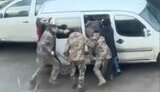
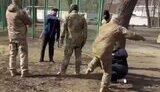
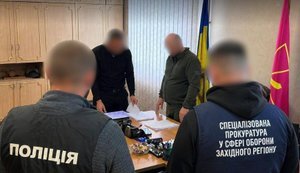
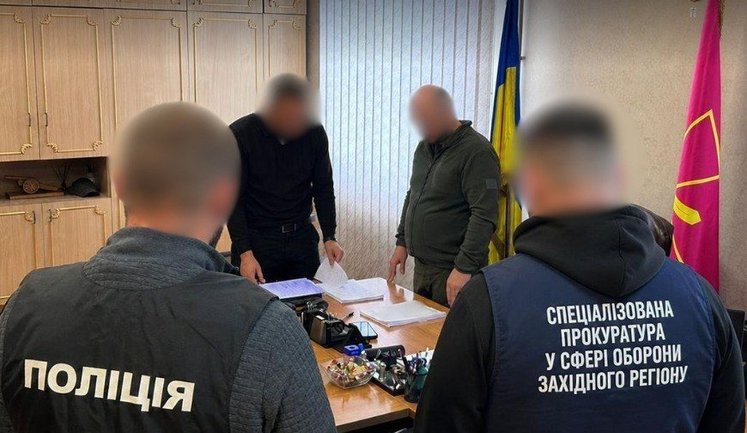
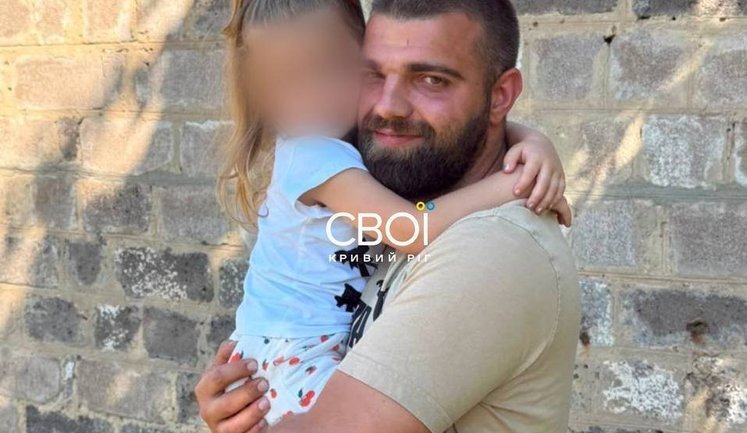
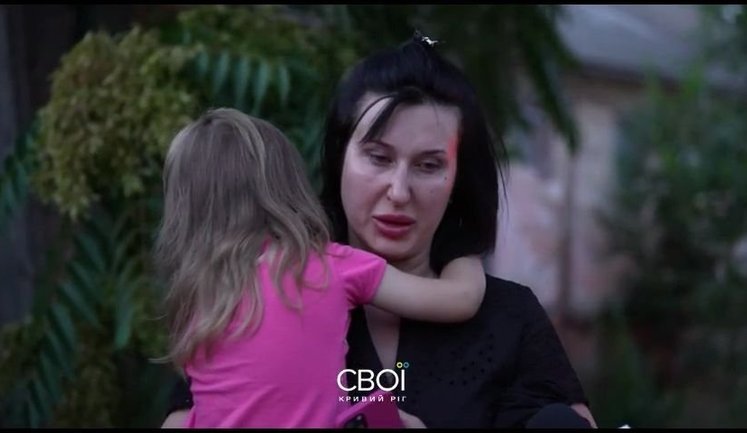
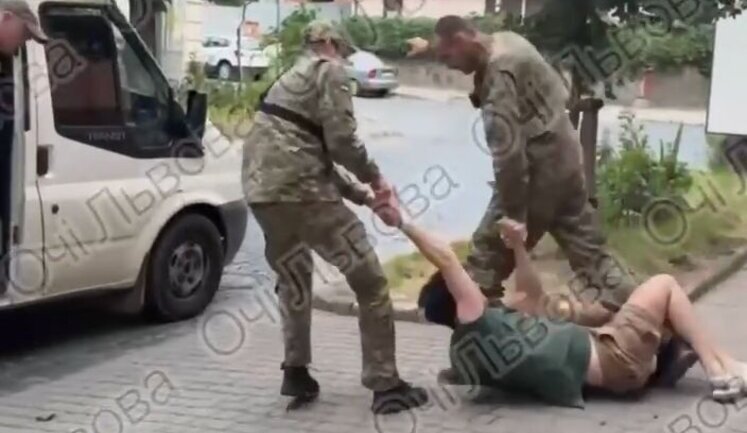
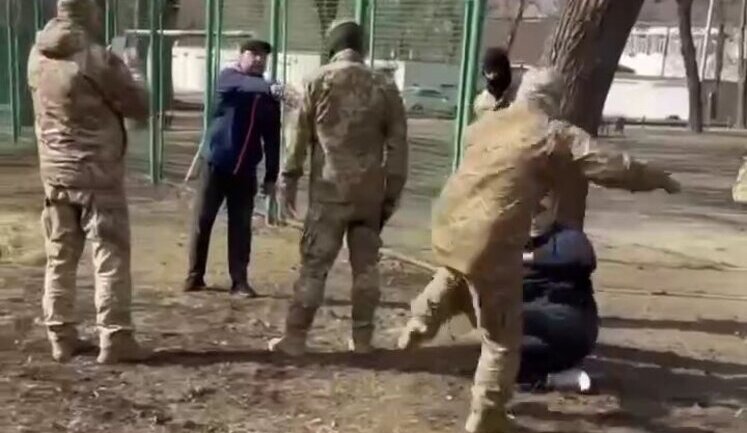
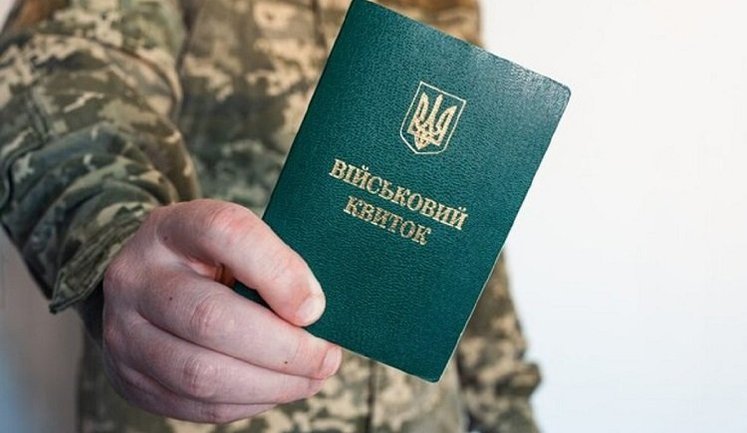
Mobilization violations in Ukraine have become a pressing issue, with reports of abuses and human rights concerns during recruitment processes. Military officer Mykola Kharkhan has emphasized the need for reforms in mobilization strategies, warning of the risk of losing the war without changes. Incidents such as forced enlistments and selective mobilization of government critics have drawn criticism from international bodies. The European Commission has highlighted the systematic nature of these violations. In response, Ukraine's Rada is working on legislation to address and prevent abuses by military and recruitment personnel. Ensuring fairness and transparency in mobilization is essential for upholding human rights and social justice in the country.
What are the main issues with mobilization in Ukraine?
The main issues with mobilization in Ukraine include reported human rights violations such as forced enlistments, selective targeting of government critics, and abuses of power by military personnel. These actions have raised concerns about fairness, transparency, and social justice within the mobilization process.
How has the international community reacted to Ukraine's mobilization practices?
The international community, including European Commissioner O’Flaherty, has expressed concern over the systematic and widespread human rights violations during Ukraine's general mobilization. They emphasize the need for mechanisms to prevent these issues and ensure compliance with international human rights standards.
What legislative measures is Ukraine taking to address mobilization violations?
Ukraine's Verkhovna Rada has supported a draft law introducing criminal liability for heads of territorial recruitment centers and military medical commissions responsible for mobilization violations. This legislative effort aims to hold individuals accountable and prevent future abuses within the recruitment process.
How do mobilization violations impact Ukraine's military effectiveness?
Mobilization violations can undermine military effectiveness by fostering distrust among the population and creating potential legal and ethical challenges. Ensuring transparent and just recruitment processes is crucial for maintaining public support and building a competent military force crucial for national defense efforts.
What role do videos and media play in highlighting mobilization issues in Ukraine?
Videos and media reports play a significant role in documenting and highlighting mobilization violations in Ukraine. They bring attention to abuses by providing visual evidence of misconduct, which can prompt public outcry and lead to calls for reform, both domestically and internationally.
What reforms have been proposed to improve mobilization processes in Ukraine?
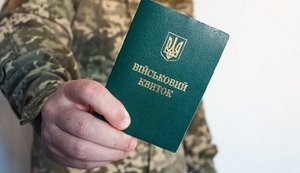
Proposed reforms in Ukraine aim to address mobilization process issues by updating military records, enhancing digital services like "Reserv+", and ensuring social justice. These changes focus on improving fairness, transparency, and efficiency to prevent abuses while supporting military needs.
Why is addressing social justice important in Ukraine's mobilization efforts?
Addressing social justice in Ukraine's mobilization efforts is vital as it ensures that recruitment processes are conducted fairly and equitably. This promotes trust among civilians, helps maintain public support, and allows for the effective use of human resources in national defense efforts against external threats.