


In October, 372 civilians were killed in Ukraine as result of Russian attacks, - UN
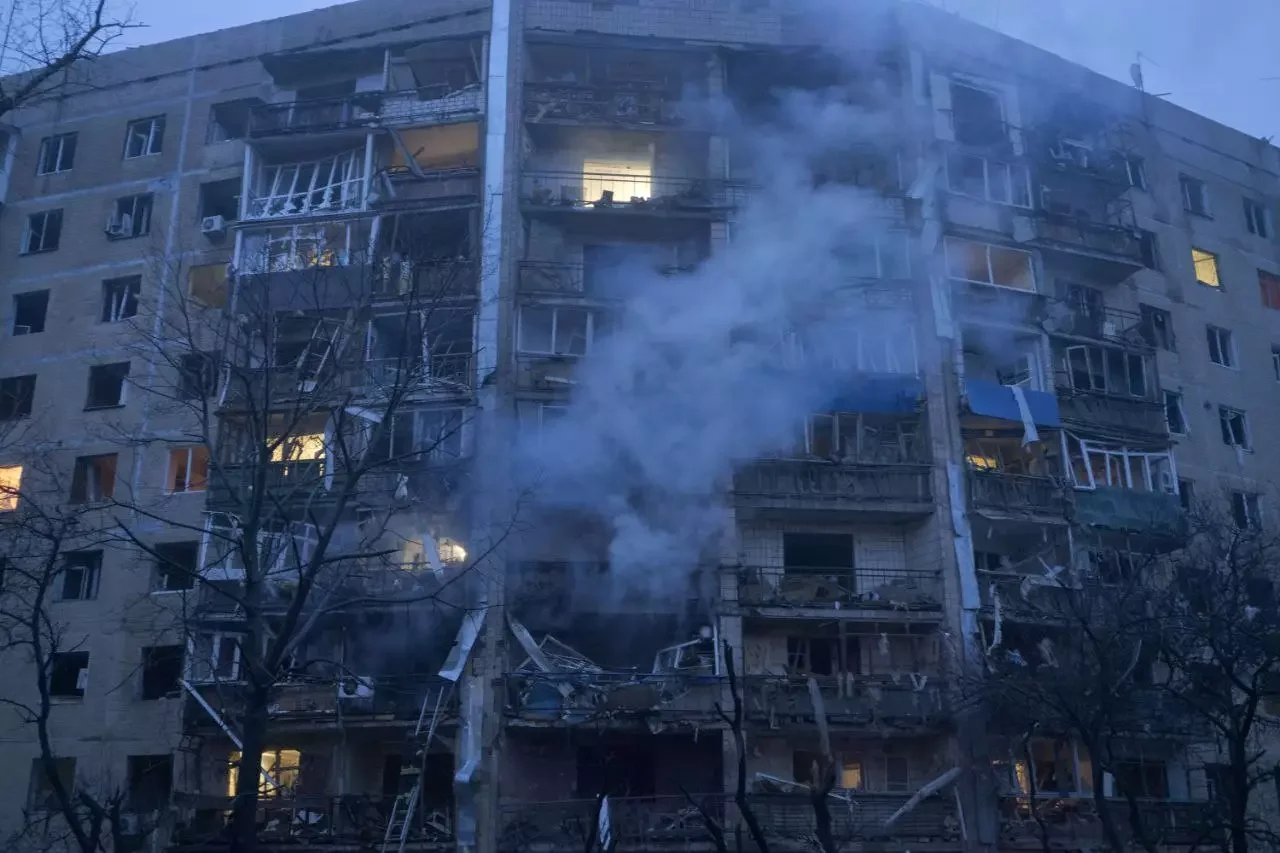
Throughout October 2026, at least 372 civilians were killed and another 1,981 were wounded as a result of Russian attacks in Ukraine.
This is stated in a UN report, according to Censor.NET.
An increase in the number of victims compared to previous years
- The document notes that the number of people killed and wounded in October of this year is higher than in October 2025.
- In October 2025, 183 civilians were killed and another 1,021 were wounded as a result of attacks by the Russian Federation.
It is noted that 55% of the total number of deaths and injuries were caused by long-range weapons—drones and missiles.
"The number of civilian casualties from aerial bombardments has increased, with the number of civilian deaths doubling compared to September, reaching 92 dead and 331 wounded," the document states.
Another 68 people were killed and 380 were injured in short-range drone attacks.
- There were civilian casualties in 22 regions of Ukraine. The highest number of deaths and injuries was recorded in Kyiv (25 dead; 174 injured), Kramatorsk (29 dead; 124 injured), Kharkiv (19 dead; 129 injured), Zaporizhzhia (31 killed; 103 wounded), and Sloviansk (27 killed; 96 wounded).
- According to the UN, 6 civilians were killed and 105 were injured in Kherson and the surrounding region. This figure has decreased compared to September 2026. The organization attributes this to a temporary ceasefire to allow for a humanitarian operation in the occupied city of Oleshky.
"The number of civilian casualties from January through October 2026 (2,957 dead; 17,218 wounded) was 63% higher than during the same period in 2025 and more than double the figures for the same period in 2024," the document states.
Consequences of massive attacks on energy infrastructure
The report also notes that in October, Russian forces significantly intensified their attacks on energy infrastructure throughout Ukraine. The shelling damaged electricity and heating facilities, leading to temporary power outages and, in some cities, water shortages as well.


