


Water shortages in Crimea are intensifying: occupiers have frozen construction of two reservoirs due to lack of funds and corruption, -- Defence of Intelligence
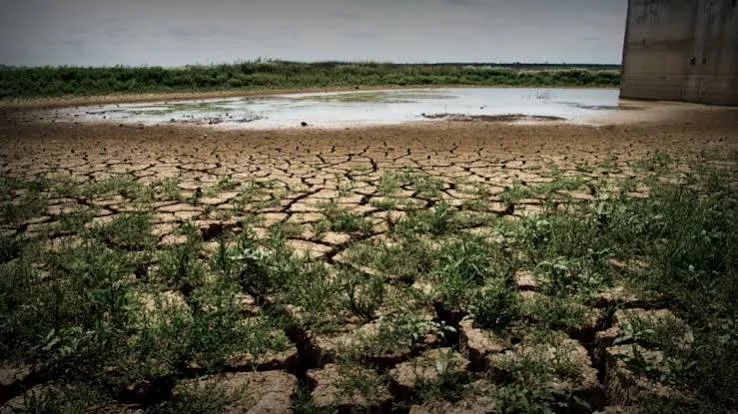
In the temporarily occupied Crimea, construction of the Soniachnohirsk and Martovsk reservoirs—which were intended to supply water to the peninsula’s southern coast, particularly Yalta and Alushta—has effectively come to a halt. The reasons include cuts in Russian funding, corruption, and problems with the project documentation.
This was reported by the Defence Intelligence of the Ukrainian Ministry of Defense, according to Censor.NET.
The occupation administration planned to build the Soniachnohirsk Reservoir with a usable capacity of 8.6 million cubic meters and the Martovsk Reservoir with a usable capacity of 6.5 million cubic meters.
However, due to a lack of funding, neither project can be completed by the specified deadlines.
According to the Defence Intelligence, over the past two years, the cost of constructing the Soniachnogorsk Reservoir has increased severalfold and now amounts to tens of billions of rubles. Intelligence attributes this, in particular, to corruption within the occupation administration.
Construction of the Martovskyi Reservoir is also being delayed. The project documentation has been revised several times due to errors in assessing slope stability and the risk of landslides during the filling of the reservoir. At the site of the future reservoir, only the forest has been cleared so far, and initial earthwork has been completed.
In addition, construction of the water supply system from the Nizhyn, Novohryhorivka, and Prostornene underground water intakes to Feodosia and Kerch remains unfinished.
Russia is cutting spending on occupied Crimea
According to intelligence reports, as of the end of October 2026, spending under the Russian program for the socioeconomic development of Crimea and Sevastopol totaled 88 billion rubles.
This is 3.7% less than the 91.4 billion rubles planned for 2026 and 22% less than what was spent last year—112.9 billion rubles.
In 2027–2029, Russia plans to further reduce funding for the program.
At the same time, the occupying administration continues to make intensive use of groundwater, which, according to the Main Intelligence Directorate, leads to its mineralization and a deterioration of the environmental situation.
The intelligence report notes that part of Crimea's water infrastructure has been destroyed or is in critical condition, and the peninsula's water supply situation continues to deteriorate.


