


European Union has unveiled its 22nd package of sanctions against Russia: what it will include. LIST
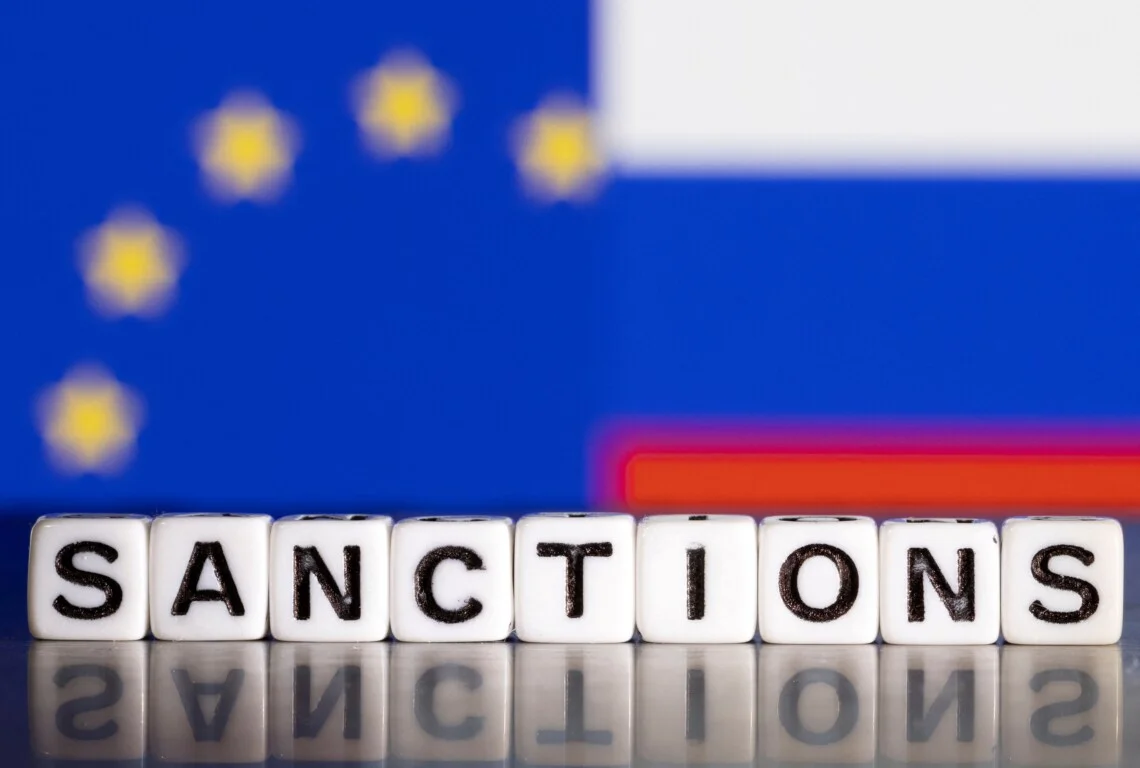
On 23 November, the European Commission proposed a 22nd package of sanctions against Russia. It targets the financial and energy sectors, the shadow fleet, visa arrangements, and the participation of Russians in sport and culture.
This was announced by the President of the European Commission, Ursula von der Leyen, according to Censor.NET.
"We will continue to propose new sanctions until Russia demonstrates a genuine intention to achieve a lasting peace in Ukraine", she emphasised.
What does this entail?
- The financial sector and cryptocurrencies. The ban on transactions will be extended to around 60 Russian banks, and it is proposed that they be disconnected from the SWIFT system. The EU also plans to tighten restrictions on cryptocurrency platforms and payment networks, particularly in third countries that are helping Russia to circumvent sanctions. To this end, a special working group, the Crypto Sanctions Task Force, has been set up.
- Energy and the shadow fleet. European companies will be banned from assisting Russia in building, operating and repairing energy infrastructure, including oil refineries. For the first time, the restrictions will also cover services in the electricity sector. It is proposed that over 70 vessels from the shadow fleet be added to the sanctions list. The European Commission is also proposing a ban on all tankers insured in Russia.
- Visa restrictions and business. The EU is proposing to ban entry to current and former Russian military personnel who have taken part in the war against Ukraine. Checks on Russians at EU borders will also be tightened, and Member States are advised to no longer recognise Russian non-biometric passports due to the risks of fraud and security threats.
EU citizens will be barred from holding positions on the governing bodies of companies in Russia.
Separately, the European Commission has updated its recommendations on the issuance of visas to Russian nationals. These provide for a stricter approach to tourist visas, additional checks on applicants’ military service records, and particular scrutiny of artists funded by the Russian authorities who may use their popularity to support the war.
At the same time, the EU is maintaining entry rights for Russian human rights activists, dissidents and independent journalists. Humanitarian exemptions are also provided for Ukrainians who have been forcibly granted Russian citizenship
Sport and Culture
Russian teams and athletes will be banned from competing under the Russian flag at events in the EU and from using official Russian symbols. There will also be restrictions on funding for European sporting and cultural organisations by Russian sponsors, and on the participation of Russians in the leadership of European sporting federations.
"Sporting events must not be used as a platform for propaganda," — emphasised von der Leyen.
In summary, von der Leyen stated: "Our position is clear: we are giving Ukraine the strength to secure peace, and Russia every reason to choose it".


