


NATO’s refusal to admit Ukraine in 2008 was mistake, - Merz
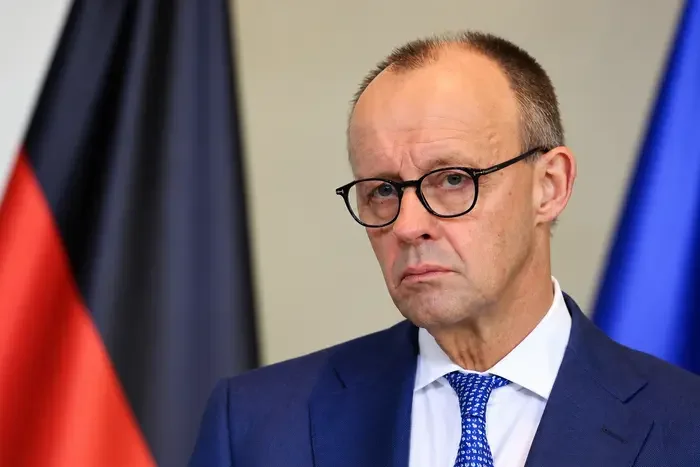
German Chancellor Friedrich Merz believes it was a mistake that, at the 2008 NATO summit in Bucharest, the allies did not support the US proposal to admit Ukraine to the Alliance.
He made these remarks during a joint press conference with NATO Secretary-General Mark Rutte in Berlin, as quoted by *ZEIT* and *The Guardian*, according to Censor.NET.
What the Chancellor said
"Today, looking back, we can all see what a mistake it was not to support the US proposal at the 2008 NATO summit in Bucharest — to admit Ukraine into NATO. Had it become a member of NATO, this war could probably have been prevented," said Merz.
He also added that French President Emmanuel Macron’s view that now is the time to discuss Ukraine’s accession to NATO is "logical given the circumstances".
The politician also stated that security guarantees for Ukraine should be "similar to those under Article 5" and, in essence, very close to NATO membership: "I cannot imagine a future for Ukraine without the security guarantees it urgently needs".
What happened in 2008
- Merts’s remarks amounted to indirect criticism of the then Chancellor, Angela Merkel, who had repeatedly defended her decision to oppose NATO’s eastward expansion. Indeed, she stated that if Ukraine had been offered the prospect of joining the Alliance at that time, Russian leader Vladimir Putin might already have been able to "inflict enormous damage on Ukraine".
- In 2008, the US actively supported Ukraine’s rapprochement with NATO. The then President, George W. Bush, visited Kyiv on the eve of the Bucharest Summit and advocated granting Ukraine and Georgia a Membership Action Plan (MAP). However, due to the stance taken by some European countries, Ukraine was not granted a MAP at that time.
- Article 5 of the NATO Charter (the Washington Treaty of 1949) enshrines the principle of collective defence. It states that an attack on one or more NATO member states shall be considered an attack on all members of the Alliance. In such a case, each member state undertakes to assist the ally under attack, including, if necessary, by deploying armed forces to restore and maintain security.


