ENG




11530 visitors online
Ukraine's quest to join NATO remains a prominent topic with significant geopolitical implications. Despite President Zelenskyy's determination, several hurdles persist. Slovakia and Hungary, alongside the United States under President Trump, have voiced opposition to Ukraine's accession to the North Atlantic Alliance. NATO's Secretary General Mark Rutte emphasized the absence of consensus among members, reinforcing that Ukraine's membership is fraught with challenges. Meanwhile, Zelenskyy has sought alternative security guarantees, echoing NATO's Article 5, to shield Ukraine from future aggression. The path forward is intricate, with sovereignty and security at the forefront of ongoing international discussions.
Why is Ukraine's NATO membership a contentious issue?
Ukraine's NATO membership is contentious due to opposing views from key NATO members such as Slovakia, Hungary, and the United States, which complicate consensus. Additionally, Russia perceives Ukraine's accession to NATO as a geopolitical threat, further influencing the discussion. Despite these challenges, Ukraine persists in its pursuit of NATO membership as a strategic goal for national security and alignment with Western alliances.
What stance does President Zelenskyy have on NATO membership?
President Zelenskyy remains committed to Ukraine's NATO aspirations, viewing them as essential for the country's security framework. He acknowledges that the decision lies with NATO member states and continues to advocate for Ukraine's integration into the Alliance while ensuring that constitutional commitments towards NATO are maintained. Zelenskyy also explores alternative ways to secure Ukraine under potential future aggression, seeking firm security guarantees.
Which countries oppose Ukraine's accession to NATO?
Countries like Slovakia, Hungary, and the United States, under President Trump, are notable opponents of Ukraine's accession to NATO. Their opposition stems from geopolitical concerns and strategic considerations, with Slovakia recently declaring that Ukraine will never join NATO. These countries' resistance significantly impacts the ongoing dialogue surrounding Ukraine's NATO membership, adding complexity to its potential accession process.
How does NATO Secretary General Mark Rutte view Ukraine's membership in the Alliance?
Mark Rutte, the NATO Secretary General, underscores the challenges and lack of consensus within the alliance regarding Ukraine's membership. He has highlighted the necessity of addressing concerns from NATO members who are not aligned with Ukraine's accession. Rutte recognizes Ukraine's strategic importance yet reiterates that the decision involves navigating complex geopolitical dynamics within NATO's framework.
What are alternative security solutions Ukraine is considering aside from NATO membership?
Aside from seeking NATO membership, Ukraine, under President Zelenskyy, is actively pursuing alternative security guarantees akin to NATO's Article 5. This strategy aims to establish robust commitments from the United States and European allies to safeguard Ukraine against possible future threats. These efforts underscore Ukraine's commitment to enhancing its defense capabilities and securing international support amid ongoing geopolitical tensions.
What impact does Russia's opposition have on Ukraine's NATO ambitions?
Russia's staunch opposition significantly complicates Ukraine's NATO ambitions, given the broader geopolitical tensions between Russia and the Alliance. Moscow views Ukraine's accession as a destabilizing move, arguing that it elevates regional threats. This position creates further diplomatic challenges as NATO members deliberate on how to address security concerns without exacerbating tensions with Russia, impacting Ukraine's path to membership.
Is there any international support for Ukraine's NATO membership?
Yes, international support exists for Ukraine's NATO membership from countries like Germany and the Baltic nations, which view Ukraine's alignment with NATO as a strategic objective. These supporters advocate for NATO to enhance security and stability in Eastern Europe. However, the path to membership remains complex, requiring consensus from all NATO members amid geopolitical debates and opposition from other influential alliance members.
How does Ukraine's desire to join NATO affect its European Union membership ambitions?
Ukraine's NATO ambitions are part of its broader strategic alignment with Western institutions, complementary to its European Union membership goals. While these aspirations are distinct, they reflect Ukraine's pursuit of integration into Euro-Atlantic structures for security and economic growth. However, the complexities of NATO accession alongside EU considerations necessitate careful navigation of diplomatic relations, affecting the pace and feasibility of membership in both entities.
What challenges does Ukraine face in amending its constitution regarding NATO course?
Ukraine faces intricate challenges in potentially amending its constitution to align further with NATO aspirations, as domestic and international political dynamics come into play. President Zelenskyy emphasizes maintaining Ukraine's constitutional course toward NATO despite dissent, highlighting the political will and societal factors influencing potential amendments. Balancing these domestic debates with foreign policy objectives remains crucial amid opposition from key geopolitical players.
What future steps might NATO take regarding Ukraine's membership application?
NATO may engage in further diplomatic dialogues and assessments to address the divergent views within the Alliance on Ukraine's membership. Future steps could involve strategic discussions to ensure that all member states align on security implications and the geopolitical significance of Ukraine's accession. Additionally, NATO might explore alternative mechanisms, possibly enhancing cooperative security measures with Ukraine, pending consensus on full membership.
w117_header_alt Ukraine’s NATO membership
 Ukraine’s NATO membership is a security guarantee for Europe, Zelenskyy says President Volodymyr Zelenskyy said that Ukraine’s membership in NATO could be one way out of the war. In his view, this is in the interests not only of Kyiv, but of all Europe. 1 251 26 Previously in trend: Ukraine’s NATO membership Security guarantees for Ukraine
 Ukraine’s accession to NATO will reduce risks of Russian aggression for other Alliance members – Zelenskyy President Volodymyr Zelenskyy said that Ukraine’s membership in NATO would strengthen the security of all Alliance countries and reduce the risk of renewed Russian aggression against member states. 1 007 19 Previously in trend: Ukraine’s NATO membership
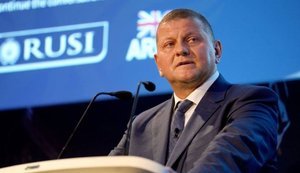
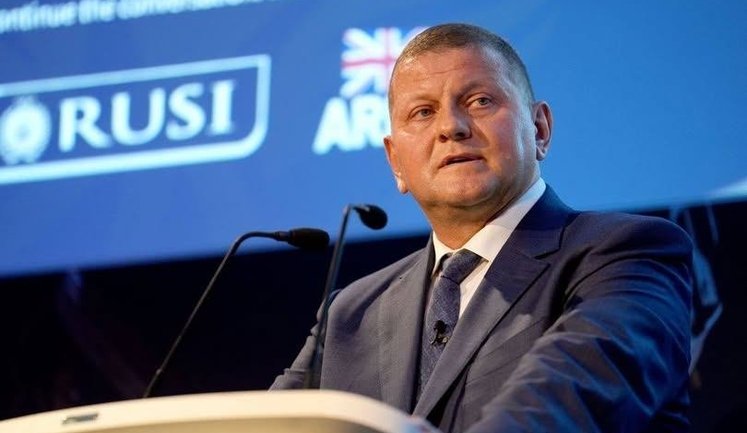
 Zaluzhnyi on NATO: I am supporter of Alliance, but it must adapt to modern threats Ukraine’s Ambassador to the United Kingdom and former Commander-in-Chief of the Armed Forces of Ukraine Valerii Zaluzhnyi has clarified his previously stated position on Ukraine’s prospects of joining NATO. 4 278 47 Previously in trend: Ukraine’s NATO membership
 Zaluzhnyi: Ukraine will never join NATO Valerii Zaluzhnyi, Ukraine’s Ambassador to the United Kingdom, has stated that he does not believe Ukraine has any prospect of joining NATO. 23 343 319 Previously in trend: Ukraine’s NATO membership Security guarantees for Ukraine
 Europe cannot defend itself without Ukraine, which means that Ukraine must be in NATO, - Zelenskyy President Volodymyr Zelenskyy believes that, in order to protect Europe, Ukraine must become a member of NATO. 1 278 26 Previously in trend: Ukraine’s NATO membership
 Ukraine’s army is one of "four reliable armies in Europe" – Finnish Foreign Minister Valtonen The Ukrainian army is one of the four reliable armies in Europe and should be integrated into NATO as soon as possible. 2 808 32 Previously in trend: Ukraine’s NATO membership
 US, Germany, Slovakia and Hungary are currently opposed to Ukraine’s accession to NATO, - Rutte NATO Secretary General Mark Rutte has stated that four Alliance countries are currently holding up Ukraine’s accession to NATO. 5 306 42 Previously in trend: Ukraine’s NATO membership
 Ukraine will not join NATO quickly – Rutte NATO Secretary General Mark Rutte has said that the issue of Ukraine’s membership in the Alliance will not be resolved in the near term. 5 051 76 Previously in trend: Ukraine’s NATO membership Rutte’s statement on Ukraine’s NATO membership
 Ukraine will never join NATO, says Slovak Defense Minister Kalinak Slovakia’s Defense Minister Robert Kalinak said that Ukraine will never join NATO and will also face problems joining the European Union. 9 879 152 Previously in trend: Ukraine’s NATO membership
 Ukraine will not forgo prospect of joining NATO, - Zelenskyy President Volodymyr Zelenskyy stated that Ukraine's accession to NATO is a decision to be made by the Alliance's member states. 1 559 16 Previously in trend: Ukraine’s NATO membership
 Hungary, Slovakia and US are blocking Ukraine’s accession to NATO, - Rutte NATO Secretary General Mark Rutte said that several member countries, including Hungary, Slovakia and the United States, oppose Ukraine's membership in the Alliance. 3 492 22 Previously in trend: Ukraine’s NATO membership
 Ukraine should not amend Constitution on NATO course despite US stance – Zelenskyy President Volodymyr Zelenskyy does not see the need to change Ukraine’s constitutional course toward NATO membership despite the position of the United States. 2 369 33 Previously in trend: Ukraine’s NATO membership
 Zelenskyy offers alternative to NATO membership in exchange for strong security guarantees, - Bloomberg Ukrainian President Volodymyr Zelenskyy is proposing an alternative approach to security guarantees for Ukraine to the United States and European partners, which involves possibly abandoning the desire to join NATO in exchange for firm commitments to protect against future Russian aggression. 3 866 44 Previously in trend: Peace negotiations Ukraine’s NATO membership Security guarantees for Ukraine
 Ukraine still wants security guarantees similar to NATO’s Article 5, - Zelenskyy President Volodymyr Zelenskyy stated in a conversation with journalists that although Ukraine is prepared to abandon its aspirations to join NATO, it will still require security guarantees similar to NATO's Article 5 from the United States and Europe. 3 712 52 Previously in trend: Ukraine’s NATO membership Security guarantees for Ukraine
 There has always been understanding that Ukraine would not join NATO, long before Putin – Trump US President Donald Trump said that "there has always been an understanding" that Ukraine will never become a member of NATO. 6 644 91 Previously in trend: Ukraine’s NATO membership Zelenskyy–Putin meeting
 US insists on Ukraine’s sovereignty, but discussions on NATO membership continue, - Ambassador Hetmanchuk Ukraine's Ambassador to NATO Alona Hetmanchuk said that in the "peace process" with the American side, there is a common position on the unconditional sovereignty of Ukraine, but discussions are ongoing about how this is consistent with Ukraine's desire to join NATO. 2 615 17 Previously in trend: Ukraine’s NATO membership Sovereignty of Ukraine
Several NATO members oppose Ukraine’s membership, - NATO Secretary General Rutte There are still serious obstacles on Ukraine's path to joining the Alliance. 9 481 68 Previously in trend: Ukraine’s NATO membership
 Don’t expect Ukraine to join NATO during war, - Alliance Representative Turner As of now, relations between Ukraine and NATO are the strongest they have ever been. At the same time, it is not worth expecting Ukraine to join the Alliance during the war. 981 20 Previously in trend: Ukraine’s NATO membership NATO aid to Ukraine
 Russia considers Ukraine’s NATO membership "unacceptable", - Putin Russian dictator Vladimir Putin said that Russia allegedly "never objected" to Ukraine's membership in the European Union, but that the country's accession to NATO is "unacceptable" for Moscow. 4 280 63 Previously in trend: Ukraine’s NATO membership Putin’s statements about Ukraine
 Germany will support Ukraine’s membership in NATO - Zelenskyy President Volodymyr Zelenskyy said that Germany's position on Ukraine's future membership in NATO has changed - now Germany supports our country's accession to the Alliance. 997 20 Previously in trend: Ukraine’s NATO membership
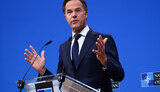 Rutte: We will continue supporting Ukraine on its irreversible path to NATO NATO member countries will continue supporting Ukraine on its path to NATO membership. 1 006 14 Previously in trend: Support for Ukraine Ukraine’s NATO membership
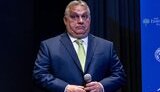 Orban: NATO does not care about Ukraine. My task is to keep it that way Hungarian Prime Minister Viktor Orban said he opposes Ukraine's accession to NATO and the European Union and intends to block these processes. 4 295 47 Previously in trend: Ukraine’s NATO membership Anti-Ukrainian position of Orban
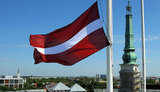 Latvian Saeima approves statement on swift invitation of Ukraine to NATO The Latvian Saeima, ahead of the NATO summit in The Hague scheduled for June 24-25, approved a statement supporting the swift invitation of Ukraine to join NATO. 782 3 Previously in trend: Ukraine’s NATO membership
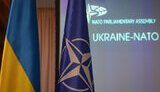 Lithuanian Foreign Minister Budrys: Ukraine will not be invited to NATO in Hague Lithuanian Foreign Minister Kęstutis Budrys said that Ukraine would not receive an invitation to join NATO during the summit to be held next week in The Hague. 1 548 13 Previously in trend: Ukraine’s NATO membership
 Lithuania "will never give up" on idea that Ukraine should be in NATO - Defense Minister Šakaliene Lithuania has warned that the world is under threat of attack by the "new axis" of Russia, China, North Korea, and Iran. 847 7 Previously in trend: Ukraine’s NATO membership
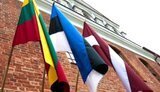 Baltic countries support Ukraine’s membership in EU and NATO: joint statement The foreign affairs committees of the parliaments of Estonia, Latvia and Lithuania have issued a joint statement on full support for Ukraine in the war with Russia, as well as its membership in the European Union and NATO. 980 8 Previously in trend: Ukraine’s NATO membership Ukraine’s Membership in the EU
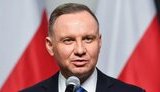 Duda on Nawrocki’s position on Ukraine: We will talk about this topic. I have different opinion Polish President Andrzej Duda said that he intends to convince the newly elected head of state, Karol Nawrocki, of the importance of further support for Ukraine. 4 555 3 Previously in trend: Ukraine’s NATO membership Presidential elections in Poland
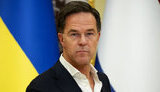 Rutte: Ukraine’s path to NATO membership confirmed by all 32 Allies NATO Secretary General Mark Rutte said that during a meeting in Washington, all 32 member states of the Alliance confirmed the irreversibility of Ukraine's path to NATO membership. 4 461 14 Previously in trend: Ukraine’s NATO membership
 NATO not discussing Russia’s demand for eastern non-expansion - media NATO is not currently discussing Russia's demand for written guarantees of non-expansion to the east. 1 490 3 Previously in trend: Ukraine’s NATO membership Russia’s demands to end war
 Issue of Ukraine’s accession to NATO remains subject of discussion - Fidan Turkish Foreign Minister Hakan Fidan said that discussions on Ukraine's accession to NATO have been going on within the Alliance for a long time and currently have no consensus. 1 212 20 Previously in trend: Ukraine’s NATO membership
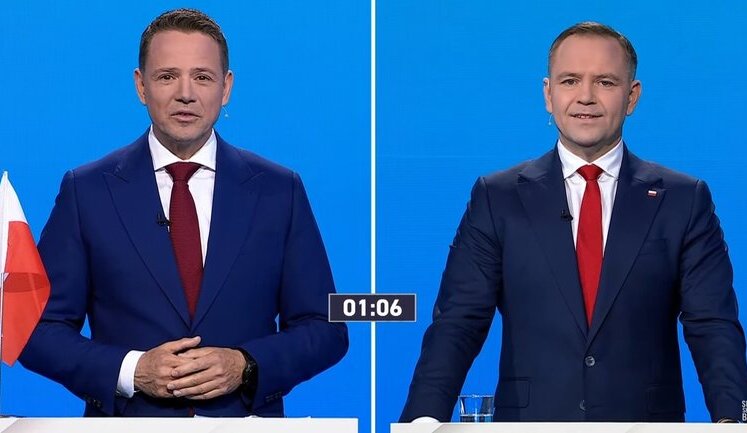
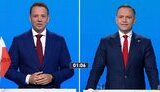 Presidential debates in Poland: Nawrocki and Trzaskowski argue about Ukraine and Zelenskyy On the evening of May 23, during a televised debate between Polish presidential candidates Rafał Trzaskowski and Karol Nawrocki, one of the most pressing topics of discussion was Ukraine and its attitude. 10 383 40 Previously in trend: Ukraine’s NATO membership Presidential elections in Poland
 Polish presidential candidate Nawrocki is ready to block Ukraine’s accession to NATO Polish presidential candidate Karol Nawrocki has declared his readiness to sign the declaration of the leader of the "Confederation" Slawomir Mencen, which prohibits sending Polish troops to Ukraine and blocks Kyiv's path to NATO. 8 422 38 Previously in trend: Anti-Ukrainian statements in Poland Ukraine’s NATO membership
 Ukraine may join EU before becoming NATO member – Merz Ukraine may become a member of the European Union before joining NATO. 1 091 16 Previously in trend: Ukraine’s NATO membership Ukraine’s Membership in the EU
 I hope that US will change its position on Ukraine’s accession to NATO - Frederiksen Prime Minister of Denmark Mette Frederiksen said she strongly supports Ukraine's accession to NATO and hopes that the United States will change its position on this issue. 935 4 Previously in trend: Ukraine’s NATO membership
 Denying Ukraine NATO membership will only make it easier for Russia to plan further aggression - Kubilius Russia demands that Ukraine not be granted NATO membership, not because it fears an attack on itself from the territory of the Alliance. But because it is planning the next aggression. 1 562 11 Previously in trend: Ukraine’s NATO membership
 Ukraine submitted its proposals to United States in London regarding security framework similar to NATO’s Article 5 – Zelenskyy The Ukrainian delegation, during a meeting in London, handed over its response to the U.S. "peace proposals," including suggestions concerning the deployment of forces and a security framework for Ukraine, in line with the principles of NATO’s Article 5. 3 120 30 Previously in trend: Ukraine’s NATO membership Peace talks in London
 I don’t think Ukraine will ever be able to join NATO, - Trump US President Donald Trump believes that Ukraine is unlikely to ever join NATO. 6 133 102 Previously in trend: Ukraine’s NATO membership Trump’s statements about NATO
 NATO’s new report omits mention of Ukraine’s future membership in Alliance NATO Secretary General Mark Rutte's annual report for 2024, published the day before, does not mention that Ukraine will become a member of the Alliance in the future or that its path to NATO is irreversible. 4 977 49 Previously in trend: Ukraine’s NATO membership
 Russia cannot veto Ukraine’s accession to NATO – Zelenskyy Russia cannot veto Ukraine's aspirations to become a member of the North Atlantic Alliance. 1 433 16 Previously in trend: Ukraine’s NATO membership
 Rutte: Ukraine was never promised that NATO membership would be part of peace agreement While Ukraine's path to NATO is irreversible, Ukraine has never been promised that membership would be part of a peace agreement. 1 871 32 Previously in trend: Ukraine’s NATO membership
 Russian special envoy Dmitriev: Trump administration recognises Putin’s position on NATO for Ukraine. This is impossible During his visit to Washington, Putin's envoy Kirill Dmitriev said that the administration of US President Donald Trump had "widely accepted" the Kremlin's position that Ukraine cannot join NATO. 5 144 46 Previously in trend: Ukraine’s NATO membership Relations between Russia and the US
 Ukraine’s membership in NATO remains on table – Zelenskyy President Volodymyr Zelenskyy said that the issue of Ukraine's membership in NATO remains on the negotiating table, despite the disagreement of some countries. 1 047 24 Previously in trend: Ukraine’s NATO membership Security guarantees for Ukraine
 Ukraine’s path to NATO is irreversible. This decision remains valid, - Alliance representative A representative of the North Atlantic Alliance assures that there have been no changes in NATO's policy on Ukraine's future membership. 1 126 17 Previously in trend: Ukraine’s NATO membership
 Meloni proposes extending NATO mutual defense to Ukraine without joining Alliance - FT Italian Prime Minister Giorgia Meloni opposed the idea of deploying a peacekeeping contingent to Ukraine, calling it too complicated and risky. 3 592 36 Previously in trend: Ukraine’s NATO membership
Ukraine’s membership in NATO is not part of peace agreement, it is longer-term issue – Rutte Ukraine's accession to NATO is not considered part of a peace agreement with Russia. 1 103 14 Previously in trend: Ukraine’s NATO membership
 U.S. does not yet support Ukraine’s accession to NATO – Zelenskyy Removing the issue of Ukraine's membership in NATO from the negotiations is a great gift to Russia. So far, the United States has been opposed to our accession to the Alliance. 1 378 16 Previously in trend: Ukraine’s NATO membership
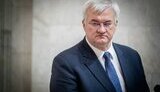 No country has veto over Ukraine’s choice to join EU or NATO - Sybiha Ukraine will not consider concessions on issues of sovereignty, the right to choose alliances and defense capabilities during future negotiations on the war. 1 601 17 Previously in trend: Ukraine’s NATO membership Ukraine’s Membership in the EU
Ukraine’s membership in NATO will not be removed from peace talks agenda - Sybiha The issue of Ukraine's membership in NATO will remain a key one when discussing future peace agreements. 1 125 15 Previously in trend: Peace negotiations Ukraine’s NATO membership
Page 1 of 2
more news