



SSU struck two Russian military vessels and an S-400 system in Kerch. VIDEO&PHOTOS
Ukrainian drones struck the vessels ‘Volga’ and ‘Vyatka’, the ferry ‘Petropavlovsk’ and Russian air defence systems in the vicinity of the Kerch Strait.
According to Censor.NET, this was reported by the SSU press centre.
"Carrying out the tasks set by the President of Ukraine, Volodymyr Zelenskyy, as part of the 40-day operation to exert pressure on the Russian Federation, members of the SBU’s ‘Alfa’ unit carried out successful strikes on military support vessels located at the ‘Zatoka’ shipyard in the temporarily occupied city of Kerch. Russian troops’ air defence systems in the Kerch Strait area were also targeted," the statement reads.
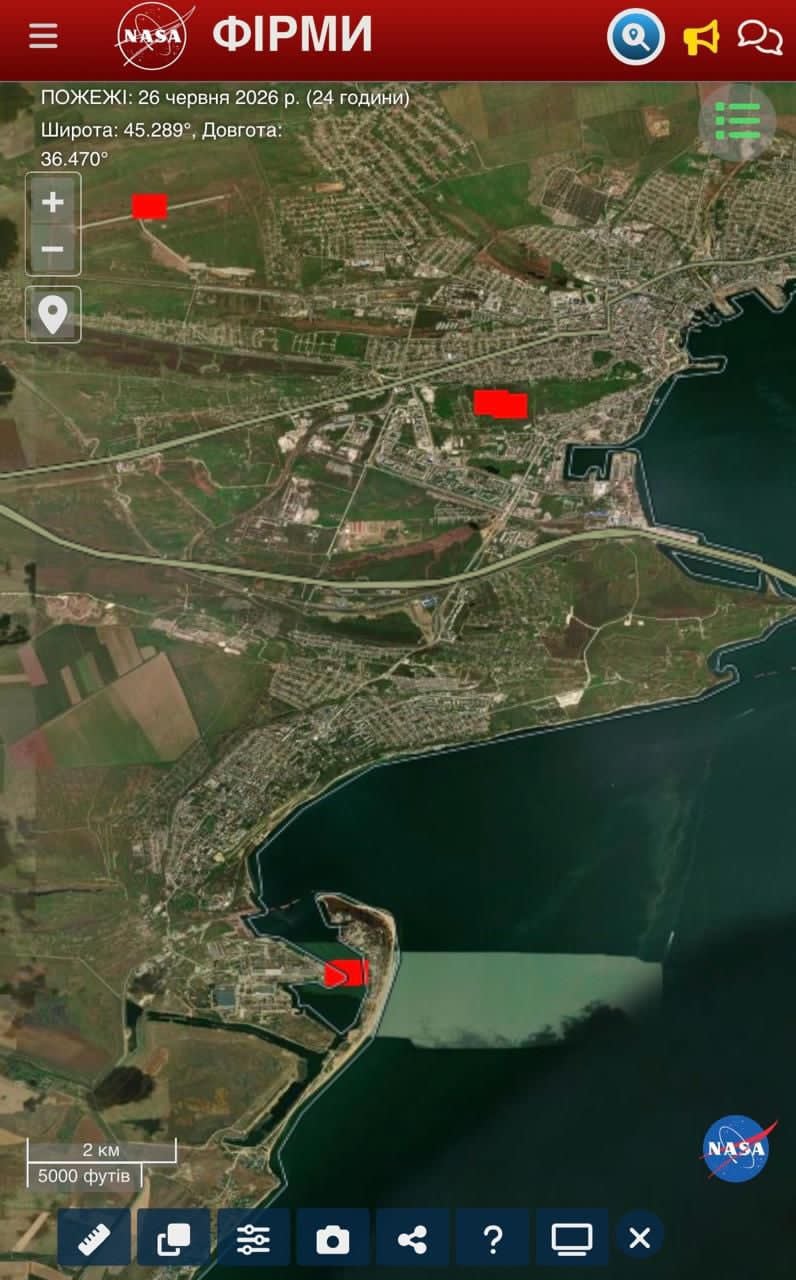
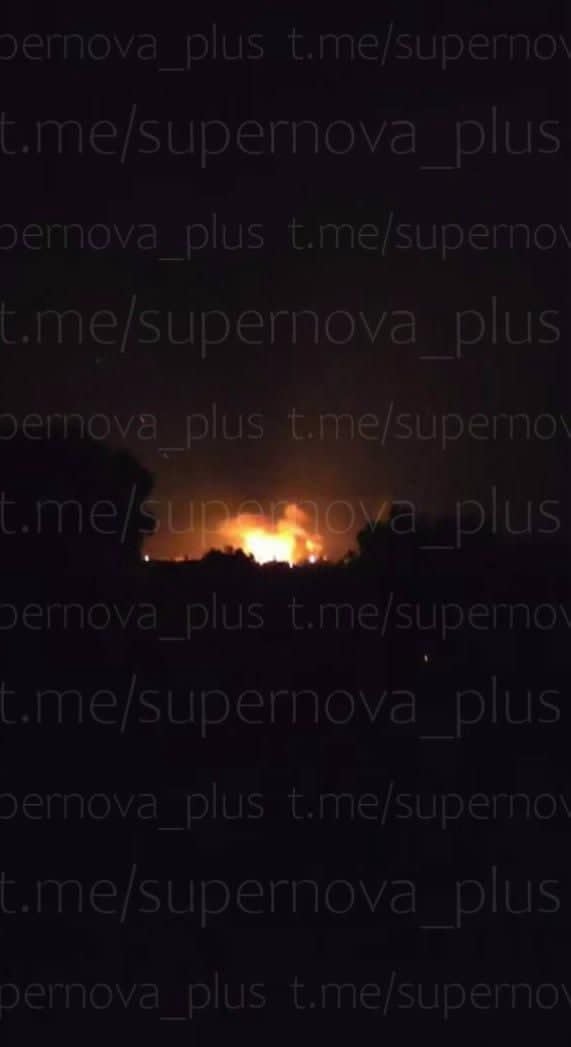
SBU drones struck the Project 15310 cable-laying vessels ‘Volga’ and ‘Vyatka’, as well as the ‘Petropavlovsk’ passenger-cargo ferry, which was 96 per cent complete. The strikes caused a major fire on board these vessels.

In addition, SBU drones struck weaponry and a radar station belonging to an S-400 air defence missile system that was providing cover for the Kerch Strait area.
"The SBU’s systematic efforts to strike Russian military infrastructure in the temporarily occupied Crimea deprive the enemy of the ability to use the peninsula as a logistical and military hub. The destruction of air defence systems paves the way for new high-precision strikes, whilst the neutralisation of ships and port infrastructure undermines the occupiers’ ability to sustain their forces," the SBU stated.
What is known about the targets hit?
The Project 15310 vessels "Volga" and "Vyatka" are Russian special-purpose ocean-going cable-laying vessels, built to order for the Russian Ministry of Defence. Formally, they are intended for the laying, repair and retrieval of submarine fibre-optic cables; however, experts believe that they can also be used for special operations on the seabed in the interests of the Russian military.
Key specifications:
- length — approximately 143.5 m;
- width — 24 m;
- speed — up to 15 knots;
- endurance — 50 days;
- crew — approximately 100;
- equipped with a dynamic positioning system, crane equipment and a helicopter landing pad;
- have an ice class rating allowing them to operate in the Arctic.
Both vessels were laid down on 6 January 2015 at the Zelenodolsk Shipyard, and their construction was subsequently transferred to the ‘Zaliv’ shipyard in Kerch, in occupied Crimea. Due to sanctions and the need to replace imported equipment, construction was repeatedly delayed.
The ‘Petropavlovsk’ cargo-passenger ferry is a new-generation Russian car and passenger ferry, built for operation in the Far East. The vessel is intended to provide transport links between Kamchatka, Sakhalin, Primorsky Krai, Magadan region, and the Kuril Islands. Construction is taking place at the ‘Zaliv’ shipyard in temporarily occupied Kerch as part of the Russian Federation’s state programme for the development of its transport system.
Key specifications:
- project — CNF22;
- length — approximately 119.9 m;
- width — 17.5 m;
- draught — approximately 5 m;
- ice class — Arc4;
- speed — up to 18 knots;
- passenger capacity — up to 150 people;
- capable of carrying cars, lorries, buses, and standard shipping containers.
The ‘Petropavlovsk’ is the lead vessel in the series. It was launched in Kerch, after which completion work and mooring trials began. According to the Russian Federal Agency for Maritime and River Transport (Rosmorflot), the vessel was scheduled to enter service following the completion of trials


