ENG




9137 visitors online
The Ukrainian Defense Forces have ramped up their military operations in the occupied Crimea, targeting Russian military assets with precision strikes. Recent reports highlight the use of advanced drone technologies by Special Operations Forces and Ukraine's Defense Intelligence Agency. Key strikes have incapacitated significant Russian military infrastructure, including the destruction of multiple rocket systems, air defense installations, and fuel logistics. The attacks aim to thwart Russia's plans to transform Crimea into a fortified military base. These operations are part of an ongoing strategy to reclaim occupied territories and disrupt enemy logistics across the region. Stay informed about Ukraine's defense achievements with our comprehensive coverage of these critical developments.
What are the goals of Ukraine's strikes in occupied Crimea?
Ukraine's military strikes in occupied Crimea aim to disrupt Russian military operations, destroy key enemy assets, and prevent the peninsula from becoming a heavily fortified military base. By targeting strategic locations such as air defense systems, missile launchers, and fuel depots, Ukraine seeks to impair Russia's logistical capabilities and reclaim control over occupied territories.
How effective have the Ukrainian drone strikes been in Crimea?
The Ukrainian drone strikes have been highly effective in Crimea, as evidenced by the destruction of numerous Russian military assets, including missile systems, radar stations, and logistics infrastructure. The use of drones allows for precision attacks on hard-to-reach targets, significantly weakening Russian defensive capabilities in the region.
What types of weaponry are being used by Ukraine in these operations?
Ukraine is utilizing a combination of advanced drones, tactical missile systems, and specialized units within its Defense and Special Operations forces to conduct these operations. Notably, drones like the FP-2 and UJ-26 "Beaver," besides others, have been deployed to execute precision strikes on key Russian military facilities throughout the region.
Have there been any significant recent developments in the Crimea strikes?
Yes, significant recent developments include successful strikes on advanced Russian air defense systems, such as the S-300 and Pantsir-S1, and the destruction of critical infrastructure like missile launchers and fuel depots. These operations highlight Ukraine's strategic focus on undermining Russian military capabilities in Crimea.
How is Russia responding to the strikes in occupied Crimea?
In response to the Ukrainian strikes, Russia is reportedly strengthening its air defense systems throughout Crimea, attempting to mitigate the impact of Ukrainian drone and missile attacks. Despite these efforts, Ukraine's precision strikes continue to target and neutralize Russian military installations effectively.
What is the overall strategy for Ukraine in targeting Crimea?
Ukraine's overall strategy in targeting Crimea involves a systematic approach to weaken Russian defense capabilities, keep Russian forces off balance, and maintain operational pressure. By focusing on disabling critical military infrastructure, Ukraine aims to incrementally reclaim control over Crimea and disrupt Russia's military strategy in the region.
Are civilians in Crimea affected by these military operations?
While military operations are focused on strategic targets, there can be indirect effects on civilian populations due to potential disruptions in services and infrastructure. However, Ukraine's military efforts concentrate on minimizing civilian impact while targeting military objectives to weaken enemy capabilities.
What future actions are anticipated from the Ukrainian forces in Crimea?
Future actions by Ukrainian forces likely involve continued precision strikes on Russian military installations in Crimea, with an increased focus on dismantling logistical hubs and weakening defensive structures. This persistent strategy aims to erode Russia's control and facilitate the reintegration of Crimea into Ukrainian governance.
w117_header_alt Attacks on Crimea
 34 Russian energy facilities were struck by USF in occupied territories during first week of September, – Madyar. VIDEO Soldiers from the Unmanned Systems Forces struck 34 energy facilities in the temporarily occupied territories during the first week of September. 1 603 9 Previously in trend: Attacks on Crimea
 Enemy attack UAV launch sites, command posts, and reconnaissance assets struck – General Staff On September 3 and overnight into September 4, 2026, units of Ukraine’s Defence Forces struck a number of enemy military targets. 750 0 Previously in trend: Attacks on Crimea Striking Russia
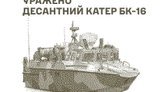 BK-16 landing craft, electronic warfare complex, UAV control point, and enemy warehouses were hit, - General Staff On September 2 and during the night of September 3, 2026, units of the Ukrainian Defense Forces struck a number of enemy military targets. 1 234 1 Previously in trend: Destruction of Russian equipment Attacks on Crimea
 Major fire has broken out near occupiers’ airfield in Dzhankoi: fuel depot and fleet of vehicles have been engulfed by blaze. PHOTO A major fire broke out near the airfield in the temporarily occupied city of Dzhankoi on the afternoon of 30 August. According to satellite monitoring data, a fuel depot, a vehicle fleet and an electrical substation were caught up in the blaze. 3 863 7 Previously in trend: Attacks on Crimea
Radar, USVs launch and storage site, warehouses and repair units of Russian Federation were hit, - General Staff On August 22 and during the night of August 23, 2026, units of the Ukrainian Defense Forces struck a number of enemy military targets. 976 1 Previously in trend: Drone attack on Russian regions Attacks on Crimea
 Further 27 energy facilities in occupied territories, including in Crimea, have been struck, - Madyar. VIDEO As part of Operation ‘Crimean Circuit Breaker Off’, unmanned aerial systems have struck a further 27 power substations in occupied Crimea and in the temporarily occupied territories in the south. 3 292 17 Previously in trend: Attacks on the energy sector Attacks on Crimea
 Preparing for blackouts: Russia starts mass production of mobile electrical substations - "Meduza" Russian state corporation Rostec has announced the launch of mass production of mobile electrical substations. The company titled the post on its official Telegram channel "Emergency energy response in case of a blackout." 3 175 25 Previously in trend: Drone attack on Russian regions Attacks on Crimea
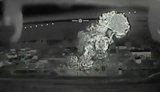 Enemy storage facilities for strike UAVs and command-and-control systems in occupied Crimea and Kherson region have been struck, - General Staff On the night of August 17, 2026, units of the Ukrainian Defense Forces struck a number of key military targets belonging to the Russian occupiers. 1 491 0 Previously in trend: Destruction of Russian equipment Attacks on Crimea
Drone operators from 422nd Luftwaffe Regiment, in collaboration with SSU and Defence Intelligence, used ’Zozulya’ drones to destroy depot of occupiers’ rocket and artillery weapons in Crimea. VIDEO Ukrainian ‘Zozulya’ drones destroyed a depot of the occupiers’ rocket and artillery weapons in Crimea. 6 262 3 Previously in trend: Attacks on Crimea
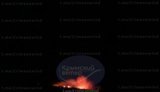 Fires were recorded near Balaklava at Russian air defence positions and in area where ’Iskander’ missiles were launched. SATELLITE PHOTOS In occupied Crimea, near Balaklava, two fires have been reported in areas where Russian military facilities are located. One of them broke out near the site from which Russia launches Iskander missiles; the other is believed to have occurred at a Russian air defence deployment site. 4 807 8 Previously in trend: Attacks on Crimea Explosions in Crimea
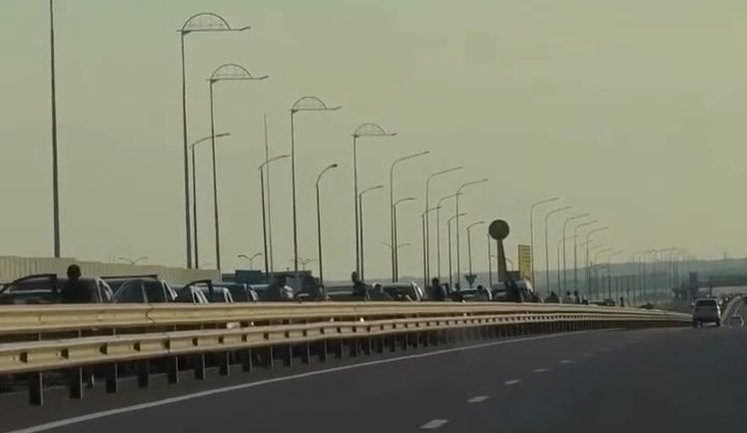
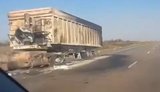 Russian drivers film burnt-out trucks on highway to occupied Crimea: vehicles remain along roadside. VIDEO Footage has emerged online showing burnt-out Russian lorries on the road to the temporarily occupied Crimea. 11 267 7 Previously in trend: Attacks on Crimea Strikes on Russian logistics
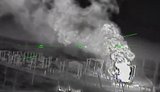 Further 29 energy facilities have been hit in occupied territories, including in Crimea, – Madyar. VIDEO As part of Operation ‘Crimean Circuit Breaker Off’, unmanned aerial vehicle forces have struck a further 29 power substations in the occupied territories of the Donetsk, Zaporizhzhia and Luhansk regions, and in Crimea. 3 800 19 Previously in trend: Attacks on the energy sector Attacks on Crimea
 In occupied Crimea, Armed Forces of Ukraine hit control tower of Saki airfield and UAV repeater, - General Staff The Ukrainian Defense Forces struck the control tower at the airfield "Saki" in Novofedorivka and a relay station used to control attack UAVs near Chornomorsk. 1 088 3 Previously in trend: Destruction of Russian equipment Attacks on Crimea
 USF could increase its strikes on Crimea sevenfold, but funding delays are preventing this, - Madyar The Ukrainian military could carry out significantly more strikes against Russian military targets in Crimea if funding from Western partners were to arrive more quickly. 4 287 73 Previously in trend: Attacks on Crimea Strikes on Wildberries
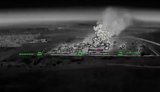 Unmanned Systems Forces hit FSB base in Kherson region, 10 energy nodes and over 100 other targets behind Russian lines. VIDEO The Unmanned Systems Forces’ successful operation behind Russian lines is continuing. Over 48 hours, Ukrainian operators carried out a series of strikes on the enemy’s military and energy infrastructure. 1 965 2 Previously in trend: Destruction of Russian equipment Attacks on Crimea Results of Unmanned Systems Forces units’ operations
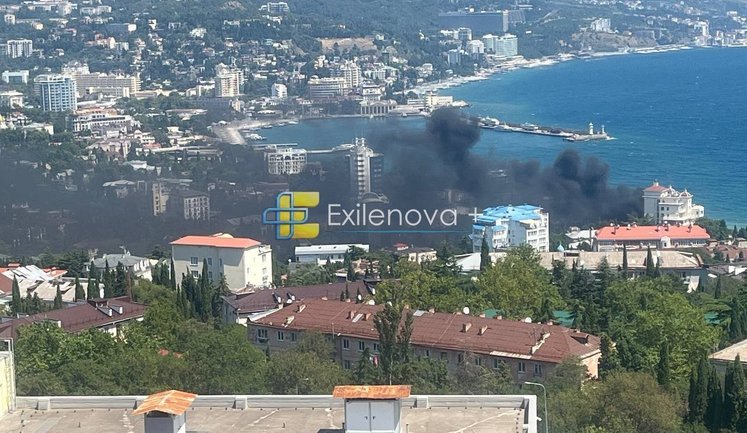
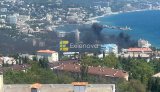 Explosions were heard in occupied Yalta: is likely to be attacked by marine drones. VIDEO&PHOTOS Explosions have been heard in the temporarily occupied city of Yalta. 8 389 18 Previously in trend: Attacks on Crimea
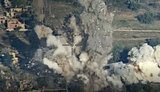 Early detection radar, UAV repeaters and other Russian facilities hit in temporarily occupied territories, - General Staff The Ukrainian Defense Forces struck early-warning radar stations, UAV relay stations, and other targets belonging to the Russian invaders. 564 0 Previously in trend: Attacks on Crimea
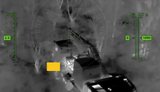 "Pantsir-S1" air defence system and Russian military crane have been destroyed in occupied Crimea, - DIU. VIDEO Military intelligence operatives have struck a Russian ‘Pantsir-S1’ anti-aircraft missile and gun system and a military crane belonging to the invaders in occupied Crimea. 1 961 6 Previously in trend: Attacks on Crimea
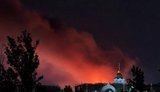 Crimea came under massive drone attack last night: explosions were heard in several cities On the night of August 6, the temporarily occupied Crimea came under a massive drone attack. Explosions were heard in several areas of the peninsula at once, including Sevastopol, Feodosia, Kerch, the Hvardiiske military airfield, and near Alushta. 2 661 9 Previously in trend: Attacks on Crimea
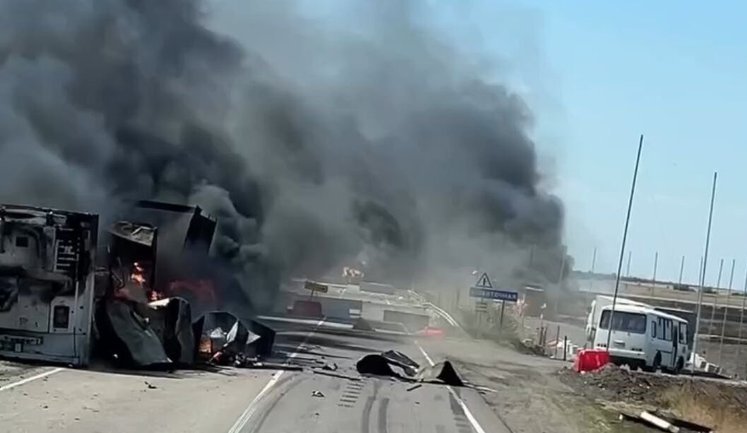
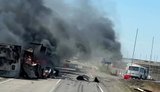 Russian man films burning fuel tankers and trucks on road to Crimea: "I can’t see sh#t! What adrenaline rush". VIDEO A video has been posted online showing a Russian man filming burning trucks and fuel tankers on one of the logistics routes leading to temporarily occupied Crimea. 19 222 27 Previously in trend: Attacks on Crimea Strikes on Russian logistics
 SSU and Defence Forces hit Yaroslavl oil refinery and FSB Coast Guard vessels in occupied Kerch The Security Service of Ukraine (SSU), together with the Defence Forces, has carried out successful strikes on the Slavneft-YANOS oil refinery in Russia’s Yaroslavl, located more than 700 km from Ukraine’s state border, as well as on Russian FSB Coast Guard vessels in temporarily occupied Kerch. 1 920 4 Previously in trend: Drone attack on Russian regions Attacks on Crimea Striking Russia
 New gasoline transport rules introduced in Crimea amid fuel shortage: female occupier searches for new canisters. VIDEO A video has been posted online showing a Russian woman complaining about new problems on the temporarily occupied Crimean peninsula, where additional rules for transporting gasoline have been introduced following fuel shortages and queues at filling stations. 7 774 24 Previously in trend: Attacks on Crimea Strikes on Russian logistics Fuel shortage in the Russian Federation
 USF struck 10 energy facilities in occupied Crimea and TOT of Donetsk Oblast. VIDEO Unmanned aerial systems struck 10 energy facilities in the occupied territories. 1 680 2 Previously in trend: Attacks on Crimea
Enemy artillery brigade’s maintenance base, training site for attack UAVs, and fuel depots have been struck, — General Staff On the night of August 3, 2026, as part of efforts to reduce the military and economic capabilities of the Russian aggressor, units of the Ukrainian Defense Forces struck a number of key enemy military targets. 593 1 Previously in trend: Drone attack on Russian regions Attacks on Crimea
 Operation ’Crimean Circuit Breaker’: in 72 hours, USF struck 13 energy hubs, – Madyar. VIDEO Between 1 July and 2 August, units of the Ukrainian Armed Forces’ Unmanned Systems Forces struck 177 energy infrastructure targets in the temporarily occupied territories of southern Ukraine. 8 608 24 Previously in trend: Attacks on Crimea Results of Unmanned Systems Forces units’ operations
 Over course of night, DIU drone operators struck "Pantsir-S1" air defence system, "Sargan" patrol boat and "Forpost" UAV control station. VIDEO Operators from the Unmanned Systems Department of the Defence Intelligence of the Ministry of Defence of Ukraine successfully struck three high-value targets belonging to the Russian occupying forces in the temporarily occupied territories of southern Ukraine during the night of 29–30 July. 2 390 2 Previously in trend: Destruction of Russian equipment Attacks on Crimea
 Enemy depot of uncrewed surface vessels, railway bridges in Chongar and Crimea, and Russian Black Sea Fleet SIGINT unit struck, - General Staff On the night of 1 August 2026, as part of efforts to reduce the military and economic capabilities of the Russian aggressor, units of the Ukrainian Defence Forces struck a number of key enemy military targets. 4 224 52 Previously in trend: Attacks on Crimea Strikes on Russian logistics
 USF struck boat base in Crimea, 30 air defense units, and "Shahed" launch site, - Madyar The AFU’s unmanned systems forces unit carried out strikes on a number of Russian military targets, including a base for unmanned naval vessels in the temporarily occupied Crimea, five air defense sites, and a launch site for Shahed attack drones at Donetsk Airport. 3 957 4 Previously in trend: Attacks on Crimea Striking Russia
 Drone operators from Main Intelligence Directorate struck Russian "Murmansk" electronic warfare system in Crimea with range of up to 5,000 km. VIDEO Units of the Unmanned Systems Department of the Main Intelligence Directorate of the Ukrainian Ministry of Defence have struck a Russian ‘Murmansk-BN’ coastal electronic warfare system near Cape Fiolent in the temporarily occupied Crimea. 3 929 1 Previously in trend: Destruction of Russian equipment Attacks on Crimea
 Ryazan Refinery and base of Russian Black Sea Fleet boats in occupied Crimea were hit, - General Staff On the night of July 29, 2026, as part of efforts to reduce the military and economic capabilities of the Russian aggressor, units of the Ukrainian Defense Forces struck the Ryazan oil refinery in the Ryazan Region of the Russian Federation. 2 916 7 Previously in trend: Drone attack on Russian regions Attacks on Crimea
 "Prioritet" industrial complex in Udmurtia and occupiers’ warehouses in Crimea and Luhansk region have been struck, - General Staff On July 27 and during the night of July 28, 2026, as part of efforts to reduce the military and economic capabilities of the Russian aggressor, units of the Ukrainian Defense Forces struck a number of key enemy targets. 4 693 8 Previously in trend: Drone attack on Russian regions Attacks on Crimea
 Another 18 energy facilities hit in Crimea and temporarily occupied territories, bringing July total to 154 – Madyar The Unmanned Systems Forces of the Armed Forces of Ukraine have reported striking another 18 energy nodes in the temporarily occupied territories between 25 and 27 July. Most of the targets were located in Crimea, bringing the total number of energy facilities hit in the July operation to 154. 1 875 15 Previously in trend: Attacks on Crimea Results of Unmanned Systems Forces units’ operations
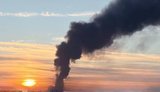 Power and water supplies and transport services restricted in occupied Sevastopol after overnight attack by Armed Forces of Ukraine – media In occupied Sevastopol, restrictions were imposed on electricity and water supplies and public transport services following an overnight drone attack reported by the Russian side. Most of the city was left without electricity in the early hours of 27 July. 985 4 Previously in trend: Attacks on Crimea
 Airfields, oil refineries, and FSB bases: Over past week, SSU struck number of targets in Russia and occupied Crimea The Security Service of Ukraine continues its systematic campaign to undermine the Russian Federation’s military and economic potential, as approved by Ukrainian President Volodymyr Zelenskyy. Last week, SSU fighters successfully struck military facilities, fuel and energy infrastructure, air... 1 069 2 Previously in trend: Drone attack on Russian regions Attacks on Crimea
Overnight, occupied Crimea came under attack: energy infrastructure was hit, causing power cuts Power supply facilities in occupied Crimea have once again come under attack. Some settlements have been left without electricity. 2 598 8 Previously in trend: Attacks on Crimea
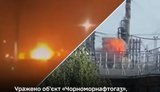 Chornomornaftogaz facility, enemy UAV control relay, bridge and warehouse on TOT were hit, - General Staff On the night of July 26, 2026, as part of efforts to reduce the military and economic capabilities of the Russian aggressor, units of the Ukrainian Defense Forces struck a number of key military and military-economic targets of the enemy. 2 059 1 Previously in trend: Drone attack on Russian regions Attacks on Crimea
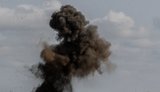 Oil refineries, oil pumping stations, and radar stations: SSU launched new series of long-range strikes against Russian targets On the night of July 24, the SSU carried out new successful strikes against oil refineries, oil pumping stations, and radar stations on the territory of the Russian Federation and in the temporarily occupied Crimea. 1 964 4 Previously in trend: Attacks on Crimea Striking Russia
 19 Russian energy nodes have been hit in occupied Crimea and Donetsk region, – Madyar. VIDEO On 23–24 July, the Unmanned Systems Forces struck 19 Russian power nodes in the occupied territories. 2 368 5 Previously in trend: Attacks on Crimea
 Explosions were heard again in occupied Crimea: reports indicate attack on Wildberries hub In occupied Crimea, on the night of July 24, explosions and drone attacks were reported for the third consecutive day. Explosions were heard in several cities across the peninsula, including Simferopol, Sevastopol, Yevpatoria, and Sudak. 3 588 12 Previously in trend: Occupation of Crimea Attacks on Crimea
 USF struck 13 power substations in the occupied territories, – Madyar. VIDEO As part of Operation ‘Crimean Circuit Breaker Off’, units of the Unmanned Systems Forces (USF) struck a further 13 power substations in occupied Crimea and other temporarily occupied territories of Ukraine on 21–22 July. 2 257 5 Previously in trend: Attacks on Crimea Results of Unmanned Systems Forces units’ operations
 In occupied cities of Yalta and Alushta, fires broke out at electrical substations following drone attack, - media. VIDEO In the temporarily occupied Crimea, fires broke out at several electricity substations in Yalta and Alushta following a drone attack on the night of 22 July. 3 716 11 Previously in trend: Attacks on Crimea
 Payphones are being installed in occupied Crimea due to power cuts and communication disruptions, - media In the temporarily occupied Crimea, work has begun on installing payphones to enable contact with the emergency services in the event of power cuts or mobile network outages. 2 919 19 Previously in trend: Occupation of Crimea Attacks on Crimea Mobile communications
 USF strike another 19 power nodes in occupied territories – Madyar. VIDEO As part of Operation "Crimean Circuit Breaker: Off," units of the Unmanned Systems Forces (USF) struck another 19 energy facilities in the temporarily occupied territories of Ukraine. 1 878 13 Previously in trend: Attacks on Crimea Results of Unmanned Systems Forces units’ operations
Seven vessels, air defence systems and energy infrastructure in Russian Federation and Crimea were hit overnight, - USF Commander Brovdi. VIDEO Overnight, the Unmanned Systems Forces struck Russian military, energy and logistics facilities in the temporarily occupied Crimea and on Russian territory. 2 166 5 Previously in trend: Attacks on Crimea Striking Russia
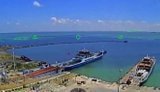 Kerch ferry crossing has lost 75 per cent of its capacity following strikes by Special Forces, – Madyar. PHOTO The Ukrainian Armed Forces’ Unmanned Systems Command has stated that, as a result of Operation ‘MoLoChKa’, the capacity of the Kerch ferry crossing was reduced by 75 per cent over a two-week period in July. According to military sources, two ferries have been put out of action beyond repair,... 6 055 24 Previously in trend: Attacks on Crimea
 Two tankers, tugboat, "Svetlyak" patrol ship, oil terminal, "Slavneft-Yanos" refinery and other enemy military targets struck – General Staff On 16 July and overnight into 17 July 2026, as part of efforts to degrade the Russian aggressor’s military and economic potential, units of Ukraine’s Defence Forces struck a number of important enemy military and military-economic targets. 3 409 9 Previously in trend: UAV attack on oil refinery of Russia Attacks on Crimea
 In occupied Kerch, railway station caught fire following drone attack: fires are reported at warehouses and oil depot. VIDEO In the temporarily occupied city of Kerch, a large-scale fire broke out at the railway station following a drone attack. Several other fires have also been reported near the city. 3 008 2 Previously in trend: Attacks on Crimea Shellings from Crimea Explosions in Crimea
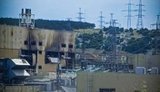 Thermal power plant hit in Sevastopol: almost 50% of occupied Crimea’s electricity generation – SOF Members of the underground resistance of the Special Operations Forces Resistance Movement, together with Deep Strike units of the Special Operations Forces, conducted an operation targeting the Balaklava Thermal Power Plant in temporarily occupied Sevastopol, Autonomous Republic of Crimea. 2 375 2 Previously in trend: Attacks on Crimea
Page 1 of 5
more news