



Azov soldier with call sign Shyk: "War is not just about drones. This story is impossible without infantryman"
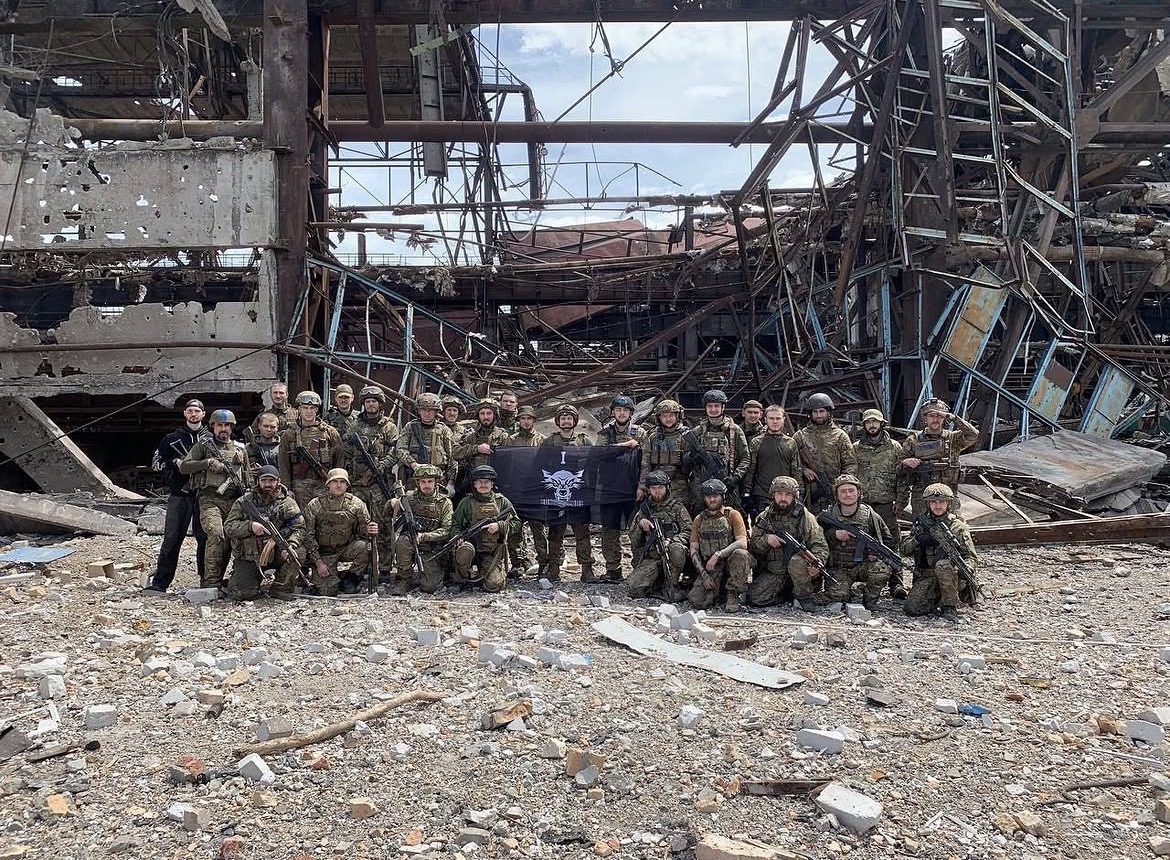
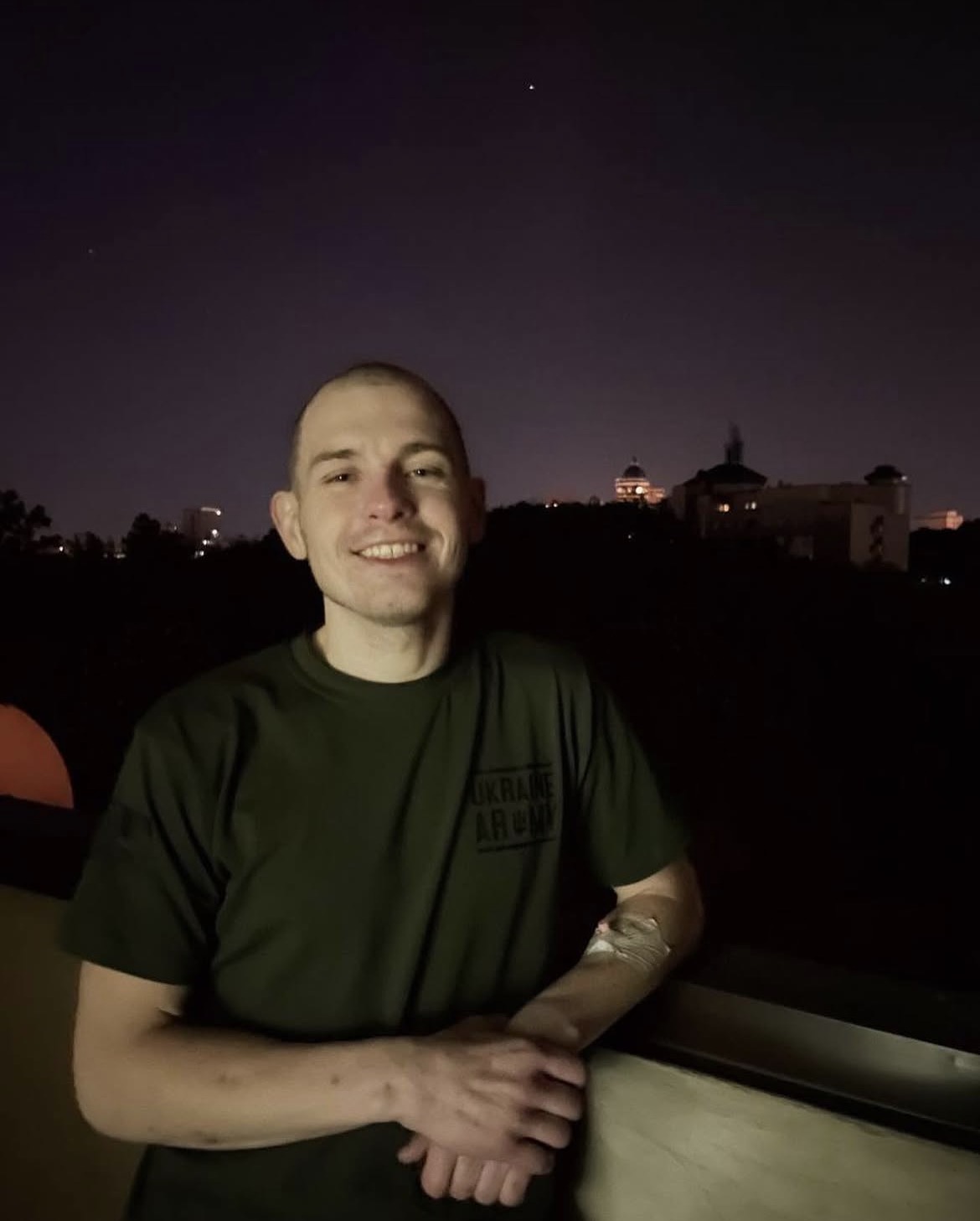
Dmytro, call sign Shyk, is currently the deputy commander of the 12th Special Purpose Brigade "Azov" of the National Guard of Ukraine. He had eight years of service behind him even before the full-scale invasion, including the battles of 2014, Mariupol and Azovstal, captivity, and a return to the front after a prisoner exchange.
In our conversation, he speaks about how the war has changed, along with the people who endure it. About the first battles, where everything was reduced to small arms engagements and chaotic experience, and about the current struggle, significantly more intense, more technological, and more exhausting. A war where drones, logistics, and new strike assets significantly impact the battlefield but do not replace the core element: the role of the infantryman who holds the positions. At the same time, he points to things that do not fade: trust between brothers-in-arms, the responsibility of commanders, and the internal resilience of a unit that holds firm even under the harshest conditions.
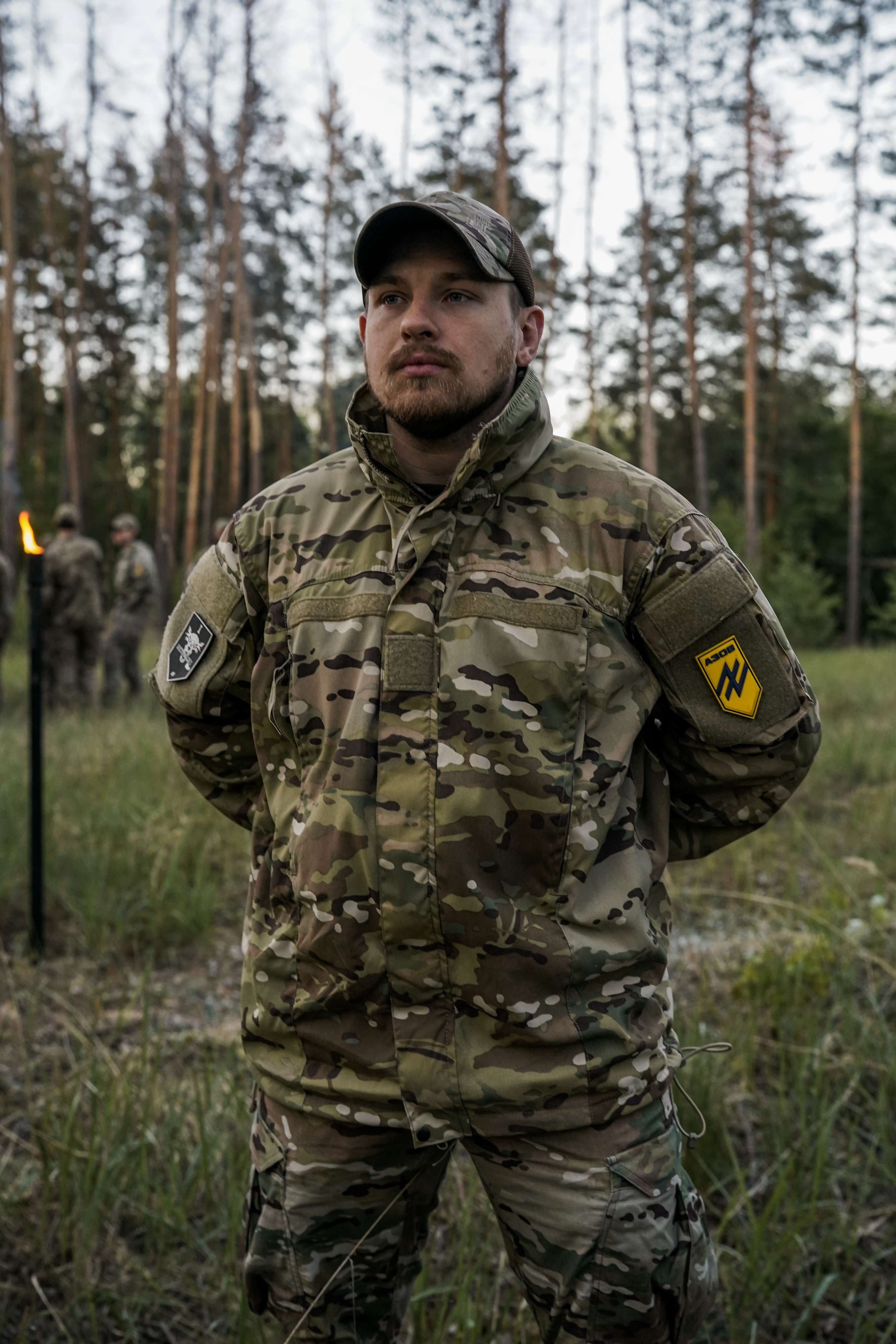
- On May 5, "Azov," where you have served since 2014, will mark its latest anniversary. What does this mean to you?
- We have moved through a stage where we became stronger and more resilient. We have raised a new generation of soldiers who join our ranks, train, grow tougher and better, and go into battle under our flag and chevron; they undergo all the trials and remain our brothers-in-arms for life. Moreover, they share our values not only on the battlefield but also in civilian life. They are the ones building Ukraine alongside us, as we envision it in our ideas and dreams.
- Why did you decide to go to war?
- I felt that history was being made here and now. And for me, as someone who supports a strong and independent Ukraine, staying at home was impossible.
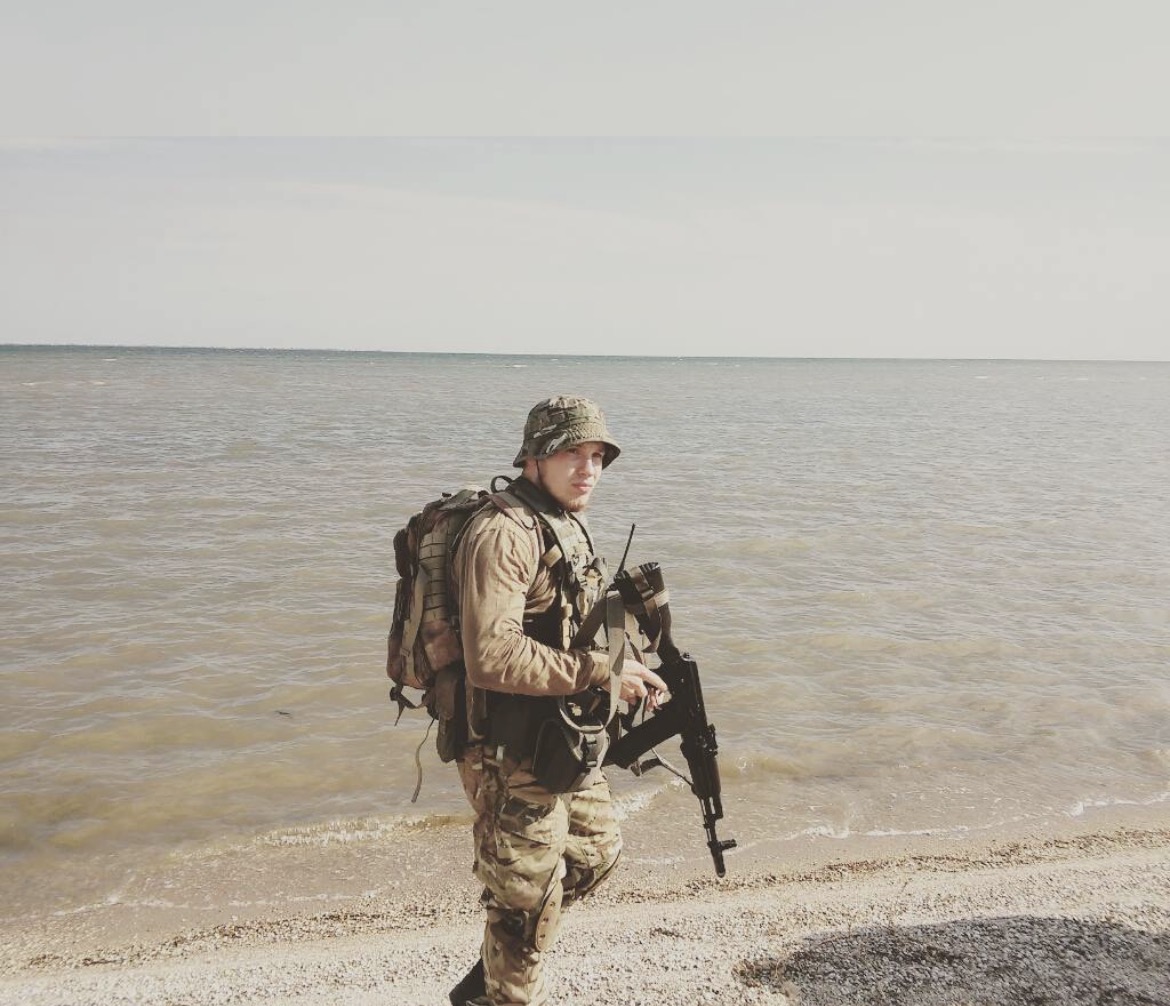
- You were in Marinka at the beginning, correct?
- Yes.
- Tell us about your impressions of those events.
- In fact, Marinka was the first experience for most of us. Our platoon was "shaken up" a bit — a radio-controlled IED was detonated at the entrance to the town, resulting in our first irrecoverable losses. That was when Andrii Balahan was killed, and many guys were wounded. My most vivid impressions of Marinka are specifically from the moment when we "stalled" slightly at the entrance to the settlement, in front of the grain elevator. The other groups went ahead to conduct clearing operations, while we stayed back to provide aid to our own who had been blown up. That was the first time I saw severed limbs.
We later regrouped, moved further on an IFV, drove around Marinka for a bit, regrouped again, and headed back. We did not participate in any full-scale combat engagements. We came under fire, provided first aid, and saw the wounded, but our platoon didn't have that kind of "action" at the time, where you run, shoot, and engage in close-quarters small arms combat.
- And when did this "action" finally appear?
- It all built up gradually. Every subsequent combat mission seemed more intense. After the liberation of Mariupol in June 2014, the guys were saying: "Oh, what action that was!" Then, a month and a half later, we went to Marinka, and it felt like: "Marik was nothing, but here we've really fought!" It was the same with Ilovaisk, Shyrokyne, and so on.
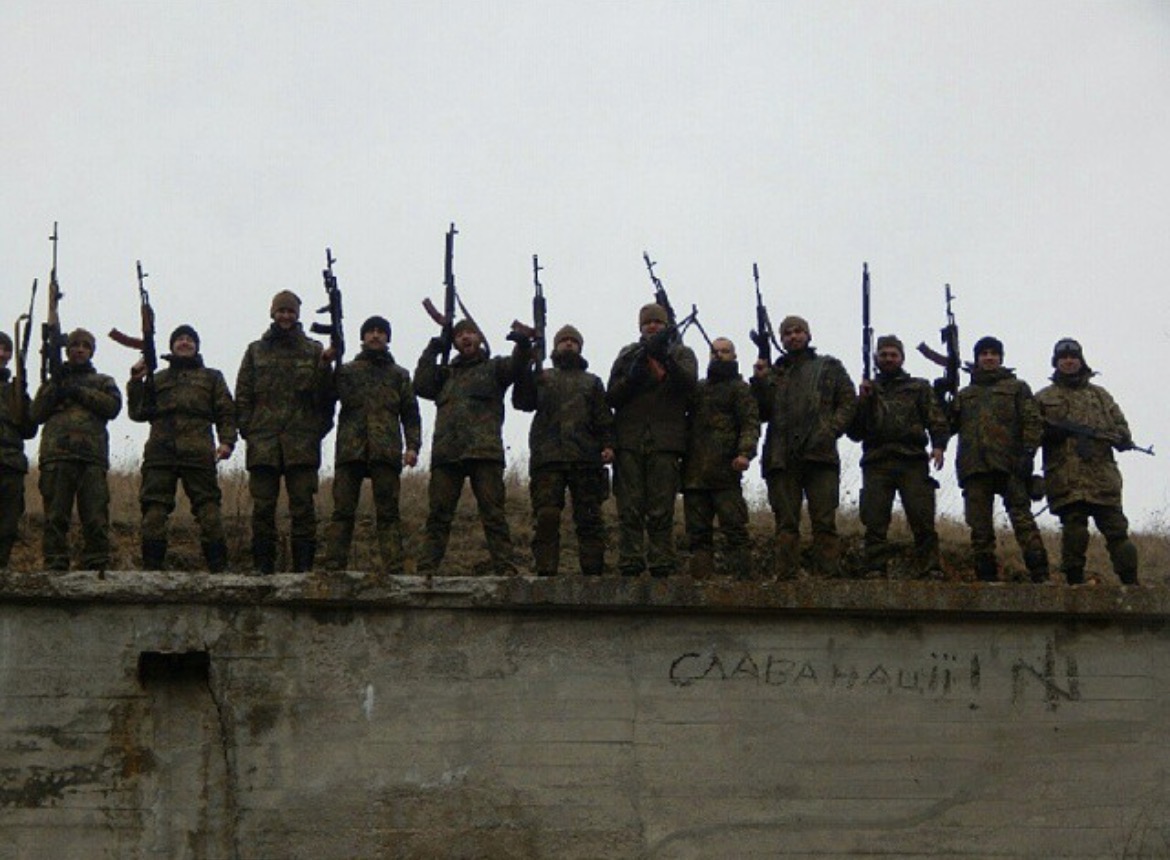
- Back then, in 2014, did you understand that the war could turn into a full-scale one? Was there a feeling that it wouldn't end with Crimea or the Russian offensive in Donbas?
- You know, at the time, there were these thoughts and wishes: we’ll see some action until autumn and then head home — to studies, work, personal matters, family. Although, many of our guys and girls understood that eventually, we would have to engage in a showdown with Russia and fight for our country's independence and sovereignty. Perhaps it was an axiom, especially for those who grew up in a patriotic, nationalist, and socially conscious environment. As for the scale, it was simply a matter of time.
If we recall the period before the full-scale invasion, many units, including ours, along with military and paramilitary organizations, were conducting civilian resistance training. Since the beginning of 2022, the possibility of events developing this way has been shouted from every corner. But not everyone wants or is able to hear such warnings. That is the problem with those who have ears but do not hear.
- You met the full-scale invasion in Mariupol and were at Azovstal. What is your most vivid memory from that time?
- When everyone had already withdrawn to the plant, the fighting in the city effectively began to stall; no one was really pushing for assaults. The encirclement was gradually tightening, and everyone realized there was nowhere left to withdraw. That’s how we ended up blockaded.
My company held a position outside the plant until May 20. Yes, it was literally just behind the fence, but those were the circumstances. The guys would go out, engagements would occur, and they would kill Russians at point-blank range; the enemy was just walking along relaxed, with their rifles slung over their shoulders.
- You were commanding a company then. Was it difficult?
- You know, it is probably much harder for today’s company and battalion commanders. Primarily, due to the intensity and the fact that they haven't had the opportunity to prepare their personnel to the same extent. Personnel turnover doesn’t allow them to get to know the team or train them as we did before the full-scale invasion. Our entire routine before the full-scale war consisted either of separate combat crews working with snipers, reconnaissance, mortar teams, artillery, and sappers, or constant training. It was three weeks at the garrison followed by a week at the training ground. And so it went in cycles. First individual cohesion, then squad, platoon, company, and so on. We constantly worked on getting better and improving. There were also officer courses where we received theoretical training and conducted classes. Furthermore, "Wargaming" was mandatory for us. For instance, as a company commander, I would sometimes lead a mock battalion — one level higher. In other words, we were prepared for the events that eventually unfolded.
- And that helped later on?
- Yes, it helped, and it showed results: we held out for almost three months even without regular resupply. After all, those "helicopter raids" were more of a morale factor. It was very good that they managed to evacuate some of the wounded then. But there was no large-scale supply of things like artillery shells or small arms. So we used what we had, what we found in warehouses in Mariupol, or what adjacent units shared with us. Just the bare minimum.
But the key factor was still the people. I knew everyone in my unit. I understood how they might behave under certain circumstances. I realized what could be expected from the commanders. I had spent years with them. We lived, so to speak, in the same barracks, at the same training grounds; we were side by side for at least 10 hours a day. This bond is important and plays its role. You know what to expect, how the sergeants have trained the men, and what knowledge they have acquired, so you analyze how to deploy a specific crew in a given situation, which ultimately yields results. This allowed us to hold out in Mariupol a bit longer than the other side expected of us.
- Recalling that period in one of your interviews, you said: "There wasn't really this realization that we were encircled and that this was it, that we would all be killed or captured. There was no such focus as: 'we are surrounded, all is lost.'" So, what was there?
- We lived day by day. At most, you could plan your trips to the battalion or garrison CP (command post) to see the command for that evening. But tomorrow everything could change and completely wreck your plans. Therefore, there was no planning even for a week ahead. Accordingly, why think about the encirclement? But perception also depends on one's moral and psychological state, because it varies for everyone.
Just today, I was talking with the guys — reminiscing about the plants. They said: "We went to see those guys in the bunker, and there was such a dejected mood: 'All is lost! We're all doomed!'" But I remember it differently. When we were already at Azovstal, we essentially had a combined COP (command-and-observation post) for my company and the 3rd company of the 1st battalion under "Puhach" — Bohdan Serhiyovych Hrishenkov (who is now our brigade commander). There was also "Lemko" — Arsen Dmytryk, who commanded a mortar battery. In essence, we didn't have any panic or defeatist sentiments. Everything was more or less fine. Perhaps it got a bit sad on the night before the exit, from May 19 to 20. But in general, everyone was in a focused, even relatively positive state. Of course, when we suffered losses, it affected the morale. But if you constantly dwell on it, you’ll eat yourself alive. You have to process it quickly, let go, and deal with what is necessary here and now. My task at that time was to directly command the battle, hold the defense in my sector, and prevent an enemy breakthrough deep into our lines.
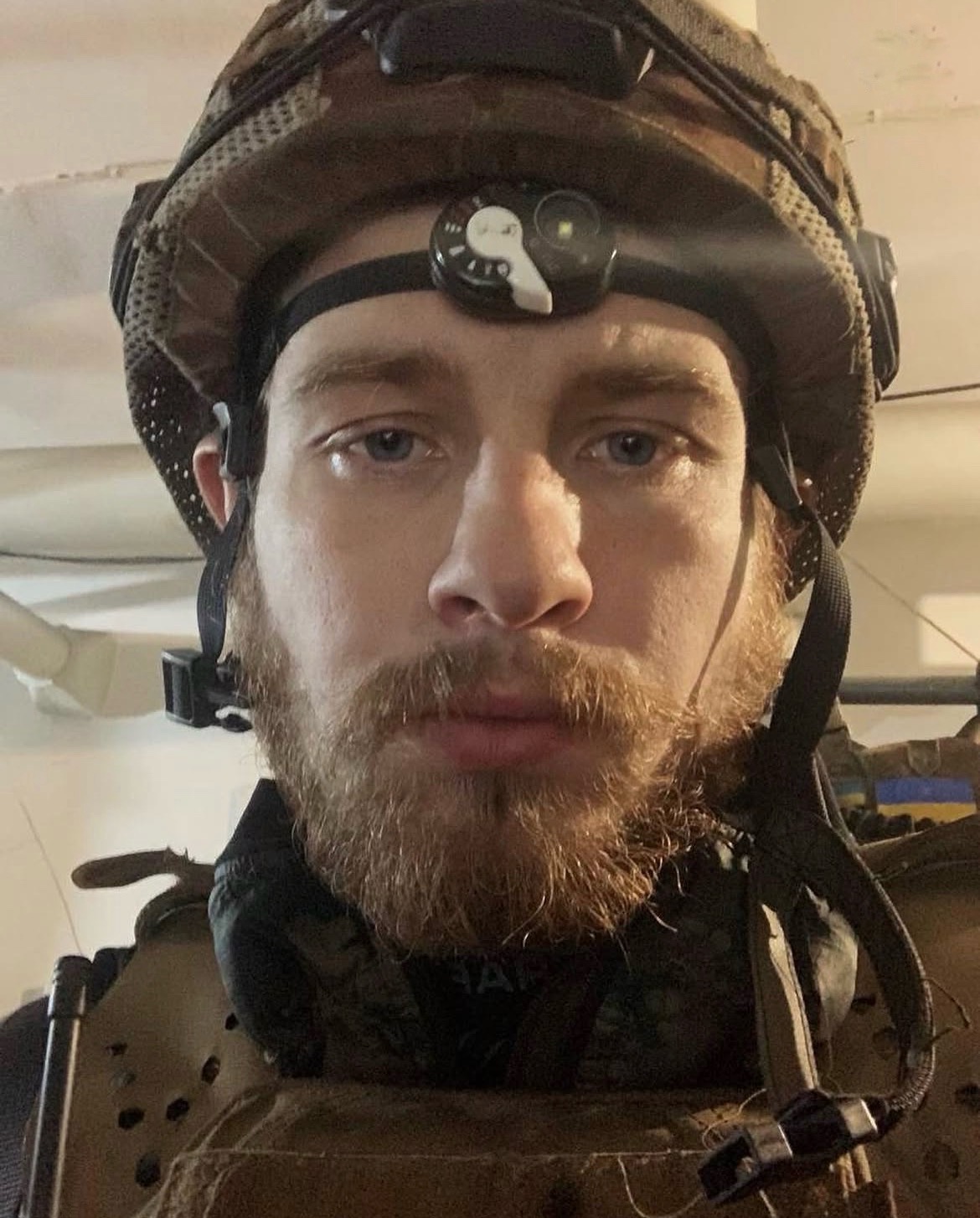
- What were your thoughts when Redis went for those so-called negotiations with the enemy? Clearly, trusting the Russians is a dubious prospect, so the risk was high.
- I think the "Azov" fighters were mostly concerned that nothing would happen to him and that he would return. Then, as now, we fully trust our commander. He is seen at training sessions, at the range, and among the soldiers. He is a commander who earns respect. Therefore, the guys were worried not so much about themselves but about ensuring he was alright.
Regarding the negotiations, of course, everyone realized who the Russians were. But at the same time, we understood something else: Redis wouldn't just sign anything just to leave and abandon his people. This man knows how to act. The trust of the personnel was absolute. No one doubted what he was doing.
- Ultimately, you received an order from the command to surrender. How was that received? Reactions varied: some said orders are not to be discussed, while others were anxious. Meanwhile, someone like Oleksandr Ivantsov, call sign Skhid, decided to break out on his own.
- As a company commander, I was present at the command post when Redis spoke about the results of the meeting — what had been promised and what the conditions were. Later, the battalion commander, Sukhar (who unfortunately passed away after the exchange), came to us, and we discussed it again. I had an understanding of what had been promised. But overall, of course, people reacted differently. And that’s logical. Perhaps some were overthinking or didn't fully trust the Russians' words. However, in general, the order was accepted.
As for Skhid getting out, he had every right to do so. I know him quite well. He served in my company from 2019 to 2020. He is a "tiger among tigers". One of those fierce, absolute "tigers". He later told the story of how he got into Mariupol, how he crossed into Azovstal, and so on. It’s a story that deserves a film adaptation. Nothing but respect for that man.
- You were held captive in Olenivka. Lemko, whom you mentioned today, told me in an interview about what happened there: "In Olenivka, the Russians wanted to execute us all. As usual, they planned it poorly, and not everyone died." What can you say about what you saw?
- Arsen Volodymyrovych, as well as Puhach and Maslo, who is now the corps’ chief sergeant, were directly in the barracks that exploded. I was in another one, so I was not part of those events.
- Then came Donetsk?
- Yes. In September, we were transferred to the Donetsk pre-trial detention center. Before that, there had been an interrogation at the prosecutor’s office. They started questioning me among the first and finished with me last. It lasted from about 10 in the morning until 11 at night. Then we spent two nights in the temporary detention facility at the Donetsk prosecutor’s office. After that, we were transferred to the Donetsk pre-trial detention center, where I remained until May (2023 – O.M.), when I was exchanged.
- Bohdan Krotevych, recalling how he managed to hold on in captivity, said: "I goaded myself: I set a goal, and that helped me hold on psychologically." You spent a year in captivity. What gave you strength? What helped?
- The group. In the Donetsk pre-trial detention center, the cell was small, designed for 10 people, but there were between 18 and 25 of us inside. Among them were guys from those three units of the first battalion, the ones we had been with since Mariupol. We had lived in the same garrison since 2017. Over those four or five years, we had become very close. Those friendly bonds helped save us. In general, there were different people in the detention center: civilians who had committed criminal offenses, people who were patriotic and had been jailed for that, and soldiers from other units. But everyone in my cell was from our battalion. In other words, they were all our own, and that allowed you to relax a little because you knew these people and could trust them. That kept us going and, in many moments, kept us from breaking down morally. So we did not really have any defeatist moods.
By the way, during the exchange that took place over the weekend of April 11, a guy who had been in the same cell with me returned: call sign Sevych. He is a young guy, also from our battalion, who showed himself incredibly well in Mariupol. He survived after a tank hit the Spartan he was in. He is one of those who carried himself with great dignity. I spoke with him by phone yesterday. I told him I was proud that there are people like him. I am glad he was exchanged.
That faith in people also helped a lot in captivity. Had we been, for example, in Taganrog, where you are not even allowed to talk to one another, and everything is tightly controlled, I do not know how it would have been. The same goes for solitary confinement. But things turned out the way they did. We got through it. Still, I will say again: that support, trust, and normal human interaction allowed us to endure and get through those trials.
- How did you find out you were going to be exchanged?
- They came in the middle of the night, called out my surname, and simply took me away.
- So you did not even know whether you were being transferred or taken for an exchange?
- Absolutely!
- And then you were in Ukraine. What were your emotions at that moment?
- You know, about a week before that, they had given us some canned fish. And, as I understand it, I was badly poisoned by it. I had never felt that unwell before. So I was taken straight to intensive care. I think the doctors were just playing it safe. I spent a couple of days there. So all my thoughts were focused on my physical condition, which was extremely bad. Of course, I thought about finally being home. But I felt really awful.
- Do you think you were poisoned deliberately, or were the canned goods spoiled?
- Most likely, they were just spoiled canned goods.
- In October 2023, you said that almost your entire former company was in captivity. Has anyone else returned since then?
- Yes! Even in this exchange, which took place on April 11, my deputy for sustainment at the time also returned. I looked over my list, and of the company that went into captivity, 31 people are now free in Ukraine. But more than 40 of the guys still remain in captivity. We are waiting for them very, very much.
- We know how difficult it is to exchange "Azov" fighters. Unfortunately...
- Unfortunately. But it is what it is. It is very good that there is an opportunity to see those who return, even if only occasionally. It is heartening. We are waiting for the next exchanges. I sincerely hope there will be guys from my company and from "Azov" in general.
- You lost about 20 kilograms and some of your health in captivity. Yet, you returned to the front just three months after rehabilitation. Why so quickly?
- That was exactly when the commander was returned from Turkey. He called and said that I was needed. But I would have gone even without the call. My health was already more or less fine. And in general, what is there to do in civilian life under these circumstances?! I had been a serviceman for eight years, even before the full-scale invasion. Plus another year. So I understood that I had to do something.
- Obviously, 2014, the start of the full-scale invasion, and the current situation are all different wars. Today, technology has made a huge leap forward, while the enemy continues to build up its forces. The intensity on the battlefield is staggering. It seems these periods can no longer even be compared...
- Undoubtedly, what an average soldier, an infantryman on the front lines, is experiencing today is beyond comparison with what happened in 2014. It’s not just a "world of difference" — they are simply incomparable. Honor and glory to the infantryman who goes to the positions today and fulfills this most critical mission: standing guard and effectively sacrificing his health and life to maintain the current line of contact.
The intensity is certainly on a completely different level. The types of weaponry, ammunition — everything has changed. Even if I had been on the front lines in Marinka and throughout the entire Shyrokyne operation (I missed half because I was at training courses in the Kharkiv region), it still wouldn't compare to what infantrymen go through now. They do significantly more, demonstrating much higher levels of heroism, resilience, fortitude, and courage.
I remember when we entered the Svitlodarsk Bulge as part of a battalion group in 2018–2019. I was a deputy company commander then. In the third or fourth week, we spotted the enemy moving toward us for the first time and killed them with small arms. At the time, it was a sensation because it wasn’t reconnaissance, snipers, artillery, or mortars that did the job, but a direct firefight: small arms contact at a distance of about 300 meters. Now, an infantryman can engage in ten firefights and kill up to an enemy platoon in a single mission. And all of this is now perceived as something routine.
- Given the saturation of drones, you still have to reach that position. That’s also quite a difficult task, isn’t it?
- Of course! If before you would arrive at a position, unload, and leave, now you might have to hike 10–15 kilometers to get there. And you no longer cover that distance in four hours; it might take an entire day. It's the same on the way back. Moreover, you carry supplies for two weeks, but there is no telling how long you will stay there. It could be two months.
- The Commander-in-Chief of the AFU, Oleksandr Syrskyi, stated today (the interview was recorded on April 15, – О.M.) that the Russians have intensified their offensive along the entire front line. What is happening in your sector?
- It’s more or less static. Essentially, we have created a security zone, a "grey zone," and a relatively clear "kill zone." The enemy is no longer particularly keen on advancing through our formations. Therefore, the situation is under control. We are trying to focus more on striking deep — hitting enemy defenses, logistics, and the transport of personnel, equipment, and supplies. We have the capability to do that.
- It’s often said that this is now a war of drones. What is your take on this?
- Of course, drones are a very important factor. They impact logistics, combat strikes, and surveillance. But war still doesn't boil down to them alone. This story is impossible without an infantryman.
There are moments when drones truly "shut down" resupply, evacuation, and movement. But there are also factors that negate them — weather, wind, rain, frost. In those conditions, this drone advantage can diminish. If there is no infantry at the position, it can be lost very quickly.
- The "greenery" has already started, changing the picture. Is it becoming more difficult?
- Yes, although it is not exactly easy in winter either. Every season has its own specifics. During the "greenery," observation becomes more difficult, so we have an opportunity to take certain actions, rotate personnel in some places, evacuate people, bring up ammunition, and so on.
- Has the enemy changed recently? Do you feel that they are learning too? We can see that they are improving even from the Shaheds and missiles that are flying at civilian cities.
- Of course, they have changed. War is always an engine of progress. Think of the First World War: the technological leap that took place then, and later moved into the civilian sector. The same thing is happening now. The battlefield is constantly changing, roughly every three months. The problem is that the training system often cannot keep up. What was relevant six months ago may no longer work today. And if there is no rapid exchange of experience, people may end up being taught things that no longer save lives the way they used to, but do the opposite.
- Soldiers often stress that Russia does not plan to end the war, but wants to seize even more of our territory. Negotiations are now at a dead end. Although even before that, they looked more like a smokescreen than something that gave grounds for hope. What do you think about all this?
- It is window dressing for people who build illusions for themselves. But as we know, "rose-colored glasses always shatter inward."
Olha Moskaliuk, "Censor.NET"
Photos provided by the press service "Azov"


