



"I do not hate Russians. I just no longer consider them human" – story of Azovstal defender
I confess: there was one day when I was glad that Viktor Medvedchuk was in Ukraine - September 22, 2022. On that day, Russia took Medvedchuk, returning 215 Ukrainian service members in exchange. Among them was an old acquaintance of mine, Azov fighter Viktor Muzyka.
He saved hundreds of defenders and civilians at Azovstal, survived injuries, captivity, torture, and partial memory loss - and rejoined the military, serving in the National Guard of Ukraine. Meanwhile, his own brother moved to live in Russia.

Viktor and Olena Muzyka, Bucha, 2026
We meet Viktor and his wife Olena in Bucha; their new home is now a small rented apartment here. Their large three-room apartment is in the Russian-occupied town of Prymorsk, which is also my hometown. It is located in the Zaporizhzhia region on the Azov coast, near Berdiansk, and another hour's drive from Mariupol. Viktor was defending this very city when the world learned about the atrocities committed by the Russian military in Bucha. Bullet and shrapnel marks from the fighting can still be seen on the fences here.
"This is most likely from a mortar," says Viktor Muzyka.
- In the first days of April 2022, the world learned about Bucha. You were in Mariupol at that moment. Did you know anything?
Viktor: No, we had a war going on; we were bombed constantly, we were carrying out tasks. I found out much later - after we were returned from captivity. We were shocked. In captivity, they told us that the katsaps were already approaching Lviv.
From the Soviet Army to ‘Azov’
During the Soviet era, Viktor joined the army, studied at the Kharkiv Tank School, and then served in Germany. In 2015, he joined Azov.
Viktor: It all started with the Maidan. I actively supported it in Prymorsk. There were not many of us in the town. Then I volunteered. And then, somehow, I went to visit relatives in the Donbas, and we were stopped by guys with machine guns. I looked at them and thought, "Vitia, you are in the wrong place." When I arrived at the medical board, they did not want to take me because of my age. Then they asked why I wanted to serve. And I said that my home is 120 kilometers away from here. They had to take me.
- What rank did you hold?
Viktor: Captain. Now I am a lieutenant colonel. But I am not building a career. Since then, since 2015, my knowledge and experience have been needed in Azov. I trained the youth, and they are wonderful here. And I learned a lot from them as well.
- On the eve of the full-scale invasion, did you believe it was possible?
Viktor: International intelligence agencies said so; Budanov said there would be an attack. But, Ira, I did not believe it.
- Why?
Viktor: Well, my mother is Russian. From the 3rd to the 10th grade, I grew up in Russia. It was the village of Moskovskoye in the Stavropol Krai. I thought a brother could not go against a brother!
- And do you still perceive Russians as brothers now?
- No, that is gone now. By the way, I have no hatred towards them. More like contempt. I just no longer consider them human. If you go and elect that ghoul, voting on a tree stump, well, what can I say about you? You have no freedom, no voice. You are all slaves.
- How did you encounter the full-scale invasion?
- I was in Urzuf (a village near Mariupol - ed.), in our unit. An alarm was announced; it was still dark, around 4 in the morning. A light rain was falling. We started burning documents. Then we went to Mariupol. I was driving a jeep with four female service members. We were transporting office equipment. There was a column of cars coming towards us; the entire road was jammed, and ours was the only car heading to Marik (Mariupol - ed. note). We arrived at Azovstal and settled in. And when the first bombs started falling, I realized that everything was serious.
- What was happening at Azovstal?
- I would not say it was chaos, but it was like in a war - when everyone finds themselves in difficult circumstances. Redis (Denys Prokopenko - Brigadier General of the National Guard of Ukraine, commander of the Azov regiment, who led the defense of Mariupol and the Azovstal metallurgical plant - ed.) tasked me with meeting all the units that came to us at Azovstal.
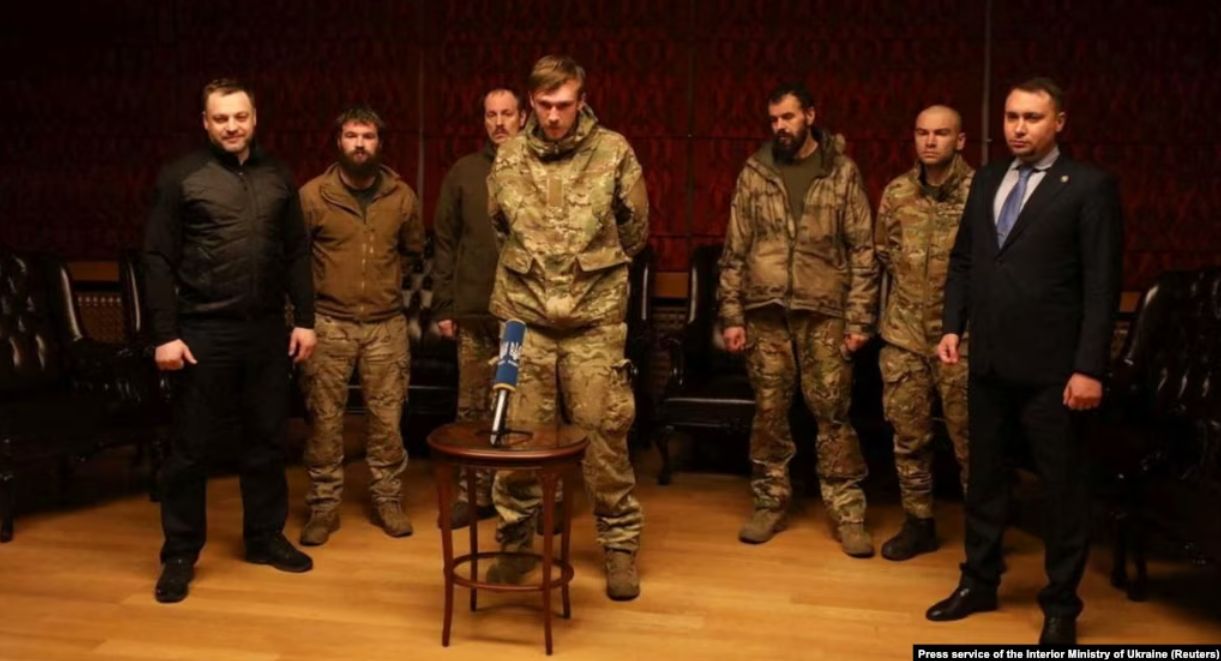
Commanders in Turkey
This included the first brigade, reconnaissance battalions, and other units of the Armed Forces of Ukraine; everyone was flocking to Azovstal. My task was to meet them, accommodate them, and connect them with Redis and Bastion. I was in a bunker; I had 385 people. We were stationed at the CHL, which is the Central Chemical Laboratory.
- And who were these 385 people you were taking care of?
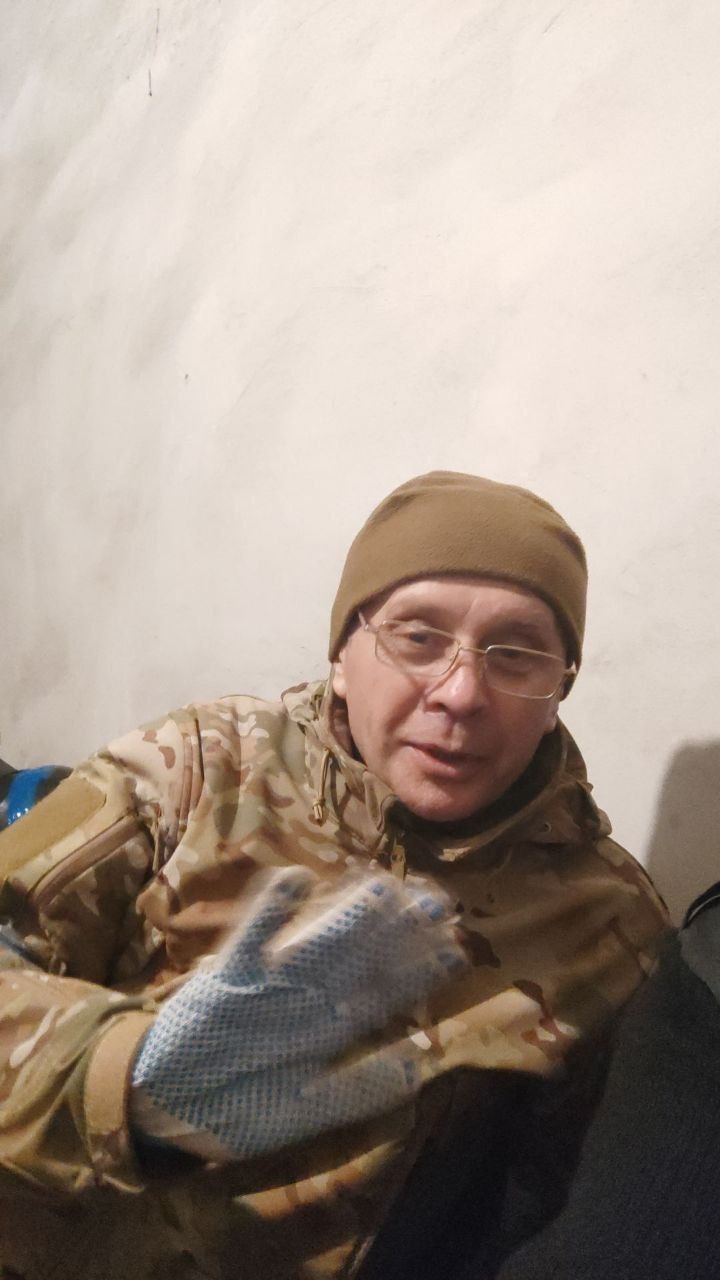
Viktor: Our military personnel. There were also the wounded, the shell-shocked, refuseniks, and Russian prisoners of war. And there were only five of us from Azov. The command appointed me in charge. We lived on different floors. There were six of them. Due to the bombing, we kept descending lower and lower until we ended up on the minus second floor. It was fine as long as the food warehouses had not yet been bombed. Many combat units at that time were still refusing cereals, for example. But I forced my people to take everything - cereals, sacks, and I stored it all. This also helped us a lot later on. Because then we switched to a different regime - we ate only once a day. Imagine - a closed space, about 35 by 25 meters. And a huge crowd of people…


- How long did that last?
Viktor: About two months. My main task was to maintain morale in this bunker. Because some people's hands were shaking, some were running around, some had panic attacks. And the women I had were great! Over three days, despair would accumulate in them about what would happen to us next. I gathered them, gave a lecture, calmed them down, and they would feel relieved for another three days. I told them that Zaluzhnyi had arranged for artillery and they would cut a corridor to us. And also, some of us left the bunker and carried out the tasks set by the command.
- Which ones, for example?
Viktor: For example, we met helicopters, dispatched the wounded, and delivered weapons to positions.
- Are these the helicopters on which HUR (Main Intelligence Directorate) operatives broke through?
Viktor: Yes, exactly, I organized the meetings, unloading, and loading. But sometimes I took an assault rifle, body armor, and went out just to breathe some air. Because, I repeat, being there 24 hours a day, when everyone is looking at you, when you have to make every decision, when you understand that everyone is waiting for them to return home alive, it is very difficult.

Viktor's message to his daughter during the battles for Mariupol
- Olena, and what about you at this moment?
Olena: At this moment, I am living in Prymorsk, under occupation. I could not leave the city; I was stuck. Vitia told me: "Lena, you urgently need to leave, because I have guys whose families stayed in Berdiansk and Novomykhailivka, and Kadyrovites entered there, and terrible things are happening to military wives." I was in total panic, I was in shock, I was afraid of captivity, rapes, torture. Then they started opening corridors from Mariupol, and I was able to leave. We stood in Vasylivka for two days; Kadyrovites came, checked tattoos, and documents. But eventually, I arrived in Zaporizhzhia. This moment, when you see the Ukrainian flag and cry - I will never forget it. We look at these faces of our guys - all so bright, so beautiful... and you compare them with those Kadyrovites who let us through. And they also asked like this: "And why are you so sad?" or said, "Wave your hands at us." I sat there then and thought: are you a moron?
- Vitia, tell us what was happening with you at this moment?
Viktor: We were fighting. I remembered one task. It was probably the end of March. Our second battalion was on the right bank, cut off from us. And imagine: at this moment we are at Azovstal - encircled. And they, the second battalion, on the right bank - also encircled. And it was necessary to deliver ammunition, cigarettes, and food to them. We had a guy with the call sign Zmii, a plant worker, the biggest hooligan, swears, fights with everyone. I received a task: it is necessary to leave our encirclement, reach the encirclement of the second battalion, pass through it, and deliver the package to our guys. I gathered something like a Cossack viche. It was necessary to decide who to send on the mission. And so I look into their eyes... And I say: "Zmii, it is you." And Zmii says: "Well, fine." Everyone else had to prepare the car: load it, cover it with a tarpaulin, pin it all securely, draw Zs on the radiator...
- So you disguised your car as a Russian one?
- Well, yes! You should have seen what started here! Sparks flying, everyone welding, drilling, grinding. We covered Zmii with body armor. We drew Zs. We coordinated with the security service so that our people would let this car with Zs through. When I appointed Zmii, I understood that only he could handle it. And what? I saw him alive!
- Did he complete the mission and return to you, to the encirclement?
- Yes! It was quite a meeting! I gave him my last pack of cigarettes then... And I also want to say about Kit, this is Mykhailo Vershynin, the head of the patrol police. He was involved in the evacuation of civilians. I explained to him how to pass the "Mist" checkpoint (the unofficial name of the checkpoint near the bridge, one of the key strongholds, - ed.). Because civilian drivers would reach the "Mist" checkpoint and refuse to go any further. And Vershynin (Kit) sent his crews. They pulled out the wounded, civilians, children, and the elderly. Since then, I have changed my mind about the police.
- Before that, was it "bad cops"?
- Yes (he laughs). After that, I started to respect them.
The most terrifying dates. Bombing of the bunker. Rescue
Olena: One of the tragic dates for Azov is May 8. When more than 70 people died. At that time, a Russian aerial bomb hit the "Mahazyn-20" bunker.
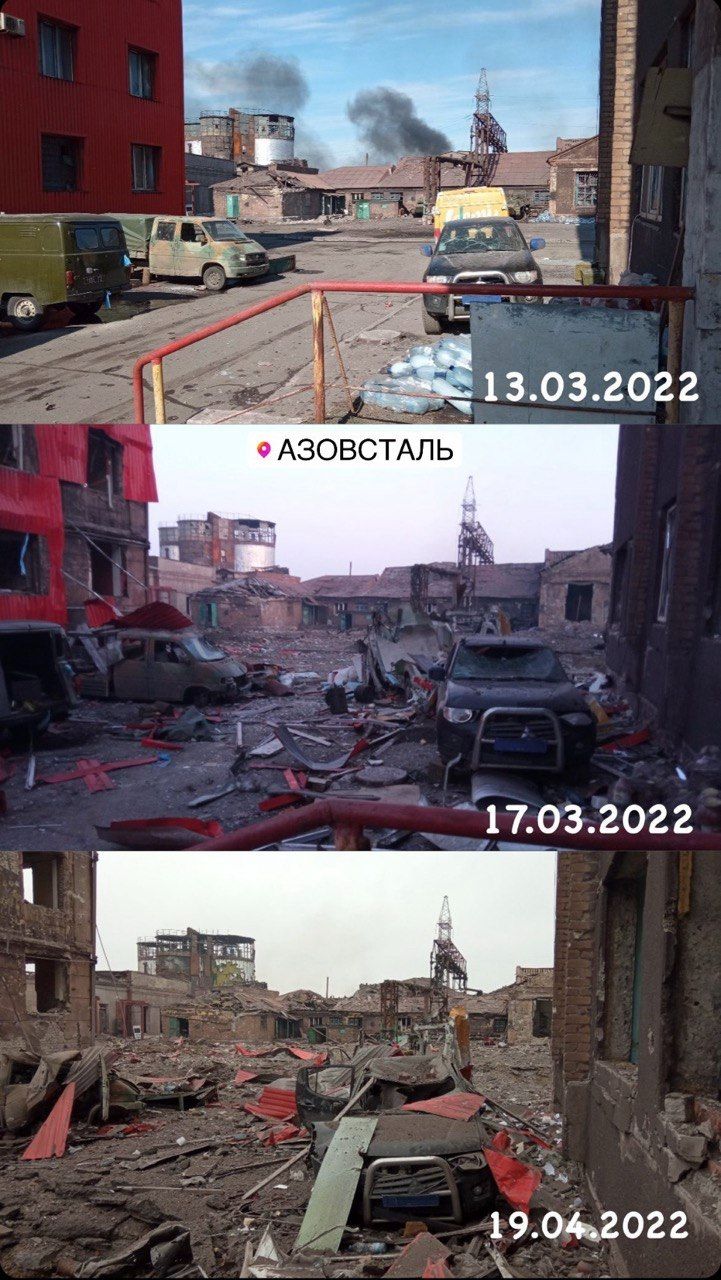
Viktor: A lot of people burned there. I realized then that the katsaps would soon zero in on our bunker as well. We were ordered to keep grenades, small arms, and ammunition with us, on the minus second floor. But I made the decision to move it upstairs, to the minus first floor, so that all this would not be next to the people. And I ordered the cooks: we are switching to two meals a day. Before that, we were eating only once a day, and we were very hungry. If we are going to die, then at least not hungry. The cooks dipped the dough in oil and prepared flatbreads for us. Everyone was really waiting for this lunch. But we did not get it. A thermobaric bomb (a munition that strikes the target not only with an explosion but also with a powerful wave of overpressure and extremely high temperature - ed.) hit our bunker. This was on May 11. Everything was burning. Even the cartridges in the magazines started exploding. Thank God we moved all the grenades and everything else upstairs.
Olena: But tell us exactly what saved your lives!
Viktor: What saved our lives was that all the exits were open: emergency, backup, main, ventilation.
Olena: Because when the strike hit another bunker on May 8, they were like in a submarine - everything was closed, sealed. The explosion damaged their doors, and they could not open them to get out! Many people suffocated because of this, right by the doors.
- Were there any fatalities?
- Yes, 18 people died immediately from the impact. But imagine: we come out of this bunker, and the katsaps immediately cover us with mortars. When everyone had already been evacuated, I gave the command to deploy under the blast furnaces (blast furnaces - ed.). And I returned, and together with Vasia Shchelokov, through the ventilation hatch, we pulled out a wounded lieutenant colonel border guard from the minus second floor. He was still breathing. Then - that was it; he passed away. We went down again to see if there were any survivors. We found two more wounded and carried them out. I realized that I had grown very weak when we were carrying out Montana from the territorial defense - I could barely hold the stretcher in my hands... When the wounded were carried away, I sat down, looking, and I already did not care about anything... I saved everyone I could; the task is completed... I look at how everything is burning, smoking, and I see - a plane is coming in! And a missile comes from it, and I see it flying towards our blast furnace! This image still stands in my eyes. The missile is flying towards the blast furnace - the explosion is so strong! It is good that none of our people were under the blast furnace anymore. It was a horror movie. Apocalypse.
Viktor falls silent again. This happens several times during the interview. Especially when we talk about fallen brothers-in-arms or those who remain in captivity.
- What happened next?
Viktor: After our bunker was bombed, I went to the place where the territorial defense was located. Initially, they did not want to let us in because there were too many people, wounded, women, and there was almost no food, but... Here I showed "Azov" qualities, firmness, and persistence, and...
- And what?
Viktor: And what. I obliged them to take us. (he laughs) Well, but later we communicated normally; everything was fine.
- How many people did you bring with you?
Viktor: There were already about 115 people. The others dispersed and moved to other places. We squeezed in, packed tighter... The cook and the senior from the territorial defense asked that I must be present during meals. Well, so that there would be enough for everyone... And the hardest thing in this, Ira, was: when there are 10-15 people and I understand that there is not enough food for everyone... A person starved for a day, the time came to eat, and there would not be enough for them...
- How long were you there?
Viktor: About five days. And then Redis started negotiations. And they already started giving a ceasefire regime.
CAPTIVITY
- And at this moment, the decision is made to surrender into Russian captivity. How did you react to this?
Viktor: Ambivalently. On the one hand, I understood that this was the path to returning alive. On the other hand, well, something "Azov" was playing inside. But there was almost no ammunition left, no medicine, many wounded, everything was already very bad. Therefore, I support Redis and his decision.
- What was the exit process like?
Viktor: We exited on May 20. Initially, we were met by, it seems, some Red Cross, some international organizations; some guy was saying "Thank you," but it was all completely useless. They made some notes, compiled lists; this is important for relatives. Then we encountered the katsaps. We had Dagestanis. One waved a pistol in front of me for half an hour, trying to figure out who I was, what I was... Well, I thought then that he would not shoot inside the bus. He shouted for a while, realized nothing would come of it, let me go, and took my neighbor's watch. By the way, near Olenivka, I heard Dagestanis talking among themselves: "Don't talk to that one, because you'll talk for 5 minutes and sign up for Azov yourself!". That is what they said about Dotsent (Vladyslav Dutchak - an Azov fighter, historian, candidate of philosophical sciences, former university lecturer - ed.). This assessment from the mouth of the enemy is the best.
- And where did you leave your weapons?
Viktor: Before leaving, I gave an order: you walk, you open the receiver cover, take out the spring and throw it away, after 50 meters - throw the bolt away, another 30 meters - throw something else in the other direction... And so we left the assault rifles there in pieces.
- You were interrogated in captivity, weren't you?
Viktor: Yes, the first two interrogations were particularly memorable. They were interested in why Azov, in their words, fights so well and for so long. These were FSB officers; they talked to us like people who understand and can even sympathize. They were interested in why I, an officer of the Soviet army, why I went to fight for Ukraine. I told him that in the sixth grade, when we were living precisely in Russia, I took the book "Taras Bulba" from the library. By the next evening, I had finished reading it - and realized that I was Ukrainian. When I was receiving my passport, the woman asked me what my nationality was. I said I was Ukrainian. And my brother, three years later, for some reason, said he was Russian.
Olena: And so it is to this day. Unfortunately.
- Does your brother still consider himself Russian?
Viktor: Yes, my own brother. He lives in Russia.
- Do you communicate with him?
Viktor: Not now.
- When did you stop?
Viktor: When it all started. In 2022. He did not root for Russia or for Ukraine. He just lived so that things were fine for him... He took no action to stand up for the defense of the state.
- Does he know your story?
Olena: He knows. We communicated with him when Vitia was in captivity. At that time, he lived under occupation, in the Luhansk region; they had already been captured. He wrote that he was worried about Vitia. And then he wrote: my wife and I moved to live in Russia. They do not communicate with us anymore.
- Vitia, are you worried about this?
Viktor: Probably not. I have stopped worrying. I do not judge: everyone lives as they want.
Olena: Vitia's dad is from the Ternopil region. He moved to the Luhansk region when he was 13 years old. From a young age, he went to work in the mine and worked there as a pioneer for 40-50 years. He always spoke Ukrainian. He married a Russian woman from the Stavropol Krai. And so dad spoke Ukrainian, mom spoke Russian. That is how Vitya grew up. Dad's genes won out in him.
- Let’s get back to the interrogations.
Viktor: Yes. In another interrogation, they were curious why we are mentally going against Russia, against the Soviet Union, against the empire. And I explained: the mistake occurred 800 years ago. When the Battle of the Kalka River took place (the 1223 battle between the united army of Rus' princes and Cumans against Genghis Khan's army - ed.). I believe that our princes prepared poorly, and the result was disappointing. All these Mongols, Nogais, Tatars laid boards over them and celebrated their victory. After this, everything went wrong in Kyivan Rus. "But," I tell the FSB officer, "we have freedom, the right of choice, and we have a voice; this has not gone away. And for all these 800 years, the spring was compressing, compressing, and now it has exploded. Right now, you will feel what Ukraine and Ukrainians are. What the striving for freedom is." It was strange for him to hear this from me.
And then it was even more interesting! The news came that Redis had been brought! (he laughs) So this FSB officer even left me in the office; he ran to look at the commander. I saw him then too. Redis - with a bandaged hand, very thin, but the spirit was present in him. He later gathered us between the barracks at night. He said: "Hold on, we are doing everything we can."
Well, that is all I can say from the diplomatic side. Everything else was terrible. I do not want to talk about it.
- Tell us what you can or want to.
Viktor: Right now, I will express an unpopular opinion. But compared to the Donetsk pre-trial detention center, it was more or less okay in Olenivka. We slept there whenever we wanted. There was water; we could wash ourselves, wash our clothes, and go to the toilet. And there, by the way, we came across one normal katsap. They took off our wedding rings and chains. We started to feel indignant, and they realized that they had gone too far, specifically with the wedding rings. You can do whatever you want, but wedding rings are sacred. And they started calling us in. I walked into the office, and there was a huge bowl with wedding rings. How will I ever be able to find mine there? But I decided: since I came, I will look for it. And I found it! I put it on, and my face probably changed; I felt so good! This is the only moment in all this time when I felt good... All these memories of my wife, my family...

At the hospital, a meeting with my daughter Alona
And the katsap noticed this. He put my wedding ring in a small bag and signed it. Literally a few days later, we were being sent to the Donetsk pre-trial detention center. He came up with my personal file and showed me: "Here, look, this bag is in your file." I think he wanted to show: I did everything I could for you.
- And where is this wedding ring now?
Viktor: I never saw it again; it probably disappeared somewhere in Donetsk.
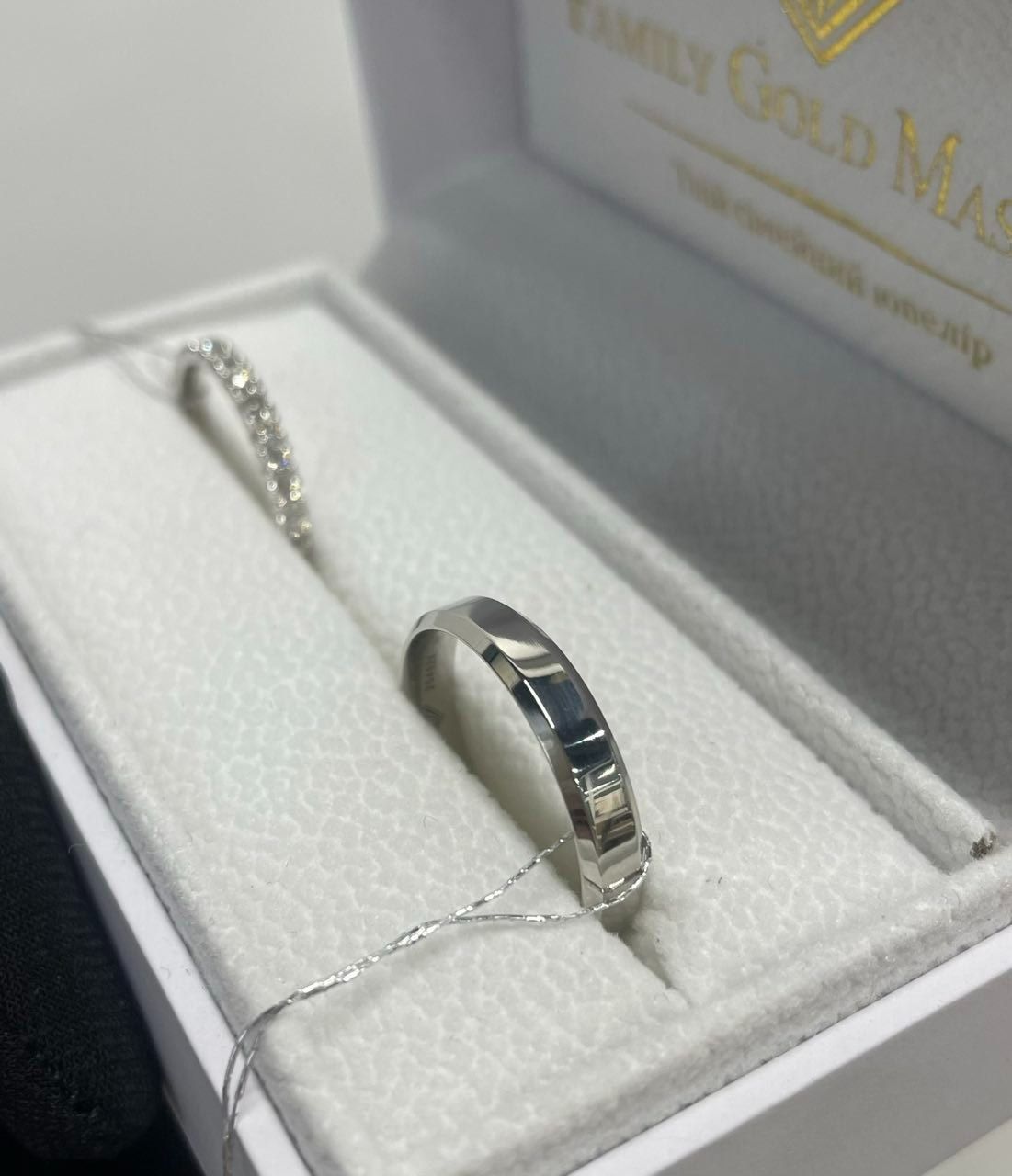
Olena: Later, already after the exchange, we ordered new wedding rings from a jewelry company in Lviv. When the jewelers learned our story, they did not charge us for the work. It was sincere and touching.
- Tell us what was happening in Donetsk
Viktor: The first cell we ended up in was great! The bunks were great, they gave us a loaf of bread, a salad, are you kidding! We even had euphoria! But then there was the so-called "intake." This is a very difficult moment. Both physically and psychologically.
- Did they beat you?
Victor: Yes.
When it comes to violence, Viktor takes pauses. He falls silent. As if deciding whether he will talk about it at all.
Viktor: There was a woman running around with a basin there, supposedly a nurse. She said: "I am going to cut off their balls now, bring this one first, then this one...". I have a bad heart, I felt sick, I asked for Validol. But no such luck. They gave nothing. Ira, I do not want to talk about this.
- Tell us about the conditions there.
Viktor: The cell was about 4 by 6 meters. There were 25 of us. From 6 in the morning until 10 in the evening, you could only stand. The toilet was in the cell, but there was no sewage system. There was no toilet paper. Instead of bed linen - pieces of cardboard. The heat was unbearable, there was nothing to breathe. There was no water. Instead of water, they gave us pickled cucumbers. The task was simply to endure. Do you know what saved me? I decided: today I will recall everything I remember from when I was 5-6 years old... The next day I recalled my next period. I ran everything through my head, thought about where I was right, where I was wrong... Then our life with Olena. But this was very painful for me, because remembering good things is difficult. Then I started running through the lives of my parents. And I also decided that this was a game for me. And that they had simply sent me performers who were supposed to torture me, and I had to endure. And win.
- What was the scariest thing in Donetsk?
Viktor: The most terrifying thing, probably, was not knowing when it would end. It was terrifying to lose faith in the scheme that I had invented for myself: that this is just a game and I have to win.
- What were you beaten for?
Viktor: Just for nothing. As soon as the cells were opened, they immediately started beating us. Probably so that we would be obedient. They immediately put us on the floor, beat us, trampled on us.
Olena: They also demanded that you sign something.
Viktor: Yes, even during the "intake." They beat us there, tortured us with a stun gun. They asked if there were any injuries. I showed them where they were. And he specifically started hitting those spots with the stun gun. They interrogated me like this for about ten hours. But I immediately stated my position - that I would not say anything. I must have watched too many movies; I decided that weaklings are crushed immediately...
- Was anyone beaten to death like this?
Viktor: They were. But I will not tell any further. Turn off the voice recorder.
I stopped the recording. We resumed the conversation about 10 minutes later.
Viktor: I will continue about this interrogation. They were preparing my case for the prosecutor's office of the so-called DPR. They accused all of us in a standard way - a terrorist, was in a terrorist organization. They forced me to sign this. But they had broken my glasses. And I tell them: "I cannot see, I will not sign anything." I dug my heels in and did not sign. I am thinking, how am I going to take this upon myself! And then they will write that I killed some grandma or something else.
- What happened after that interrogation?
Viktor: The Donetsk pre-trial detention center and the "intake" there. These were the hardest moments. And then it was all the same: they came and beat us, did not feed us, took us for interrogations. Such routine. And this is how we ate. They gave a three-liter plastic container for 25 people. They did not provide spoons. And at first, we tried to make something like spoons out of plastic. But they broke immediately. Therefore, we agreed to take turns passing it around and taking a sip.
- And what exactly did they give you?
Viktor: Something like soup, there was porridge, tea. There were four of us officers in the cell. And there was respect for us, so we maintained order there. Our fighter Tsar, he was from Mariupol, a Master of Sports in boxing, experienced. He says immediately: "Let's choose leader." I refused (he laughs). Well, we held up normally in general.
- And how did you find out about the exchange?
Viktor: I felt it. Because the night before, they pulled us four officers out of the cell into the corridor. And there were two from the headquarters there. They checked if we had any bruises. And I understood that they were going to exchange us. And the exchange itself had to be survived, endured.
- Why?
Viktor: When they loaded us into a KAMAZ truck, that was a real ordeal. They taped over our eyes, tied our hands tightly, and we clung to one another, they transported us like a flock of bound sheep. It was already cold, and we were lying on the metal floor. They took us from Donetsk to what I believe was Taganrog. We could neither go to the toilet nor have a drink of water. In Taganrog, they transferred us to a plane. Well, "transferred" us... The KAMAZ was high off the ground, so we had to jump down from it before boarding the plane. But we did not know that. We were blindfolded. A katsap told me, "Jump!" And honestly, it was frightening. He was a big, burly man, and he shoved me. I jumped and injured my arm; surgeons later had to piece it back together at the hospital. The hardest part was being unable to go to the toilet. It lasted almost an entire day. Imagine that. I held it in, and later developed urological problems.
Olena: You flew by plane to Moscow.
Viktor: Yes, they took the commanders there: Redis, Apis, Kalyna, Volyna, Shleha. And I was in just a T-shirt, sweatpants, and two right flip-flops on my feet. We flew to Gomel. The Belarusian guards, of course, were completely different: cowardly and allowed everything. Then we crossed the border. I reached the bus, immediately sat down to eat. I caught the driver, took his phone, and called Olena. But I could hardly hear her.
Olena: And I was in a train at that time going to a rally in support of the prisoners of war - from Zaporizhzhia to Kyiv. After he was transferred from Olenivka, I knew nothing about him. And then this call from an unknown number. And I hear: "Lena, Lena! I'm back, I was exchanged...". (When Olena recalls this moment, she smiles and tears glisten in her eyes at the same time - author) And he is barely audible! I say: "What?! Vitya! Where are you?". He managed to say something else, and the connection was lost. And I started crying so hard! The conductor came, everyone in the compartment is asking what happened, and I tell them: "My husband was exchanged!". What a joy!
- Viktor, and what were your feelings at that moment?
Viktor: I realized that my scheme had worked. I was out of the game.
Olena: The driver whose phone Vitya called from later called me too. He said that he was, of course, thin, but holding on.
- And how much did you weigh?
Victor: 47 kg
- How much do you weigh now?
Victor: 68 kg.
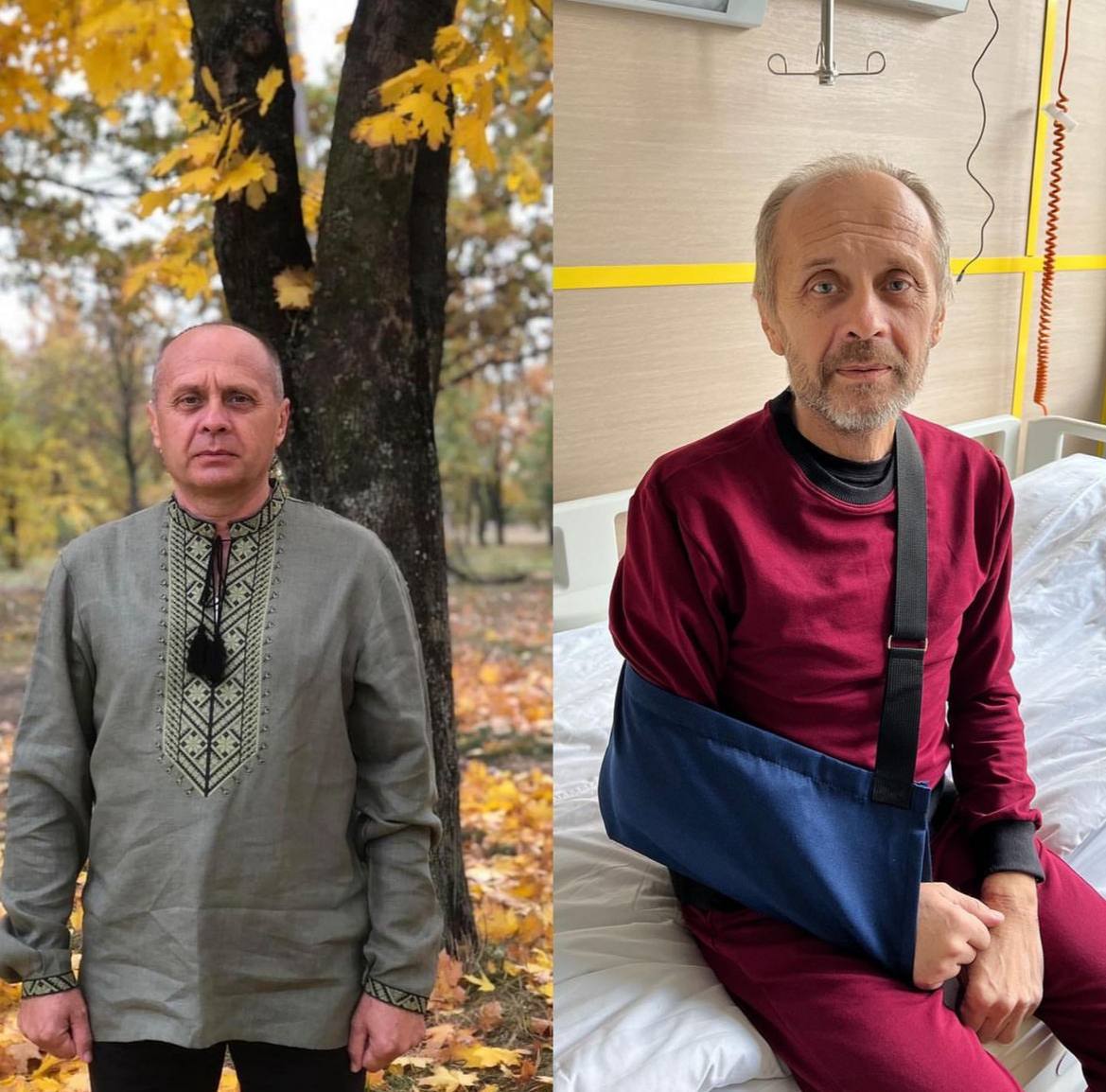
Olena: He was so thin, with a broken arm, marks from shackles on his hands, and also bitten by bedbugs. It was terrible.
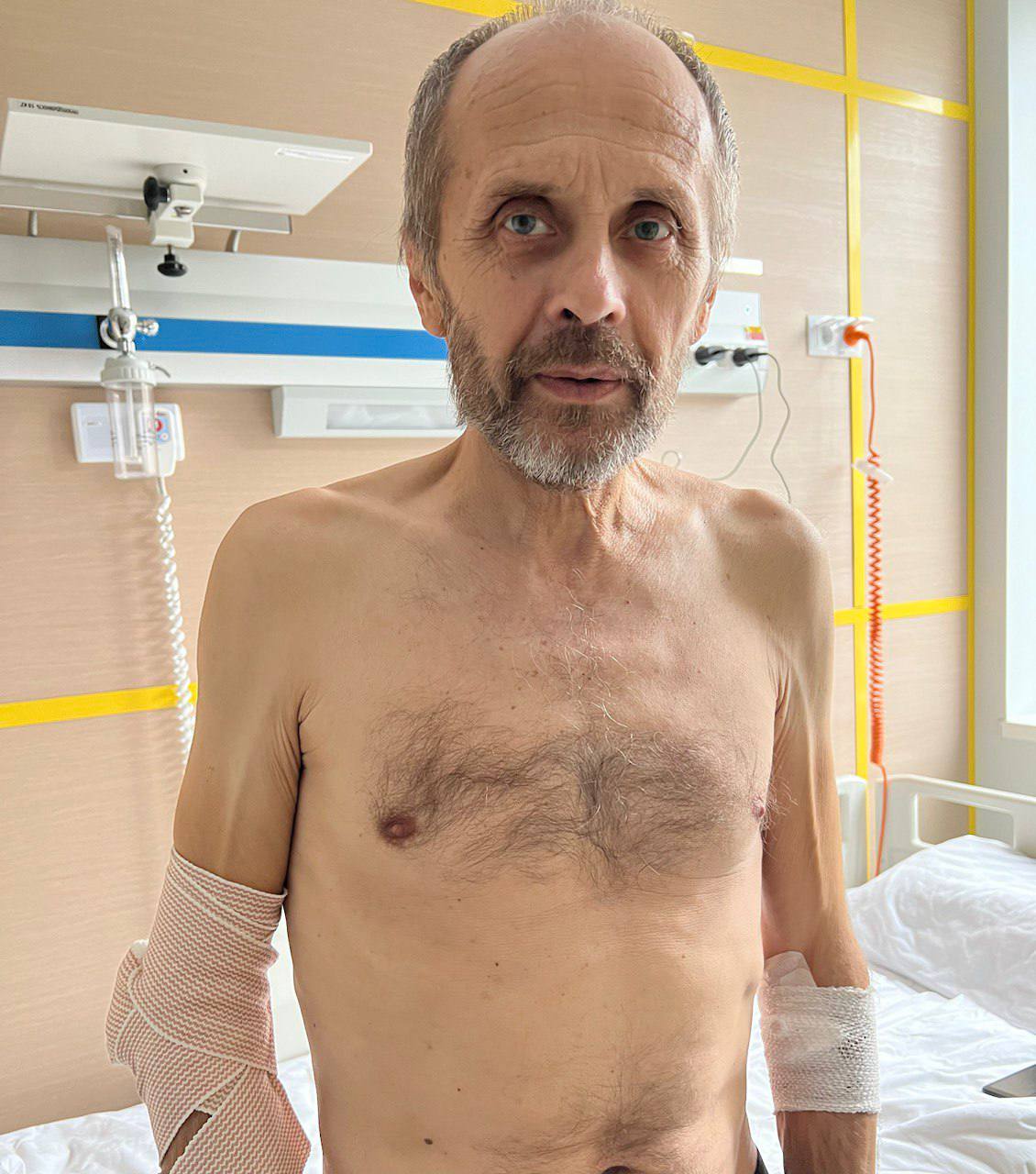

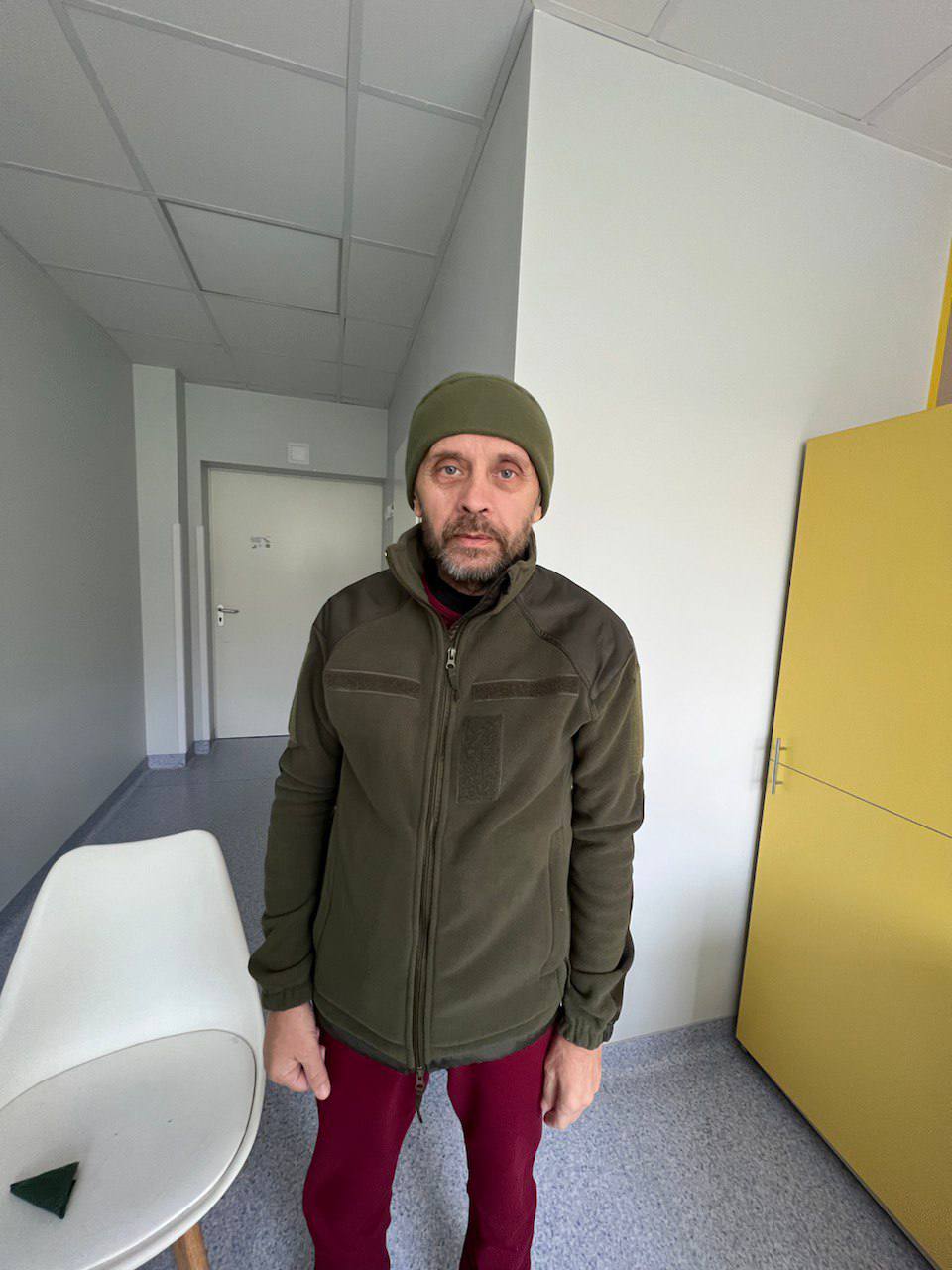
Photo from the family archive
Olena: He later told me: "I was shocked that we were met as heroes. We thought that no one needed us, that everyone had forgotten about us."
- Vitia, why the tears now?
Viktor: Well... (struggles with emotions)
Olena: He said then: "Lena, what wonderful people Ukrainians are! We are driving through the Chernihiv region, people are standing by the road with flags, welcoming us, giving us pies, whoever can give what they have!"
Viktor: And then, already in Kyiv, I saw banners: "If Mariupol stands, Ukraine will stand," "Azov are heroes."
- Did you feel like a hero then?
Viktor: I started to understand something.
- How did you recover? Did you seek psychological help?
Viktor: Well, I will put it this way... All my life, God was preparing me for these trials - at Azovstal and in captivity. After all, I was the head of a condominium association, an opposition deputy, and ran for mayor. And you understand how the authorities treated me, all these tax officers, firefighters, police, prosecutors...
Olena: Moreover, Vitya used to arrange fasting days for himself, sometimes starving. He gave up meat then, had not eaten it for almost 3 years; all of this helped a lot!
Viktor: I did turn to psychologists, but I mostly just listened. For me, my wife and family were more important. I could barely speak. There is this children's game, Scrabble - you add letters and make a new word. Previously, I would have beaten anyone! But that month - I could not put a single word together. And there was also partial memory loss, as I had severe concussions... Then I gradually recovered.
- And why did you go back to serve? You could have...
Viktor: Two reasons. The first: when I first arrived, I said I would be there until the end. That I must liberate the occupied lands. And the second reason: my brothers-in-arms in captivity. They cannot be left there. I am convinced that the main task of the President is to get everyone out of captivity.
- What is the title of your position now?
Viktor: Head of the road safety service of the brigade. I chose a position where I can dedicate myself to the maximum and do something.
After the interview, Olena recorded voice messages for me:
"You asked him about psychologists. He was putting on a brave face. In reality, he did turn to psychologists, although not in the first months. Because in the first months, he experienced euphoria from the fact that he was already home, that his closest friends were about to be released from captivity. But months passed, his friends did not return, and he was overwhelmed by such a wave of guilt... Because he is free, and they are not. He turned to a psychologist from the "Heart of Azovstal" center. The psychologists helped a lot. And he was also treated with medication.
He has delayed life syndrome. Previously, he would go to the market, choose the most beautiful pepper, the biggest tomatoes. But after captivity, all of this disappeared. He did not want anything, he could not choose anything. We would go to a cafe, and he could not choose what he wanted to eat. I think this is after captivity, because there you ate what you were given. And here you are offered a choice and that is it - you are in a stupor. He also says: "What can I choose if my boys are in captivity?!". One of his close friends was exchanged only after three years. And another, the closest one, is still in captivity.
And the fact that they were starved there makes itself felt. He does not leave any food, he eats everything. It is important for him to always have supplies. Because if he wants to eat, and there is nothing at home, he immediately plunges into that state of hunger and fear.
ABOUT VICTORY
- Vitia, do you believe there will be a victory?
Viktor: A victory over the katsaps? Or the victory of Ukraine? Clarify.
- And what do you put into the concept of "victory"?
Viktor: After we finish with the katsaps, there will be the building of a new Ukraine. Taking into account the mistakes that have been made in large numbers. I believe that the people should choose. But choose a party, not petty lords. Because leaderism will not lead to anything good.
I believe that Ukraine will be very good for its citizens. There will be all the conditions for business, education, and social protection here.
- And how do you see the victory over the katsaps?
Viktor: I think that even not through military means. Soon everything will fall apart for them. And they will rise from their concreted knees themselves, crawl out, and say...
- Do you believe that Russians will rebel?!
Viktor: I am starting to believe it. But it will be unconscious. They will simply realize that they lived normally, traveled everywhere, were great, but now everything is bad for them. I believe in their rebellion on their knees.
Iryna Romaliiska, Censor.NET


