ENG




11621 visitors online
The Azovstal steel plant in Mariupol, Ukraine, has been a significant focus in the Ukraine-Russia conflict, witnessing numerous pivotal events. Recently, the Unmanned Systems Forces (USF) conducted a notable operation, resulting in the destruction of a Russian "Pantsir-S1" system on Azovstal's ruins. This operation highlights the strategic importance of Azovstal in ongoing military efforts. Meanwhile, issues surrounding the Azovstal defenders continue to make headlines. The recent tragic death of Oleksandr Shemet, who made an essential air breakthrough, and ongoing stories of prisoner exchanges reflect the challenges faced by those connected to Azovstal. With more than 1,900 former Azovstal fighters still reportedly in captivity, international attention remains focused on their plight. The legacy of Azovstal is further symbolized by meetings such as those with spiritual leaders and high-profile visitors, all emphasizing the resilience and heroism demonstrated by the defenders.
What are the latest military developments related to Azovstal?
Recent developments at Azovstal include the successful destruction of a Russian "Pantsir-S1" anti-aircraft missile and gun system by the Unmanned Systems Forces (USF). This action, conducted behind enemy lines in occupied Mariupol, underscores the strategic importance of Azovstal in military operations. The site continues to be a focal point of military activities despite its current state of disrepair and occupation.
Who are the key figures involved in the events at Azovstal?
Key figures involved include Oleksandr Shemet, a Hero of Ukraine and Mi-24 helicopter commander, who was killed during a mission. Lieutenant General Vladimir Alekseyev, involved in earlier negotiations at Azovstal, was recently shot in Moscow. Additionally, leaders from the Azovstal defense, such as Denys Prokopenko, play significant roles in ongoing liberation efforts and prisoner exchanges.
What recent events have impacted the defenders of Azovstal?
Several recent events have significantly impacted the defenders of Azovstal. Tragic losses, such as the death of Oleksandr Savov, highlight ongoing challenges. Furthermore, successful surgeries for those like Oleksandr Savov, a marine with past captivity experience, exemplify the ongoing struggles and triumphs. Prisoner exchanges continue to make headlines, reflecting the complex dynamics surrounding Azovstal's defenders.
How are international figures engaging with the situation at Azovstal?
International figures such as Pastor Burns, spiritual adviser to former US President Donald Trump, have met with Azovstal defenders during his visit to Ukraine. These engagements emphasize the global significance and support for those involved in the Azovstal defense, highlighting the continued international interest in Ukraine's conflict and the defenders' struggles.
What symbolisms and installations have been created related to Azovstal?
Symbolic events and installations related to Azovstal have been established, exemplifying the persistent resilience and spirit of its defenders. An installation in Kyiv now symbolizes the endurance and faith of Ukrainian prisoners of war from Azovstal. These efforts highlight the significance of Azovstal in Ukrainian memory and its symbolic role in the broader conflict narrative.
What are the current conditions at the Azovstal plant site?
The Azovstal plant site remains in a state of disrepair and destruction. Recent video footage shows the extent of damage inflicted during the conflict. However, it also continues to be part of various strategic military and symbolic efforts, making it a location of ongoing significance in Mariupol's and Ukraine's overall defense landscape.
Are any humanitarian efforts focused on Azovstal's defenders?
Humanitarian efforts continue to be focused on the defenders of Azovstal, with ongoing prisoner exchanges and medical treatments for those affected by the conflict. Additionally, international advocacy and attention highlight the plight of those still in captivity, shedding light on the humanitarian needs emerging from this challenging situation.
What significant historical events are associated with Azovstal?
Historically, Azovstal has been tied to pivotal events such as the defense of Mariupol and significant exchanges involving Azovstal defenders. The plant has become emblematic of Ukrainian resistance, drawing international attention and support. Events like the large-scale evacuation and subsequent military operations underline its enduring strategic importance.
News Azovstal
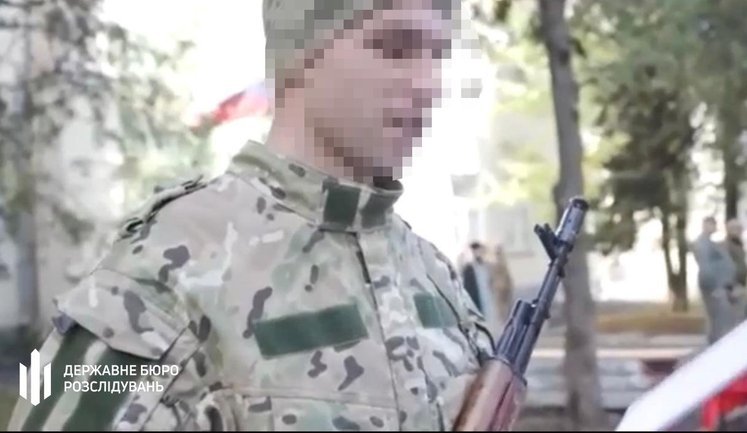
 Fled from ’Azovstal’, defected to Russian Federation and led mortar crew: State Bureau of Investigation has concluded case against former border guard. PHOTO Staff at the State Bureau of Investigation (SBI) have concluded a special pre-trial investigation into a former border guard inspector. In 2022, he abandoned his post in Mariupol, surrendered to the Russian occupiers, and subsequently joined an armed group formed by them. 7 348 4 Previously in trend: High treason
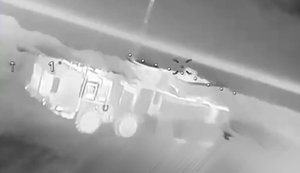
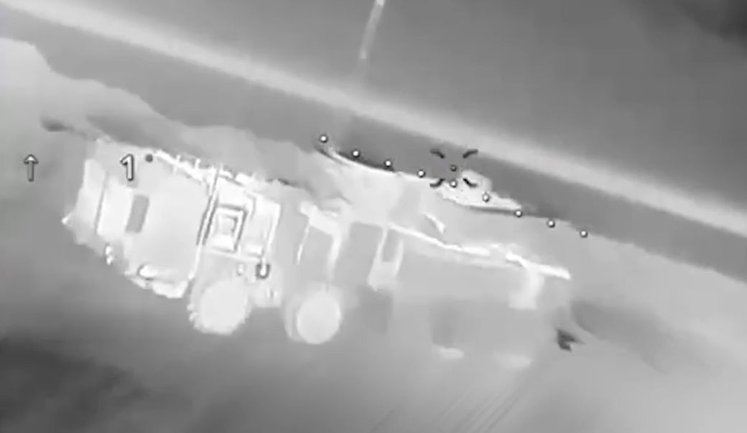
 USF fighters destroyed Russian "Pantsir-S1" anti-aircraft missile and gun system on ruins of "Azovstal" in occupied Mariupol. VIDEO A symbolic and effective operation deep behind enemy lines. According to Censor.NET, on 27 February, units of the Unmanned Systems Forces (USF) successfully destroyed the expensive Russian anti-aircraft missile and gun system "Pantsir-S1". 4 606 11
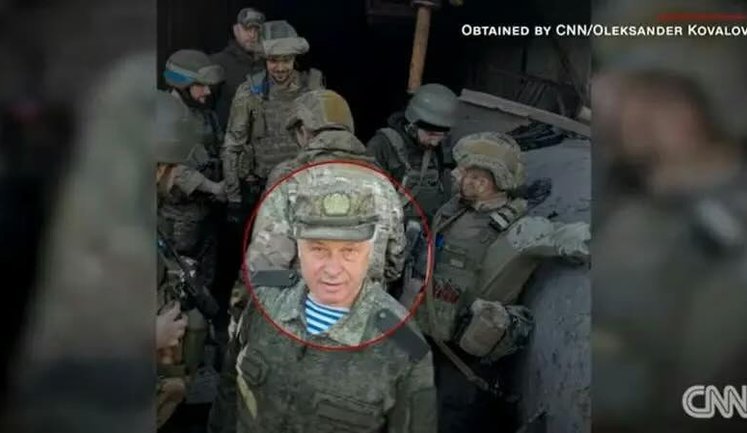
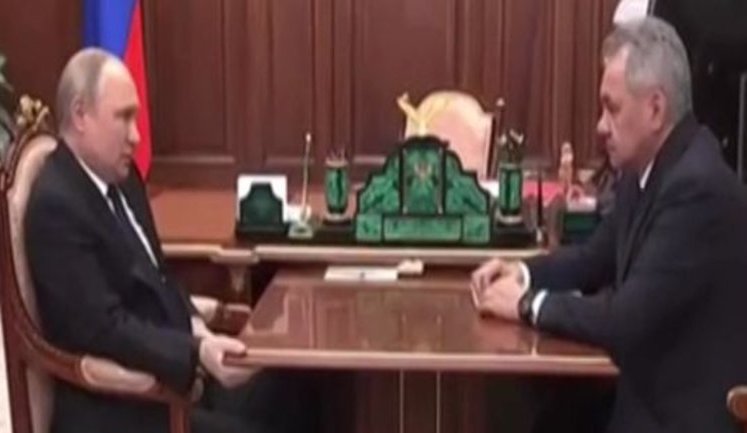
 Deputy Chief of GRU Alekseyev, who was shot in Moscow in the morning, was involved in negotiations on withdrawal from Azovstal, - Prokopenko. PHOTO Lieutenant General Vladimir Alekseyev, first deputy chief of the GRU of the General Staff of the Russian Federation, who was shot in Moscow this morning, was the senior representative of the Russian side at the negotiations in Mariupol in May 2022 during the withdrawal of the garrison from the... 11 021 16 Previously in trend: liquidation of Russian military command
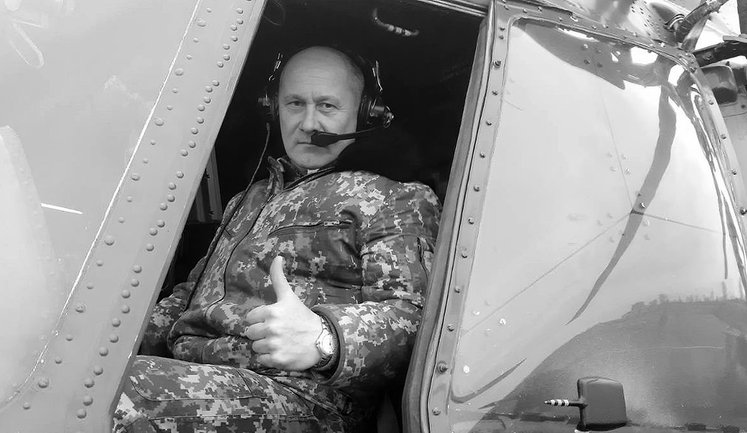
 Mi-24 helicopter crash: Hero of Ukraine Oleksandr Shemet, who made last air breakthrough to Azovstal, killed. PHOTO The commander of the Mi-24 helicopter crew, which crashed while performing a combat mission on 17 December, was Oleksandr Shemet, a native of Chernihiv region and Hero of Ukraine. It was he who made the last air breakthrough to "Azovstal" in April 2022. 17 338 48 Previously in trend: losses of Ukraine AFU aviation
 Azovstal marine Oleksandr Savov, who returned from Russian captivity eight months ago, has died. PHOTO Ukrainian marine Oleksandr Savov has died; this spring he returned from Russian captivity after almost three years in detention. 8 030 13 Previously in trend: losses of Ukraine
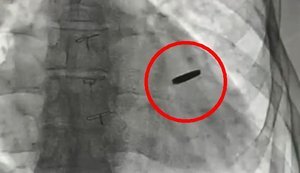
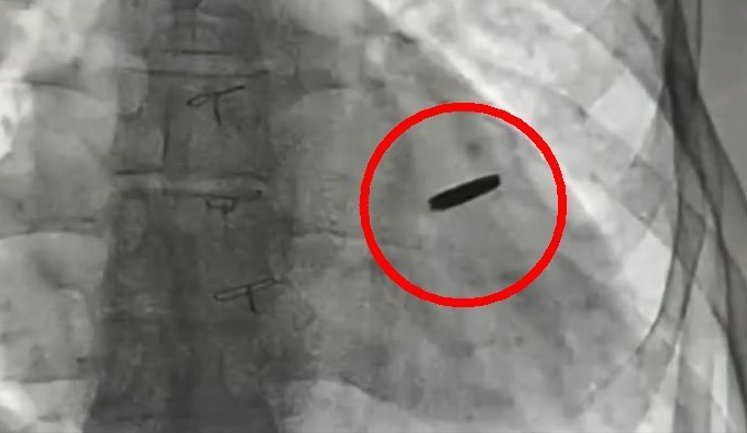
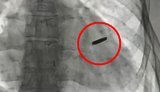 In Kyiv, an Azovstal defender who spent year in captivity with bullet in his heart underwent successful surgery. VIDEO A defender of Azovstal, who spent a year in captivity with a bullet in his heart, has undergone a successful operation in Kyiv. 4 934 16
 We didn’t want to surrender from Azovstal, we only planned to evacuate wounded and dead, - "Azov" deputy commander Palamar The deputy commander of the "Azov" regiment, Sviatoslav Palamar, said that the Russians had given an ultimatum to the soldiers when they were leaving "Azovstal". 8 971 32 Previously in trend: Azov Brigade Mariupol defense
 Hospital at Azovstal during defence of Mariupol. PHOTOS On 20 May 2022, Ukrainian troops finally left the territory of Azovstal, which remained the last line of defence for Ukrainian troops in the destroyed city of Mariupol. We are showing the realities of this defence from the very epicentre of it with the help of photos taken inside Azovstal by... 7 374 31 Previously in trend: Mariupol defense
 Trump’s spiritual adviser, Pastor Burns, meets with Azovstal defenders. PHOTOS During his visit to Ukraine, Pastor Mark Burns, spiritual adviser to US President Donald Trump, met with soldiers who defended Azovstal. 7 977 29 Previously in trend: Burns’ visit to Ukraine
 Ukraine returns 189 defenders from Russian captivity. PHOTOS On New Year's Eve, 30 December, Ukraine returned 189 Ukrainian soldiers from Russian captivity. 11 984 12 Previously in trend: Prisoner swap
 Residents of Zdolbuniv meet their fellow countryman and "Azovstal" defender Artur Niverchuk, who spent 884 days in captivity. VIDEO Residents of Zdolbuniv, Rivne Oblast, greeted their fellow countryman and "Azovstal" defender Artur Niverchuk, who returned from Russian captivity, with honours. 11 086 13 Previously in trend: War
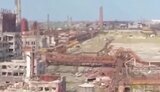 Russian films destroyed and robbed "Azovstal": "Footage for horror or apocalypse movie". VIDEO A video was posted online showing the occupier filming the destroyed and robbed Azovstal steel plant in Mariupol. 11 639 28 Previously in trend: War
 Large-scale fire broke out near "Azovstal" in occupied Mariupol. PHOTO On 29 September, a massive fire broke out near "Azovstal" in temporarily occupied Mariupol. 4 538 0
 13 Azovstal defenders returned from Russian captivity - Coordination Headquarters As a result of the 54th prisoner exchange, 88 privates and sergeants and 7 officers were released from Russian captivity. 4 695 8 Previously in trend: Prisoner swap
 More than 1,900 soldiers from "Azovstal" are still in Russian captivity Today, May 20, is the second anniversary of Mariupol defenders leaving Azovstal. However, more than 1,900 of them are still in Russian captivity. 3 536 30 Previously in trend: War
 Ukrainian delegation at Eurovision 2024 was fined for T-shirts with inscription "Free Azovstal Defenders". PHOTO Representatives of the Ukrainian delegation to the Eurovision Song Contest 2024 received a financial fine for wearing T-shirts with the inscription "Free Azovstal Defenders", which called for the release of Azovstal defenders from Russian captivity. 10 987 63
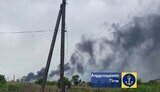 Fire broke out at Azovstal in Mariupol, occupiers tried to neutralise HE bomb - Andriushchenko. PHOTO On Tuesday evening, 14 May, a fire broke out at the Azovstal plant in temporarily occupied Mariupol. Part of the city was left without electricity. 3 679 1 Previously in trend: War
 Azovstal’s youngest defender, Nazarii Hryntsevych (Hrinka), was killed defending Ukraine. PHOTO In a battle with the Russian invaders, 21-year-old Azovstal defender Nazarii Hryntsevich, call sign "Hrinka" (Toast) was killed. In September 2022, he was returned from Russian captivity. 20 328 28 Previously in trend: War
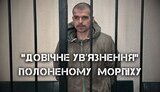 "Sania held on for a long time". Capture, torture and life imprisonment of marine Oleksandr Svynarchuk. VIDEO For two years, Oleksandr Svynarchuk, a company commander of the 36th Separate Marine Brigade named after Bilinsky, has been held in Russian captivity. In April 2022, some marines managed to break through to Azovstal from the territory of the Ilyich plant in Mariupol, while others were captured by the Russians. 17 640 12 Previously in trend: War
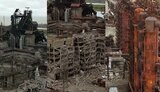 Ruins of "Azovstal". VIDEO New footage has been published online showing the destroyed buildings of Azovstal in occupied Mariupol. 8 186 16
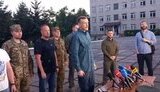 We will continue fight and will definitely say our word in battle, - Azov commander Prokopenko, released from captivity. VIDEO Andriy Prokopenko, released Azov commander who returned to Ukraine after a long internment in Turkey, said he would return to Defence Forces. 19 884 163 Previously in trend: Russian aggression against Ukraine War
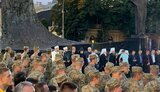 Thousands of people gathered in Lviv to greet Azovstal defense heroes who returned to city with Zelenskyy. VIDEO&PHOTOS On evening of 8 July, Ukrainian officers who had been released from captivity, who had defended Azovstal and were later interned in Turkey, arrived in Lviv. 35 746 166
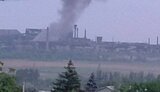 Explosions occurred at Azovstal in occupied Mariupol. VIDEO&PHOTOS. VIDEO&PHOTOS In evening of 26 May, explosions occurred in occupied Mariupol at destroyed Azovstal plant. 8 377 3 Previously in trend: Russian aggression against Ukraine War
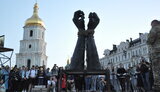 Installation symbolizing resilience and faith of Ukrainian prisoners of war from Azovstal opened in Kyiv. VIDEO&PHOTOS. VIDEO&PHOTOS An installation symbolising resilience and faith about the prisoners of war of Azovstal’s defenders has appeared in Kyiv. 6 095 14 Previously in trend: War
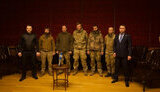 Leaders of "Azov" in Turkey are in closed regime facility, - wife of "Redys" Prokopenko The leadership of the Mariupol garrison of the National Guard of Ukraine "Azov" brigade is in a closed regime facility in Turkey. 12 645 60 Previously in trend: War
 Anniversary of order to withdraw from "Azovstal": march "We are waiting for home of heroes of Mariupol" took place in center of Kyiv. VIDEO&PHOTOS. VIDEO&PHOTOS Today, 20 May, one year after the order to withdraw the Mariupol garrison from Azovstal, a march "Waiting for the heroes of Mariupol to come home" took place in the centre of Kyiv. 8 054 57
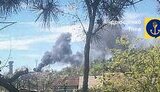 Explosions rang out again in occupied Mariupol. PHOTOS On 5 May, explosions are heard in occupied Mariupol, on the territory of the Azovstal plant. 5 854 4 Previously in trend: Russian aggression against Ukraine
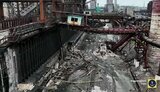 Azovstal’s current appearance was shown online. VIDEO Petro Andriushchenko, an advisor to the mayor of Mariupol, showed what the occupiers have turned Azovstal into. 9 807 34 Previously in trend: War
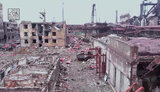 Russian media showed what Azovstal looks like now. VIDEO "Russian World" in all its glory: propaganda media published a video showing how the Azovstal plant looks now. 12 293 35 Previously in trend: War
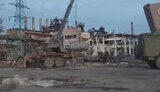 Russians have started clearing for construction of fortifications near Azovstal, - Andriushchenko. VIDEO In the temporarily occupied Mariupol near Azovstal, the Russian invaders began clearing for the construction of fortifications. 3 046 3 Previously in trend: War
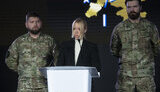 About 2 thousand soldiers from Azovstal remain in captivity, - wife of Azov regiment commander Prokopenko About 2,000 soldiers from Azovstal are still in captivity, including about 700 Azovites. 5 514 24 Previously in trend: War
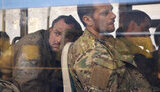 More than 700 Mariupol defenders from Azovstal are still in Russian captivity There is an opinion in the Ukrainian society that the history of Azovstal is over and all Azov fighters have been returned home. 4 030 19 Previously in trend: War
 Another exchange of prisoners: Ukraine returned 60 soldiers, among them defenders of Mariupol and "Azovstal". VIDEO&PHOTOS. VIDEO&PHOTOS Today, December 6, another exchange of prisoners took place. 12 152 19 Previously in trend: War
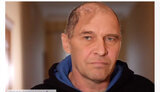 Marine was missing half of his head: volunteer doctor Kubriak, performed open brain surgery on defender of Mariupol, under fire None of the doctors can explain how the bullet, which passed through the entire brain, did not hit the important nerve centers. 15 820 35 Previously in trend: War
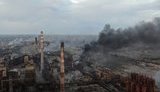 Military bases are being arranged at Mariupol Metallurgical Plant, while Azovstal is being cut for scrap - Andriushchenko In occupied Mariupol, Russians are cutting "Azovstal" plant into scrap, which they plan to melt into metal products at "AzovElectroStal". 4 066 21 Previously in trend: War
 Terrorist attack in Olenivka colony. Sentenced to death Azov’s Frost. Part 2. VIDEO A 24-year-old machine gunner of "Azov" with codename "Frost" survived fierce battles in Mariupol, was sentenced to death by occupants, but survived captivity and returned home on exchange. 10 403 6 Previously in trend: War
 A military medic from Azovstal, who was separated from her child by Russians during an evacuation, was released from captivity Victoria Obidina, a nurse who was separated from her four-year-old daughter Alisa by Russians during evacuation from Azovstal, was released today as part of exchange. 13 139 28
 Relatives of defenders of "Azovstal" took part in meeting of UN Human Rights Council. PHOTOS The delegation of the Association of Families of Defenders of Azovstal and the Azov Regiment in Geneva took part in the meeting of the UN Human Rights Council and organized a rally on the Nation’s Square. 4 747 2
 Author of photos from "Azovstal" Dmytro "Orest" Kozatsky talked about life after liberation from captivity. PHOTOS Dmytro’s photos from "Azovstal" became a symbol of Ukrainian indomitability. Now he himself starred in the first photo shoot after his release from captivity. 13 099 23 Previously in trend: War
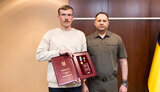 Five defenders of Mariupol, who are now in Turkey, were awarded with orders "Golden Star" and rank of Hero of Ukraine. PHOTO During a visit to Turkey, Head of Presidential Office Andriy Yermak, on behalf of President Volodymyr Zelensky, awarded Orders of "Golden Star" to five servicemen - defenders of Mariupol and Azovstal, who were awarded Hero of Ukraine status. 13 976 125 Previously in trend: War
 Mariupol defenders, who are now in Turkey, met with their families. PHOTOS Freed from captivity Mariupol defenders, who are now in Turkey, met with their families. 15 107 51 Previously in trend: Prisoner swap War
 Marine Dianov on torture in Russian captivity: "They were treated like animals. They beat, used electric shockers and stuck needles under their nails" Russian invaders treat Ukrainian prisoners very cruelly. 8 002 19 Previously in trend: War
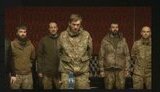 "Azov" commanders will meet with families in Turkey in coming days, - PO The commanders of the defenders of Azovstal, who were released from Russian captivity on September 21, will be able to meet their families in the coming days. However, the meetings will take place on the territory of Turkey. 2 779 11 Previously in trend: War
 Instructor of "Azov". History of evacuation from Azovstal. Preparation of a new brigade. | YURIY BUTUSOV. VIDEO Giorgi Kuparashvili, instructor of the "Azov" regiment, was wounded in Mariupol and operated on at Azovstal. Then the man along with other wounded was evacuated by helicopters. 11 364 20 Previously in trend: War
 Mykhailo Dianov, defender of "Azovstal" released from captivity by occupiers, needs help for treatment. PHOTOS "Azovstal" defender Mykhailo Dianov spent 4 months in captivity of the Russian occupiers and needs help for treatment. 35 133 76 Previously in trend: War
 We returned home 215 defenders, including 3 Heroes of Ukraine, - Zelensky. VIDEO On the night of September 22, the President of Ukraine made a traditional address to Ukrainians. 8 489 26 Previously in trend: Russian aggression against Ukraine Prisoner swap War
Thank you and whole team for what you have done - liberated Ukrainian officers spoke with Zelensky. VIDEO The President of Ukraine Volodymyr Zelensky talked with the liberated Ukrainian soldiers on the night of September 22. 20 984 98 Previously in trend: Russian aggression against Ukraine Prisoner swap War
 215 soldiers, including 108 Azov servicemen, were released from Russian captivity The Executive Director of President’s Office Andriy Yermak publicized information about number of released Ukrainian soldiers. 10 570 68 Previously in trend: Russian aggression against Ukraine War
Page 1 of 5
more news