



Day at children’s hospice during war: place full of hope and life
Russia’s full-scale aggression has forced millions of Ukrainians to flee their homes, including hundreds of thousands of children. It is one thing when children are evacuated from combat zones accompanied by their parents or relatives, and quite another when they are orphans or children who have lost loved ones in shelling and have been left alone. But what if these children also require palliative care?
About a year ago, the country was moved by the story of 10-year-old Platon from Pokrovsk. After the death of his grandmother, the boy independently cared for his two 13-year-old twin brothers, who suffer from a severe genetic disorder, for over a year. Subsequently, all three were evacuated to the "Misto Dobra" shelter in Chernivtsi, which operates the licensed children's palliative care center "Dim Metelykiv".
This medical facility, where severely ill children are saved and cared for, was established in November 2023. It does not receive funding from the state or local budgets. The work of a portion of the medical staff and specialists is covered by grants from international partners, while the remaining needs are provided for by philanthropists, businesses, and concerned individuals.
A Censor.NET journalist visited "Dim Metelykiv" to see firsthand how its palliative and rehabilitation departments operate and to find out how the problems of children born with incurable diseases are addressed during the war.
"There was nowhere to evacuate the children in palliative care. We thought it shouldn't be this way"
The first building of the "Misto Dobra" shelter opened in 2020. At that time, the facility's main mission was to shelter and provide free assistance to mothers with children who had experienced domestic violence or found themselves in difficult life circumstances.
However, the full-scale war brought new challenges: the shelter also became a refuge for several evacuated orphanages. To ensure enough space for everyone, new buildings were constructed.
Marta Levchenko, the founder of "Misto Dobra", shares her memories of that period.

Marta Levchenko, founder of ‘Misto Dobra’
"When the third orphanage arrived, we were told that there were still children left there. But these were palliative children, sick children. And to evacuate them, they needed medical accompaniment. Unfortunately, there was no such medical place to evacuate and save them, so they remained there. And we thought that it couldn't be this way, that there was no place," recalls Marta.
Thus, the children's hospice "Dim Metelykiv" was established on the basis of "Misto Dobra". Currently, more than 40 children receive care here.
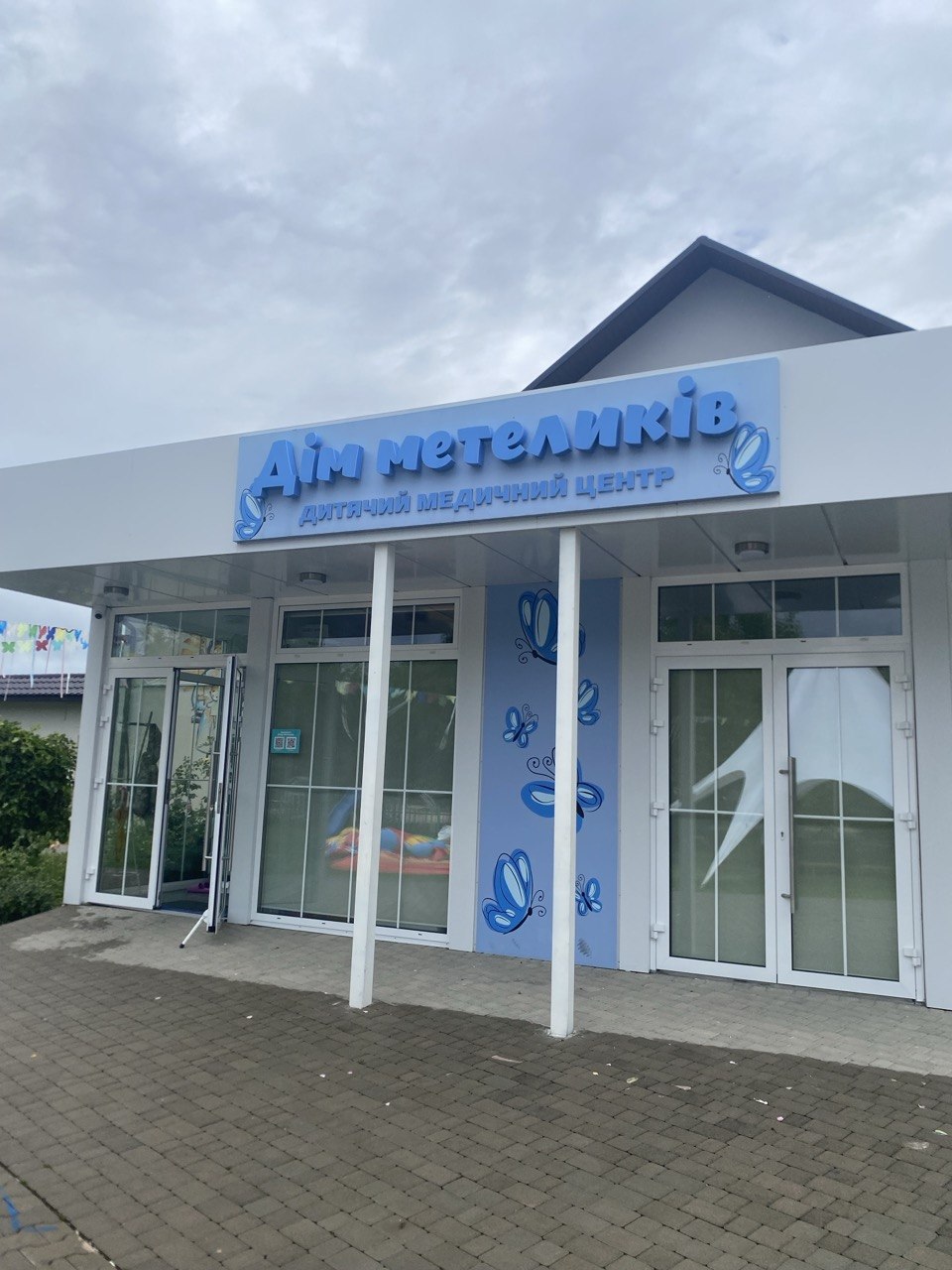
Children's hospice "Dim Metelykiv"
The founder of "Misto Dobra" says that for Ukraine, children's palliative care is an area still in the development stage. That is why the team, while working in accordance with Ukrainian clinical protocols, studied and implemented the best practices from Great Britain and Italy.
We took the most from the British system of children's palliative care, approaches to organizing a multidisciplinary team, standards of care, principles of arranging wards, equipment, and the organization of care for children. We also adopted a lot from our colleagues in Italy, with whom we cooperate closely today," says Marta Levchenko.
According to Marta Levchenko, in Ukrainian society, palliative care is mostly associated with the elderly and cancer patients. There is still no understanding of how children's palliative care differs from adult care; important nuances regarding the care of such children are not always taken into account, and there is a shortage of necessary medical supplies for this purpose.
"For instance, palliative patients require an anti-decubitus mattress, which is designed for a specific weight," explains Marta. "And if you place a child weighing 8 kilograms on an adult mattress, it won't work. We also faced the fact that there is absolutely no adaptive children's clothing for bedridden children. Therefore, our doctors designed it themselves, and our 'Mama Shye' Academy manufactures it independently. But one of the most critical problems is the absence of such a specialty in educational institutions. In Ukraine, there is still no full-fledged university specialization in pediatric palliative medicine. Doctors acquire these competencies through thematic advanced training; completing two weeks of courses is enough to practice in this field. Although, for example, in Britain, it requires an additional 6 years after receiving a diploma, this is the highest level. That is why we organize annual summits involving five countries to convey to our society, our medics, and facility managers that children's palliative care is about life, childhood, development, and fighting for chances, about what exactly these children need and what social, medical, and educational services should be provided to them."
"Because there is a prevailing opinion that a child who cannot be cured is better left in bed, and all they will see is the ceiling above their head. That means no walks, no education, no rehabilitation. People sometimes reason: why provide rehabilitation if they are going to die? But if it is not done, the child's body will 'twist', contractures will develop, this is agonizing pain, bedsores, and the loss of the ability to swallow or breathe."
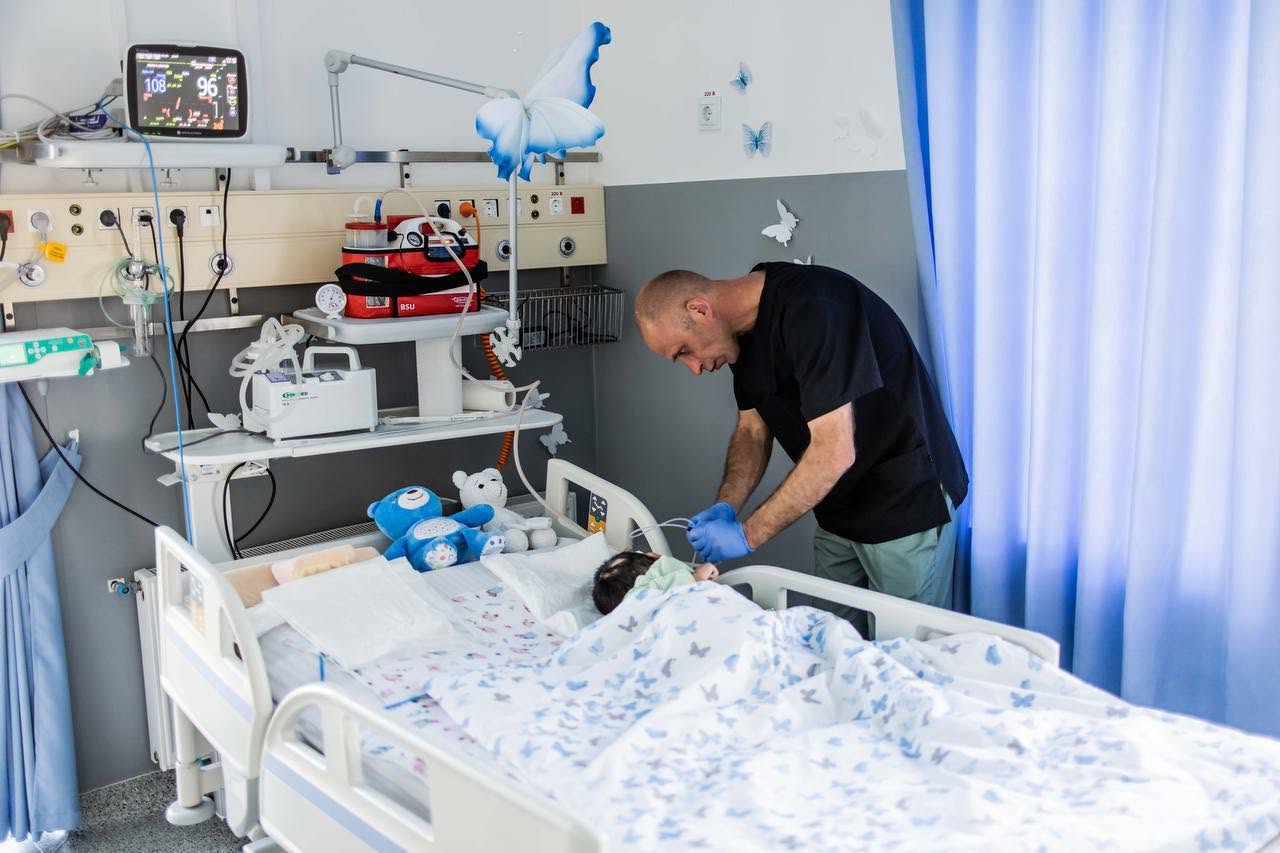
"In the medical center, we combine respiratory support (effectively intensive care), surgery — we do not drag children anywhere if they need a gastrostomy or tracheostomy installed; we do it all on-site — dentistry, and rehabilitation. For example, if a child, due to an illness, could not breathe from birth and requires respiratory support, we can achieve a state where they start breathing and swallowing on their own."
Sustaining the life of a child born with an incurable diagnosis requires significant funds. Such a child goes home from the hospital with their parents, and they independently purchase all the necessary equipment: a ventilator, an oxygen concentrator, an anti-decubitus mattress, feeding tubes, etc. It is very good if the region where they live has a mobile palliative care service, whose specialists can visit the family from time to time to help. But it often happens that parents are frightened by such a future and abandon the children directly in the maternity ward.
"We often take such abandoned children from hospitals," my interlocutor continues. "For instance, a child we brought from the Sumy region was abandoned because they decided they could not handle it. It is difficult, especially in a frontline region."
The medical center has its own evacuation teams that evacuate children from frontline territories to "Dim Metelykiv". The evacuation team includes an anesthesiologist, a nurse, and a driver.
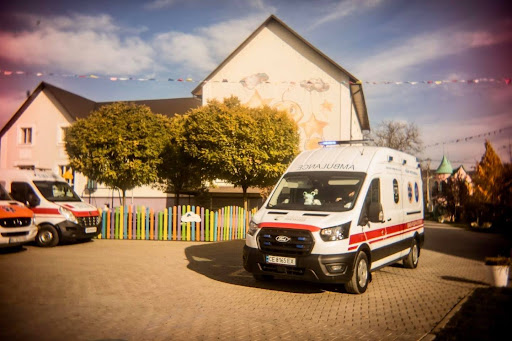
The evacuation process takes place in coordination with social services and local communities.
"It is one path if a child has a family, a mother, parents, and another when a child is left alone. Then the community appeals to us, stating they have a palliative child in need of medical palliative care. It is difficult to find a family for this child because they primarily require medical services. They reach out to us, asking if there is an option, if we are able to help. If we see that we can, that there is an opportunity to admit the child, then the decision is made by the Children's Affairs Service, by an executive committee order; the document is prepared, and when everything is ready, we go," explains the founder of the shelter.
"A child should not be a patient, but remain a child"
The majority of the center's wards are orphans and children deprived of parental care.

Children's hospice "Dim Metelykiv"
The facility employs a multidisciplinary team, which includes anesthesiologists, pediatricians, physical and rehabilitation medicine physicians, physical therapists, occupational therapists, speech therapists, nurses, pediatric neurologists, orthopedic traumatologists, psychologists, social workers, and senior caregivers.
I begin my acquaintance with "Dim Metelykiv" in the rehabilitation department.
"The children are under the round-the-clock observation of doctors, nurses, and nannies," says Denys Koliubakin, the medical director of "Dim Metelykiv". "Each child has their own individual rehabilitation program."
Denys Koliubakin, medical director of the "Dim Metelykiv" hospice
He demonstrates the rehabilitation hall, the leisure room, and the children's bedrooms.
We make a separate stop at the physical rehabilitation hall.
"This system of devices is designed to put a child on their feet. The task of a physical therapist is to improve reflexes, enhance muscle tone, and teach a child to do what they have never done before. To take their first step," says Denys Koliubakin.

A session with a rehabilitation specialist.
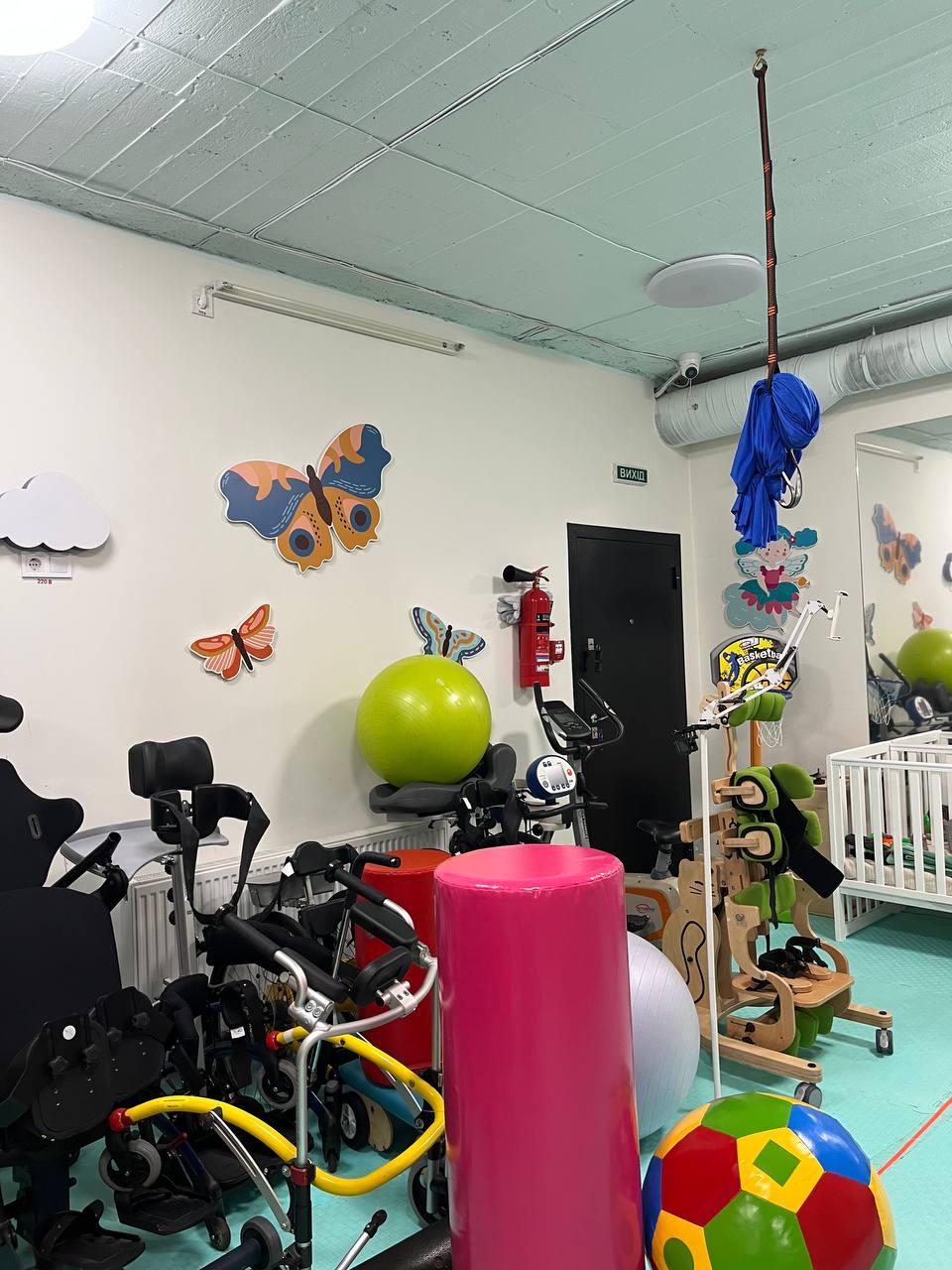

There is also a sensory room for developing motor skills and stimulating the senses. Psychologists, speech therapists, and occupational therapists work with the children in this room.

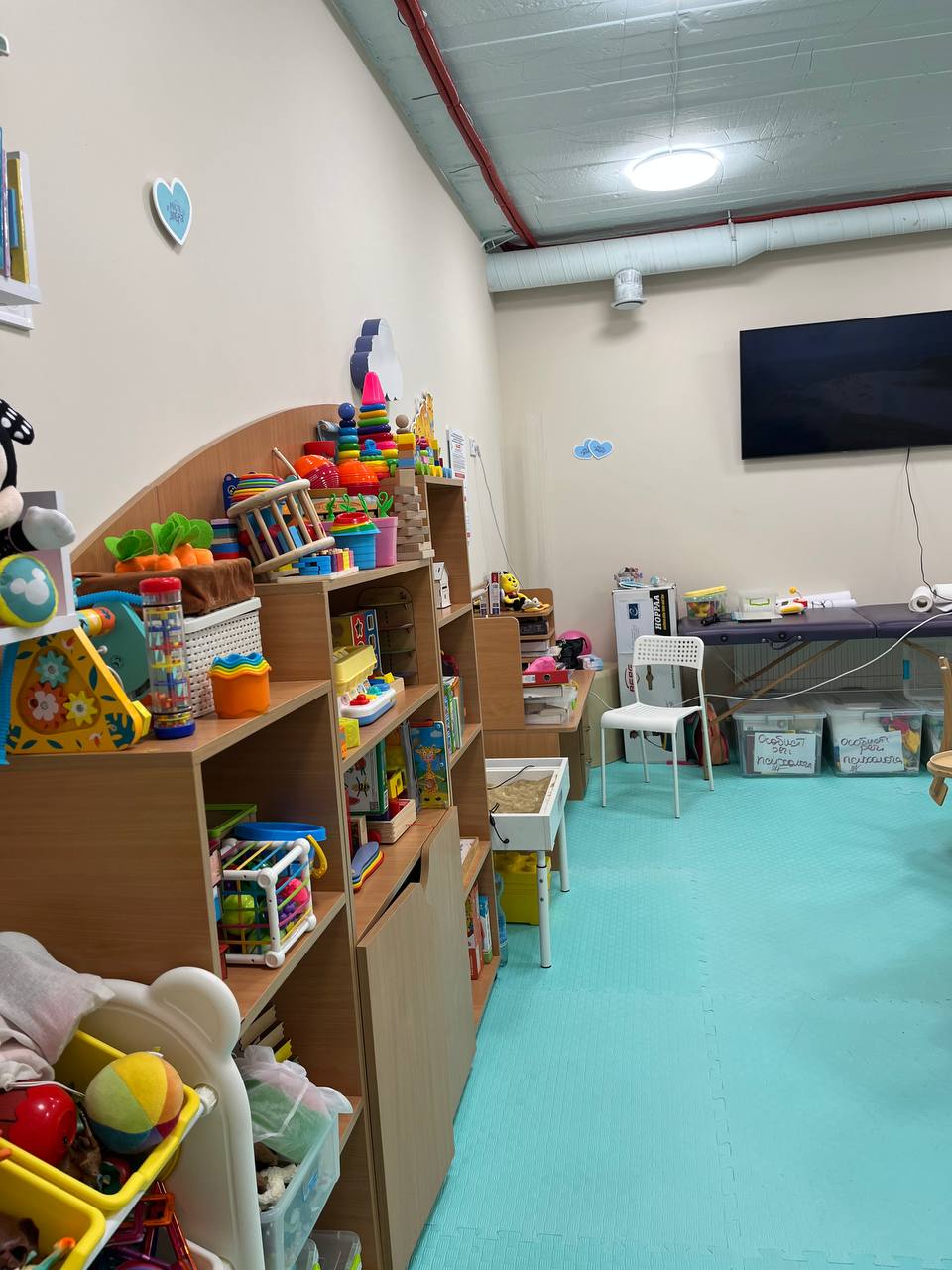
Sensory room
According to Denys, the facility has children who do not yet speak and do not even make sounds.
"They cannot use their emotions. Our task is to teach them to communicate using either conventional or alternative communication," the doctor says.
For this purpose, the specialists at "Dim Metelykiv" use special devices and methodologies.
Denys compares the children's rehabilitation process to the blooming of a rosebud. Thanks to systematic, persistent, and individually tailored exercises and techniques, results become visible over a certain period: someone utters their first words, someone takes their first step, and someone can use a fork or spoon without outside help.
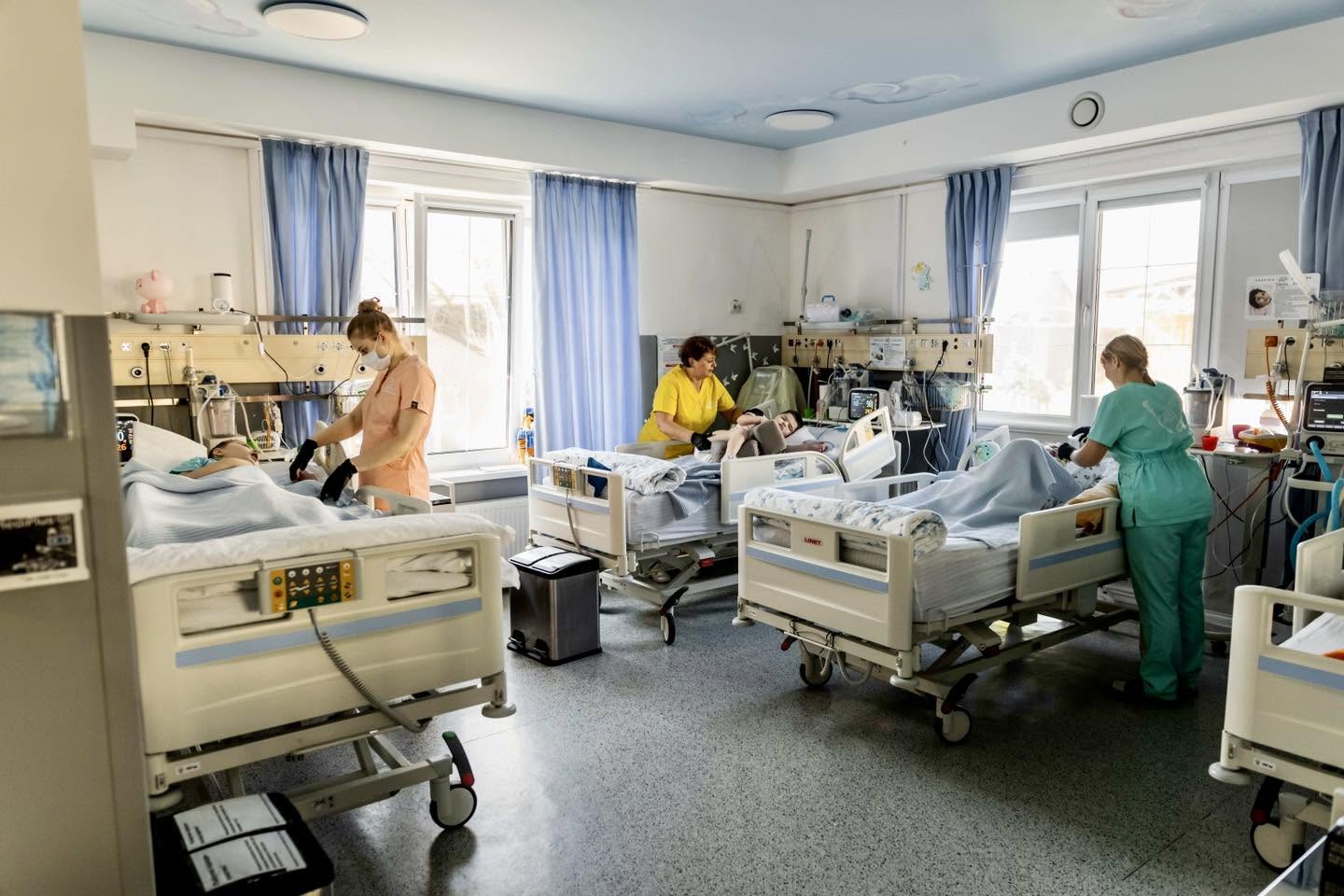
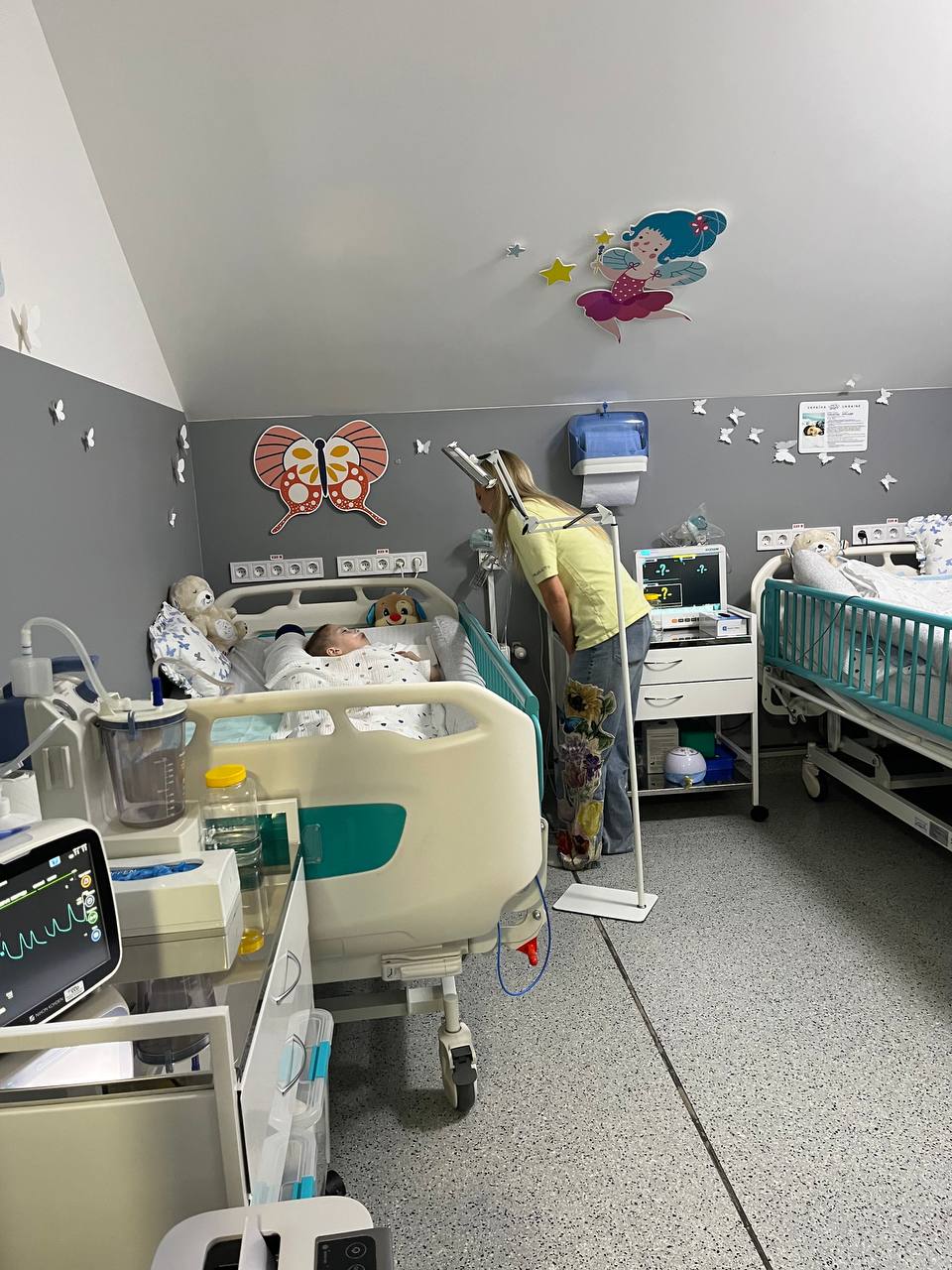
After visiting the rehabilitation department, we move to the palliative one, where children in the most severe conditions are placed. Specifically, those who require constant respiratory support.
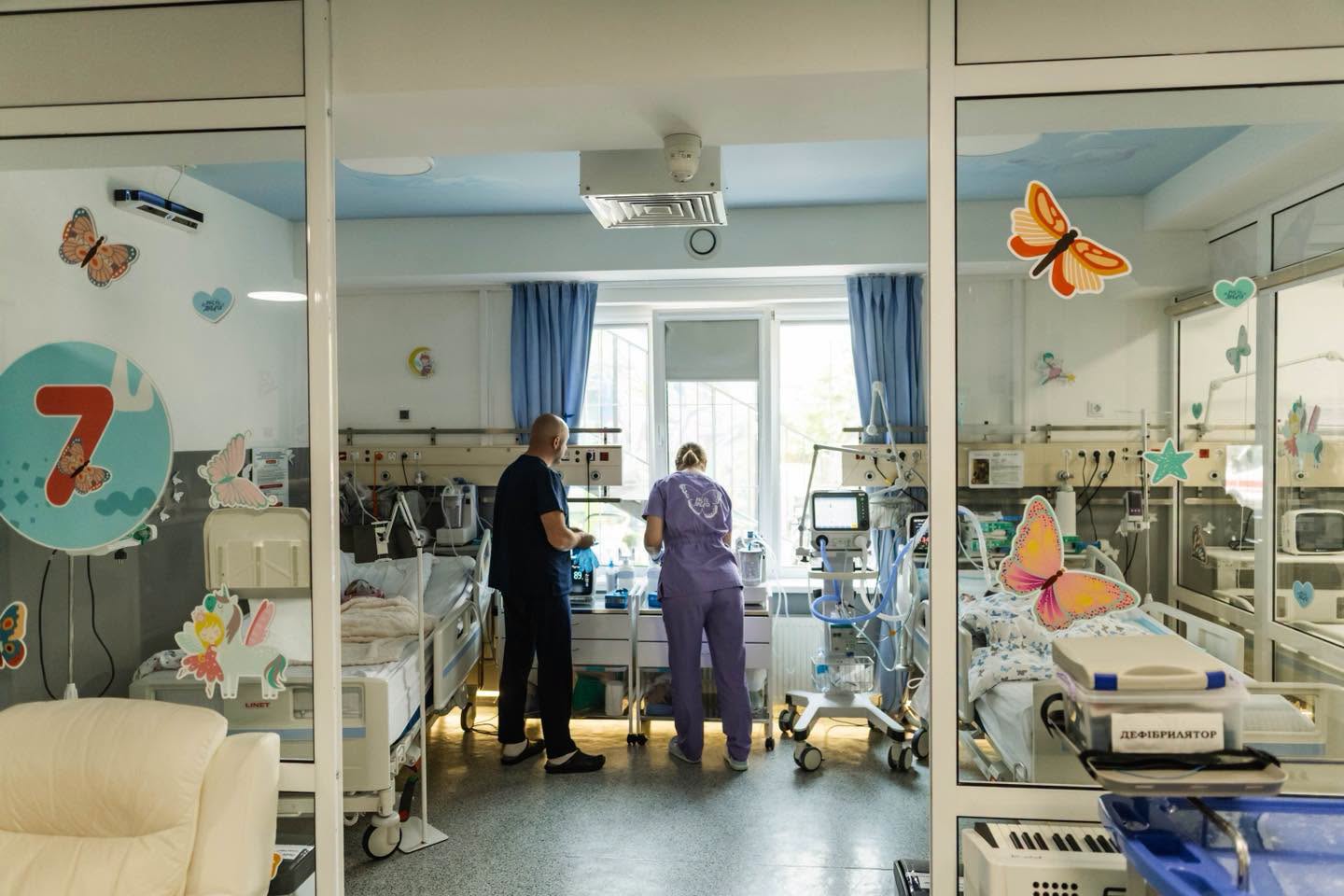
Currently, the palliative department at "Dim Metelykiv" is filled to 120% capacity.
According to Denys Koliubakin, they are capable of providing a full cycle of care here – from examination and diagnostics to direct treatment.
"We do not need to transfer the children anywhere, except for some highly specialized treatment. That is, everything is possible here. Without having to go anywhere," the doctor says.
Head of the palliative department Nataliia Popadiuk notes that their facility admits patients in conditions that would typically require them to be placed in intensive care units at other medical institutions.
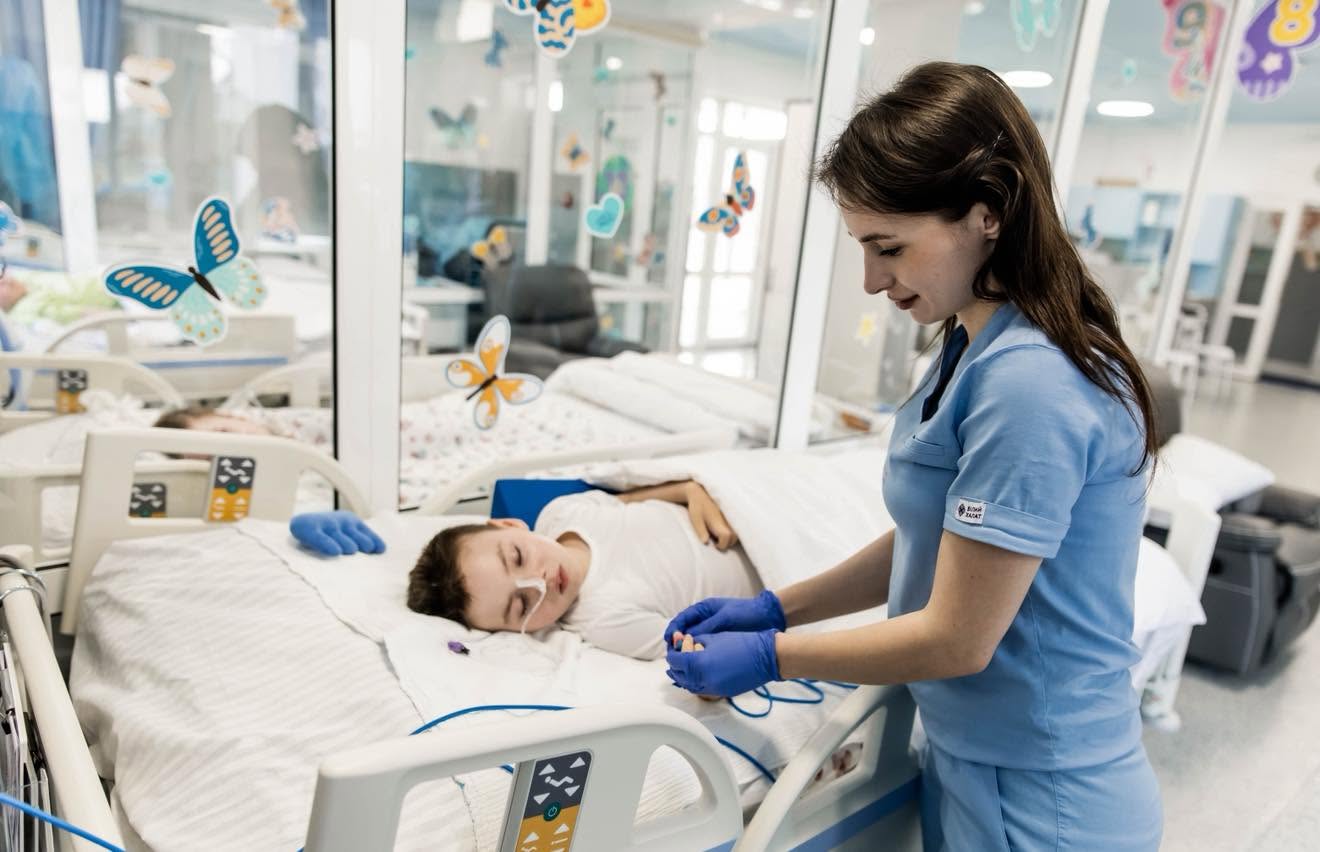
Nataliia Popadiuk, head of the palliative department at "Misto Dobra"
Every child here has their own story. For instance, 3-year-old Ivan from Kyiv was one of the first to arrive at "Dim Metelykiv". He has complex congenital hydrocephalus, which is progressing. He is completely dependent on a mechanical ventilator, says Popadiuk.
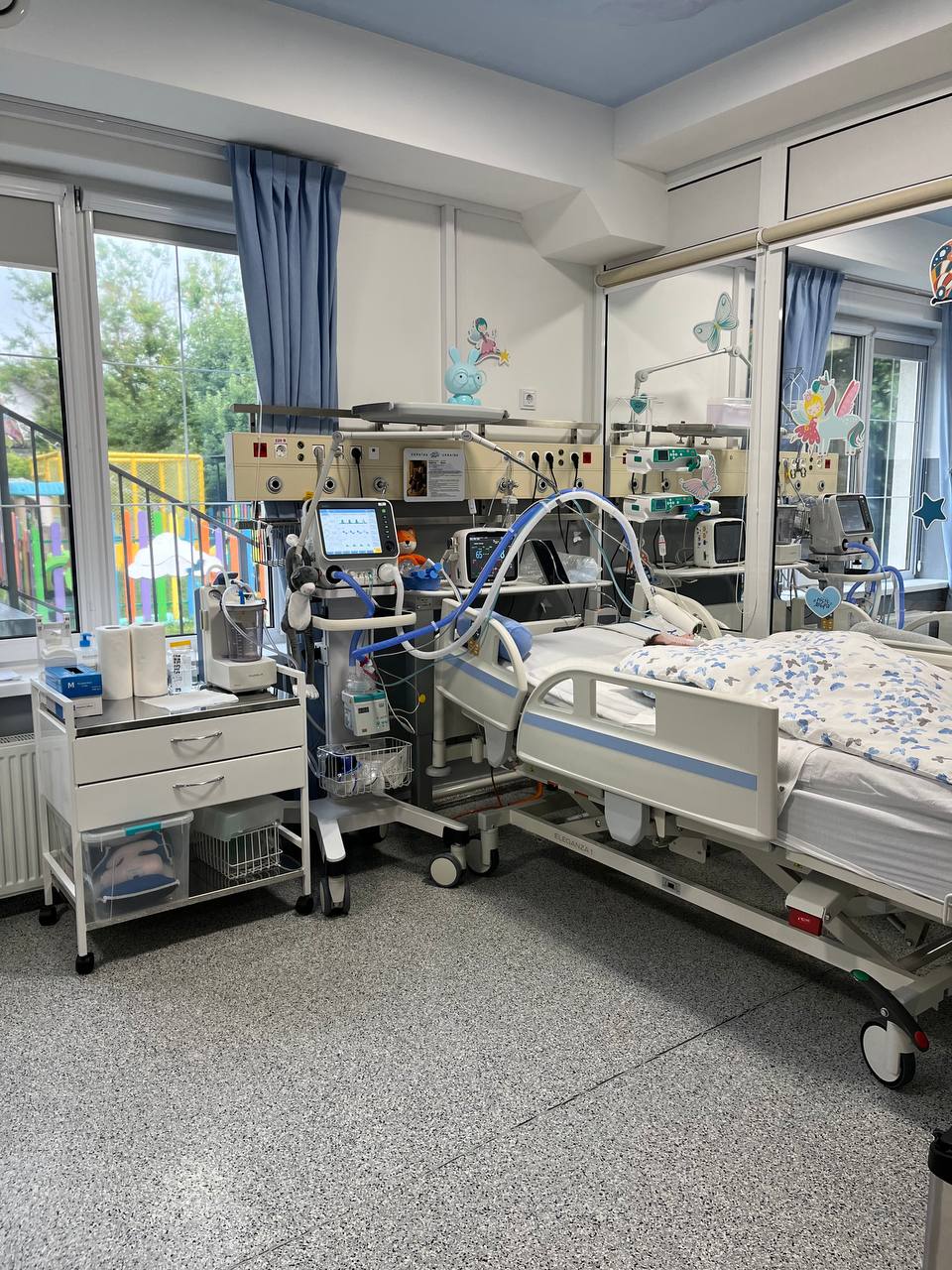
Ivan, a ward of "Dim Metelykiv". (At the time of the article's publication, it became known that the boy, unfortunately, had passed away).
Volodia arrived here at the age of 2.5; he is now 4. He was born in Mykolaiv and evacuated to the hospice from the Sumy region. Until the age of three months, the child had no health issues. The boy was crippled by Russian shelling – as a result of a direct hit on his house, he suffered severe head injuries.

Volodia, a ward of "Dim Metelykiv"
Another ward of "Dim Metelykiv" is Zlata. The girl was brought to the hospice from the Zhytomyr orphanage. Zlata was born prematurely and currently requires constant oxygen supplementation and airway clearance.
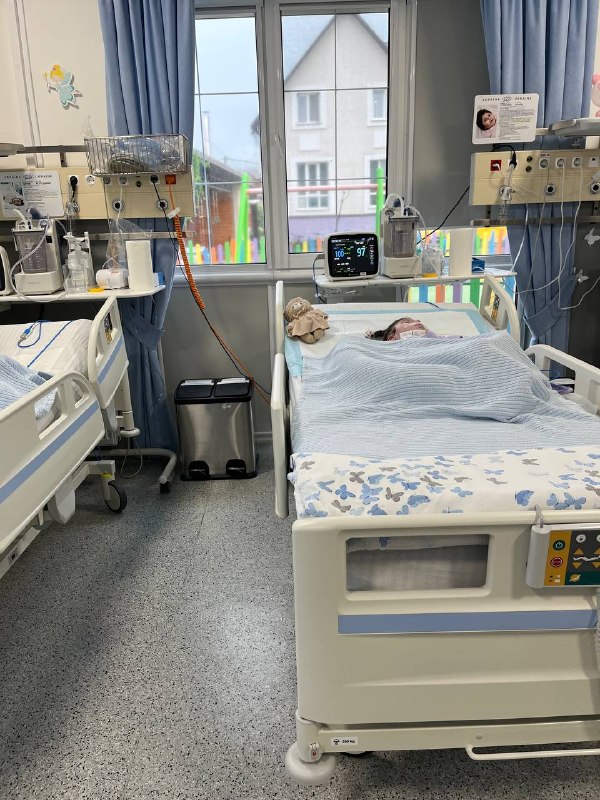
Zlata is one of the wards at "Dim Metelykiv"
"But, despite this, we go for walks. All the children in this department go for walks. We have special strollers. We set up the respirator, set up the equipment, and we walk in the garden. They like it very much. If they were in an intensive care unit, no one would take them outside," says the head of the department.
Next, Nataliia talks about Vlad – a boy originally from Luhansk. Initially, Vlad's mother moved him to Lviv, where he was in a medical treatment facility, and later he ended up here. He has complex congenital diseases that prevent him from breathing normally. However, according to the doctor, Vlad is cognitively intact – he recognizes people and loves watching cartoons.

Wards of "Dim Metelykiv": Vlad (left) and Serhii (right)
Serhii is originally from the Zaporizhzhia region. He almost drowned in a river while saving a friend. The boy spent about 15 minutes underwater. They managed to restart his heart, but his brain was severely damaged due to a lack of oxygen. Serhii is one of the few who has a family. His parents work at "Misto Dobra" – his mother as a seamstress and his father as a supply manager.
Among the hospice's wards are also the twins Klymentii and Maksym from Pokrovsk, mentioned at the beginning of the article.
Their story gained widespread attention in September 2025. After their grandmother's death, their younger brother Platon cared for his bedridden brothers for a year, until the children were evacuated.
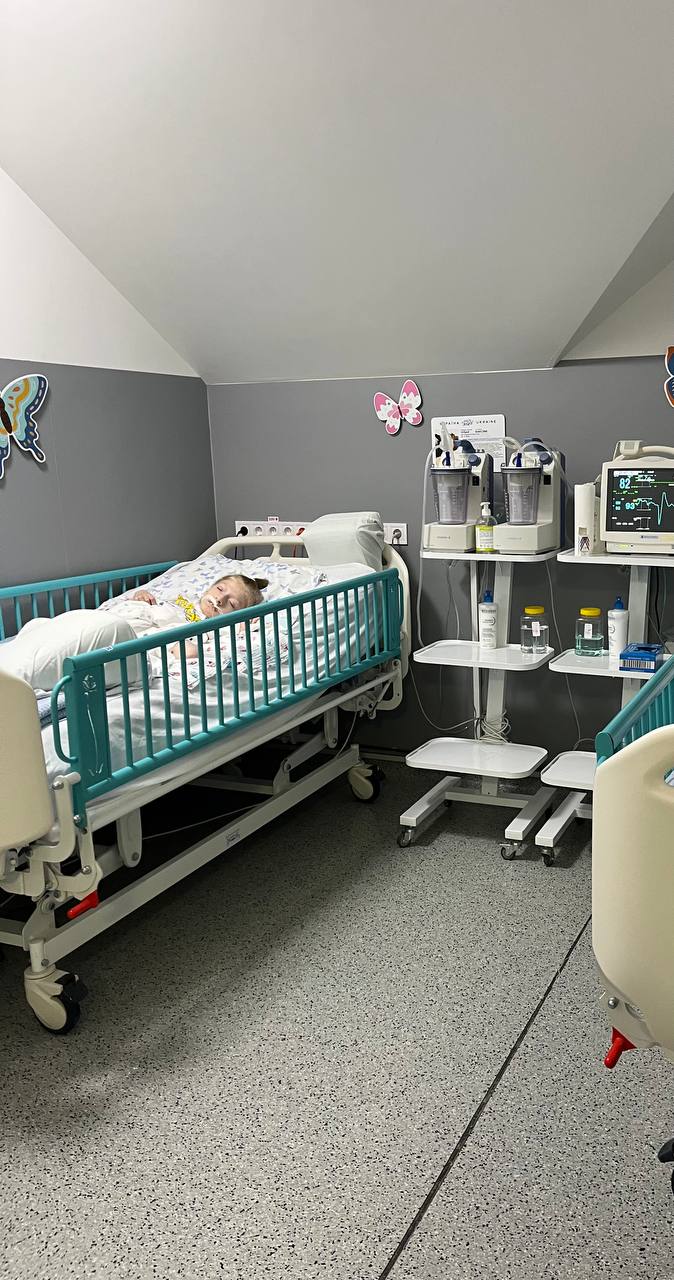
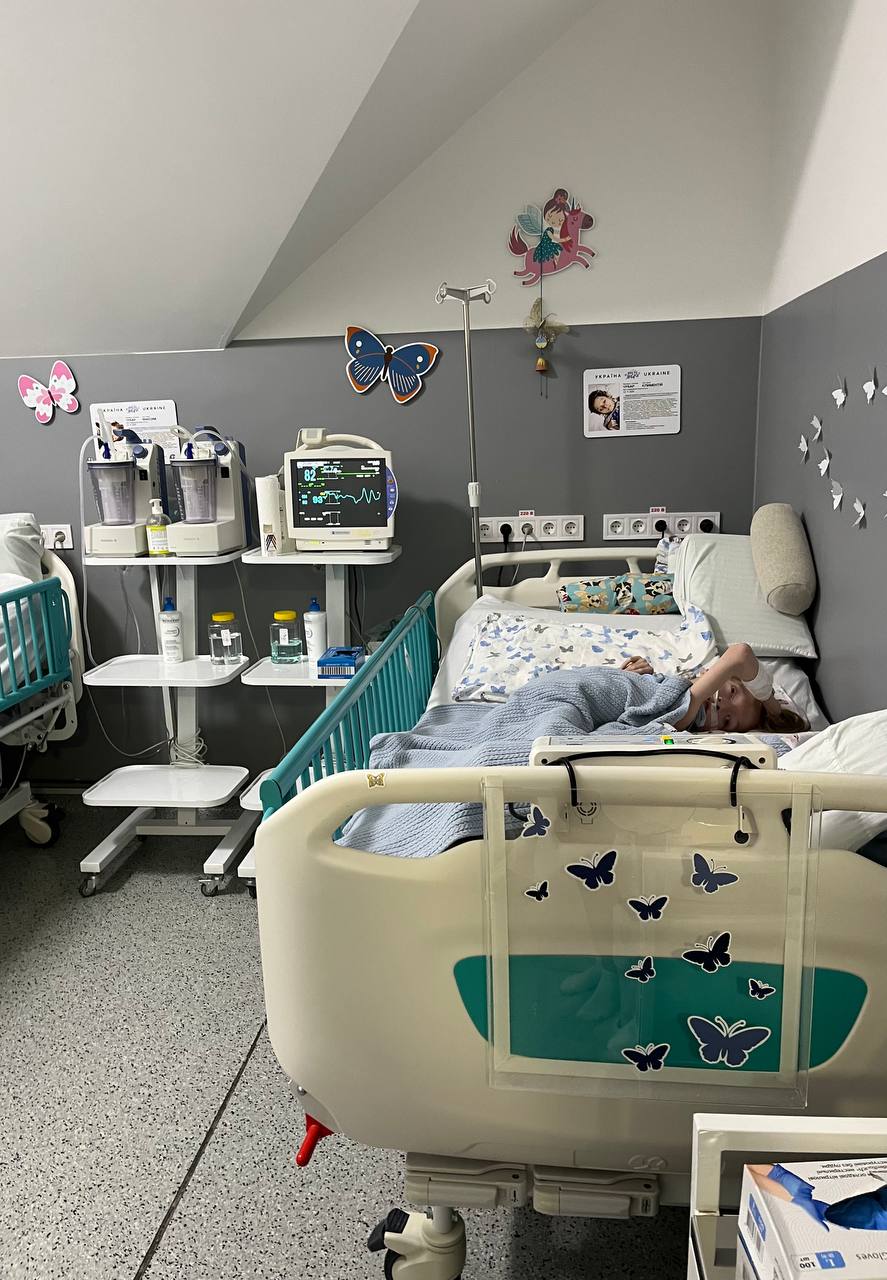
"Dim Metelykiv" also remembers every child who has passed away.
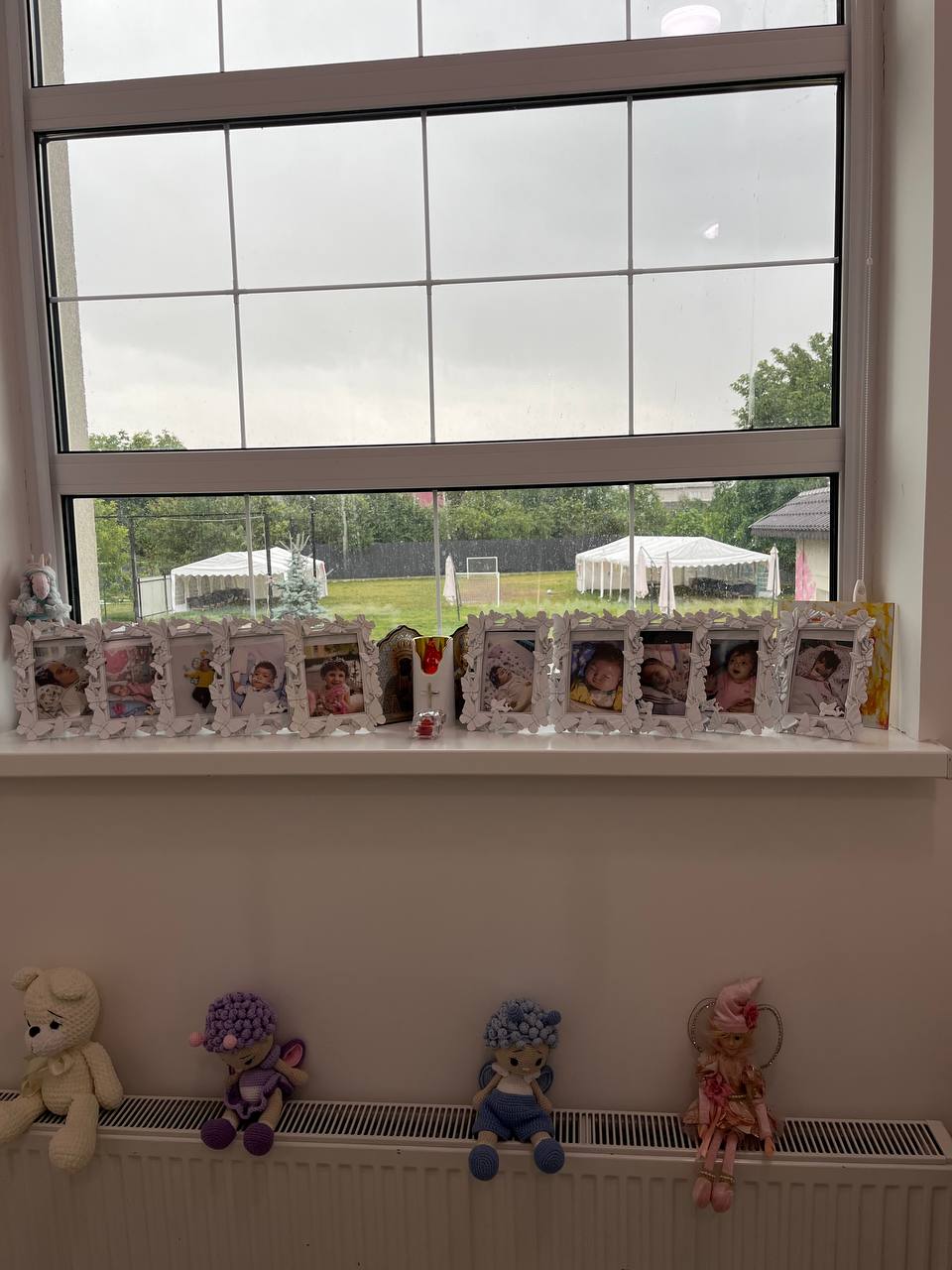
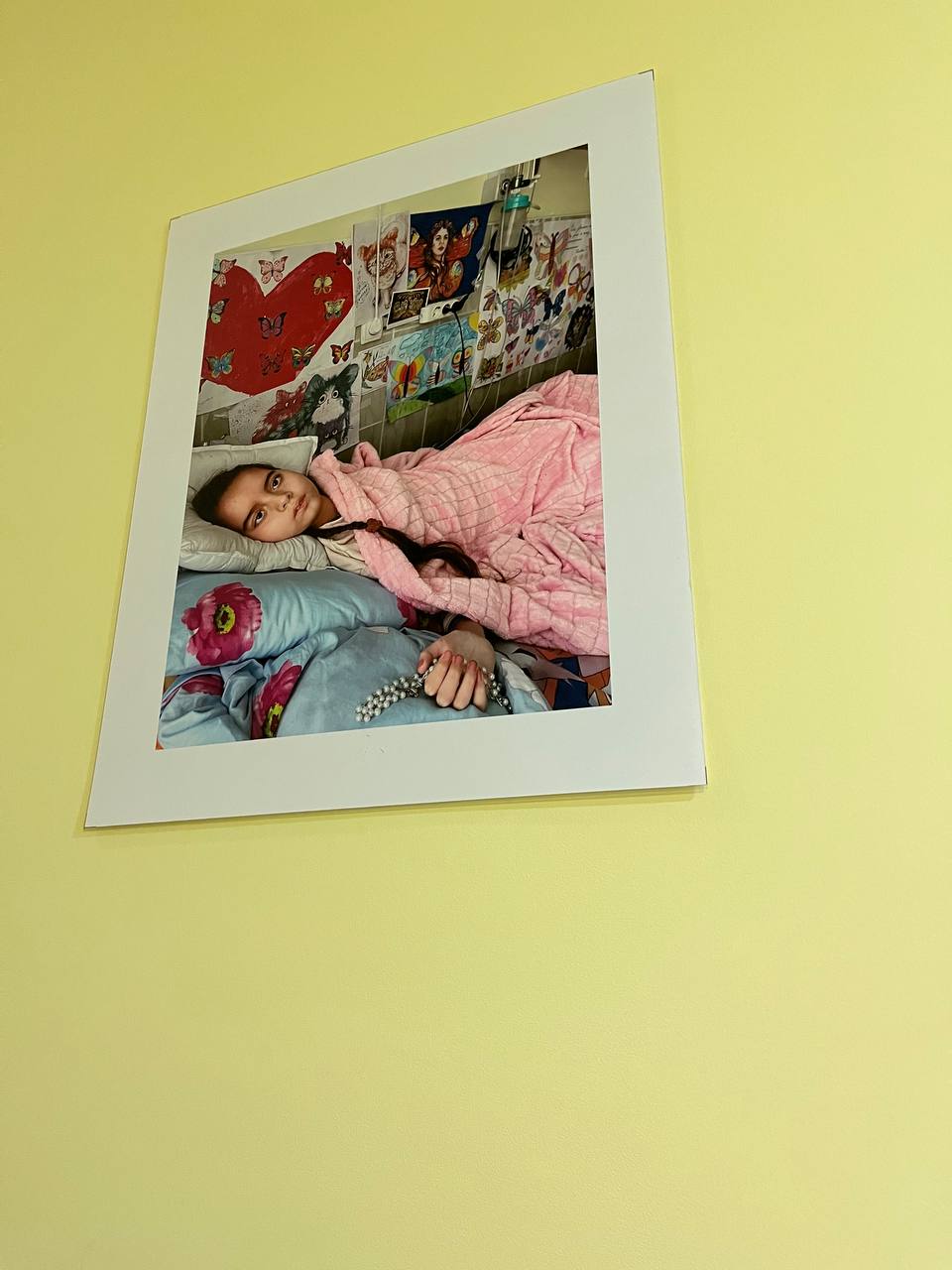
In particular, Nataliia Popadiuk tells the story of Marichka, whose life was taken by a severe oncological disease. The girl loved butterflies very much; people sent images of them to Marichka from different corners of the planet. Since then, the butterfly has become the symbol of the hospice; today they are everywhere here. This is exactly how the name of the medical facility, "Dim Metelykiv", emerged.
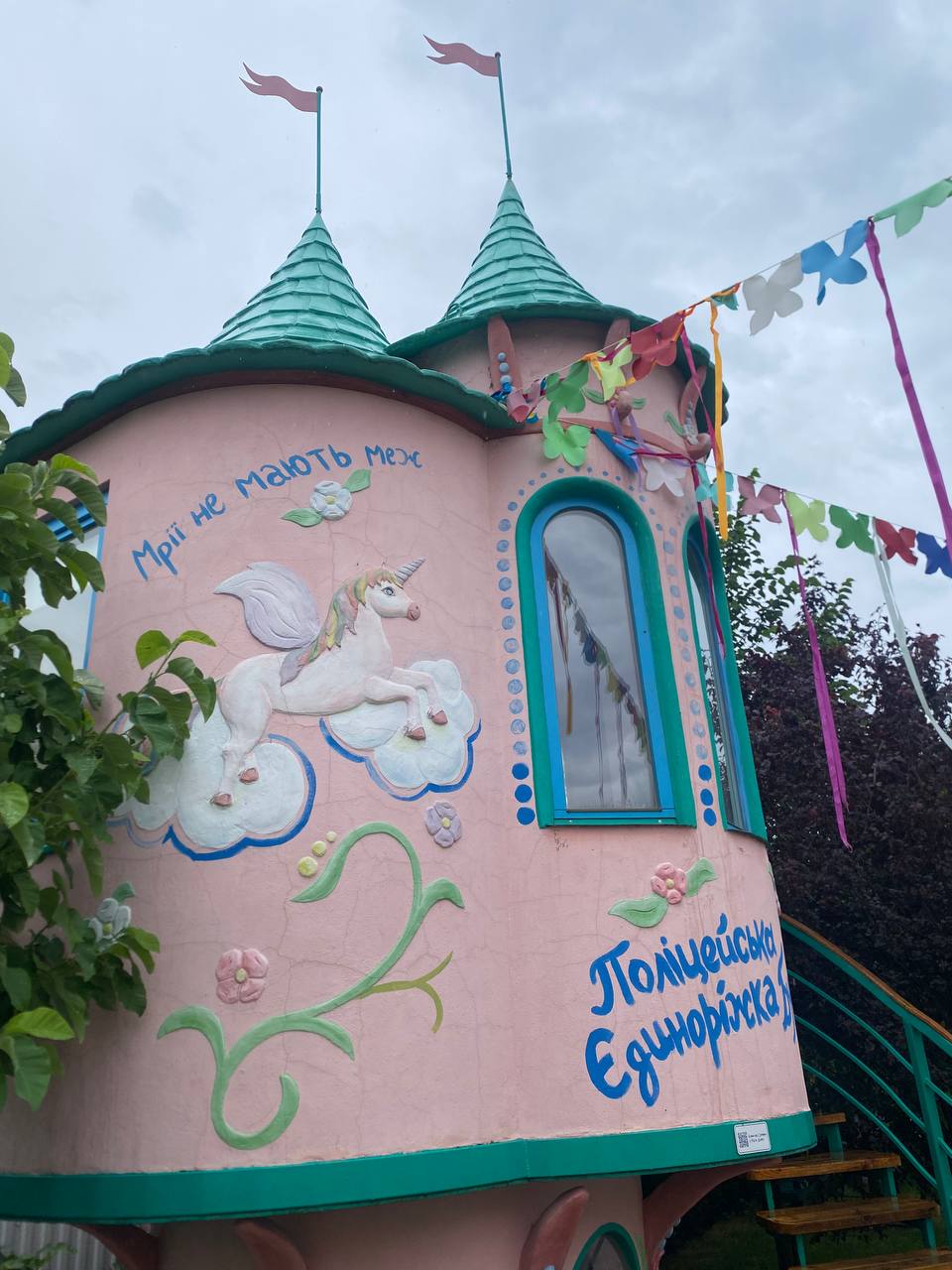
Another ward, Sonia, adored unicorns. Despite losing her sight, the girl took photographs. In her memory, a pink observation tower was built in "Misto Dobra", which greets all guests
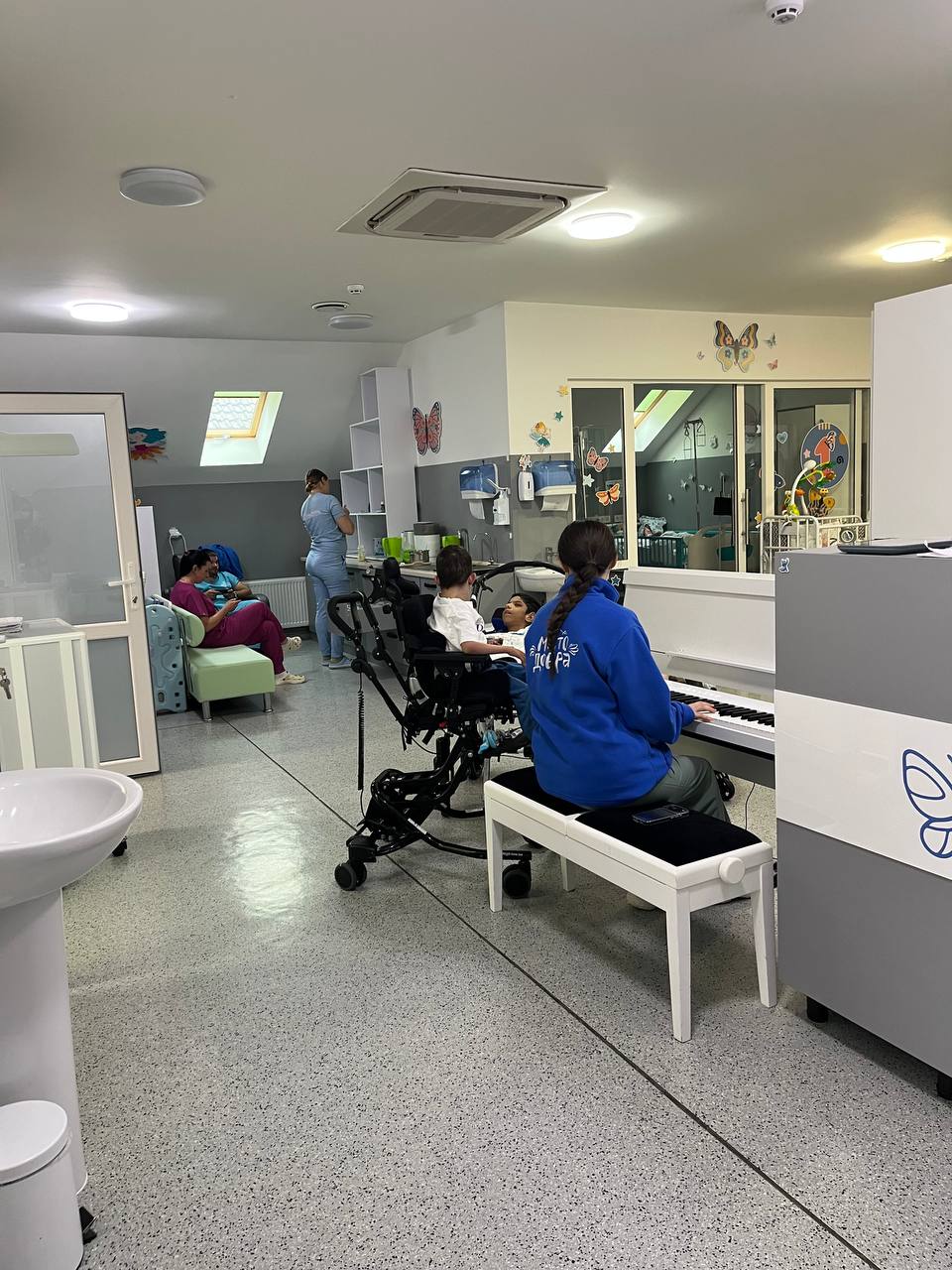
The head of the department explains that the children here have a strict daily routine with a detailed schedule for medication and meals. The menu for each little patient is developed individually.
An obligatory part of every day includes classical music and walks in the fresh air.
A Censor.NET journalist also witnessed such a walk. Even though the day turned out to be rainy, it did not hinder the plans. On the contrary, the children genuinely rejoiced at the opportunity to walk with umbrellas in the rain and splash in puddles.
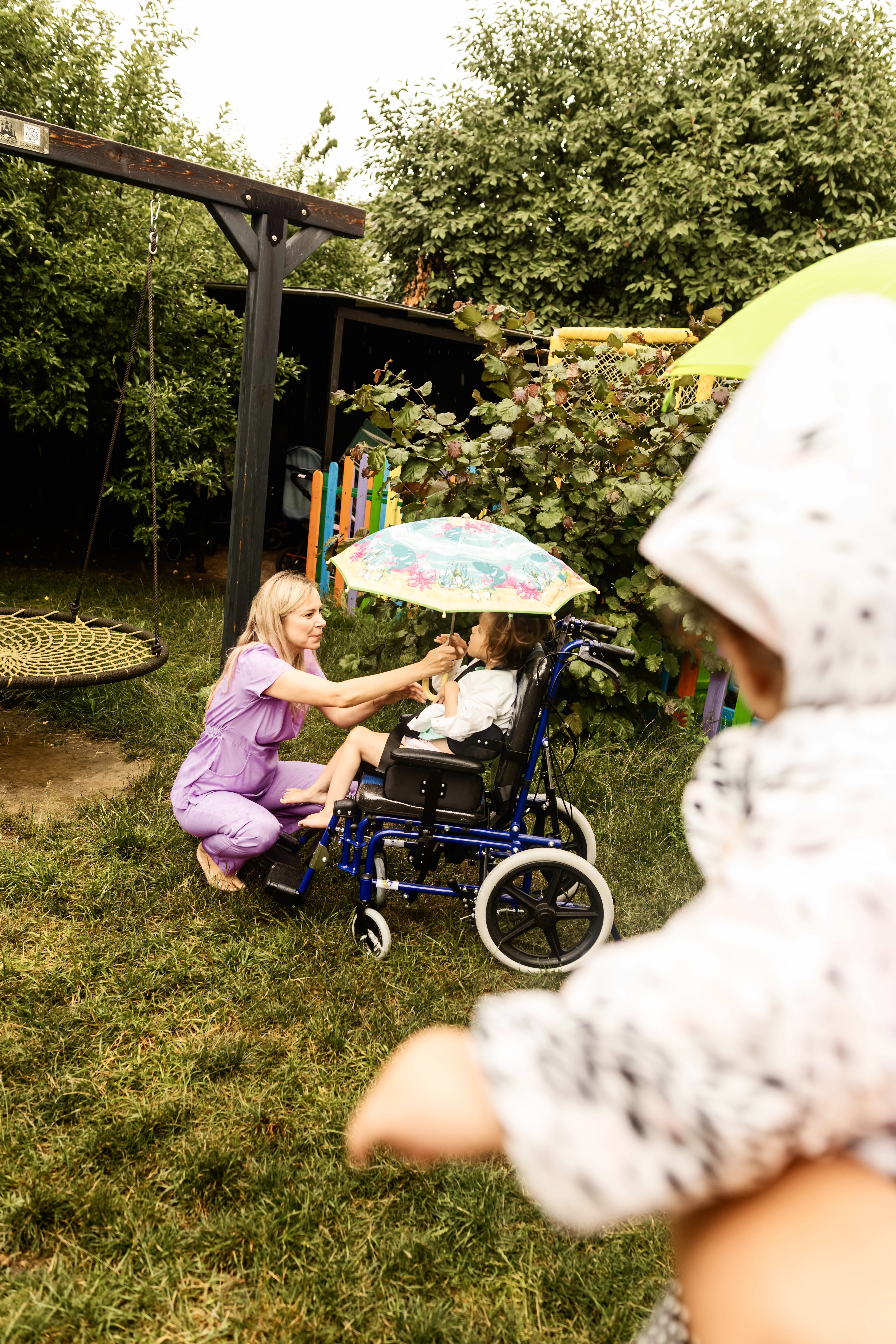

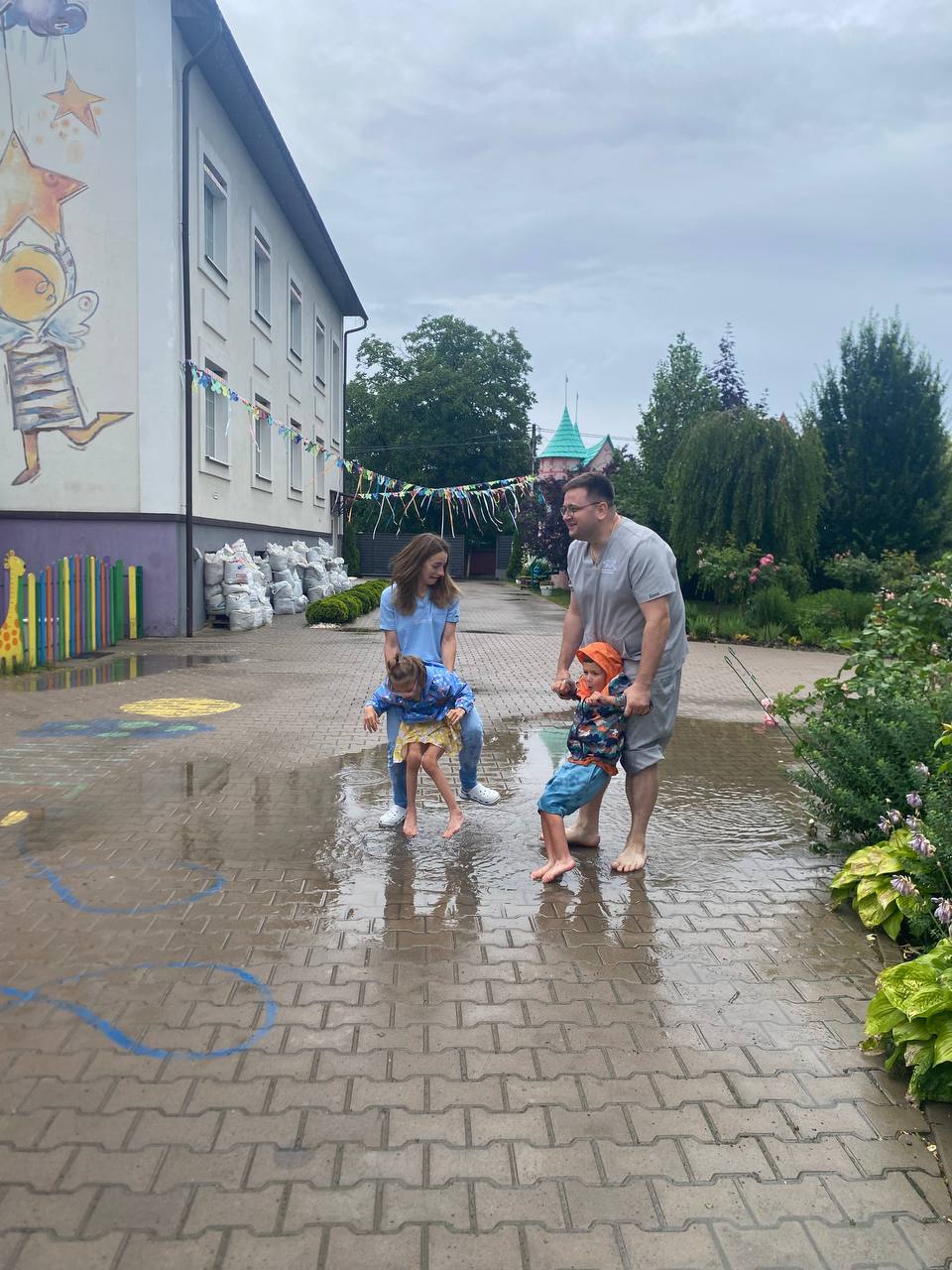
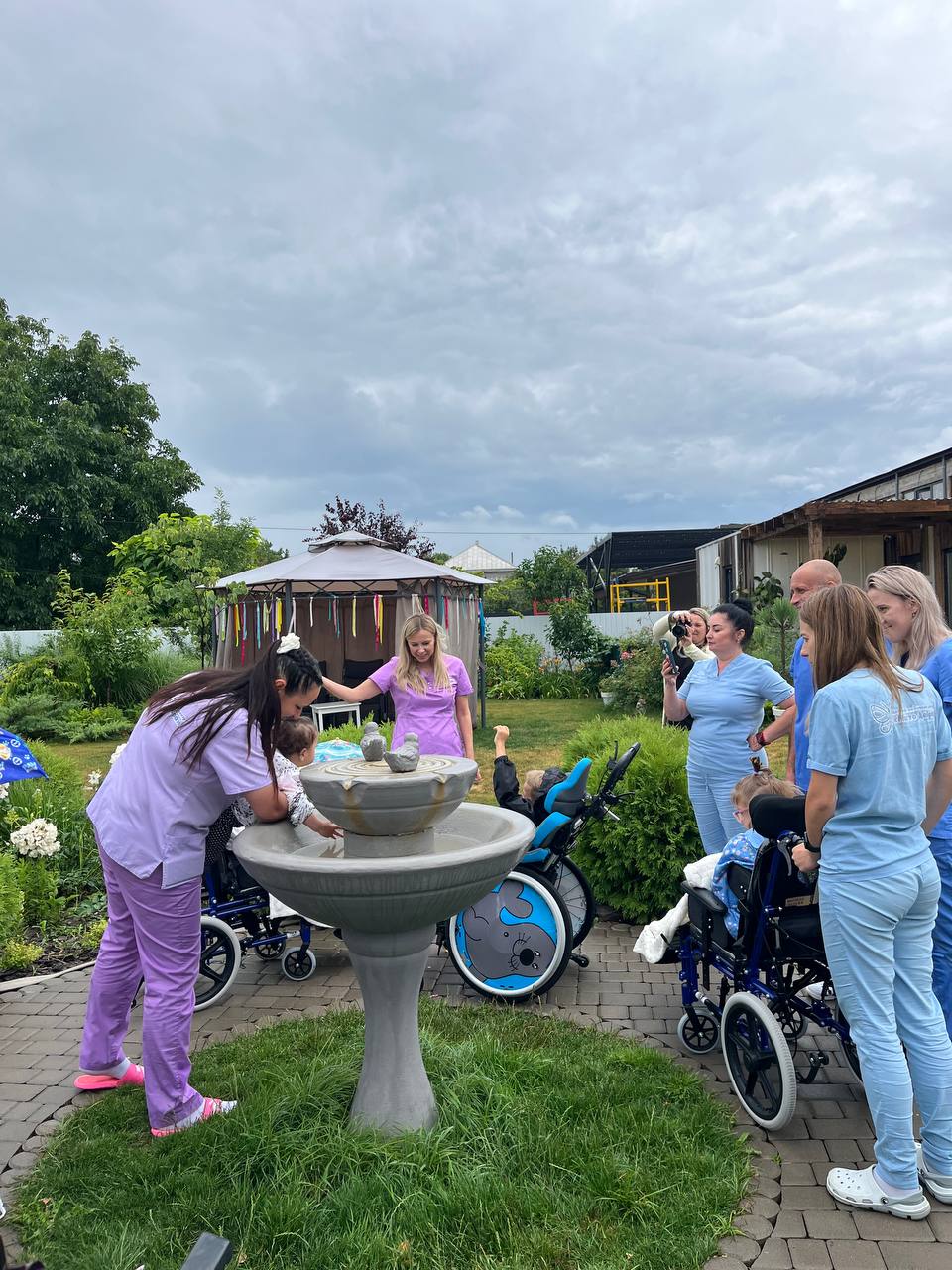
"Our palliative care is about the fact that a child should not be a patient, but remain a child," says Nataliia Popadiuk.
At "Dim Metelykiv", they rejoice every time their wards find a family. The head of the palliative department shares that during the hospice's operation, four little ones have already found new families.
The shelter's founder tells one such story.
"It is absolutely unique when children go from a children's hospice to a family. Because it seems like a place of hopelessness, where there can be no happy endings, but they exist here. They exist here because we manage to make the world fall in love with our children and show them, first and foremost, as children. To see the child, not their diagnosis," says Marta Levchenko. "Now, the latest one who went to a family is a girl with Down syndrome, and a very, very beautiful family. And you look and think, how great it is that she can walk, because they said she would never walk, right? How great it is that speech therapists worked with her, that she can say what she wants, that she can walk, that she can hold a toy, that we fought for these chances for her, and she can now live her full life in a family and have parents."
I also inquire about the fate of the orphaned children evacuated from orphanages: were they adopted?

"I stopped counting at the 121st child who went to a family from 'Misto Dobra'. In fact, everyone has been adopted; the remaining children are those who require specific medical accompaniment, who still need to undergo some surgical interventions, to be helped to become more independent and no longer need medics every minute," says the founder of the shelter.
We also speak with Marta about the hardest part — about loss: how to live with the realization that a child cannot be saved.
"You just shouldn't think about it. You must, once again, simply see the child. We will all pass away. Perhaps in a minute, one of us will no longer be here. What matters is what we did before that. Who was next to us? Did we live before that? For me, it has never mattered when people say, 'Why take in this child, they will die quickly anyway.' There is absolutely no sense in even talking or thinking about this. You have to think about what this child has right now, in this minute, and what you can give them. The very first thing you can give is to ensure they are not in pain. We can fill them with life. And I know that when a child passes away, they passed away in embraces; we held their hand until the very end," says Marta Levchenko.
"Such people turn up when it is very difficult for you. They say: 'We will help'"
Finally, the founder of the shelter spoke about the difficulties the center had to face during the full-scale war. One of the trials was the power outages.
"We were cut off, like all people, but for us, electricity is not a whim, it is not about comfort, it is about life. Because of the equipment, because of the oxygen, because of the food. And in fact, it was very scary. We consumed about 400 liters of diesel per day," recalls Ms. Marta.
Caring individuals helped the facility cope with the trials.
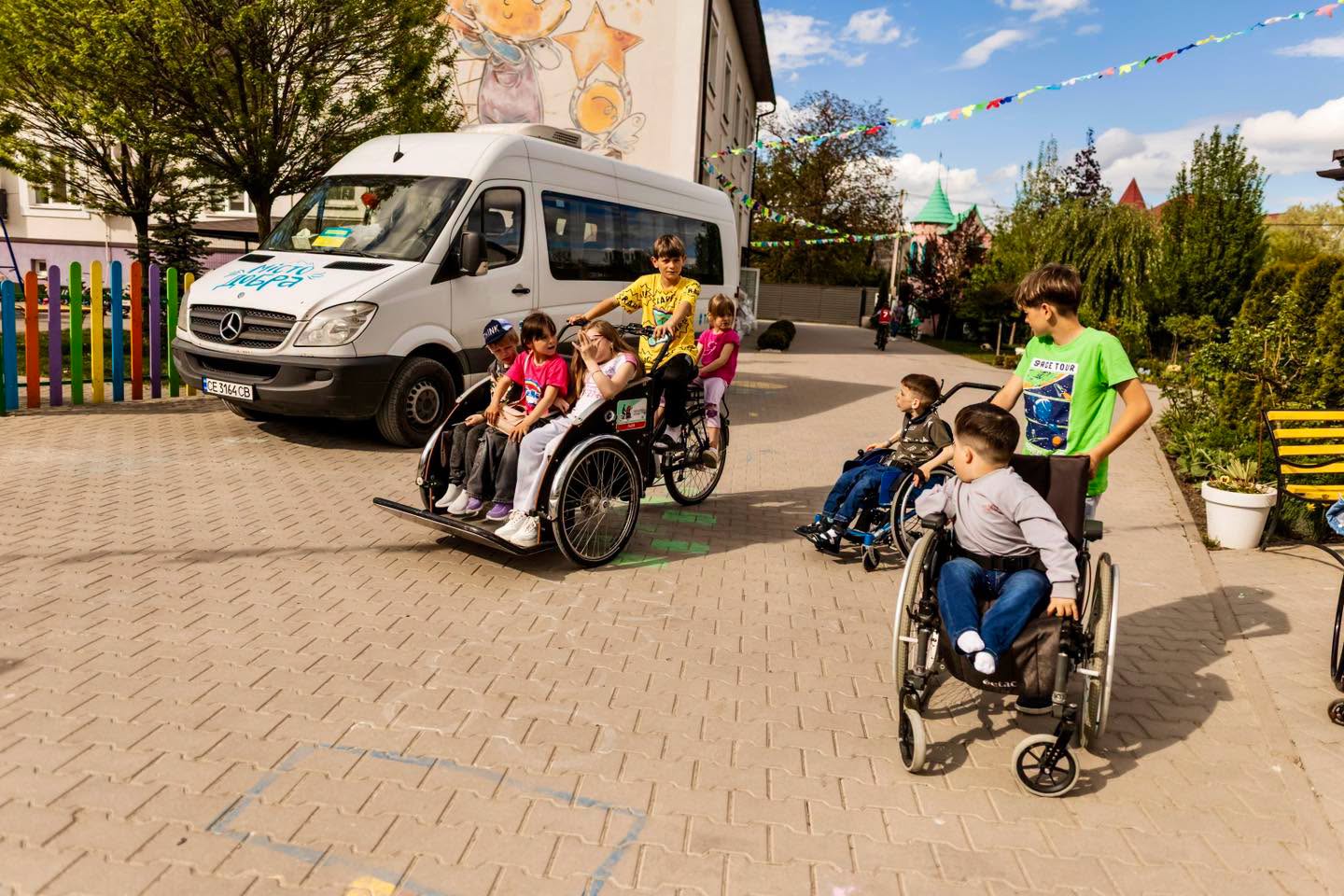
"Such people turn up when it is very, very difficult for you. They say: 'We will help'. This is how we hold on. Like in the prayer, give us this day our daily bread. But if you do this with faith and honestly, you will always have your daily bread today," says the founder of "Misto Dobra".
According to Marta Levchenko, it is very important to develop the care system for palliative children in the country, both at the state and community levels, and for communities to create centers where such care would be combined with rehabilitation.
"If such children are born in remote villages where there is no palliative care, they can die of starvation, because there are cases where parents are unable to provide them with proper care and do not know where to turn," she says. "We see facts about the horrific deaths of children in reports from the Prosecutor General's Office, such as: a child died of starvation, weighing 8 kilograms at 11 years old. These children do not receive proper help; there is no understanding that they require specialized nutrition; there is no one to insert a feeding tube or a gastrostomy; children die from starvation, from bedsores, from terrible contractures. And consequently, there are no funds even for daily basic needs. For example, one filter for a tracheostomy, which must be changed daily, costs 300 hryvnias. Besides, an average of 15 feeding tubes are needed per day, which is also a significant amount of money. And much more.
We have signed a Memorandum with the Ministry of Social Policy, Family and Unity on sharing our experience. Currently, a new route has already been created for solitary children with palliative status. The presentation of this route will take place at our third medical palliative summit, and it entails creating something similar at the state level. In accordance with this route, institutions can be established across the country where a palliative child will go," says the founder of "Misto Dobra".
P.S. To find out how this system will develop in the future, Censor.NET addressed the relevant ministry. The Ministry of Social Policy notes that they will pilot a new social service called "Dim Turboty". These are small homes for orphans and children deprived of parental care who require palliative care. The children will live in conditions as close to family environments as possible, with round-the-clock medical accompaniment, care, rehabilitation, and socialization, instead of prolonged stays in inpatient facilities. The department emphasizes that "Misto Dobra" has become an example of how such a model can work in practice. Relying on this experience, the Ministry of Social Policy will launch a state service as part of an experiment so that such homes appear in other communities of Ukraine.
Olha Herheliuk, Censor.NET
Photos by the author and from the official social media pages of "Misto Dobra";
All photographs of the children were taken and published with the permission of the facility's administration.


