



Acting Mayor of Sumy, Artem Kobzar: "Petrol stations are being protected with netting, and most of them are already protected by it. However, the netting protects against some types of weaponry but not others."
Sumy is one of those Ukrainian regional cities that drew the short straw regarding location: it lies close to the Ukrainian-Russian border. Consequently, the full-scale war against Putin’s regime has brought—and continues to bring—great suffering to the city’s residents. The city is under constant pressure from Russian guided aerial bombs, UAVs, MLRS, and ballistic missiles.
This summer, Sumy and the Sumy region set grim records for the longest continuous air raid alerts: 29 hours and 41 hours 44 minutes, respectively. The enemy is attacking energy and rail hubs, petrol stations, shopping centres, administrative offices and businesses, residential buildings, public and private transport, car parks, and even city roads.
Despite this relentless pressure, the city is holding firm and preparing for winter. How will Sumy cope with what may be the harshest winter of this war? Artem Kobzar, acting mayor of Sumy, spoke to a correspondent from "Censor.NET" about this.

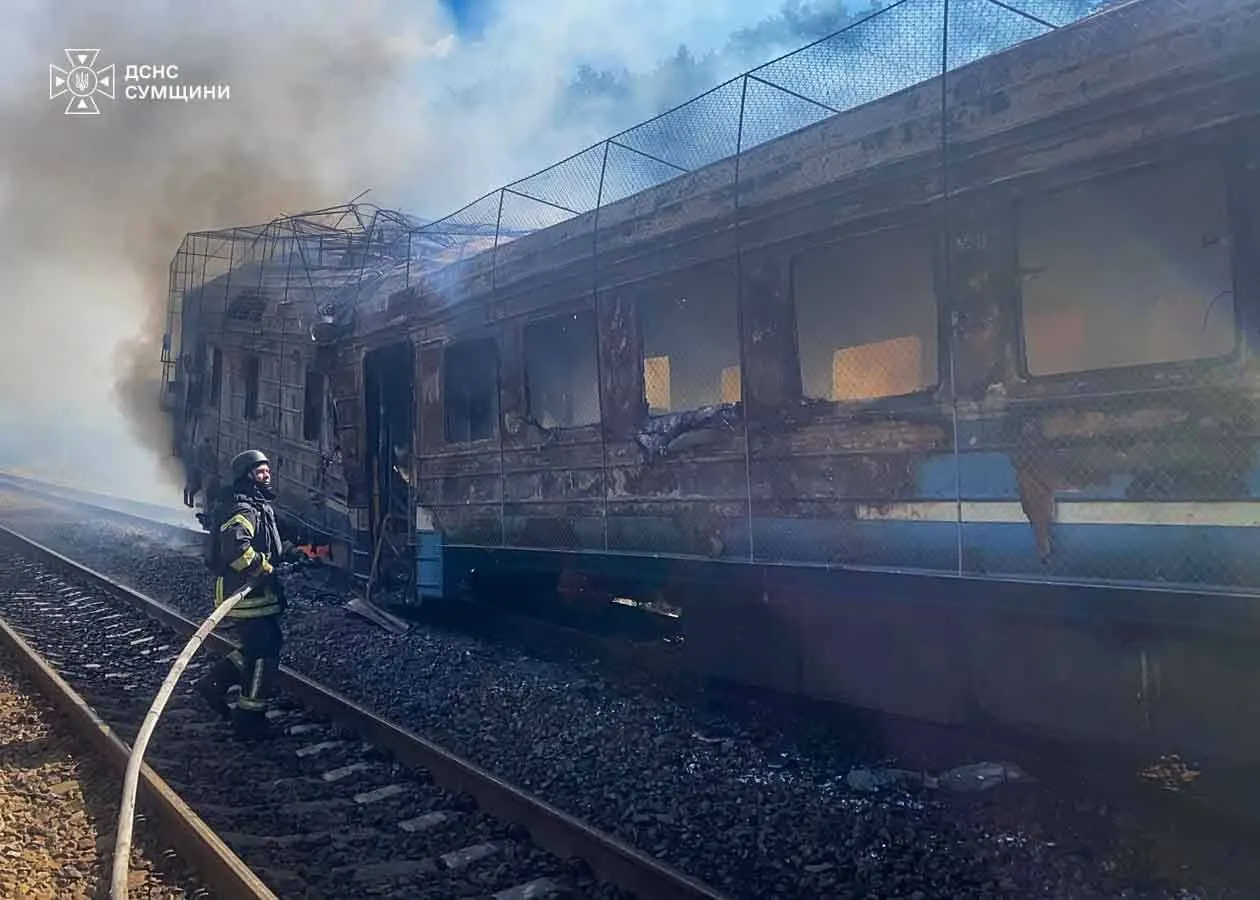
Mr Artem, at the end of last week, Ukrzaliznytsia announced that trains to Sumy would no longer run; the service is being suspended due to constant Russian attacks on the railway, with trains stopping at Konotop and only buses running from there onwards. On the one hand, this is an understandable decision, as the Russians have been relentlessly "tormented", as they put it, the trains to Sumy and from Sumy. There have been killed and wounded, not to mention the endless evacuations of passengers.
On the other hand, as is now more or less quickly to get to Sumy?
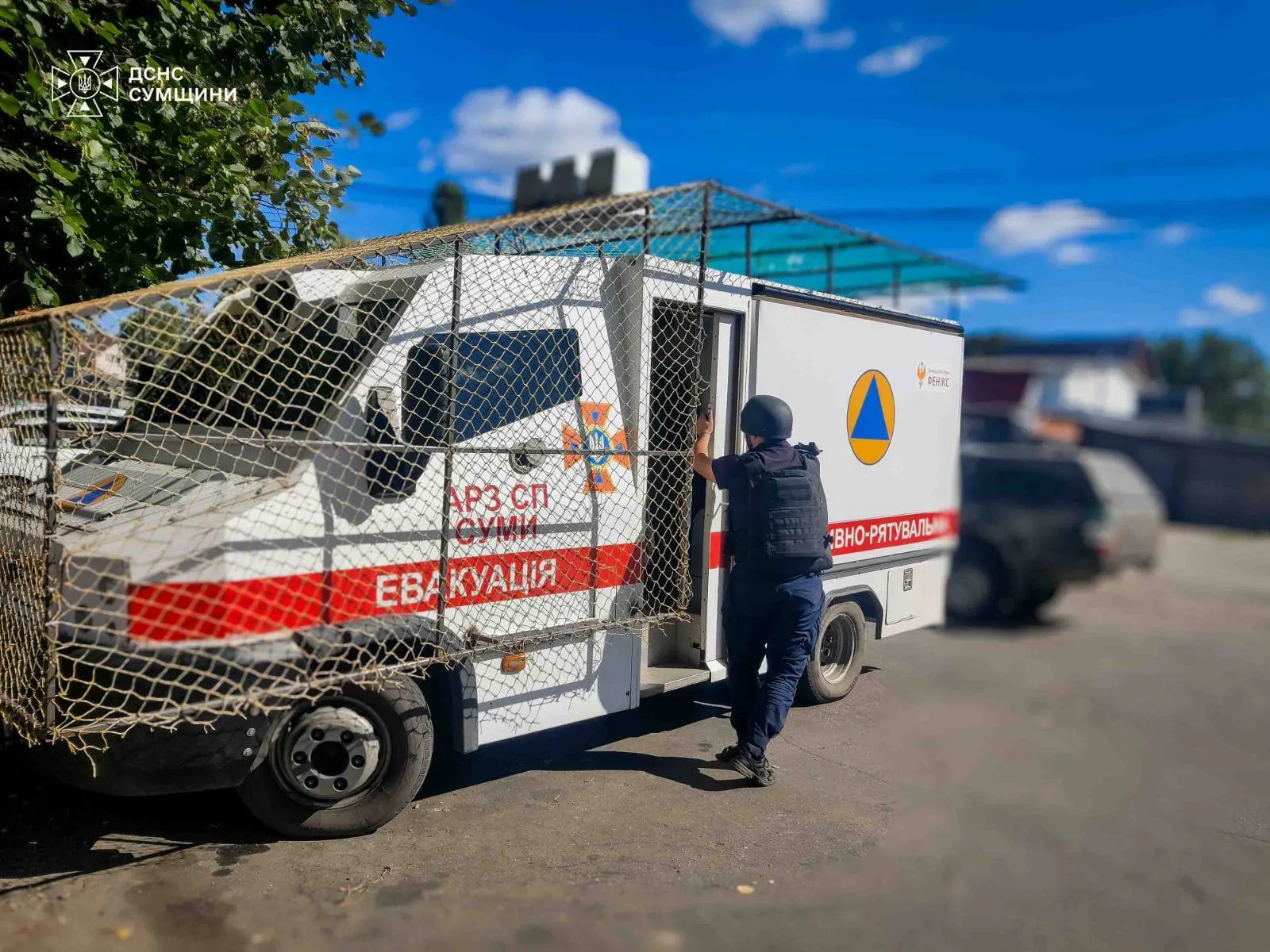
— This decision was taken, first and foremost, out of concern for people’s safety. For example: in our local council districts, there were private transport operators who refused to run services for safety reasons. We then deployed municipal transport on these routes — and now it travels to the local council districts, picks people up for work, brings them into the city and, conversely, takes them back from the city to the local council districts.
I believe this issue will also be resolved. But we can see that attacks on our trains are not isolated incidents. When this happens systematically, with people being injured or killed, our first priority must be people’s lives and safety.

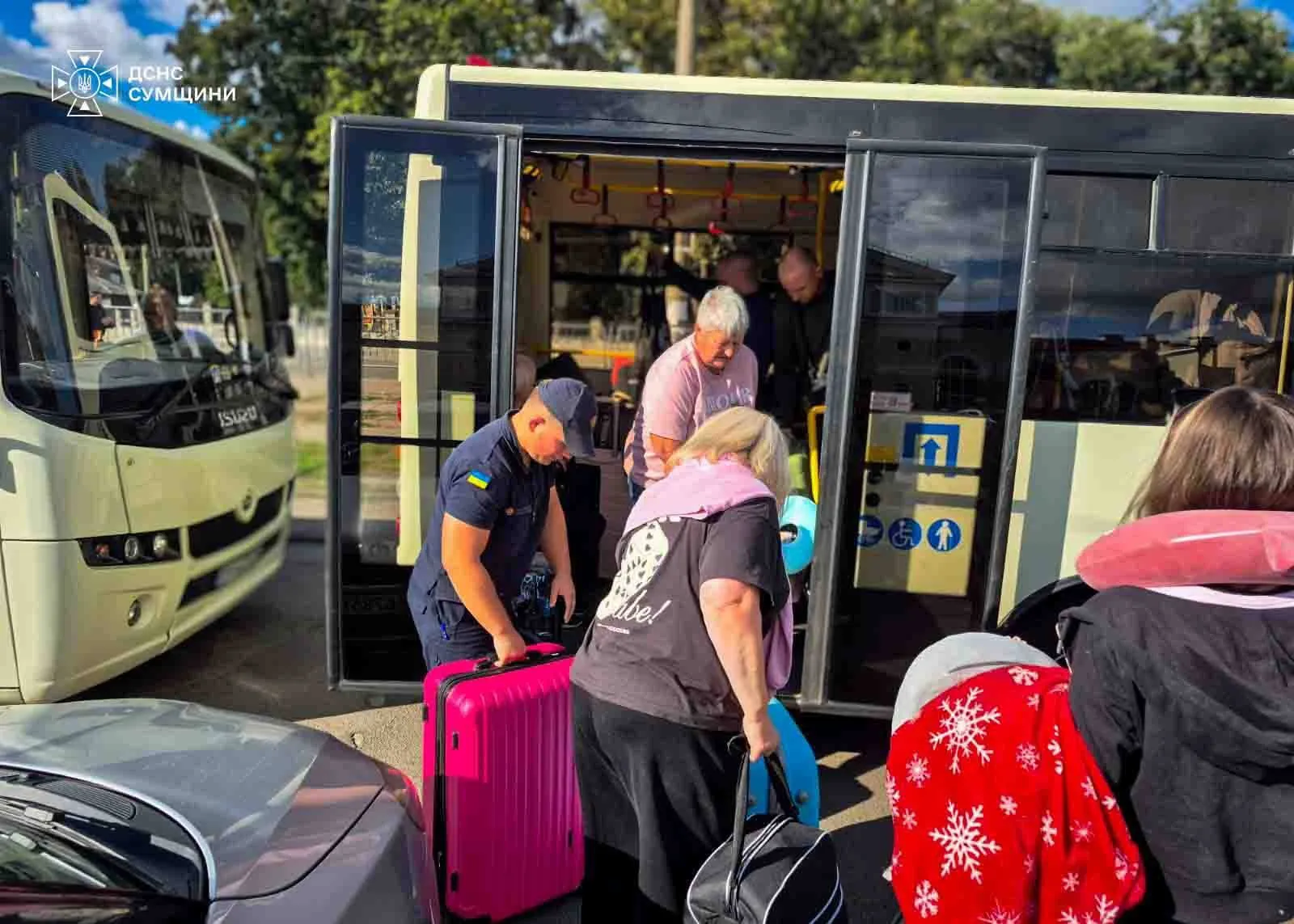
- Many people will still travel to and from Sumy using local bus services. Prices there were already about three times higher than those charged by ‘Ukrzaliznytsia’, and now they will rise, for objective reasons too: driver safety, increased passenger numbers, and petrol supply issues. That said, is it possible to ensure that prices do not skyrocket completely?
— I believe that if people now switch from trains to private or municipal transport, the higher the occupancy rate of the bus, the more reason there will be to keep prices within the range they were previously.
We realise that a lot depends on the cost of fuel and spare parts. Nevertheless, if the pricing policy remains the same as before, I do not think there will be a significant price rise. Especially since diesel, petrol, and gas have already gone up in price.
- I see. Mr Artem, the whole country is aware of the round-the-clock shelling and air-raid alerts in Sumy. But the level of escalation and danger is rising — we can see this from the attacks on the city’s largest retail hub, the ‘Manufaktura’ shopping centre. We are also seeing relentless attacks on warehouses and logistics offices. This raises the question: are the central and city authorities working on a contingency plan ‘B’ to ensure a continuous supply of food, medicines and essential goods to the city?
— Let me put it this way: the city of Sumy is fully supplied with food. Shops are open. I understand that the enemy is targeting large shopping centres, but local markets and retail chains are operating — together, they are fully providing Sumy’s residents with food.
- The Russians have been provoking a petrol crisis since the summer. Petrol stations in Sumy are under constant attack. What is being done to alleviate this pressure on residents, motorists and businesses?
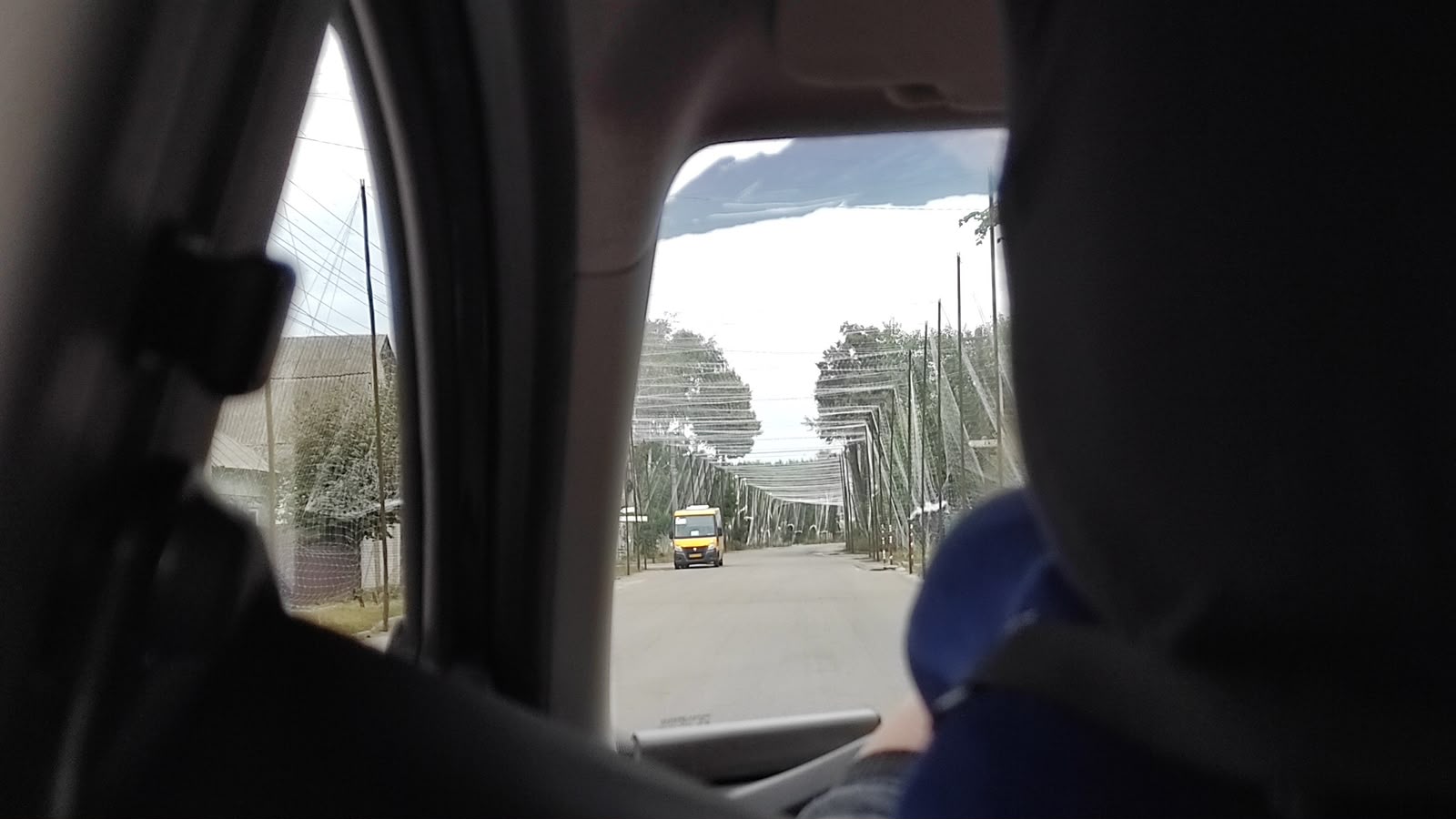
— Petrol stations are being protected by netting, and most are already covered. However, we realise that this depends on the type of weaponry. If, for example, a net is in place but a ‘Shahed’ drone strikes, it will not protect the petrol station.

A net protects against one type of weapon, but not against another.
- In August, I only saw these nets on the outskirts of the city.Is it actually possible to cover the city centre and key facilities with them? And how effective are they?
— I believe it’s all feasible, but this isn’t really my area of expertise. If our military are installing drone nets, then they understand how much this can improve the safety of people travelling by car.
- We know that, five years into the war, Ukrainians hardly ever seek shelter, and in border towns like Sumy, the time between the air-raid warning and the strike is minimal (and sometimes non-existent). Nevertheless, the frequency of enemy attacks is constantly rising, and it is military life itself that may force people to take shelter. This raises the question: what is the situation regarding shelters in the city, and are you preparing for their widespread use?
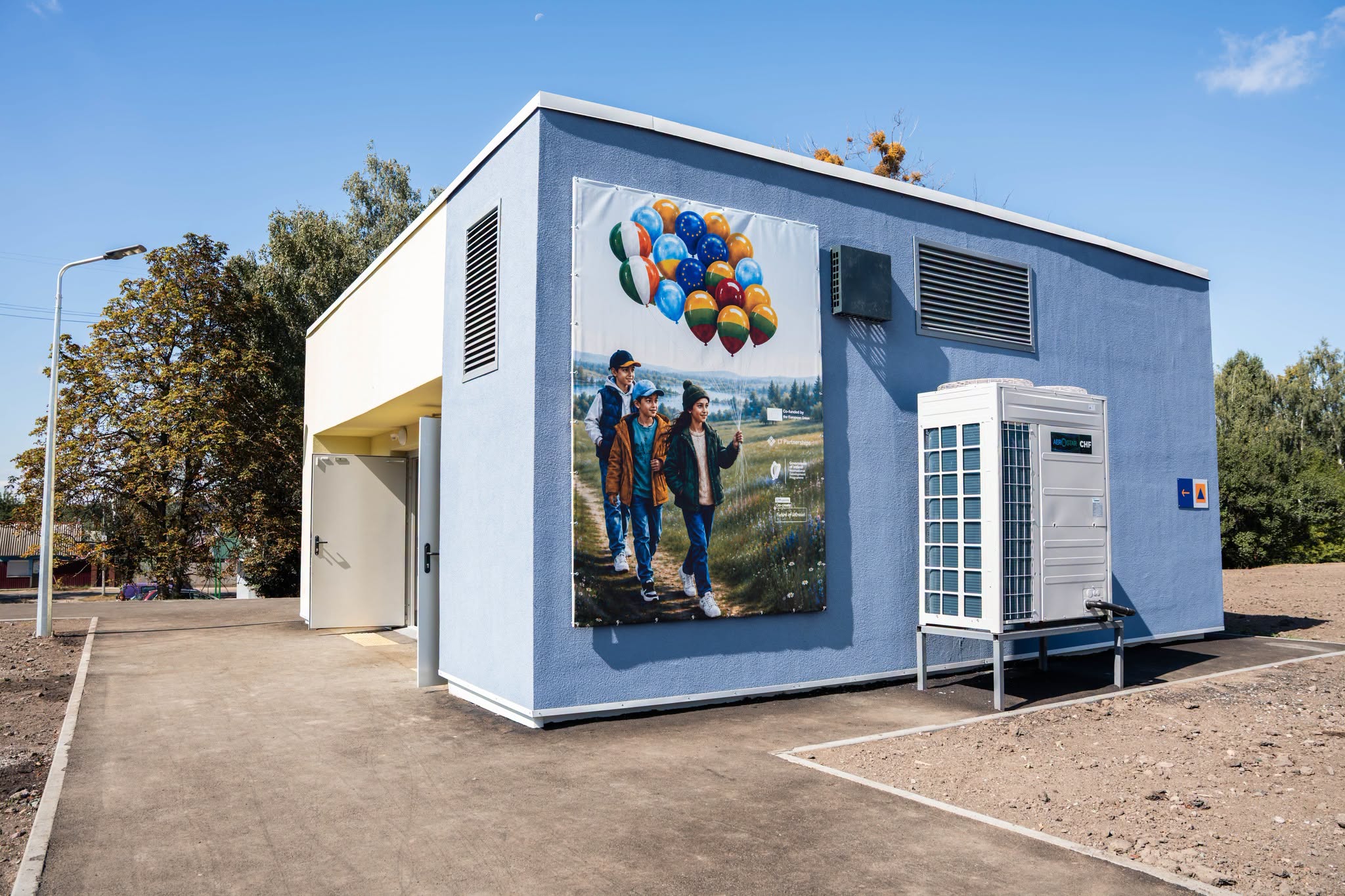
— The city is 100 per cent prepared! We have mobile shelters, we have anti-radiation shelters, and we have the most basic shelters, which we have set up in schools.
All types of shelters are being built in accordance with these standards, and tenders are being held for the construction of mobile shelters.
- And how many people can these shelters accommodate?
— The smallest mobile shelters are designed for 10 people. However, if people hear ‘Shahed’, a ‘Shahed’ missile or some other threat, then 15–20 people can take shelter in a mobile shelter.

Photo: Tsukr / Oleksii Tucha

Photo: Tsukr / Oleksii Tucha
The same applies to the simplest shelters and air-raid shelters. Depending on where the shelter is located and how dangerous the situation is, the number of people inside varies.
Of course, there are certain requirements for fitting out a shelter for a specific number of people, but if necessary, it can accommodate far more people.
You mentioned the attack by ‘Shahed’ drones on one of the shopping centres. There were far more people in the shelter there, as it included both staff and shoppers.
- Yes, and although it was painful for everyone to hear about the fatalities, we must remember that, at the same time, quite a few people were saved and made it to the shelter…
— Yes, there were several attacks there. And it’s good that after the first attack, when, sadly, a boy and a girl born in 2005 were killed, people no longer ignored the alarm but headed straight for the mobile shelter.
- Over the recent months, the enemy has repeatedly struck public transport in Sumy. Is there any way to at least somewhat reduce the danger to passengers and drivers? Or is there nothing much you can do here – drones are drones, let alone jet-powered ones?
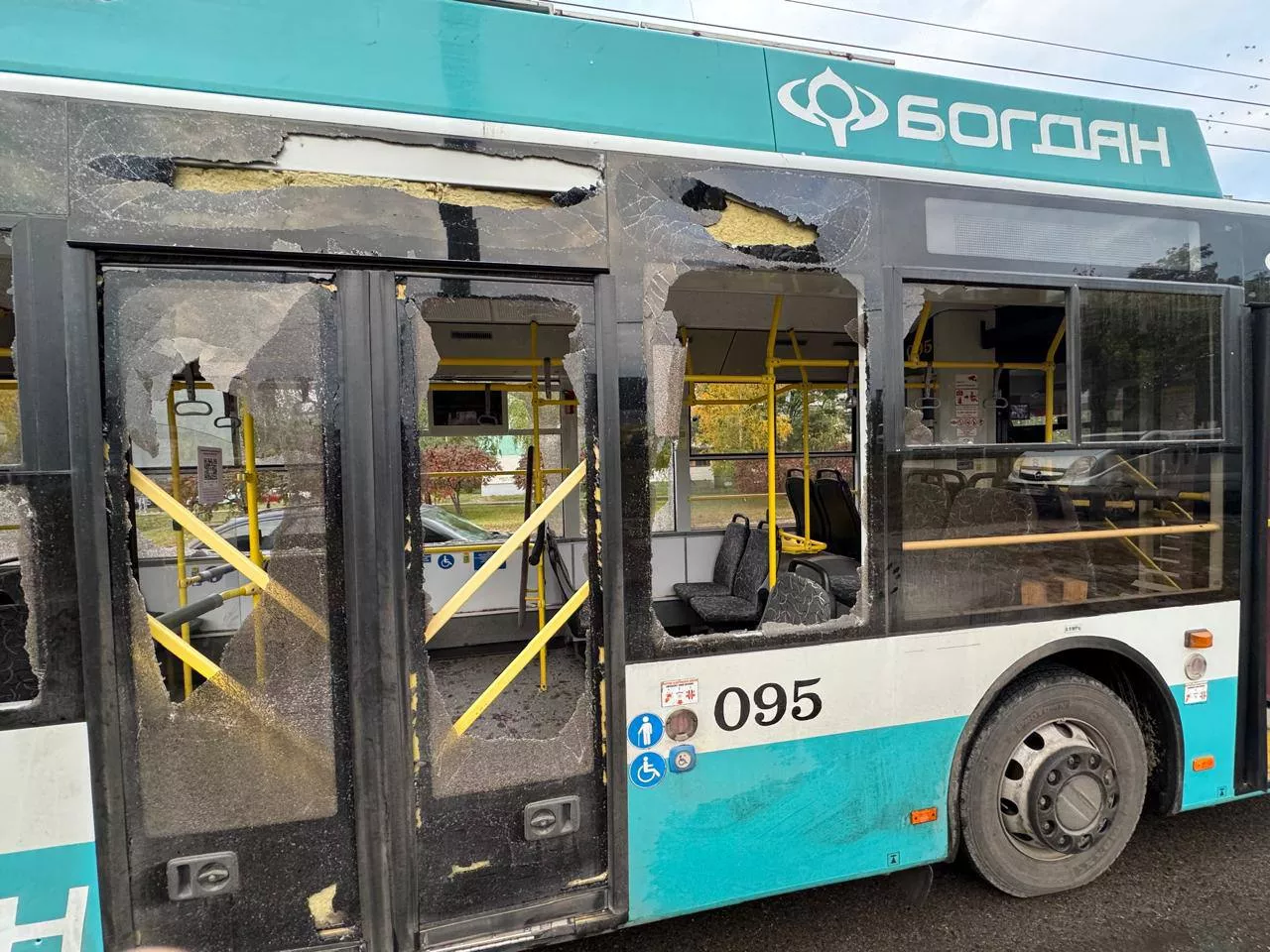
— That is precisely why mobile shelters are being installed. When there is a danger, the driver can stop the bus or trolleybus so that people can move to a mobile shelter or a nearby shelter.
- What about equipping drivers with ‘Chuyki’? More and more intercity minibuses are already using these portable UAV detectors.
— Look, firstly, loudspeakers are constantly in operation in Sumy. They warn of both aerial threats and the threat of UAVs, so that people understand what type of threat is involved.
Secondly, without going into detail, drivers – and others – have the relevant information about potential dangers.
— In the first weeks of the war, Sumy was under a partial blockade, and at that time the city faced a shortage of certain medicines. Can you reassure the city’s residents that pharmacies and food shops will be adequately supplied in the coming months?
— For the fifth year since the start of the full-scale invasion, people in Sumy have been adequately provided for. I believe there is absolutely no reason to start worrying. None whatsoever. All pharmacies, shops, and bakeries are open.
- And how has the new academic year started in Sumy? Are lessons taking place online or in person?
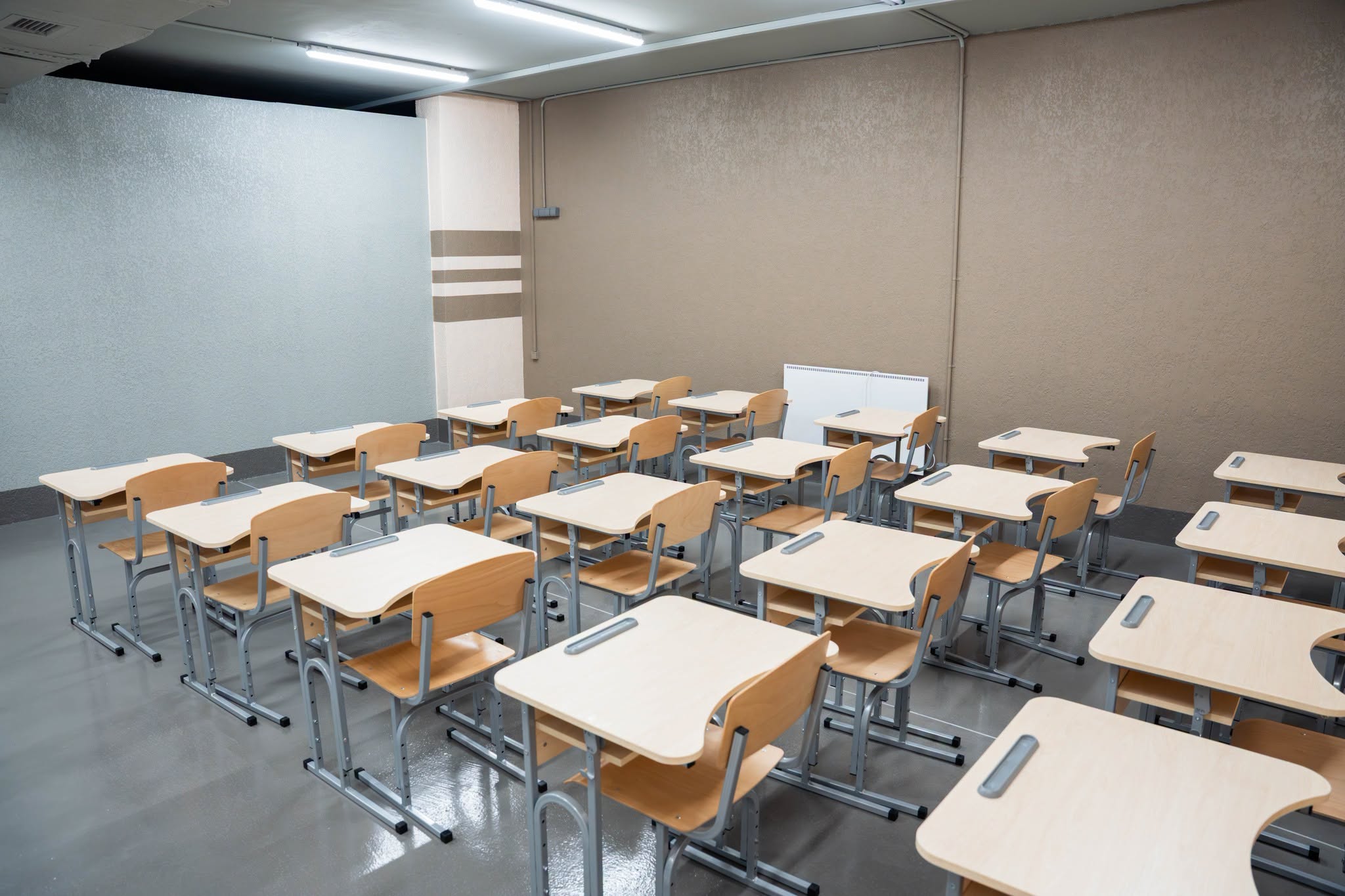
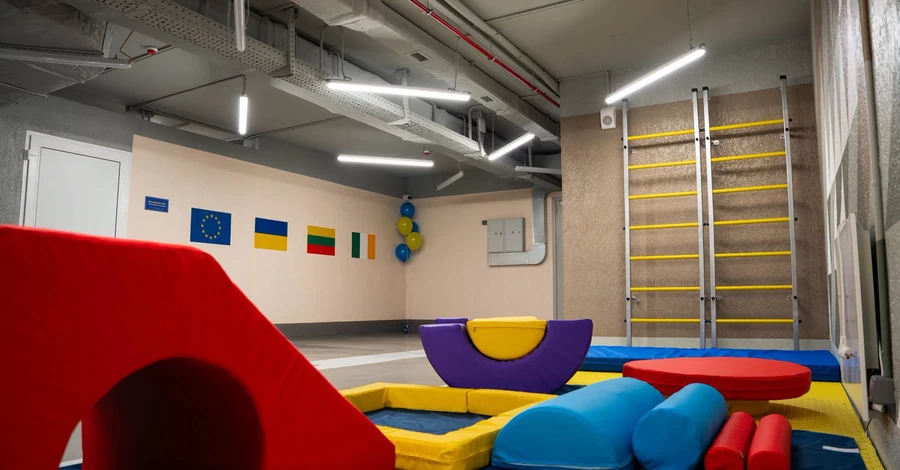
— We have a blended learning model in Sumy. We have also built underground schools — funded by the state, co-financed by the city, and with support from our donors.
They took on our project in full, organised the tender themselves, selected the winner, and built one underground school.
In total, within the Sumy community, shelters are operational in 25 out of 38 general secondary education establishments and 26 out of 38 pre-school education establishments. Emergency shelters have been fitted out in three schools and one nursery. All four out-of-school education establishments have operational shelters. In 2026, the construction of five civil defence shelters in schools was completed, whilst work is ongoing in a further three schools and one nursery.
- So what does an underground school look like in practice?
— Very good. Unfortunately, we already have some bitter experience. At School No. 5, we did not put the underground shelter into operation. A missile struck… Admittedly, the building remained completely intact. Yes, the doors were blown out, and a powerful generator was damaged, but the building itself suffered no damage.
So we’ve already put it to the test.
- What is included in this underground school complex?
— It is fully equipped with generators, furniture — everything you need. It’s a normal school, but underground. There are classrooms, catering facilities, and all the necessary cleaning facilities.
- How much did it cost?
— It depends on the number of people who will be staying there. One such civil defence shelter will cost approximately 100 million hryvnias.
In these schools, children study in person and are kept safe. There’s already a trend where parents are taking their children out of ordinary schools, which offer only basic shelter, and transferring them to schools with civil defence shelters.
- How many people are currently in the city?
— Around 270,000. Some people are leaving because of the danger. For example, when the KAB strikes began, a great many people left for Kyiv. But then, as we’ve seen, Kyiv has also been hit by very powerful strikes, so people have been returning to Sumy.
- Of obviously, you can’t get inside everyone’s head, but how do you think – have most people already decided whether for the winter they’ll stay in town or go somewhere else?
— It depends on the security situation. When there’s a massive attack by KABs, people leave. Then, once things calm down, they come back. It all depends on how safe it is for a family to stay in the city of Sumy.
- People from bombed-out towns and villages continue to to arrive in Sumy?
— Yes, they are. At the moment, many internally displaced persons have found refuge in the city of Sumy.
The situation here is constantly changing: people have arrived from the border areas and are staying in Sumy; then the security situation deteriorated — and they may move on, only to return to Sumy eventually.
As in all communities near the front line, everything depends on the security situation.
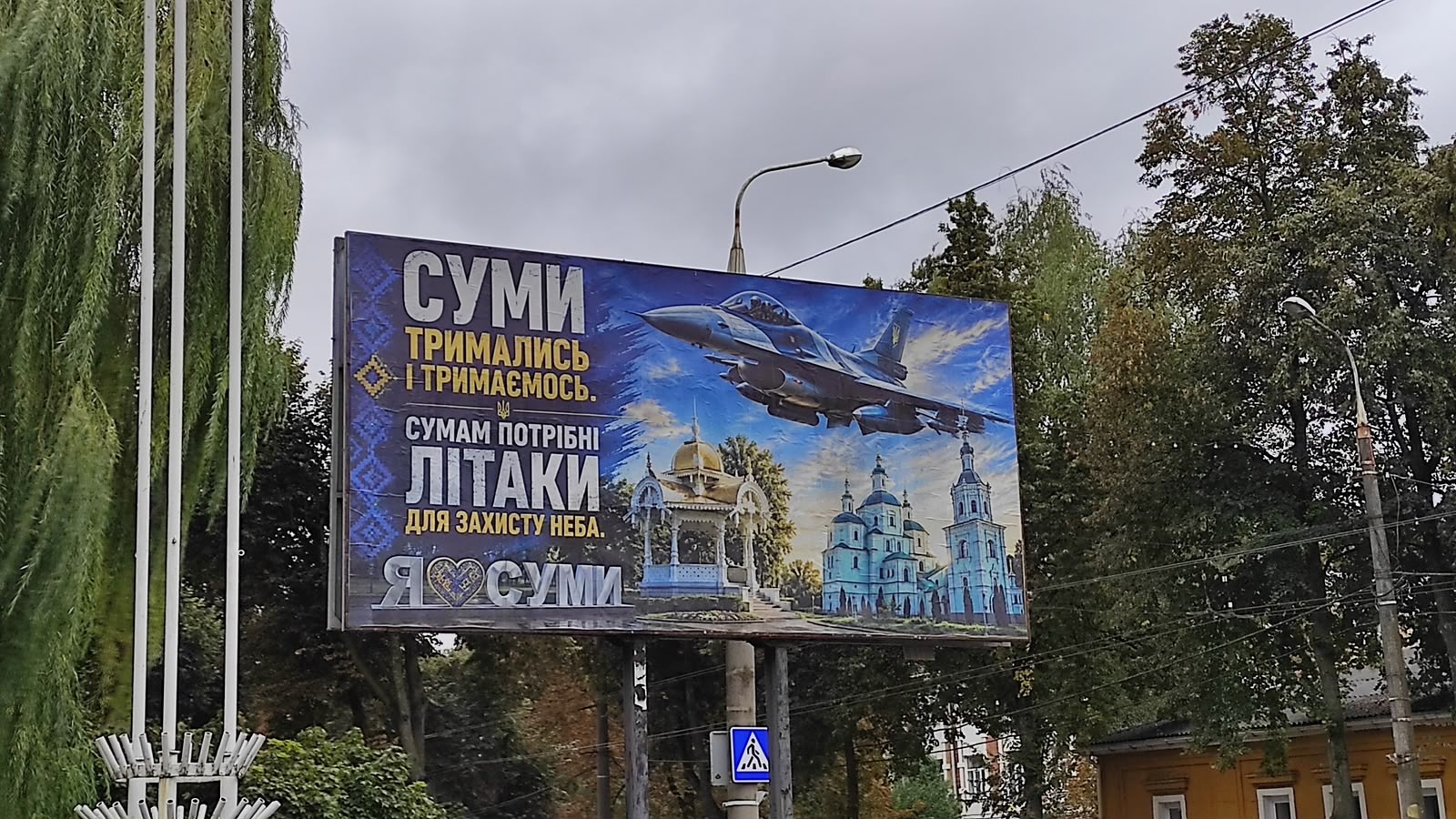
- Inand meet meet people from Sumy; how would you generally describe the mood in the town? Calm, agitated, anxious, panicked? And how are the city authorities providing psychological support?
— There’s a war going on in Ukraine, and if an apartment block nearby has been hit, or someone has been killed or injured, then, naturally, people feel anxious.
We do everything that is within the authorities’ power. We provide psychological support if people need it; we try, despite the constant shelling, to organise sporting events and keep people informed about what is happening.
In other words, the authorities are constantly in touch with the public. Previously, I had specific days set aside for meeting with members of the public, but now, from 8 am to 10 am, people have the opportunity to speak to my deputy or me. They can come along and get the information they need.
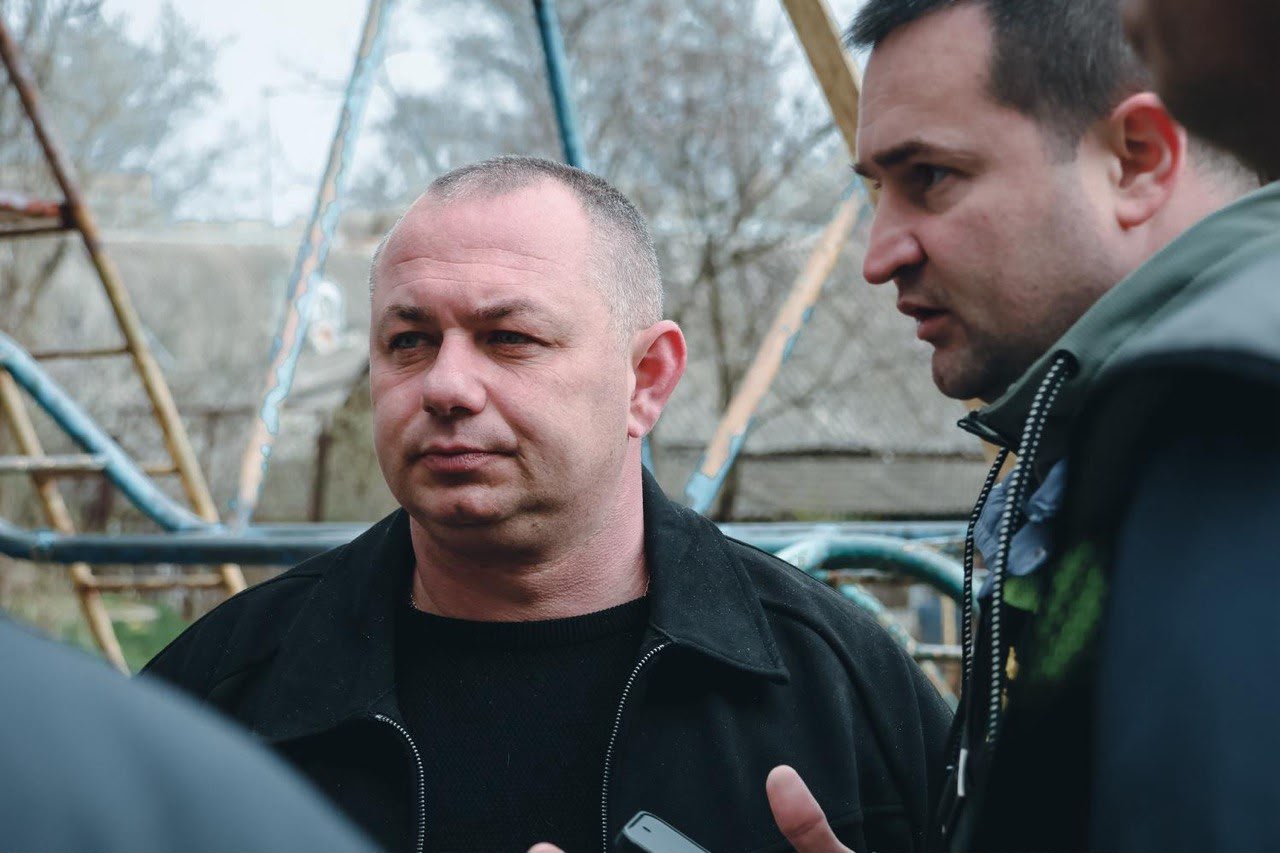
- Even though Sumy is currently a frontline town, you and cultural and educational institutions continue to operate. For a while, a unit led by a friend of mine from Kyiv – a former actress and now a soldier – was based in the city. So she, now stationed elsewhere, wrote to me saying how much she regretted not being able to go to the Sumy Shevchenko Drama Theatre for the opening of the new season...
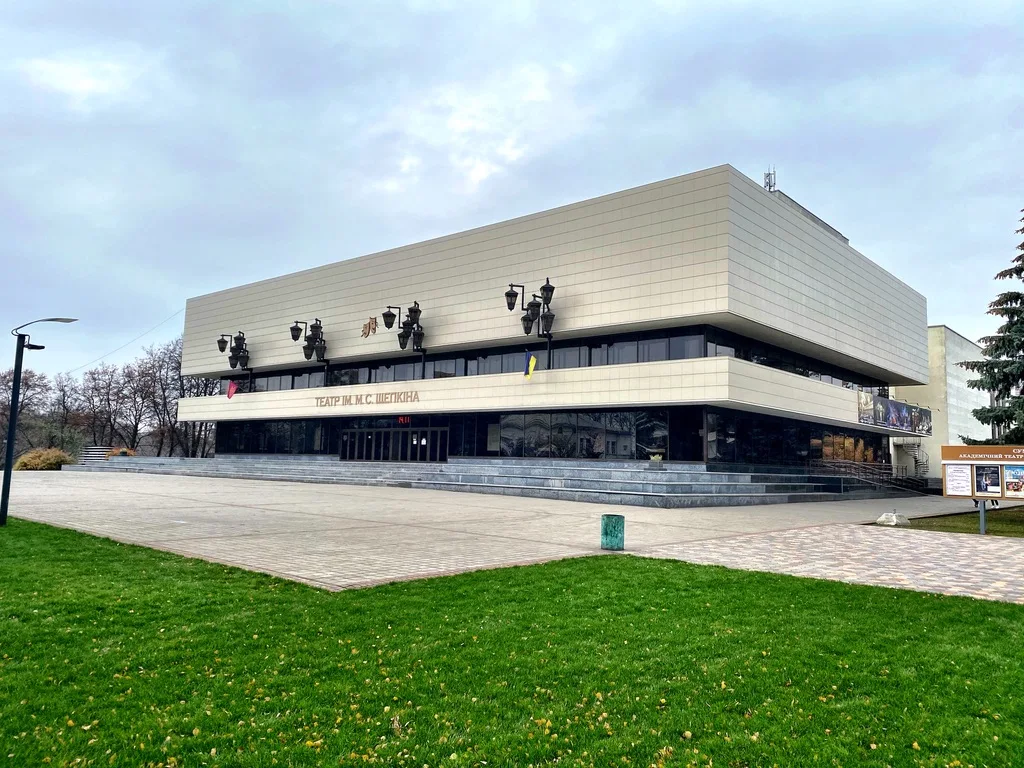
So your drama theatre is still open?
— Yes, depending on the security situation, we try to hold events. It’s just that whereas we used to do this in open spaces, now, for example, we held a craft fair in an underpass for security reasons, to avoid any potential strikes.
- And how, did people?
— A great many people turned up, even though we weren’t officially holding any celebrations. But there were plenty of people in the city, and in this underpass too.
- After enemy strikes, in an effort to keep the people of Sumy informed, you almost always record videos from the scene of the events. These are often night-time recordings. How many hours a day do you?
— Sometimes I only get two or three hours’ sleep, depending on how much shelling there’s been.
Every day I hope: ‘Tomorrow will be quiet — I’ll lie down and catch up on my sleep.’
But sometimes the enemy launches attacks for three, four, or five days in a row. And that’s when it gets really tough.
Yevhen Kuzmenko, "Censor.NET"


