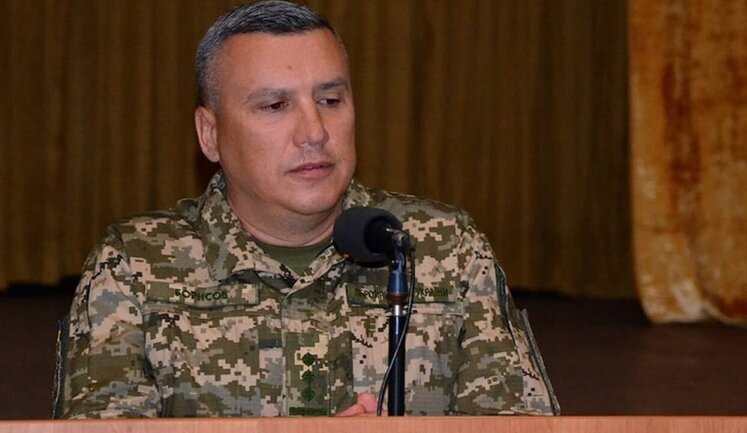
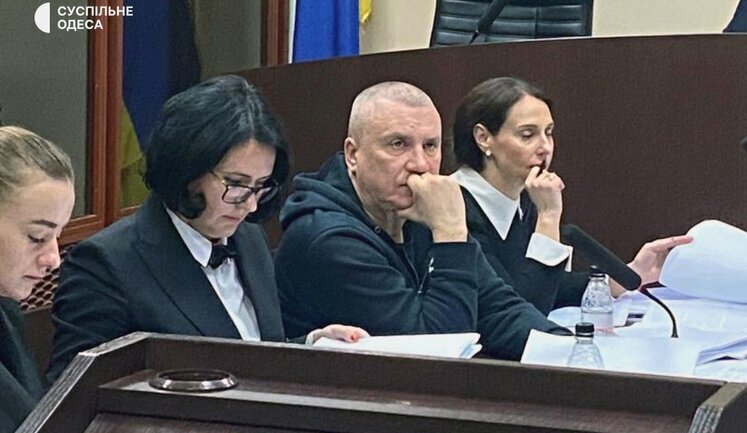
Yevhen Borysov, former head of the Odesa Regional Territorial Center for Recruitment, faces multiple legal challenges. Initially apprehended for evading military duties by vacationing in Spain and the Seychelles, Borysov was subjected to pre-trial detention with an opportunity for bail set at a staggering UAH 402 million. The Pecherskyi Court recently reinforced actions against him with new charges. Over the past months, Borysov has been re-detained and confronted with fresh suspicions, underscoring serious consequences for military duty evasion. These proceedings highlight the stringent judicial measures in place to curb malpractices among officers.
What are the allegations against Yevhen Borysov?
Yevhen Borysov, the former Odesa military commissar, is accused of failing to report for military duty and fraudulently taking holidays in Spain and the Seychelles during wartime. He faces significant charges for evading service responsibilities.
How has the legal process concerning Borysov unfolded?
Initially, Borysov was apprehended and placed in custody with a bail of UAH 150 million, later increased to UAH 402 million. His legal battles have been marked by repeated detentions and the leveling of new suspicions against him, as reported by the courts and investigative bodies.
What are the potential consequences Borysov faces?
Borysov faces serious legal repercussions including extended pre-trial detention and significant financial bail requirements. These measures underscore the strict enforcement of legal standards for military personnel who attempt to evade their duties.
Why is the case of Yevhen Borysov significant?
The case of Yevhen Borysov is significant as it highlights the judiciary's commitment to preventing military duty evasion. His high-profile case serves as a warning to others in military positions about the consequences of neglecting service responsibilities during critical times.
How has the public reacted to Borysov's actions?
The public reaction to Borysov's actions has been critical, with widespread condemnation of his failure to fulfill military duties during wartime. His case has drawn significant media attention, emphasizing the standards expected of military officials.