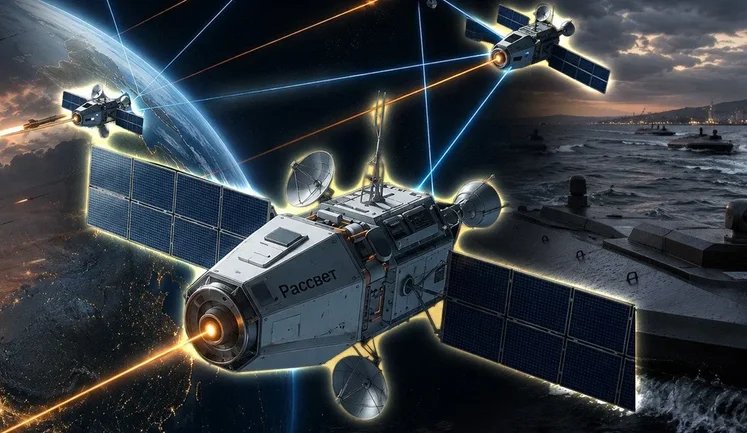
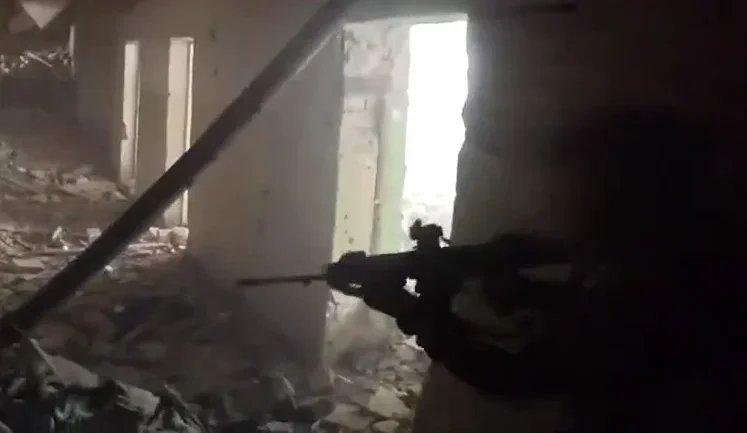
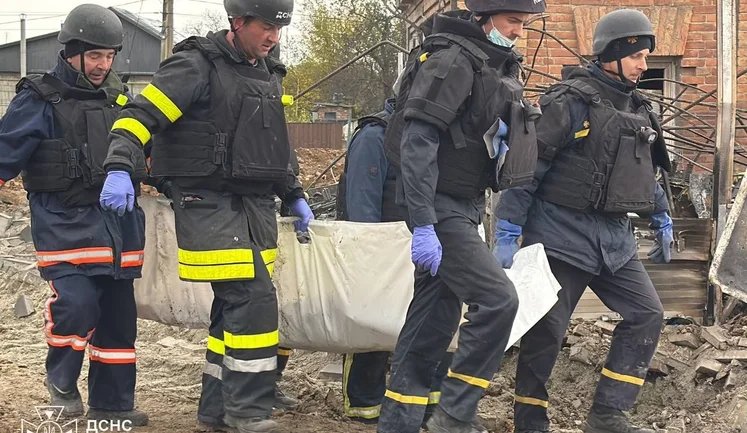
The Defense Intelligence of Ukraine (DIU) reports significant challenges facing Russia’s "Rassvet" satellite system. Despite efforts to compete with Starlink, technical and manufacturing difficulties hinder the deployment. Meanwhile, Ukrainian Defense Intelligence showcases effective military operations in Zaporizhzhia, including FPV drone strikes and successful capture missions. DIU's intelligence operations extend to preventing assassination plots and exposing military conspiracies. The use of African recruits as human shields by Russian troops demonstrates their desperation. Additionally, the DIU reveals the dire state of Russia's coal industry in Luhansk due to exploitative practices. These reports emphasize the vital role DIU plays in Ukraine’s defense strategies.
How is the Defense Intelligence of Ukraine addressing threats from Russian satellites?
The Defense Intelligence of Ukraine (DIU) is actively monitoring and reporting on the deployment of Russia's "Rassvet" satellite system. They identify technical issues and manufacturing hurdles, informing counter-intelligence operations to mitigate the potential threats posed by these Russian communications systems. The DIU's vigilance ensures readiness against any enhanced satellite capabilities that may impact Ukraine's security.
What are some recent operations by the Defense Intelligence in Zaporizhzhia?
The Defense Intelligence of Ukraine has been active in the Zaporizhzhia sector. Recent operations include close-quarters combat, interception of enemy drones, and FPV drone strikes. Video reports from the DIU highlight these tactical maneuvers, demonstrating the Ukrainian soldiers' capability and strategic planning in countering Russian advances effectively. Such operations maintain pressure on occupying forces.
What significant interruptions has the DIU caused to Russian infrastructure?
The Defense Intelligence of Ukraine has strategically targeted Russian infrastructure, including causing major disruptions to oil refineries and military logistics. Operations have successfully hit Russian depots, training centers, and even enabled sabotage through cyber operations, thereby impacting the Russian military-industrial complex's capacity to sustain ongoing military efforts against Ukraine.
How does the DIU's intelligence aid Ukraine's military efforts?
The DIU plays a crucial role in supporting Ukraine’s military operations by providing timely and actionable intelligence. This includes uncovering Russian military personnel responsible for war crimes and thwarting assassination plots against Ukrainian officials. Their intelligence aids in strategic decision-making and enhances the precision of offensive operations, significantly contributing to Ukraine's defense.
What implications does the DIU's report on Russia's coal industry and Luhansk have?
The Defense Intelligence's report highlights the severe economic and industrial decline in Luhansk, exacerbated by Russian policies. This deepening crisis in the coal sector signals potential destabilization in the region, prompting increased scrutiny and pressure on occupying authorities. It also underscores the broader impact of Russian exploitation in occupied territories, affecting local communities and economy.
How effective are Ukrainian FPV drone tactics as observed by DIU?
The DIU's observation of FPV drone tactics has shown remarkable success. These drones provide a high level of tactical precision, capable of conducting strikes on enemy positions and repelling assaults. By integrating these drones into military strategies, Ukrainian forces gain significant advantages in surveillance, targeting, and diminishing the enemy's operational capabilities, reinforcing Ukraine's defensive and offensive operations.
What role does the DIU play in safeguarding Ukraine’s territorial integrity?
The Defense Intelligence of Ukraine is pivotal in safeguarding the nation's territorial integrity by proactively identifying and neutralizing threats, both internally and externally. Through intelligence operations, counter-sabotage activities, and strategic reconnaissance, they maintain a strong defense posture, ensuring the security of borders and mitigating risks from hostile entities, thus reinforcing national sovereignty.