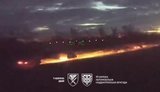
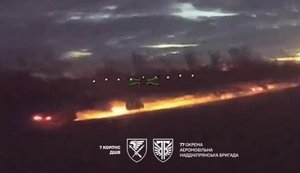
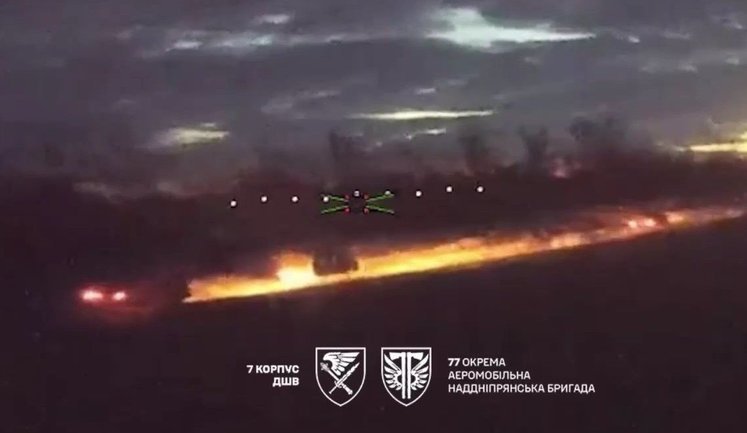
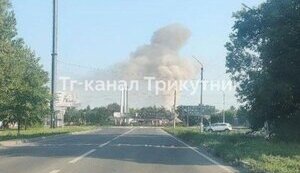
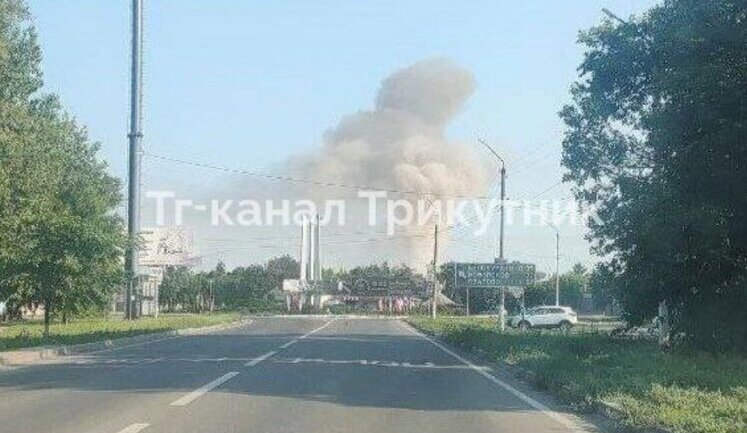
The ongoing conflict in Svativskyy District, Luhanska Region, showcases intensifying military actions. The 77th Airborne Brigade recently neutralized a Russian convoy near Svatove, underscoring the strategic importance of this area in the broader conflict. Meanwhile, reports from various sources including DeepState highlight Russian advances in multiple regions including Donetsk and Kharkiv, emphasizing the complex and dynamic nature of the conflict in Ukraine. Continued drone and artillery strikes against Russian positions demonstrate Ukraine's tactical responses to these advancements. As both sides strive for strategic gains, the situation in Svativskyy remains volatile and critical to the wider conflict dynamics in Luhanska.
What recent military actions occurred in Svativskyy District?
In the Svativskyy District of Luhanska Region, Ukrainian forces specifically the 77th Airborne Brigade, carried out a significant operation destroying several Russian ammunition vehicles. This highlights ongoing military actions and efforts to counteract Russian advances in this strategically vital area.
How are Russian forces progressing in Ukraine?
Russian forces are making tactical advances in several Ukrainian regions, including Luhansk, Donetsk, and Kharkiv. Despite Ukrainian defenses, reports indicate that Russian troops continue to push forward in these areas, albeit facing resistance and strategic counterattacks by the Ukrainian military.
What role does the 77th Airborne Brigade play in Luhansk?
The 77th Airborne Brigade, part of Ukraine's airborne forces, plays a critical role in defending the Luhansk region. They have been involved in notable operations such as destroying Russian convoys, showcasing their strategic contributions in resisting enemy advances and protecting key territories.
What is the significance of Svatove location in the conflict?
Svatove is strategically significant in the Luhansk region due to its geographic and logistical importance. Military actions around Svatove, including recent disruptions to Russian logistics, underscore its role as a pivotal battleground in controlling movement and supply lines in the conflict.
Are there any strategic losses for the Russian forces in Luhansk?
Russian forces have faced strategic challenges in Luhansk, including the loss of important ammunition supplies and setbacks from Ukrainian counteroffensives. These strategic losses impact their operational capabilities and represent significant resistance from Ukrainian defense forces.
How is Ukraine responding to Russian advances?
Ukraine is employing strategic military responses to Russian advances, including deploying smart warfare techniques such as UAV strikes and targeted artillery. These actions aim to disrupt Russian advancements and secure critical areas facing aggression, particularly in conflict zones like the Luhansk and Donetsk regions.
Are drone attacks frequent in occupied Luhansk regions?
Drone attacks have become a common tactical response in the Luhansk region, utilized by Ukrainian forces to target Russian military positions, including ammunition depots and command centers. This highlights the adaptation of modern warfare techniques to manage and potentially shift territorial control in favor of Ukraine.
What is the current situation in Luhansk and surrounding areas?
The situation in Luhansk and surrounding regions is fluid and marked by continuous conflict. The Russian military presence is facing persistent resistance from Ukrainian forces, with ongoing strategic operations like targeted strikes and defensive maneuvers aimed at countering Russian territorial ambitions.
How is the global community reacting to the conflict in Svativskyy District?
The global community closely monitors the conflict in Svativskyy District and broader Luhansk region, expressing concerns over rising tensions and humanitarian impacts. International discourse underscores the need for diplomatic interventions and sustained support for Ukraine's sovereignty amidst ongoing aggressions.