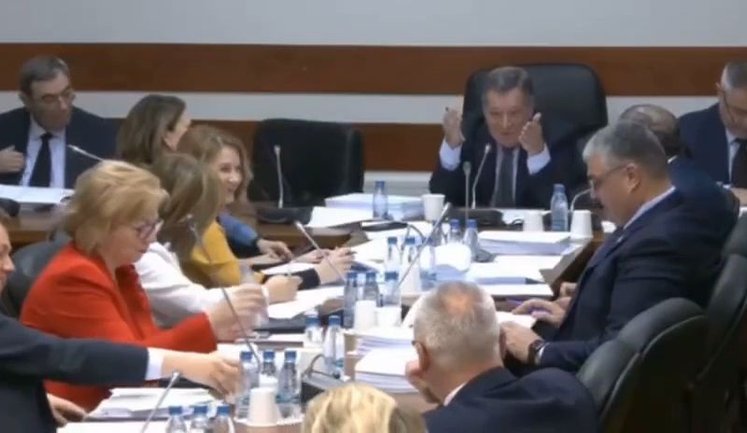
Antisemitism has been a recurring theme in recent global events. The Russian State Duma controversially identified the beloved Soviet character Cheburashka as Jewish, stirring debates about ethnic representation in media. In another troubling incident, a Jewish community member in Kyiv faced an attack by minors outside a synagogue, highlighting persistent antisemitic violence. Tensions are further exacerbated by Russia’s claims of Ukraine's involvement in anti-Semitic riots, which have been deemed absurd by the US State Department. These accusations are seen as an attempt to deflect blame for internal issues. Ukrainian and Israeli leaders, including President Zelensky and Israeli officials, have condemned the antisemitic rhetoric from Russia, labeling it as part of a dangerous narrative. This ongoing discourse reflects the urgency in addressing and combating antisemitism at both national and international levels.
What was the controversy about Cheburashka's ethnic origin?
The Russian State Duma members discussed Cheburashka, a character from a popular USSR-era cartoon, identifying it as Jewish. This sparked debates about ethnic representation and potential underlying antisemitic sentiments. The discussion revolves around whether such statements reflect broader societal attitudes towards Jewish communities.
How has antisemitism affected relations between Ukraine and Russia?
Antisemitism tensions have heightened relations between Ukraine and Russia. Russia's accusations of Ukraine’s involvement in anti-Semitic events have been dismissed by the US as absurd, reflecting attempts to divert attention from internal issues. Ukrainian officials strongly reject these accusations, reaffirming their commitment to combating antisemitism.
What happened during the attack on a Jewish community member in Kyiv?
In Kyiv, a member of the Jewish community was attacked with tear gas by three minors outside a synagogue. This incident highlights ongoing antisemitic violence and raises concerns about the security and societal acceptance of Jewish communities within Ukraine.
What is the response to Russia's accusations of antisemitic provocations in Ukraine?
The Ukrainian Ministry of Foreign Affairs has strongly denied Russia’s accusations of antisemitic provocations attributed to Ukrainian agents. These accusations are seen as attempts to shift the blame for antisemitic incidents occurring within Russia, further straining diplomatic relations.
How did international leaders react to antisemitic incidents in Makhachkala?
International leaders, including those from the US and Israel, condemned the antisemitic riots in Makhachkala, Russia. These incidents have prompted discussions on the rise of antisemitism and the need for stronger global diplomatic actions to prevent such occurrences and protect Jewish communities worldwide.
What was President Zelensky’s reaction to antisemitic comments from Russian officials?
President Zelensky condemned the antisemitic comments from Russian officials, particularly pointing out attempts to label Jews as "responsible" for antisemitism. He criticized these statements as offensive and damaging to international efforts to combat antisemitism, calling for accountability and preventive measures.