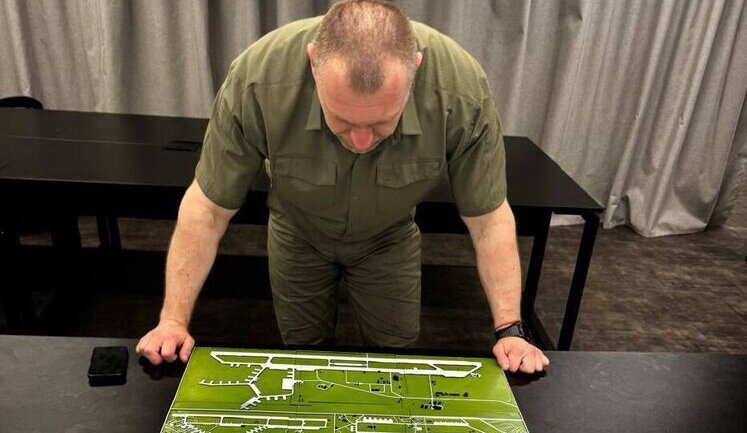
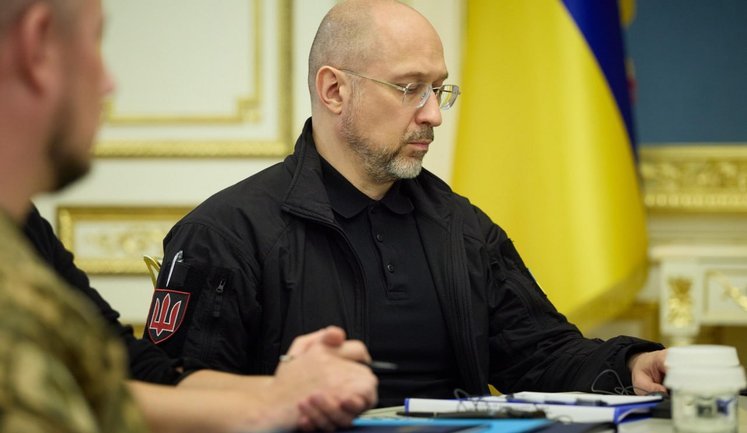
The committees in Ukraine's Verkhovna Rada play a vital role in the political and legislative framework of the country. Recently, the Energy Committee backed the dismissal of Energy Minister Svitlana Hrynchuk, highlighting internal dynamics and shifts within the energy sector. Meanwhile, the Committee on National Security has been evaluating the implications of a Russian strike on Sumy and handling national defense strategies, emphasizing the crucial security challenges faced by Ukraine. Furthermore, the Finance Committee's approval of the BES reboot bill underscores the economic maneuvers that seek financial stability despite lacking international consensus. As Ukraine navigates these profound changes, the informed decisions of these committees continue to shape the country’s political and economic landscape in 2025, ensuring a resilient national stance in the face of ongoing adversity.
What role do committees play in Ukraine's political system?
Committees in Ukraine's Verkhovna Rada are integral to legislative processes, overseeing and drafting legislation in various sectors such as defense, finance, and energy. They ensure that laws are meticulously reviewed and aligned with national interests. Decisions made by these committees can significantly influence governmental policy and municipal operations, fostering robust debate and informed decision-making across diverse aspects of state governance.
How do committee decisions affect the stability of Ukraine's frontlines?
The National Security Committee's alignment with the General Staff's demobilization position highlights their decisive impact on military strategies. Their decisions, shaped by military necessity and intelligence, are pivotal in maintaining stabilized frontlines to safeguard national sovereignty and preclude adverse outcomes that could arise from premature strategic shifts.
Why was Svitlana Hrynchuk dismissed from her position as Energy Minister?
The Energy Committee endorsed the dismissal of Svitlana Hrynchuk, reflecting a broader strategic realignment within Ukraine's energy policies. While specific motivations can involve performance assessments or policy disagreements, such moves aim to ensure leadership that aligns effectively with strategic national energy goals in challenging economic and geopolitical climates.
What implications does the BES reboot bill have for Ukraine's economy?
The approval of the BES reboot bill by the Finance Committee marks a significant economic decision that seeks to revitalize Ukraine's financial systemic efficiency. However, its lack of consensus with international partners points to potential challenges in international relations and economic diplomacy that Ukraine must navigate delicately to balance domestic financial reforms with global economic expectations.
How are defense strategies impacted by committee evaluations of incidents like the Russian strike on Sumy?
The National Security Committee's evaluations of such incidents are crucial, as they dissect intelligence and inform strategic defensive responses. By scrutinizing security breaches like the Russian strike on Sumy, committees strengthen Ukraine's defense policies, ensuring they are reactive to threats while calibrated to safeguard civilian welfare and national integrity amidst persistent regional tensions.