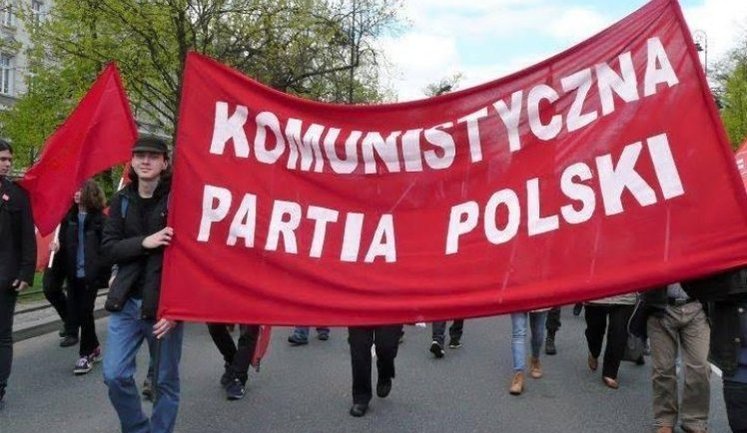
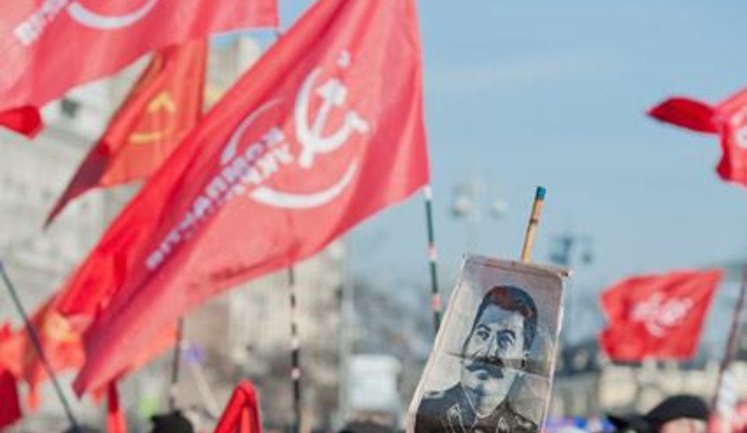
The tag communism frequently intersects with significant legal and political changes worldwide. Recently, Polish President Karol Nawrocki introduced a bill to amend the Criminal Code, equating the "Bandera symbol" with Nazi and communist symbols. This move aligns with broader regional efforts to address historical and contemporary ideologies linked to totalitarian regimes. In Ukraine, the Communist Party's activities have come under scrutiny, with potential bans suggested under decommunisation laws. Amendments to a Ukrainian bill now prohibit the promotion of Nazism and communism, reinforcing a strong stance against these ideologies. This reflects a regional trend of distancing national politics from oppressive pasts associated with communism. Additionally, the Ukrainian Foreign Ministry recently condemned Czech MPs for visiting the "DPR," emphasizing the complex diplomatic ongoing narratives surrounding communist affiliations.
Why is the Bandera symbol being equated with Nazi and communist symbols in Poland?
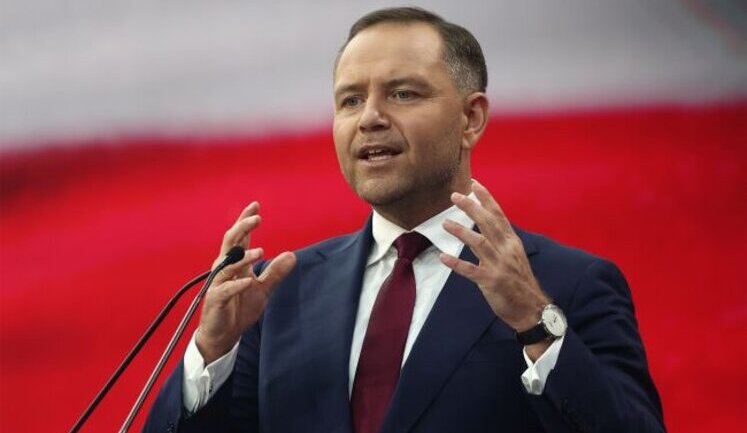
The recent initiative by Polish President Karol Nawrocki aims to amend the Criminal Code to equate the "Bandera symbol" with symbols of Nazism and communism. This legislative action reflects Poland’s commitment to curbing the spread of ideologies associated with historical oppression and ensuring that symbols inciting divisive and harmful ideologies are legally recognized and regulated. By equating these symbols, Poland seeks to align its legal standards with broader regional anti-totalitarian measures.
What does the amendment to the Ukrainian bill on promoting Nazism and communism involve?
The amendment to the Ukrainian bill involves a prohibition on the promotion and use of symbols associated with Nazism and communism. Supported by 233 deputies, these changes aim to address and prevent the spread of propaganda that glorifies these totalitarian regimes. This reflects Ukraine's broader legal approach to distance itself from oppressive historical legacies and to foster a modern political environment free from the influences of extremist ideologies.
What implications does banning the Communist Party of Ukraine have?
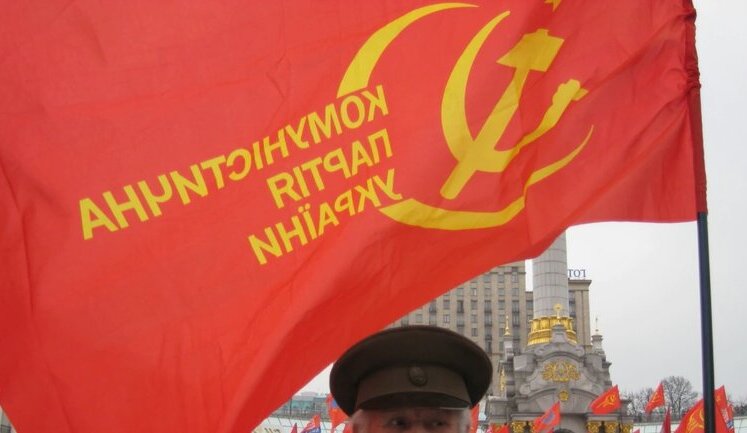
The possibility of banning the Communist Party of Ukraine aligns with the country's decommunisation laws, which seek to eradicate remnants of Soviet influence in Ukraine's political landscape. A ban would significantly alter political dynamics, reducing the influence of ideologies linked to Ukraine's Soviet past. This action is part of broader efforts to redefine national identity and promote democratic principles in governance.
How did Ukraine respond to the Czech MPs' visit to the "DPR"?
Ukraine expressed strong protest against the Czech MPs' visit to the "DPR," viewing it as illegitimate and a violation of national sovereignty. The Ukrainian Foreign Ministry's condemnation highlights the ongoing tensions between Ukraine and entities supporting separatist movements in occupied regions. This diplomatic response underscores Ukraine's firm stance against any activities that could legitimize illegal occupations or undermine its territorial integrity.
What historical context surrounds the legislation against communist propaganda in Ukraine?
Ukraine's legislation against communist propaganda is rooted in its historical experience under Soviet rule, where communism significantly impacted societal and political structures. The decommunisation laws aim to dismantle symbols and ideologies reminiscent of oppression and align with contemporary democratic ideals. By prohibiting communist propaganda, Ukraine is making a decisive move towards reforming its historical narrative and reinforcing a sovereign national identity that distances itself from past totalitarian influences.