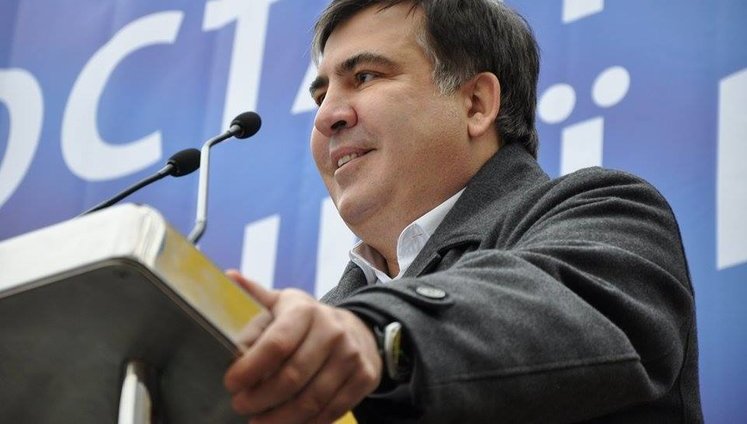
Criticism remains a pivotal element in political discourse, influencing perceptions and policy decisions. Recent survey data shows 50% of Ukrainians believe their government is falling short on obligations for EU accession, highlighting domestic dissatisfaction. Internationally, tensions rise as the Kremlin slams Ukraine’s Mykhailo Fedorov’s advisory role in Italy, calling it absurd. Meanwhile, EU’s Kaja Kallas faces critique over her hard stance on Russia and the US. Amidst these, 70% of Ukrainians perceive government criticism as essential during war to address issues effectively, underscoring the importance of free speech in democratic societies.
Why is criticism important in Ukrainian politics?
Criticism is essential in Ukrainian politics as it helps hold authorities accountable, sparks necessary reforms, and ensures transparency. In the context of war and EU accession aspirations, public critique is seen as vital for addressing governmental shortcomings and pushing for progressive policies that align with national and EU goals.
How has Russia reacted to Mykhailo Fedorov’s new position in Italy?
Russia has reacted negatively to Mykhailo Fedorov’s appointment as an advisor to the Italian Defence Minister, calling the decision by Italy absurd. This move is seen as provocative by the Kremlin, potentially exacerbating diplomatic tensions between Russia and Italy amid ongoing regional conflicts and political maneuvering.
What are the criticisms faced by Kaja Kallas from the EU?
Kaja Kallas, the EU High Representative for Foreign Affairs, faces criticism for her tough stance on Russia and friction with the US administration. Critics argue her policies might hinder diplomatic engagements with major global powers, potentially isolating the EU during critical geopolitical negotiations.
What percentage of Ukrainians support governmental criticism during wartime?
A substantial 70% of Ukrainians support the criticism of government actions during wartime. They believe addressing and highlighting government mistakes is crucial for problem-solving and improving the national situation, emphasizing an ongoing demand for accountability and transparency in governmental proceedings, even amidst conflict.
What is the significance of the criticism towards Ukraine’s EU accession efforts?
The criticism towards Ukraine's efforts for EU accession is significant as it reflects public dissatisfaction with the pace and effectiveness of governmental reforms. This critique can pressure officials to prioritize and expedite necessary changes, ensuring that Ukraine meets EU standards for membership and enhancing its geopolitical standing.