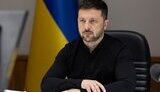
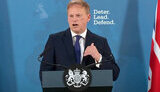
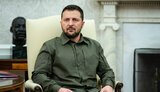
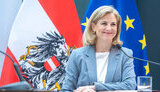
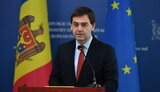
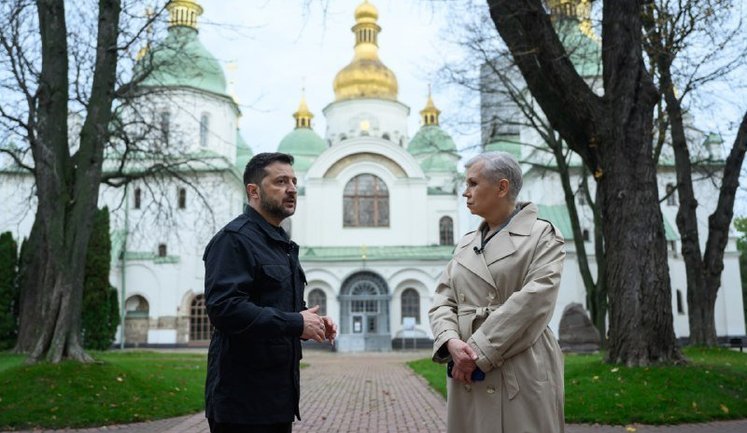
In recent years, the concept of nonalignment has faced scrutiny as countries navigate increasing geopolitical tensions. The Austrian Minister of the Interior, Beate Meinl-Reisinger, emphasized that neutrality alone no longer ensures Austria's security. Similarly, Moldova's neutrality, as stated by its Foreign Minister Popescu, is insufficient for protection, pushing the nation towards EU accession for enhanced security. Ukrainian President Zelenskyy's commitment to national independence over neutrality highlights the intricate balance between peace and territorial integrity. British Defense Minister Shapps advocates for neutral countries to join NATO for robust protection, while Switzerland remains firm in its neutral stance by opposing arms exports to Ukraine. As global dynamics evolve, nations continuously reassess their defense strategies, questioning if neutrality can coexist with the demand for security and international alliances.
Why is neutrality being reconsidered by several countries?
Neutrality is being reconsidered due to heightened global security threats and geopolitical tensions. Countries like Austria and Moldova recognize that neutral stances might not suffice for national defense and are considering alliances such as NATO or the EU for stronger protection frameworks, illustrating a shifting approach in international security policy.
What are the challenges of maintaining neutrality for nations?
Maintaining neutrality poses challenges, particularly in terms of national security and international relations. As global conflicts escalate, neutral nations risk insufficient defense capabilities and political isolation. This dilemma forces countries to reconsider military alliances and strategic partnerships to ensure their sovereignty and security.
How does NATO influence nonaligned countries regarding neutrality?
NATO influences nonaligned countries by offering security guarantees that neutrality may not provide. British Defense Minister Shapps argues that countries using NATO's protective umbrella should consider full membership to secure comprehensive defense support, a stance that challenges the traditional concept of neutrality.
How has the Ukraine conflict affected perceptions of neutrality?
The Ukraine conflict has significantly impacted perceptions of neutrality. President Zelenskyy underscores the risks neutrality poses to national sovereignty amid active aggression. This context highlights the necessity for clear defense commitments from allies and underscores the complexities in maintaining neutral positions during a conflict.
What stance does Switzerland hold in terms of neutrality and arms exports?
Switzerland maintains a firm stance on neutrality, consistently opposing arms exports to conflict zones such as Ukraine. Swiss President Alain Berset emphasizes this policy despite international pressure, reflecting Switzerland's commitment to its long-standing neutral status, yet highlighting internal debates on adapting to changing security landscapes.