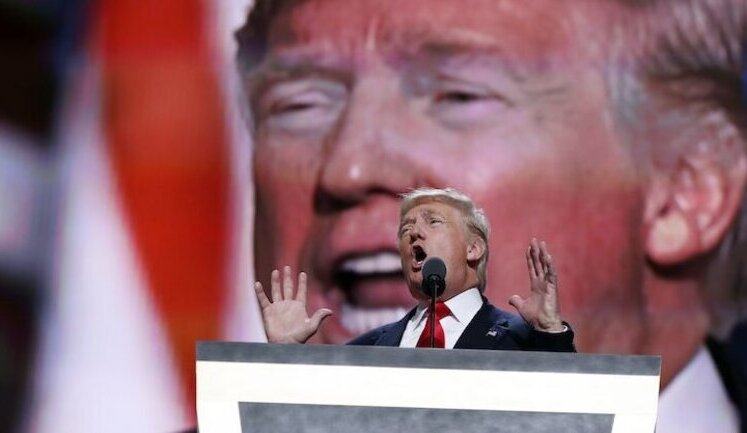
The Nobel Prize often sparks debates and recognition in global politics. Recently, U.S. President Trump has been involved in discussions for the Nobel Peace Prize. His statements on deserving the honor reflect geopolitical aspirations, highlighted by a proposal in Ukraine's Verkhovna Rada to nominate him. In contrast, this year saw Venezuelan opposition leader María Corina Machado honored with the Nobel Peace Prize, drawing attention to political courage in Latin America. Past laureates, including Ukraine's "Center for Civil Liberties," have called for reforms in international peace systems, underlining the prize's impact on global security dialogues. These developments showcase the Nobel Prize's role in promoting peace and political discourse worldwide.
What has Donald Trump said about the Nobel Peace Prize?
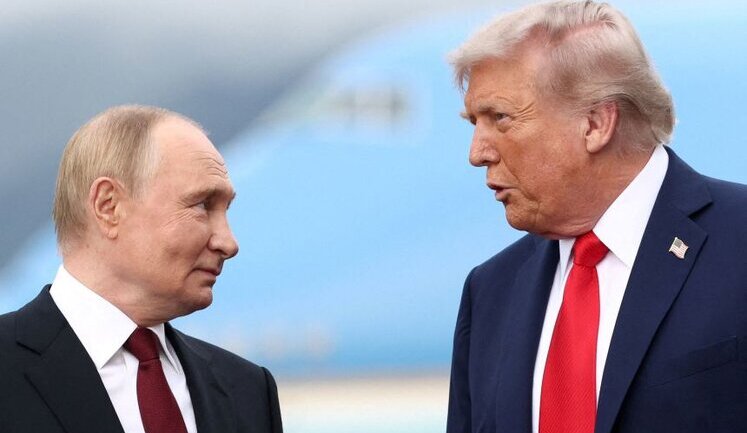
Donald Trump has stated his belief that he deserves the Nobel Peace Prize, viewing it as a significant honor. He has expressed that receiving the prize would reflect positively on his country. Despite not receiving it, he acknowledged the support of Russian President Vladimir Putin and stated that not winning it would be a "great insult" to the nation. This stance has sparked various political discussions and proposals, including potential nominations by U.S. representatives and Ukrainian lawmakers.
Who has recently won the Nobel Peace Prize?
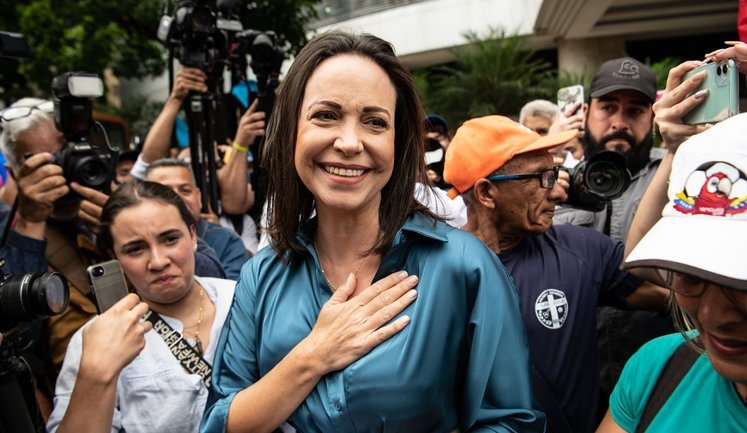
The Nobel Peace Prize was recently awarded to María Corina Machado, a Venezuelan opposition leader. Her recognition highlights the struggle for democracy and political change in Venezuela. This award aligns with the prize's tradition of acknowledging individuals and organizations that have made significant contributions to peace and human rights worldwide. Past recipients have included organizations and individuals advocating for peace and security reforms in international settings.
How has the Nobel Prize influenced international politics?
The Nobel Prize has influenced international politics by highlighting significant contributions to peace, literature, and science. It serves as a platform for recognizing efforts in democracy, human rights, and global security. Recent discussions involve nominations and awards impacting geopolitical dynamics, such as Donald Trump's potential nomination and María Corina Machado's recent win. These recognitions foster discussions on peace and political reforms, often addressing urgent international issues and encouraging dialogue among different nations.
What initiatives have Nobel laureates called for recently?
Nobel laureates have recently called for reforms in global peace and security systems. Ukraine's "Center for Civil Liberties," a past recipient, has advocated for overhauls in the United Nations to ensure international security and peace guarantees. This initiative emphasizes the need for stronger institutional frameworks to deal with global challenges and conflicts. These calls reflect the Nobel Prize's longstanding influence in promoting systemic changes that enhance peaceful coexistence and conflict resolution worldwide.
How does the Nobel Prize impact the perception of political leaders?
The Nobel Prize can significantly impact the perception of political leaders by offering international recognition for their efforts in peace and diplomacy. A nomination or award can enhance a leader's credibility and sway public opinion, both domestically and internationally. Discussions about Donald Trump's potential nomination reflect this effect, influencing narratives around his leadership and efforts in promoting global peace. Such recognition can prompt political debates and stir public interest in a leader's achievements and diplomatic strategies.